Japandi: The Minimalist Entryway Trend Shaping 2026
The entryway establishes the initial impression of a home. It welcomes residents and guests, conveying a sense of order, comfort, and intentional design. Japandi style, which blends Japanese and Scandinavian influences, emerges as a leading force in minimalist interiors. This aesthetic prioritizes equilibrium, organic materials, and deliberate simplicity. In entryways, it yields spaces that promote tranquility, utility, and understated elegance.
Grasping the Core of Japandi Design
Japandi integrates the subtle poise of Japanese aesthetics with the inviting functionality of Scandinavian design. Both philosophies cherish restraint, skilled workmanship, and ties to the natural world, though they interpret these ideals in distinct ways. Japanese elements draw from wabi-sabi, which honors imperfection and the fleeting nature of things. Scandinavian aspects embody hygge, evoking coziness and contentment in routine moments. Together, they form a streamlined yet hospitable style that feels anchored and polished.
Such an entryway extends beyond mere ornamentation. It facilitates a serene shift from exterior environments to the home's inner realms. The outcome is an area that nurtures mindfulness, organization, and quiet regard for textures and illumination.
Fundamental Components of a Japandi Entryway
A Japandi entryway builds upon essential guidelines that shape its arrangement, selections of materials, and decorative accents.
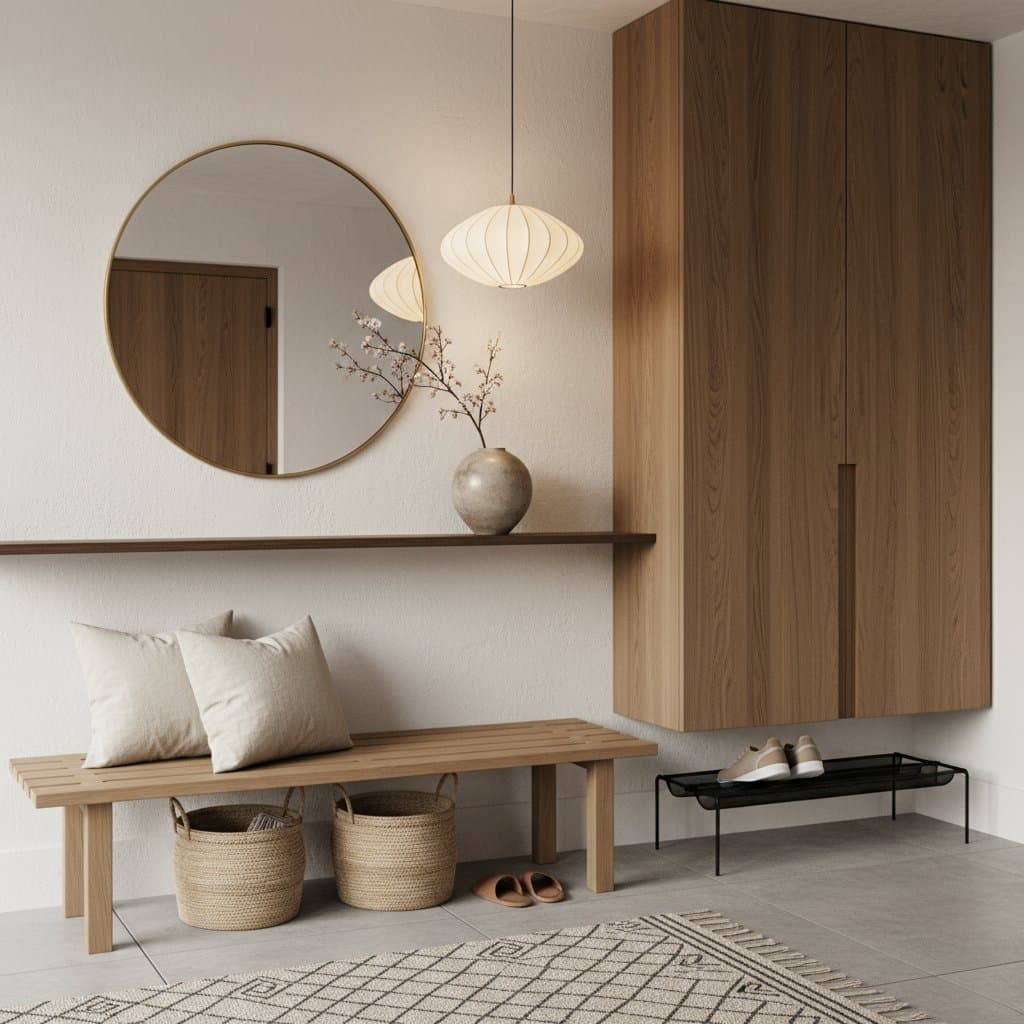
- Organic Materials: Wood, stone, and bamboo form the primary selections. Pale Scandinavian shades pair with deeper Japanese tones to generate subtle differentiation while preserving coziness.
- Streamlined Forms and Unobstructed Areas: Storage and furnishings feature straightforward silhouettes devoid of excess detailing. Ample floor space promotes smooth circulation and accessibility.
- Equitable Illumination: Gentle, scattered light accentuates surfaces and underscores organic elements. Options like warm-toned LED panels or rice-paper shades align seamlessly with the ambiance.
- Purposeful Minimalism: Each element fulfills a role. For instance, benches incorporate compartments, and recessed shelves conceal disarray.
- Link to the Natural World: Incorporate foliage, smooth stones, or compact fountains to evoke peace and organic cadence.
Materials and Finishes That Capture the Aesthetic
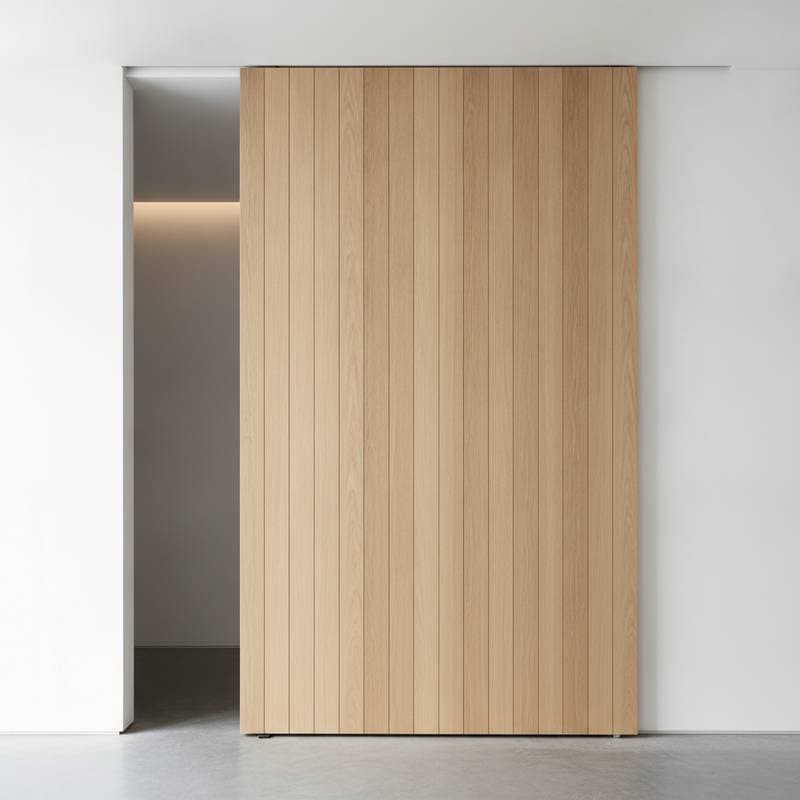
Choosing appropriate materials ensures genuine expression. Wood serves as the cornerstone. Varieties such as light oak, ash, or birch echo Scandinavian lightness, whereas walnut or cedar introduce profound Japanese nuance.
Neutral stone flooring or tiles deliver resilience and an earthy appearance. Walls treated with textured plaster or limewash introduce gentle diversity without dominating perception. Metallic details, including matte black pulls or satin brass pegs, provide restrained contrast.
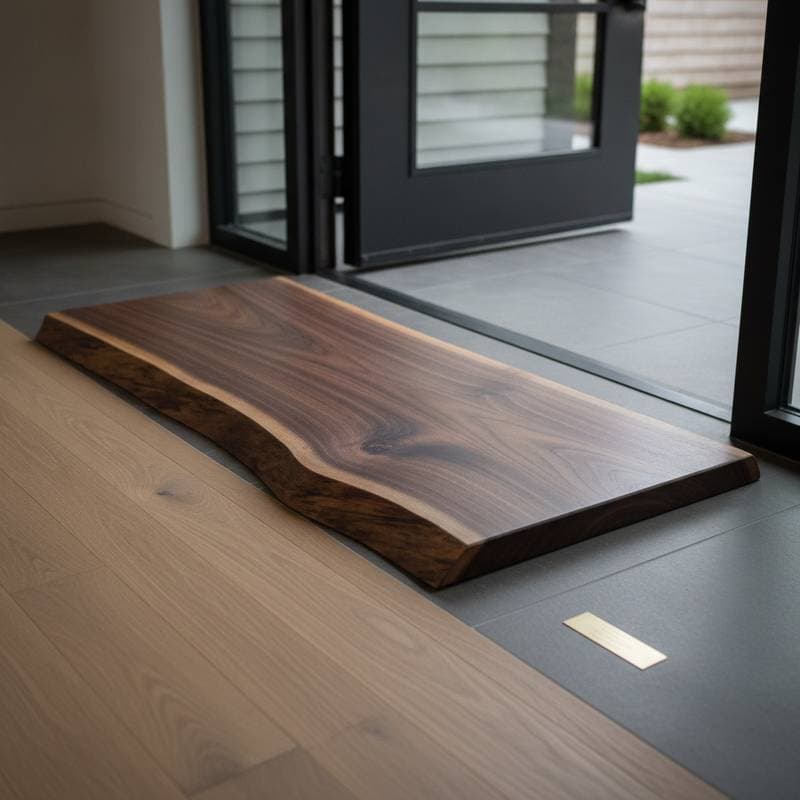
Opt for matte or satin finishes. These options diffuse light softly, minimizing reflections and bolstering the subdued, rooted tone central to Japandi spaces.
Furniture and Spatial Arrangement
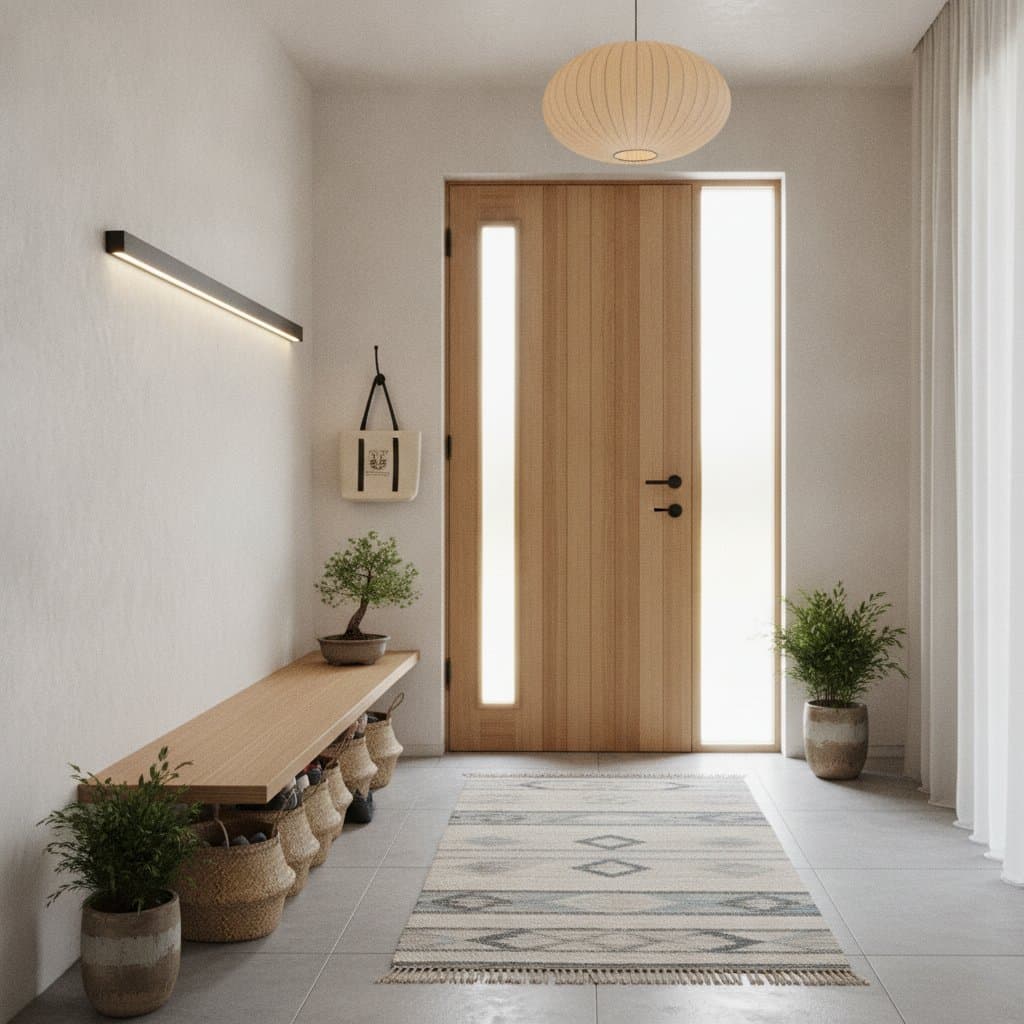
Entryway configuration should direct passage intuitively. In slim corridors, install a wall-hung console or slim shelf to preserve floor clearance. Expansive areas permit a compact bench or footwear unit crafted from solid wood.
Sparse furnishing arrangements afford visual respite and spotlight principal items. Position a plain mirror with a wooden or metallic frame to amplify brightness subtly. Arrange hooks or rails in balanced patterns for storage that upholds geometric purity.
During layout development, evaluate habitual patterns. Aim for seamless progression from entry to core living zones. Integrate discreet yet accessible provisions for footwear, outerwear, and essentials.
Color Scheme and Ambient Harmony
Japandi relies on cohesion over stark opposition. The scheme draws from subdued natural hues.
- Neutral Foundations: Cream, sand, taupe, and pale gray establish soothing grounds.
- Subtle Enhancements: Slate, forest green, or earthy red infuse dimension without disrupting composure.
- Woody Accents: Neutral timber shades unify the composition.
This combination yields a contemporary yet perpetual setting. It strikes a measured equilibrium, appealing to individuals who prize moderation alongside solace.
Practicality and Lifestyle Alignment
An entryway demands performance alongside appearance. Japandi excels when form supports utility. In homes with active families or regular visitors, resilience and tidiness prove essential. Enclosed units mask everyday items, while select open displays highlight intentional choices.
Select materials that endure routine handling. Robust hardwoods withstand abrasion, and woven natural rugs capture debris effectively. Opt for wipeable surfaces to sustain the effortless regimen Japandi promotes.
Moreover, the area ought to nurture deliberate habits. Include a seat for shoe removal, a shallow dish for accessories, or a modest greenery cluster to foster composure and structure.
Sustaining Durability Over Time
Selections must endure to preserve allure and purpose. Organic materials develop patina elegantly with proper attention. Apply periodic conditioning to timber, and use mild cleaners on surfaces.
The absence of elaborate details renders any degradation noticeable. Consistent care upholds the pristine intent. Minimalism simplifies restoration; components can receive renewal or substitution without compromising harmony.
Prioritize superior craftsmanship initially. Eco-conscious options and classic contours guarantee longevity and pertinence across years.
Tailoring to Your Environment and Preferences
Adapt Japandi tenets to specific contexts. Urban dwellings with limited square footage benefit from bright palettes and integrated storage to enhance spaciousness. Spacious residences allow incorporation of richer timbers or tactile surfaces for added layers.
Regional conditions guide selections. In moist climates, apply vapor-barrier treatments to protect wood and tiles. Colder zones welcome plush fabrics and ambient glows for added ease.
Balance remains paramount. The entryway must mirror the occupant's pace while upholding the pristine, earthed essence of the style.
Steps for Implementation
Evaluate the current area prior to embarking on a Japandi entryway endeavor. Record precise measurements and gauge incoming light. Determine storage requirements and flow dynamics.
With a blueprint in place, source cohesive materials in matching shades and grains. Lay flooring or apply wall treatments first to form a cohesive base. Introduce storage and seating next, then integrate lighting and sparse accents.
Execute installation with accuracy in positioning and joins. Uniform hardware and flush connections amplify the serene impact.
Embracing Timeless Threshold Design
A Japandi entryway beckons tranquility, discipline, and reverence for artistry. It suits those who seek unadorned grace enriched with subtle character.
Executed with intention, this synthesis of Japanese and Scandinavian principles elevates the entryway to a haven of gentle reception. It instills awareness at life's entry points, affirming that effective design roots in equilibrium, authenticity, and attentiveness.