Japandi Entryways Merge Minimalism and Nature in 2026
Japandi design gains traction among homeowners seeking tranquil, practical interiors that blend style with organic essence. The entryway serves as the initial encounter with a residence, making it an ideal canvas for this approach. This fusion of Scandinavian restraint and Japanese harmony produces an entryway that embodies equilibrium, utility, and inherent elegance.
Defining Characteristics of a Japandi Entryway
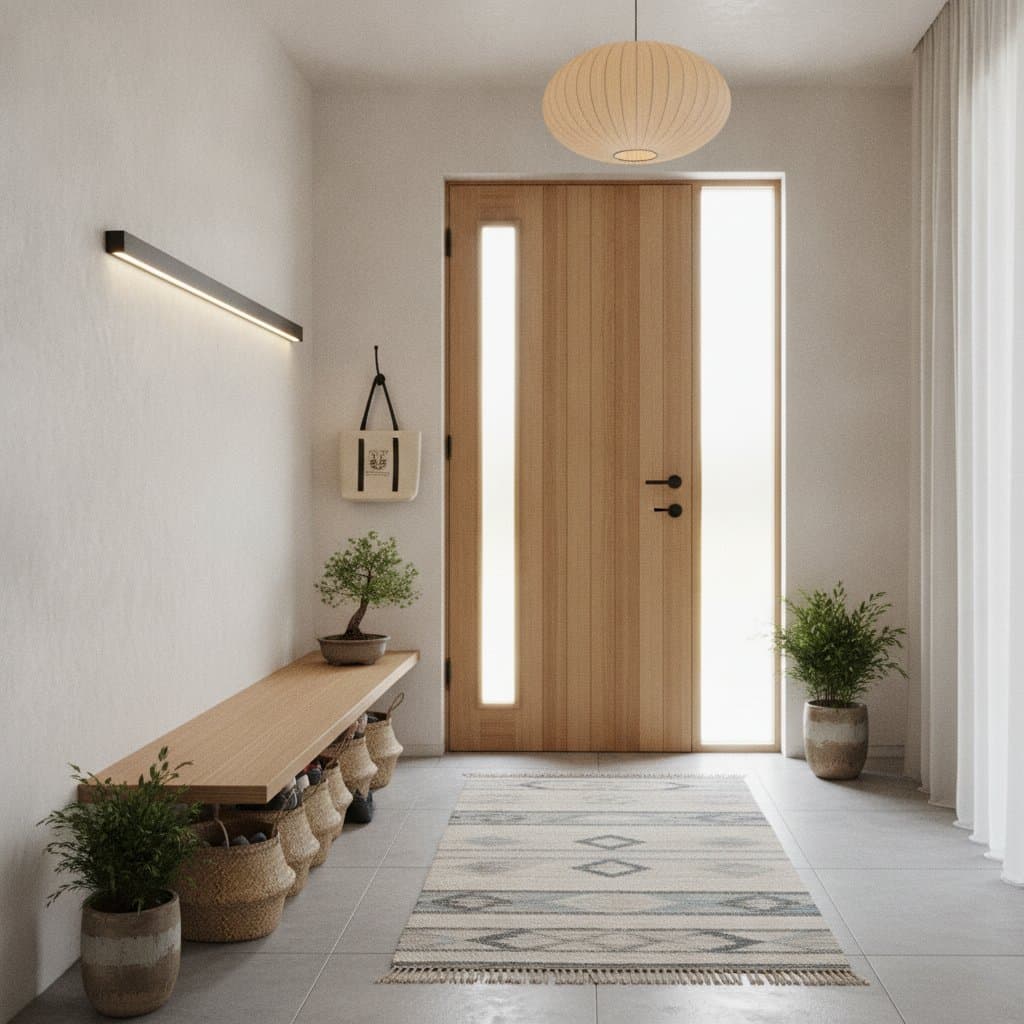
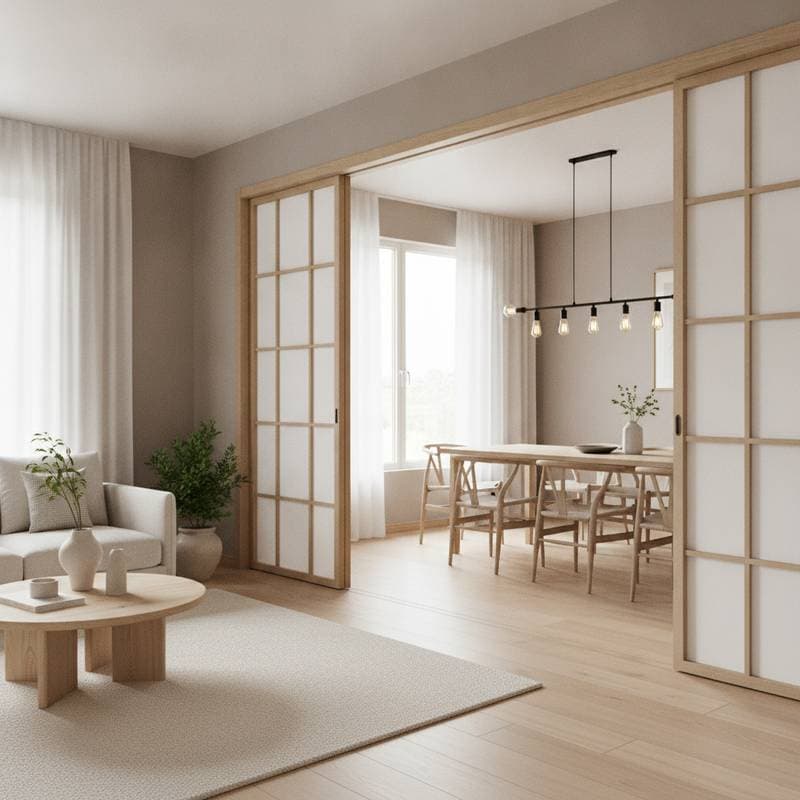
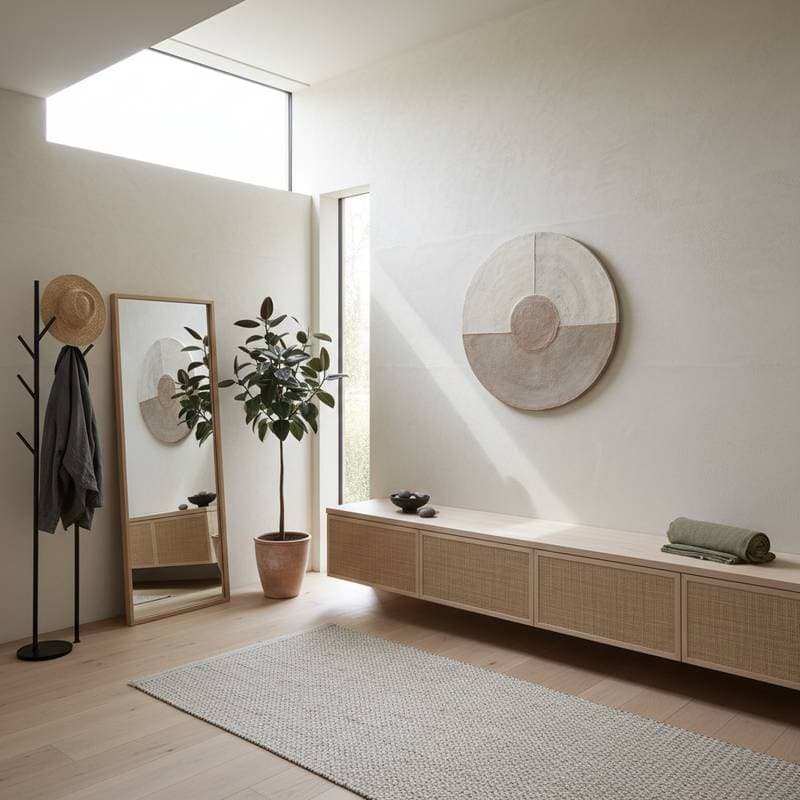
Japandi entryways emphasize simplicity, natural components, and deliberate utility. Each item contributes purpose without overwhelming the area, fostering an inviting presence. Base the design on wood in earthy hues, restrained color schemes, and textured organics. Incorporate seamless wooden doors, handwoven baskets, stone or ceramic floors, and diffused illumination to cultivate peace.
This aesthetic promotes order by concealing everyday items. Store footwear, outerwear, and personal effects in recessed shelving or streamlined benches. Such arrangements minimize visual noise while accommodating habitual needs, ensuring the space supports transitions smoothly.
Standard Expenses and Material Options
Developing a Japandi entryway ranges from subtle updates to comprehensive overhauls with fresh elements and hardware. Expenditures generally fall between $2,000 and $8,000, influenced by area dimensions, material grades, and installation expertise. The following table details typical price brackets for essential components and attributes.
| Material/Feature | Cost Range | Key Features |
|---|---|---|
| Solid Wood Entry Door | $1,200 to $3,500 | Visible grain patterns, robust build, adaptable coatings |
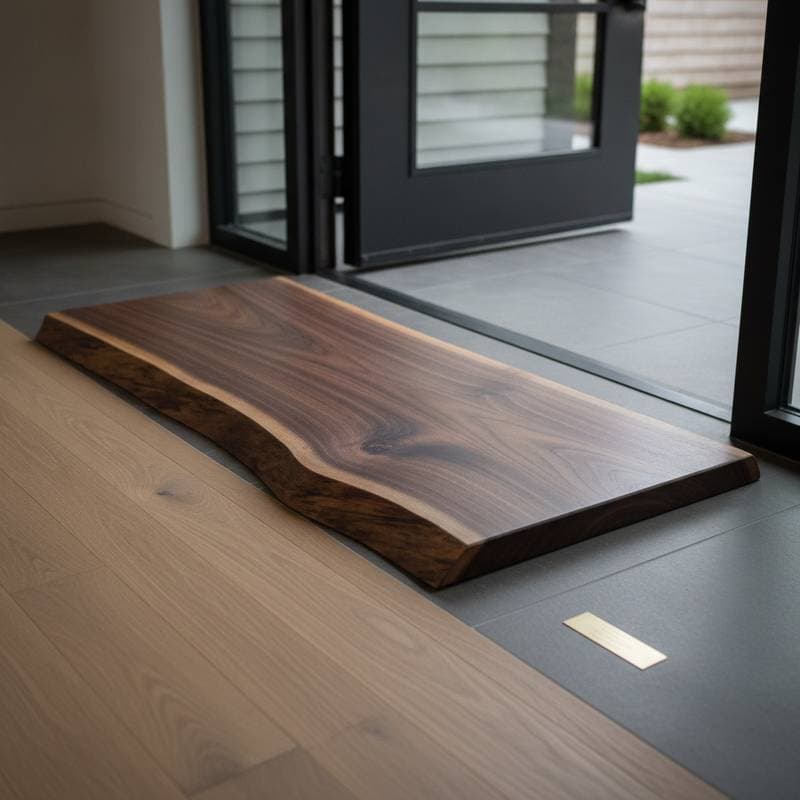
| Bamboo or Oak Flooring | $6 to $15 per sq. ft. | Eco-friendly sourcing, inviting warmth, simple care routine |
| Built-in Storage Bench | $800 to $2,000 | Hidden compartments, understated form |
| Wall Paneling (Wood or Slatted) | $10 to $25 per sq. ft. | Textural depth, spatial demarcation |
| Accent Lighting | $150 to $600 | Gentle illumination, efficient energy use |
These selections align with Japandi values of employing authentic, superior surfaces that mature attractively. Although upfront prices exceed those of artificial options, the enduring strength and classic appearance justify the outlay.
Essential Design Components to Incorporate
Japandi entryways flourish through moderation and purpose. Prioritize these fundamental aspects for success:
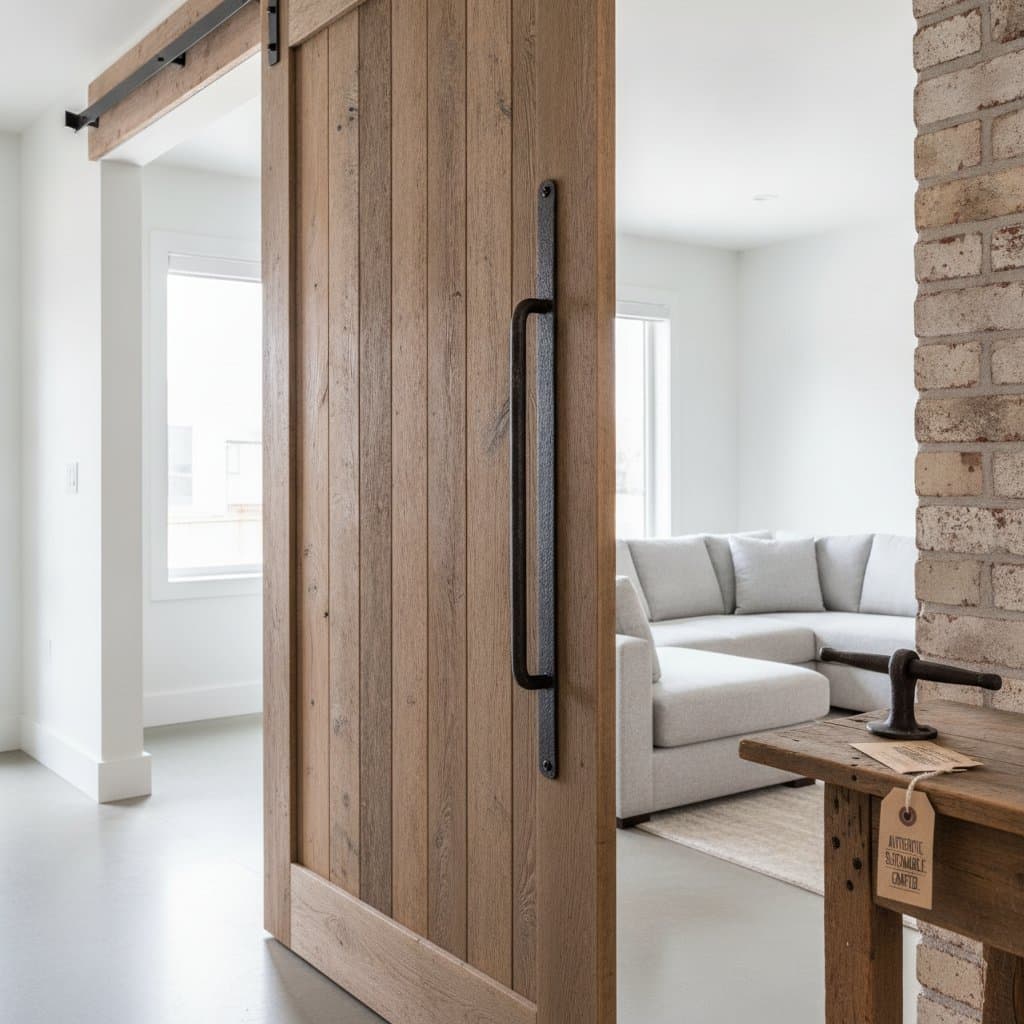
- Natural Wood Doors: Select options showcasing pronounced grain and satin sheens. Opt for light oak, maple, or ash to evoke subtle sophistication.
- Neutral Color Scheme: Employ tones like soft beige, taupe, slate gray, or pale sage to sustain composure.
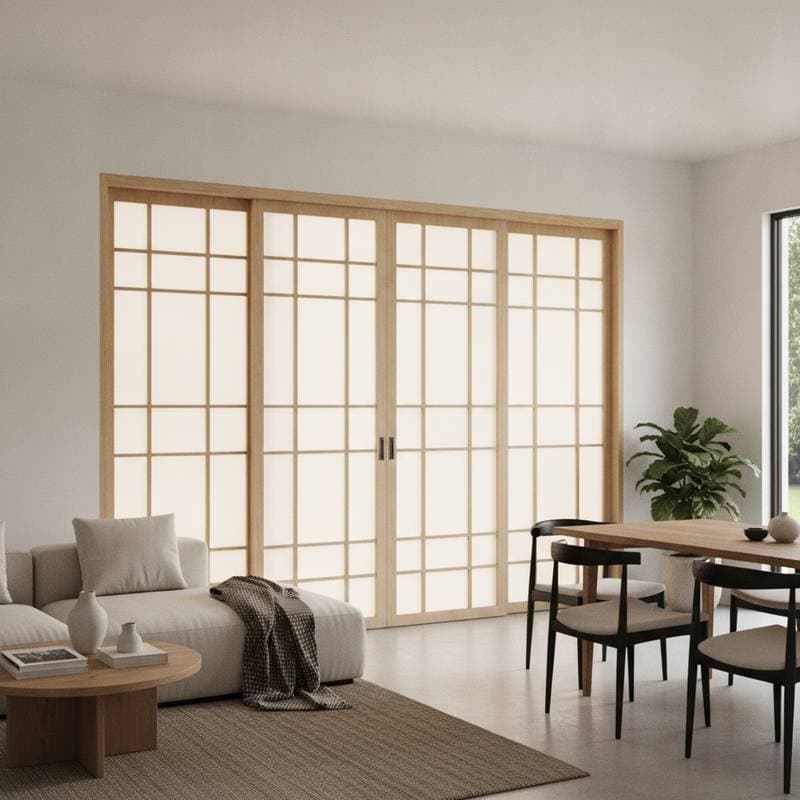
- Gentle Illumination: Install warm-toned LED fixtures or hanging lamps crafted from rice paper or rattan for diffused radiance.
- Practical Storage Solutions: Manage disarray via concealed drawers or unobtrusive cabinetry that integrates seamlessly.
- Living Accents: Introduce greenery such as compact bonsai trees or trailing ferns to infuse vitality and equilibrium.
Integrate each feature to fulfill aesthetic and practical roles. The outcome yields a composed environment that appears inhabited but meticulously arranged.
Variables Affecting Project Expenses
Several elements shape the final budget for a Japandi entryway. Choices in materials exert the greatest impact; solid hardwoods for doors and floors command premiums over composite versions yet provide genuine character and lasting worth. Regional labor costs fluctuate, as do demands of intricate projects. Custom elements like integrated benches or bespoke woodwork necessitate skilled labor, elevating expenses.
Refinements such as tailored fixtures or sourced artifacts from abroad further inflate totals. Professionals advise allocating 10 to 15 percent extra for unforeseen modifications or enhancements. Interior designer Mika Tanaka observes, "Japandi environments honor meticulous execution. The apparent simplicity demands exacting artistry."
Choosing Between DIY and Expert Installation
Homeowners may manage basic enhancements independently, such as refreshing wall colors or placing accessories. Substantial transformations, including floor replacements, door installations, or custom cabinetry, benefit from specialist involvement. Expert woodworkers guarantee precise alignment and polished results for timber elements. Licensed electricians handle fixture setups to harmonize with the palette's organic shades.
Engaging qualified teams maintains uniformity and avoids expensive errors. For instance, improper door hanging could compromise insulation, while mismatched lighting might disrupt the serene mood. Professionals deliver reliable outcomes aligned with the style's ethos.
Preserving the Integrity of Your Japandi Entryway
A finished Japandi entryway demands little ongoing effort. Dust surfaces weekly and apply wood conditioner periodically to preserve luster. Steer clear of abrasive cleaners that erode organic coatings. Refresh foliage with seasonal varieties and swap out faded fabrics to uphold harmony.
Natural substances evolve with gentle aging, gaining patina that enriches the ambiance. This evolution reinforces the design's timeless quality.
Realizing Timeless Welcome Through Japandi Design
A thoughtfully crafted Japandi entryway establishes a soothing prelude to the home. It receives visitors with understated grace while facilitating everyday flows via strategic planning. Invest in this style to cultivate enduring calm and efficiency at your threshold.