The Rise of Japandi: Warm Wood in Minimalist Entryways
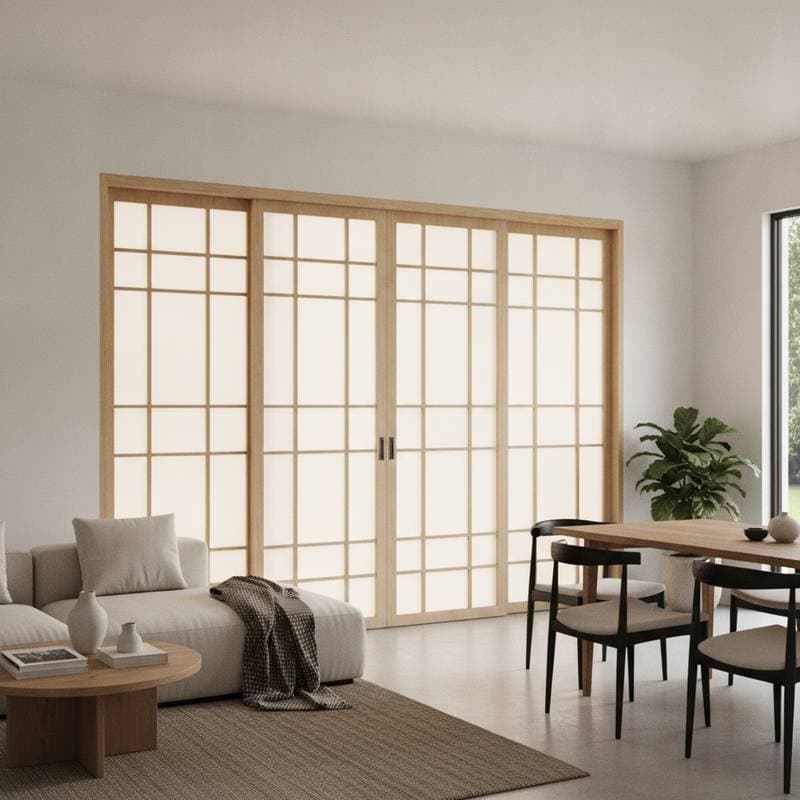
Homeowners today seek interiors that combine practicality with tranquility, and Japandi design exemplifies this trend. This style fuses Japanese minimalism, which emphasizes simplicity and natural imperfection, with Scandinavian principles of comfort and functionality. In entryways, Japandi shines through clean lines, warm wood elements, and deliberate details that establish a peaceful atmosphere from the moment one steps inside.
The entryway serves as the home's first impression, setting an overall tone of balance and invitation. By incorporating natural materials and restrained aesthetics, Japandi transforms this high-traffic zone into a functional yet soothing area. Homeowners benefit from spaces that reduce visual clutter while enhancing a sense of grounded warmth.
Understanding Japandi Style in the Entryway
Japandi draws from Japanese wabi-sabi, which appreciates asymmetry and the beauty of natural flaws, and Scandinavian hygge, which promotes coziness through light and utility. Together, these influences create entryways that feel authentic and serene. Neutral colors dominate, with warm wood providing subtle contrast and depth.
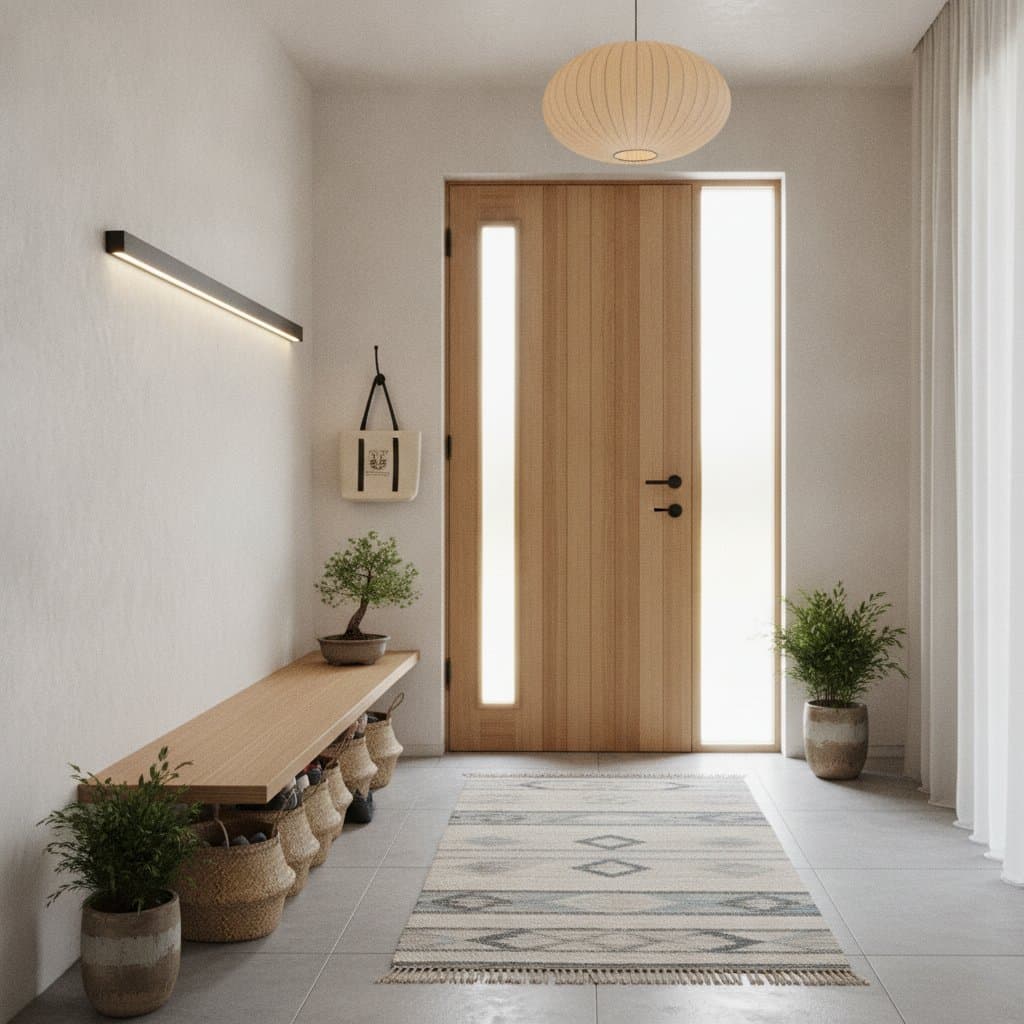
In practice, a Japandi entryway avoids excess decoration. Elements such as a simple console table or built-in shelving integrate seamlessly, supporting daily routines without overwhelming the space. This intentional design encourages a mindful entry ritual, easing the shift from outside to inside.
The Role of Warm Wood in Minimalist Design
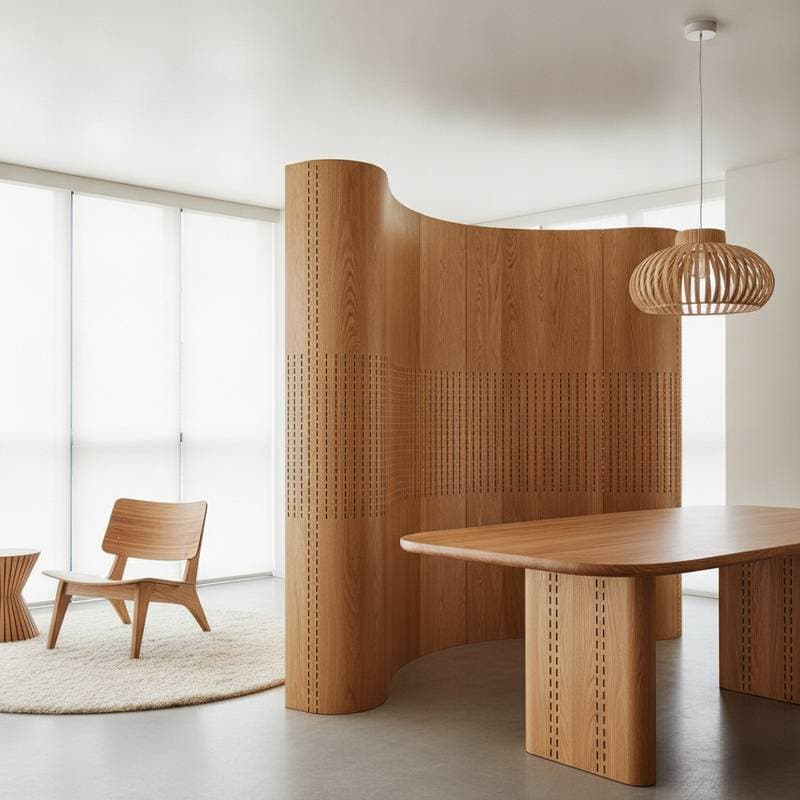
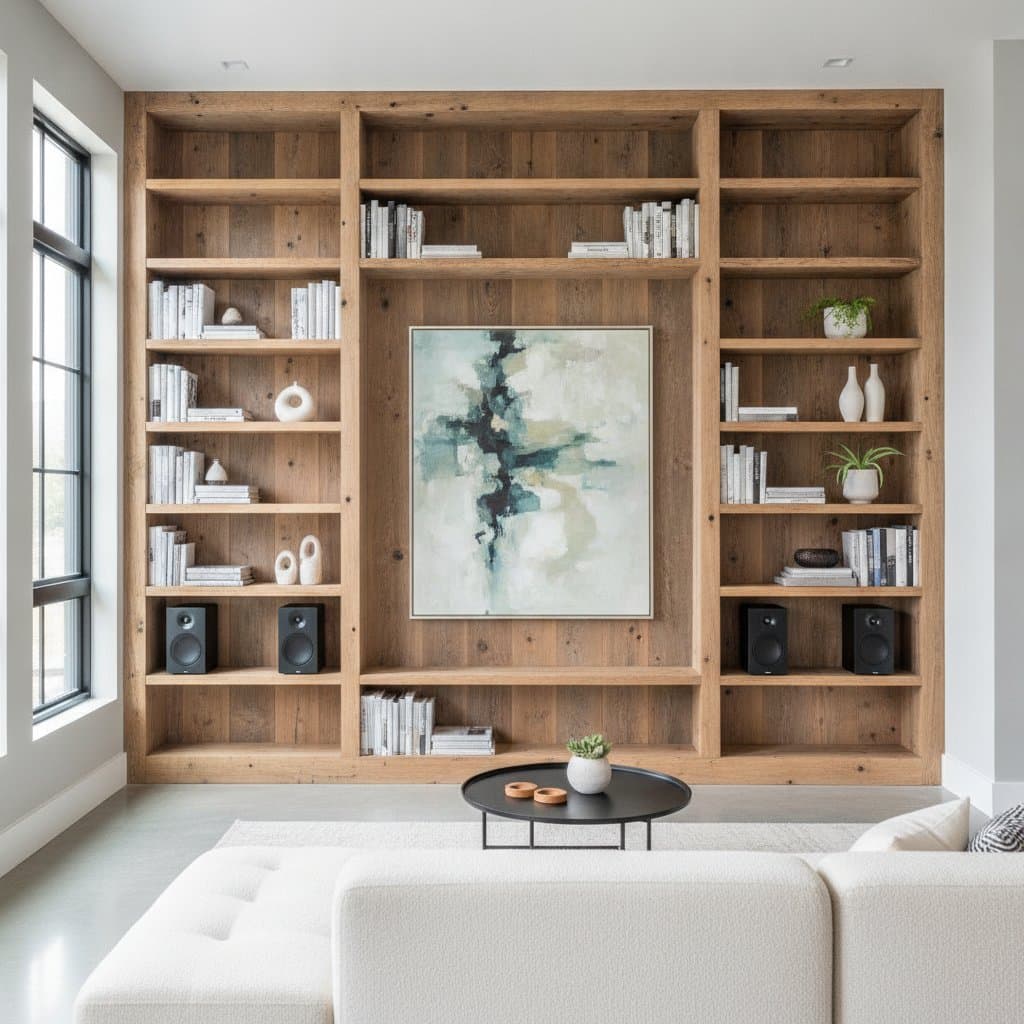
Wood anchors Japandi aesthetics by introducing organic warmth to otherwise sparse environments. In entryways with smooth walls and neutral floors, wood's grain and tone add vitality and tactile interest. Selecting finishes that highlight natural patterns ensures the space remains inviting rather than stark.
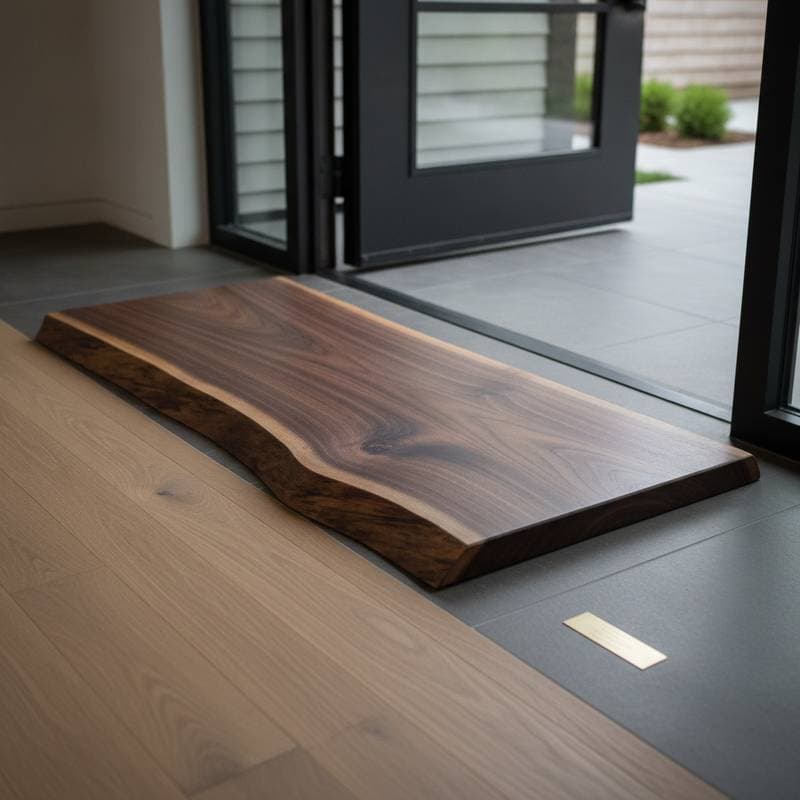
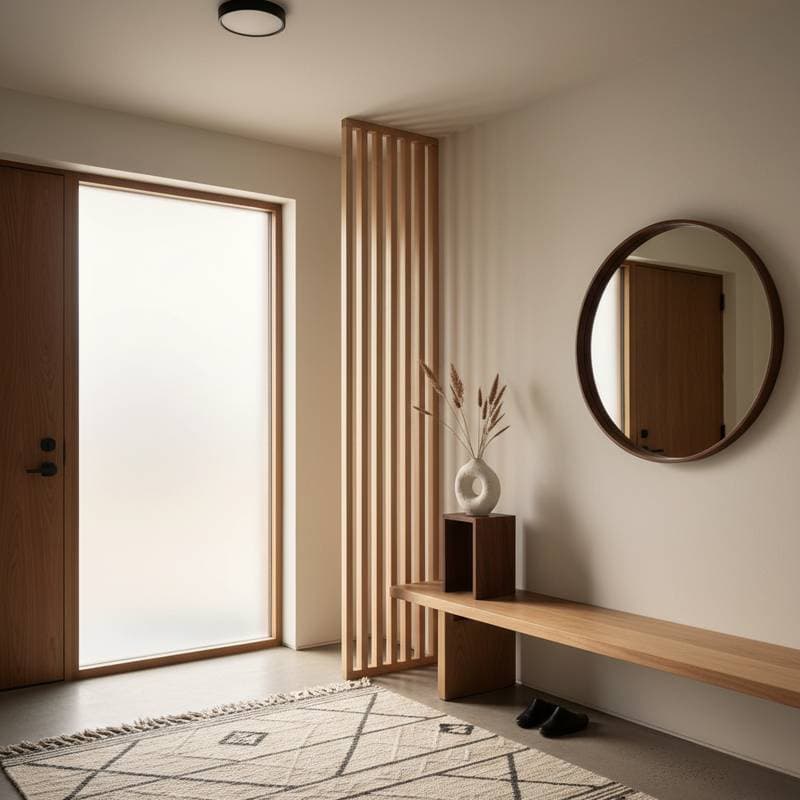
Options like oak offer versatility with its light-to-medium hues, while walnut provides a luxurious depth. Consistency across elements, such as matching the interior wood door to flooring, unifies the design. This approach not only enhances visual flow but also promotes longevity in a demanding area.
Comparing Wood Options for Japandi Entryways
| Wood Type | Tone | Texture | Maintenance | Best For |
|---|---|---|---|---|
| Oak | Light to medium | Prominent grain | Moderate | Bright, natural entryways |
| Walnut | Dark and rich | Smooth grain | Higher care | Sophisticated environments |
| Ash | Pale and subtle | Fine grain | Easy upkeep | Minimalist modern homes |
| Beech | Warm beige | Uniform texture | Moderate | Balanced neutral settings |
These selections age with grace, developing richer patinas that align with Japandi's appreciation for evolving beauty. Homeowners can test samples in the entryway's lighting to observe how tones shift throughout the day. This step ensures the wood complements the space's unique conditions.
Creating Balance with Minimalism
Restraint defines Japandi, focusing on essential pieces that allow the area to feel open. A wooden bench for seating, paired with a neutral-area rug, provides utility without crowding. The interior wood door acts as a centerpiece, its finish echoing other wooden accents for cohesion.
Neutral wall colors like soft white or taupe prevent the design from appearing monotonous. Introducing varied textures, such as a linen throw on the bench or a ceramic vase, adds subtle layers. These choices foster a calming environment that supports smooth daily transitions.
Practical Considerations for Homeowners
Entryways endure heavy use, including foot traffic and exposure to outdoor elements. Opt for wood finishes like polyurethane sealants to resist moisture and scratches while retaining a natural appearance. Testing durability in high-wear spots, such as near the door threshold, proves essential.
Lighting plays a key role in accentuating wood features. Ambient fixtures with warm bulbs (around 2700K) highlight grain details without harsh glare. Integrating dimmable options allows adjustment for evening arrivals, maintaining the serene mood.
Purposeful storage solutions, like under-bench drawers or wall-mounted hooks, conceal essentials neatly. These built-in wooden units preserve the minimalist lines while addressing practical needs. Measuring the space accurately before installation avoids disruptions to the flow.
The Process of Achieving a Japandi Entryway
- Assess the space: Measure dimensions and note traffic patterns or clutter hotspots to guide layout decisions.
- Select materials: Choose a unified wood tone and finish for doors, floors, and accents, considering compatibility with existing fixtures.
- Install core elements: Start with the interior wood door to establish the palette, then add flooring and storage.
- Incorporate details: Fit hardware like matte black hinges and test for smooth operation.
- Refine and accessorize: Introduce textiles and plants sparingly, ensuring they enhance rather than compete with the wood.
Following this sequence minimizes errors and streamlines the transformation. Consult samples under site-specific lighting for accurate previews.
Lifestyle and Maintenance Factors
Maintaining a Japandi entryway requires minimal effort to sustain its appeal. Dust wooden surfaces weekly with a soft cloth, and apply wood oil every six months to nourish the finish. Stable humidity levels, ideally 40-60 percent, prevent warping in natural woods.
This design promotes intentional living by streamlining routines. Removing shoes at the door and using designated storage cultivates habits of order. Over time, the space evolves into a restorative threshold, blending aesthetic pleasure with functional ease.
Tailoring Japandi to Your Home
Individual preferences shape the final look, with some favoring lighter woods for openness and others deeper tones for intimacy. Experiment with small changes, like swapping hardware finishes, to personalize without altering the core style. Japandi adapts flexibly, delivering enduring value through its timeless principles.
Ultimately, this approach elevates the entryway as a harmonious gateway, fostering daily calm and refined beauty.