Why Terracotta Outperforms Brass in Cost and Style for Hardware Upgrades
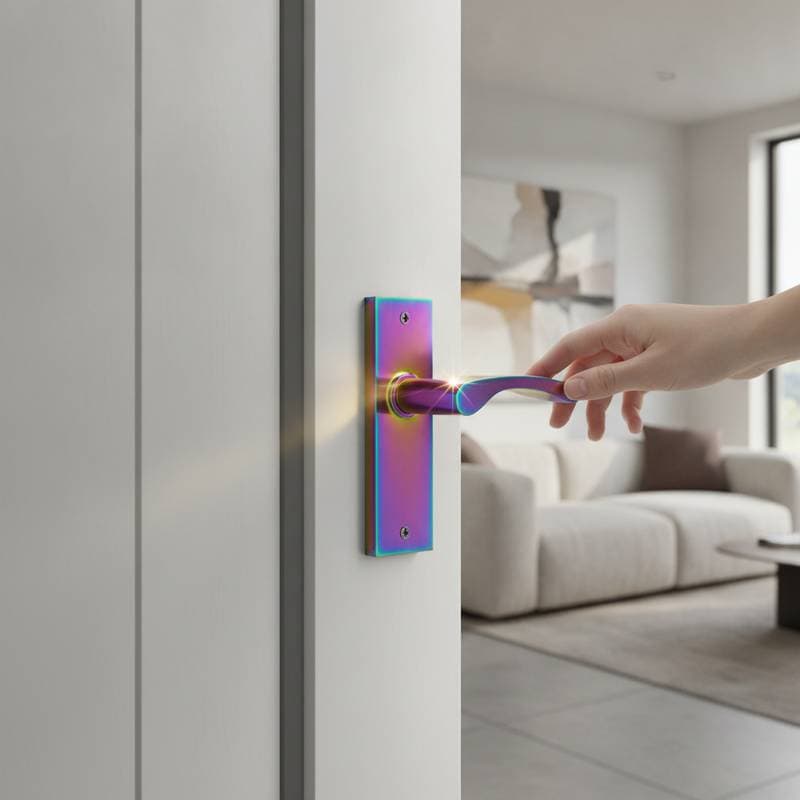
Homeowners seeking fresh interior updates often explore options beyond traditional metals for door and cabinet hardware. Terracotta, traditionally used in tiles and pottery, now emerges as a prominent choice in the hardware sector. As interest grows in natural textures and earthy color schemes, terracotta handles and knobs attract those budgeting around $200 for impactful elements. This examination reveals how this enduring ceramic material surpasses brass in contemporary home design.
Cost Comparison: Terracotta Versus Brass Hardware
Price stands out as an initial consideration when evaluating terracotta and brass hardware. Both qualify as premium selections, yet their pricing varies due to manufacturing processes, finishes, and labor demands.
| Material/Finish | Typical Cost Range (per handle) | Average Project Cost (10 handles) | Key Features |
|---|---|---|---|
| Terracotta | $15 to $25 | $150 to $250 | Handcrafted, natural color variation, matte finish |
| Brass | $20 to $30 | $200 to $300 | Polished or brushed finish, high shine, traditional look |
A complete kitchen or door refresh with terracotta hardware generally totals $180 to $260, influenced by design details and supplier. Brass incurs higher expenses from metal casting and plating steps. For individuals pursuing a refined yet inviting appearance, terracotta presents a more accessible starting point.
Factors Drawing Interest to Terracotta
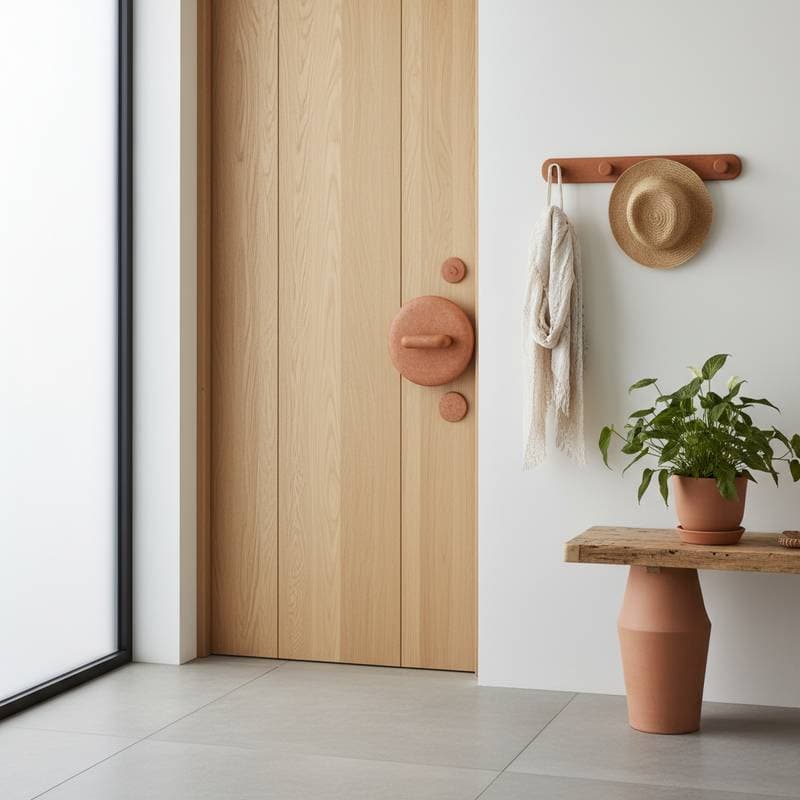
Terracotta hardware delivers more than visual appeal; it provides a sensory warmth unmatched by brass. Production involves molding and firing, which introduces subtle differences in shade and surface. Interior professionals value these organic variations as markers of skilled workmanship. The gentle matte exterior also avoids showing fingerprints, a frequent issue with glossy brass surfaces.
"Terracotta hardware brings a handcrafted authenticity that clients love," said Amanda Reyes, an interior designer based in Portland. "It complements wood doors and painted cabinets equally well, and it feels grounded rather than flashy."
Terracotta spans colors from deep terracotta red to soft beige. These shades integrate smoothly with popular schemes such as soft whites, sage greens, and subdued grays. Brass maintains elegance but may conflict with cooler hues or sparse furnishings.
Durability and Upkeep: A Side-by-Side View
Durability frequently guides hardware selections. Brass, as a metal alloy, withstands corrosion and endures for decades under routine maintenance. Terracotta, derived from ceramic, proves resilient yet susceptible to breakage. Proper placement in moderate-use settings like interior doors, cabinets, and ornamental pieces ensures reliable service.
| Feature | Terracotta | Brass |
|---|---|---|
| Durability | Moderate to high if sealed | Very high, naturally corrosion-resistant |
| Maintenance | Wipe with damp cloth, reseal every few years | Polish periodically to prevent tarnish |
| Finish Retention | Matte surface hides wear | Can develop patina if uncoated |
| Weight | Light to moderate | Heavier, may require reinforced screws |
Terracotta upkeep centers on periodic dusting and resealing to block moisture every few years. Brass demands regular polishing to sustain its luster, as oxidation occurs over time. In active homes or leased spaces, terracotta offers a simpler routine.
Design Versatility and Visual Appeal
Terracotta hardware adapts to diverse aesthetics, suiting rustic, Mediterranean, and organic modern environments. Unglazed or subtly glazed options yield a gentle, authentic vibe suitable for standard residences. Brass delivers a consistent, classic profile by comparison.
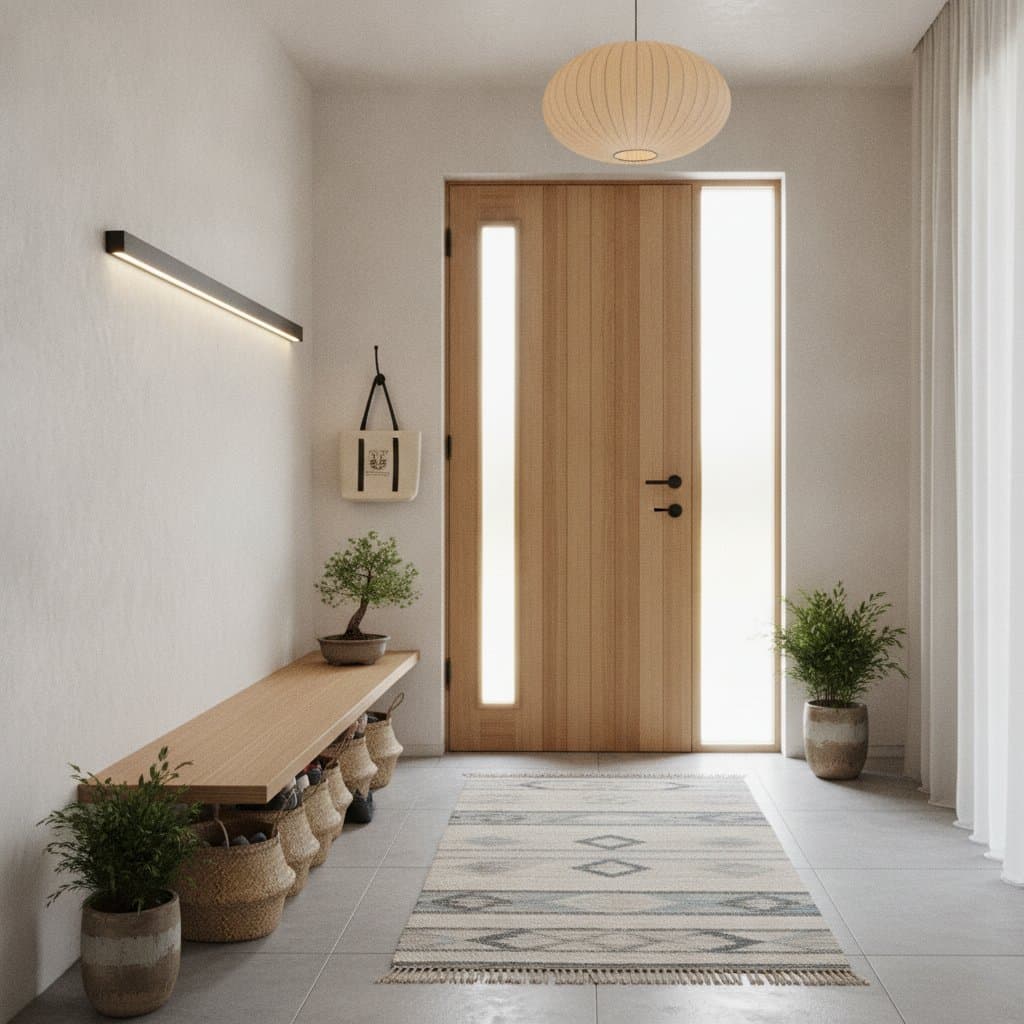
Within expansive floor plans, terracotta pulls and knobs unify wooden elements, stone counters, and neutral walls. They contrast effectively against white or dark cabinet fronts. For understated tint, glazed variants include light coral, muted pink, and neutral sands.
"Homeowners are looking for tactile materials that bring comfort," said Jacob Lin, a hardware manufacturer based in Austin. "Terracotta handles have that handmade quality that feels inviting. It is not just about shine anymore."
Sustainability Advantages of Terracotta
Sustainability boosts terracotta's popularity over brass. Crafted from abundant clay, often sourced nearby, terracotta fires at lower temperatures with reduced emissions. Metal production for brass relies on mining copper and zinc, processes that consume significant energy and involve plating chemicals.
Although recycled metals appear in some brass lines, terracotta maintains a lighter ecological impact. Environmentally conscious buyers select clay products for upgrades. Terracotta's durability and potential for reuse further its appeal; fragments can repurpose as garden fill or creative mediums.
Practical Installation Guidance
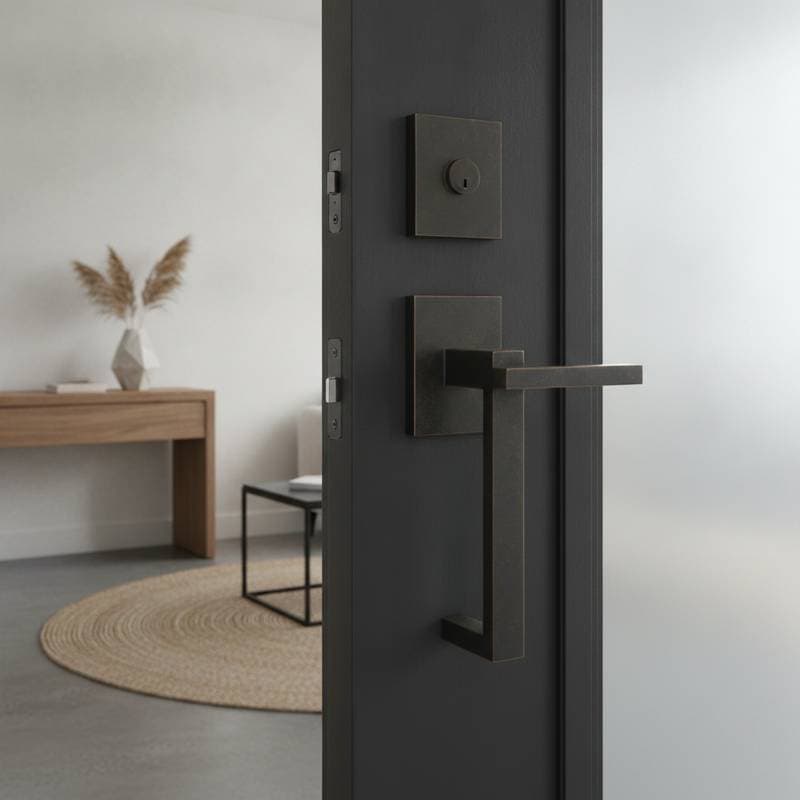
Terracotta hardware installation proceeds easily with caution. The ceramic composition risks chipping under excessive force, so experts recommend soft washers or manual tools over powered ones. Many designs incorporate brass or steel cores for added strength.
Brass installs with less fragility thanks to its flexibility. Homeowners manage terracotta swaps independently by monitoring torque and positioning. In busy zones, add washers or plates to mounting points for fracture prevention.
| Installation Type | Labor Cost Range | Notes |
|---|---|---|
| DIY Installation | $0 | Requires basic screwdriver and care during tightening |
| Professional Installation | $75 to $150 | Recommended for large sets or heavy doors |
| Replacement on Existing Doors | $40 to $80 | Lower cost if holes already align |
A standard terracotta set installation, covering supplies and effort, averages $200, aligning with brass mid-tier projects.
Current Trends Driving the Preference
Professionals note that emphasis on textured, natural substances alters hardware preferences. Traditional metals yield to ceramics, stones, and woods. Terracotta aligns perfectly, providing coziness without bulk.
Neutral tones and soft surfaces perform consistently in changing light. Brass may amplify spots or cause reflections. Terracotta scatters illumination for steady, serene spaces.
Renovators aiming for unified, earthy atmospheres select terracotta for kitchens, baths, or doors. It infuses character subtly.
Care Tips for Long-Lasting Terracotta
Simple practices preserve terracotta hardware's allure over time.
- Dust weekly with a microfiber cloth to avoid residue.
- Clean softly with mild soap and water when needed; skip harsh cleaners.
- Apply clear ceramic sealant every few years to maintain vibrancy and protection.
- Inspect screws regularly for tightness, avoiding excess force.
Plan Your Terracotta Upgrade
Consider terracotta for your next hardware refresh to blend affordability, style, and sustainability. Evaluate spaces for earthy accents that enhance warmth. Source quality pieces to achieve a professional finish within budget, transforming ordinary interiors into inviting havens.