Grounding Entryways: The Wellness Design Shift Toward Calm and Connection
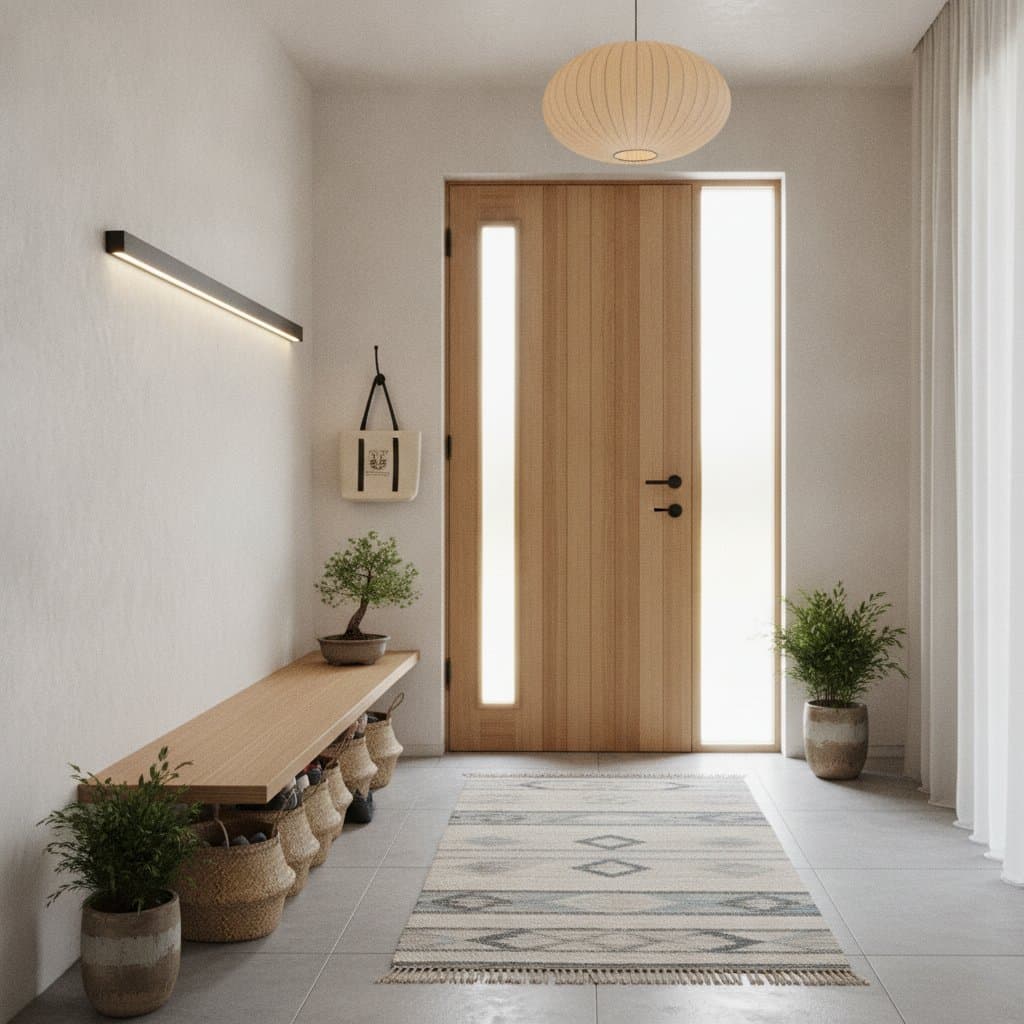
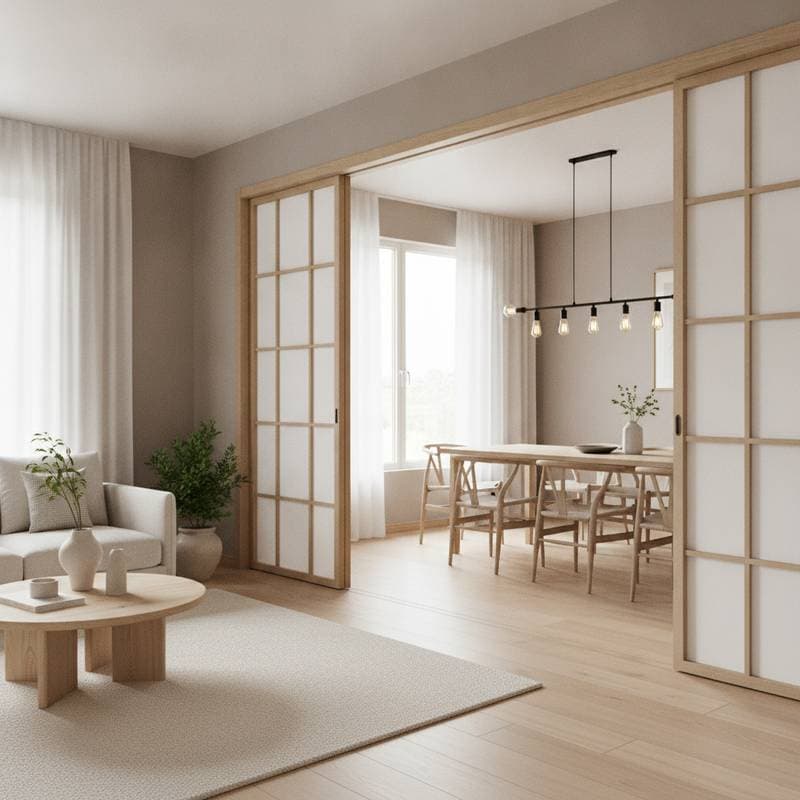
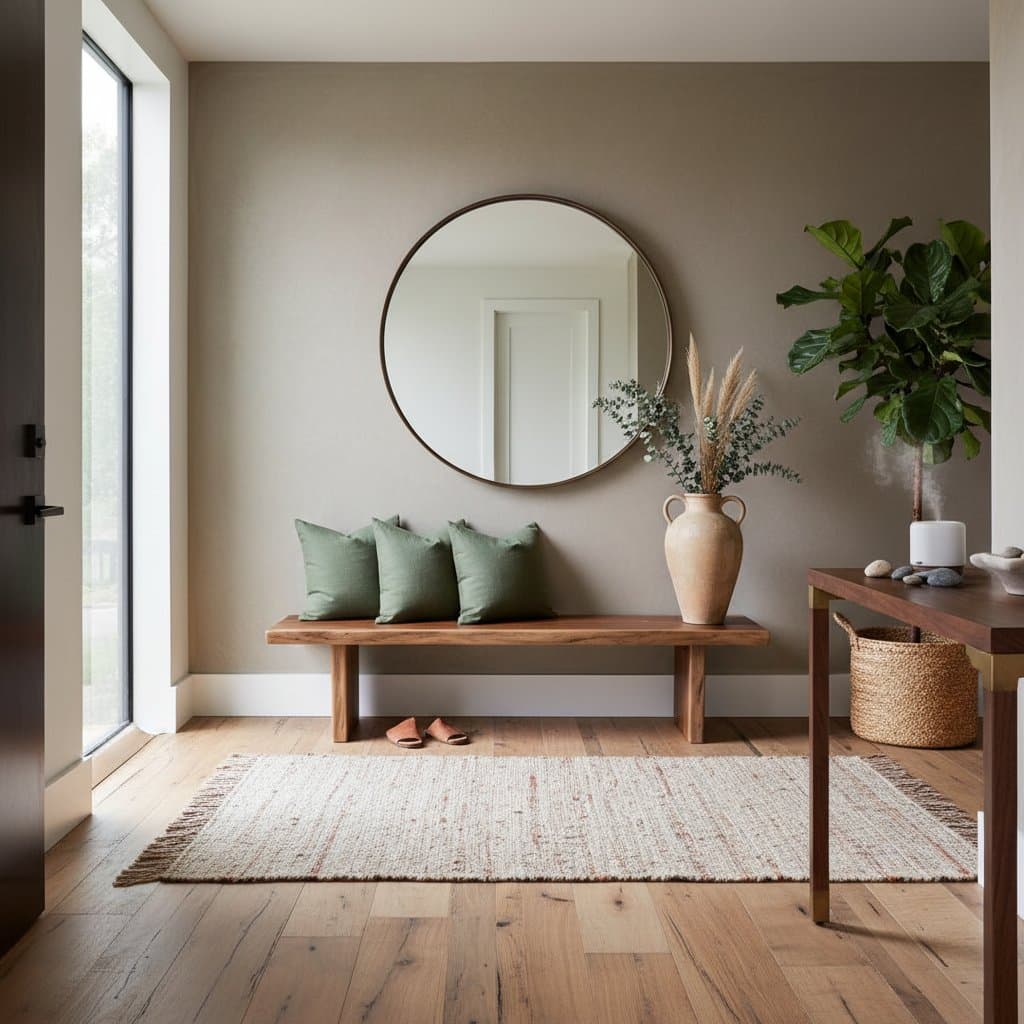
Grounding principles, once confined to personal wellness practices, now shape home interiors. Entryways emerge as key spaces for instilling immediate calm, equilibrium, and a sense of belonging upon arrival. These designs incorporate natural materials, gentle textures, and subdued earthy colors to form a serene transition zone that bolsters physical comfort and mental repose. This approach unites wellness strategies with functional aesthetics, providing homeowners with an inviting area that restores while serving daily needs.
Three Ways to Achieve This Design
Budget-Friendly Approach ($2,000 - $4,000)
- Material selections: Select composite or stained fiberglass doors featuring realistic wood-grain textures. Incorporate a jute or sisal rug and strategically placed potted ferns or succulents to introduce organic elements.
- Cost-effective methods: Retain current door frames and refinish them in soft beige or taupe shades. Apply peel-and-stick tiles mimicking natural stone or install luxury vinyl planks for a stable, grounded floor surface.
- Strategic investments: Enhance with matte black or brushed bronze hardware, such as lever handles and pivot hinges, to add subtle contrast and sensory interest.
Mid-Range Approach ($5,000 - $8,000)
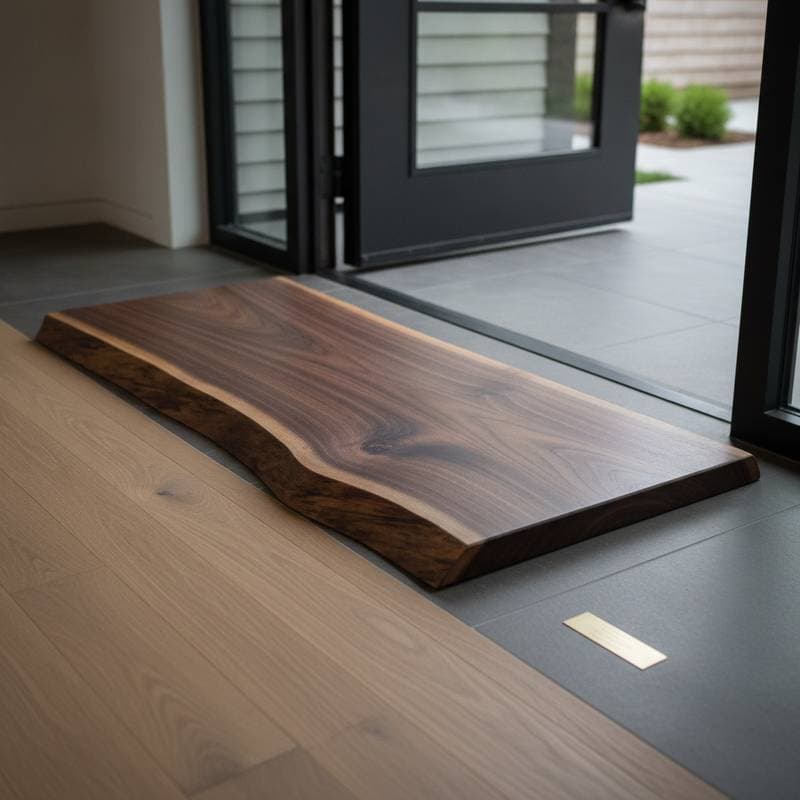
- Thoughtful material choices: Install a solid wood door in oak or walnut, finished with a clear polyurethane coat for protection. Swap outdated windows for double-pane models with wooden interiors and aluminum exteriors to ensure longevity.
- Efficiency enhancements: Opt for low-E glass panels that maximize daylight while providing superior thermal insulation against drafts.
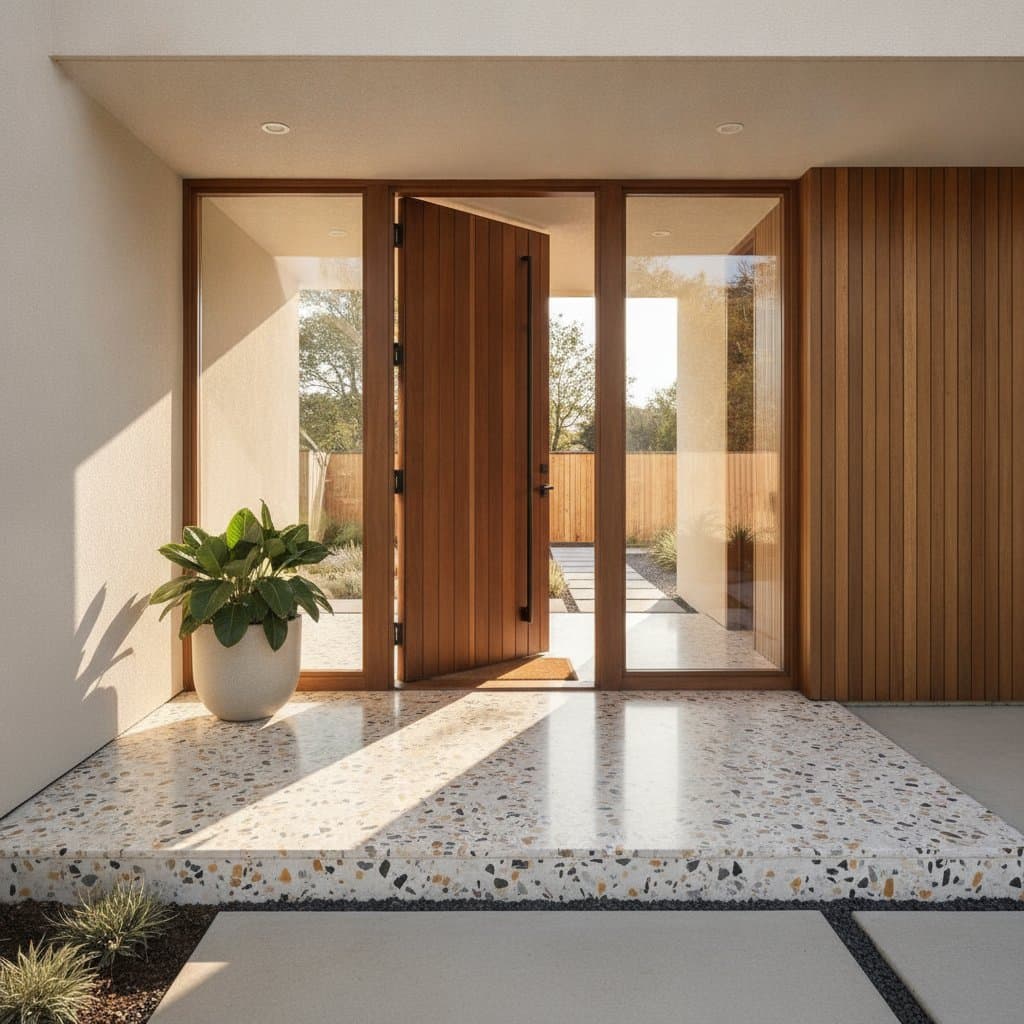
- Key design additions: Extend a natural stone pathway or porcelain tile from the exterior porch inward, harmonizing color palettes across the entry transition.
Premium Approach ($9,000 - $15,000)
- Luxury material options: Commission custom wood doors with sidelight integrations and antique brass accents. Lay authentic slate or limestone flooring that flows seamlessly from the porch into the interior foyer.
- Refined details: Incorporate reclaimed wood beams, bespoke cabinetry, or a sculptural pivot door crafted from sustainable hardwoods.
- Enduring benefits: Such selections develop a patina over time, demand infrequent repairs, and boost resale value through their authentic, nature-inspired durability.
Material and Finish Guide
- Windows: Select casement or fixed-frame windows with interiors in warm honey oak or rich espresso tones. Pair with brushed nickel or oil-rubbed bronze hardware to align with the natural scheme. Built-in cellular shades offer discreet light control without disrupting the clean lines.
- Doors: Prioritize solid wood or fiberglass alternatives with pronounced vertical grain for visual stability. Finishes such as weathered driftwood gray, inviting chestnut brown, or profound espresso create a soothing ambiance. Textured glass panels, frosted or seeded, diffuse light gently while preserving seclusion.
- Siding: Employ horizontal lap siding or board-and-batten styles in restrained hues like terracotta clay, muted sage green, or warm sand. Fiber-cement products deliver wood's charm with enhanced resistance to weathering and pests.
- Trim and accents: Apply broad trim profiles in creamy off-white or neutral taupe to outline doors and windows crisply. Integrate copper rain gutters or matte black sconces to unify the composition.
Maintenance Considerations
Designs emphasizing organic elements and raw textures demand proactive upkeep to preserve their appeal. Reseal wood doors biennially to shield against UV exposure and humidity fluctuations. Seal stone or slate surfaces annually to ward off spills and etching. Composite siding benefits from quarterly rinses with mild soap solutions to sustain its fresh appearance. For those preferring authenticity with reduced effort, explore engineered composites or premium vinyl that replicate wood's tactility minus the intensive care routine. Consistent wiping of glass and polishing of fixtures ensures the entry remains crisp and hospitable.
Common Pitfalls to Avoid
- Excessive material variety: Layering multiple patterns or shades risks overwhelming the space, undermining its serene intent. Limit to three core materials and a single complementary finish for cohesion.
- Neglecting regional climate: Exposed wood in high-humidity areas invites swelling and decay. Always verify material specifications match local conditions, such as marine-grade sealants for coastal zones.
- Overlooking illumination: Stark overhead lights can disrupt the peaceful mood. Install layered options, including recessed cans and adjustable wall fixtures, to modulate warmth and intensity.
Color and Style Coordination
An earth-toned palette anchors the entry both visually and psychologically, evoking stability and tranquility. Draw from natural inspirations to foster seamless indoor-outdoor flow.
Curated color selections:
- Warm Clay – Serves as a grounded base for siding panels or door surfaces.
- Soft Moss Green – Suits trim elements or exterior accents like planters.
- Stone Gray – Provides a versatile neutral for pathways and floor tiles.
- Natural White – Offers subtle brightness for window casings and railings.
- Bronze or Copper – Introduces understated metallic warmth in fixtures and pulls.
These choices weave unity between the home's facade and surrounding landscape, guiding the gaze smoothly from approach to interior.
Planning and Visualization Checklist
Prior to finalizing selections, photograph the existing entry from varied angles to assess scale, harmony, and light dynamics.
Preparation steps:
- Photograph the entryway from street-level, pathway approach, and indoor vantage points.
- Catalog prominent architectural features, like gabled roofs or columned porches, to maintain stylistic integrity.
- Consult local community standards or homeowners association rules for alignment.
- Track daily sunlight patterns to anticipate glare or shadow effects on chosen finishes.
- Define core goals, such as prioritizing insulation, enhancing street presence, or minimizing ongoing care.
Realizing the Grounded Entryway Vision
Grounding entryways embed wellness into everyday routines via deliberate selections that soothe the senses and link the home to its environment. Blending tactile textures, robust materials, and equilibrated hues establishes an immediate aura of renewal. From subtle enhancements to comprehensive overhauls, success hinges on precise integration and genuine choices. Beyond mere greetings, these spaces root the residence in poise, equilibrium, and timeless elegance.