The Rise of Zellige: Why It's Replacing Marble in Entryway Designs
Polished marble has long defined elegant entryways, yet a shift toward textured, handcrafted alternatives is underway. Zellige tiles, originating from Morocco, bring a sense of warmth and irregularity that marble simply cannot match. This trend reflects a broader desire for authentic, story-driven interiors that feel personal rather than predictable. With installations averaging $8,000 for a standard entryway, Zellige combines visual depth with practical benefits, making it a smart choice for homeowners seeking lasting impact.
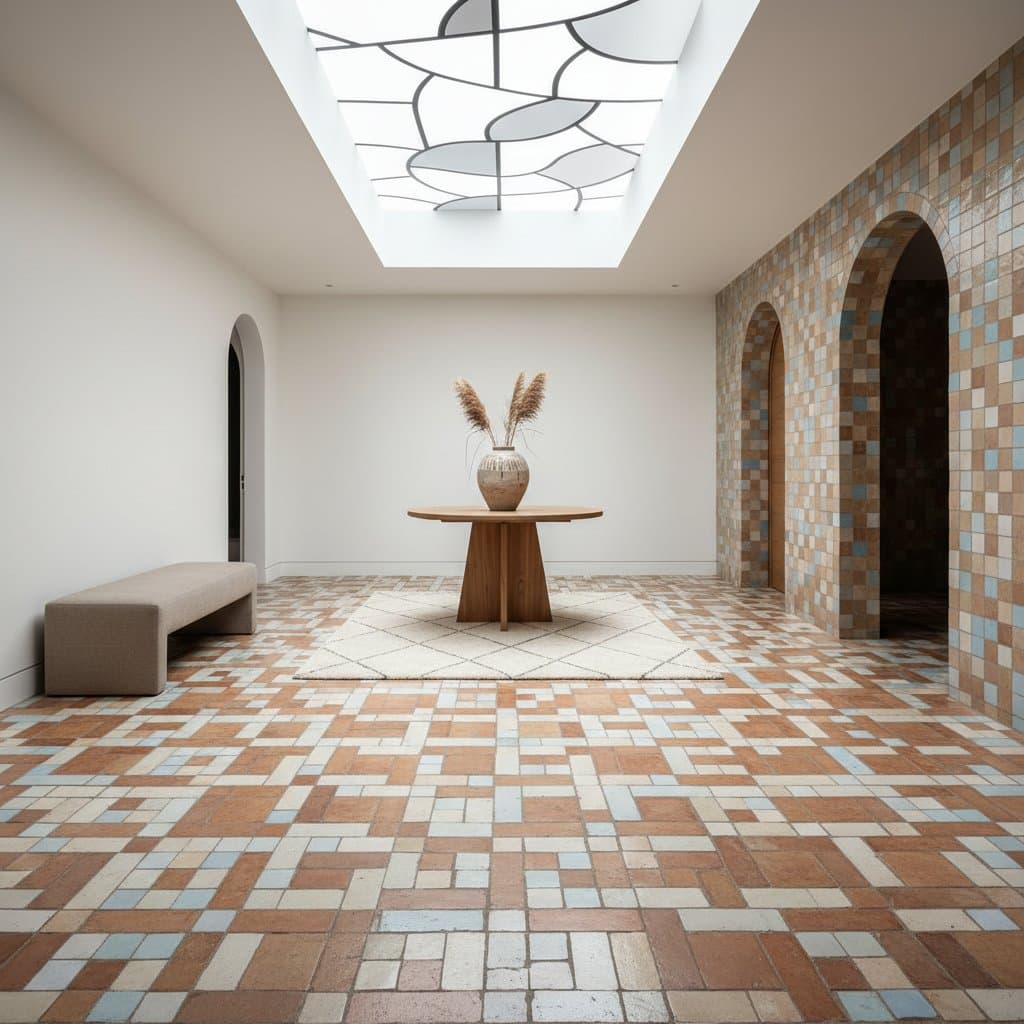
Consider the transformation: marble's cool, uniform sheen gives way to Zellige's glossy, hand-glazed clay tiles, each slightly unique in shape and color. This evolution suits modern tastes that value craftsmanship over mass production. If you envision refreshing your foyer, understanding Zellige's advantages over marble will guide your decisions effectively.
Breaking Down Costs for Zellige Entryway Installations
Budgeting for a Zellige project requires attention to multiple components, as expenses fluctuate based on scale and specifics. Materials alone range widely due to the artisanal nature of the tiles, while labor demands skilled hands to handle their imperfections. The following table provides a clear overview of typical costs for a 150-square-foot entryway, helping you anticipate your investment.
| Material/Service | Cost Range | Key Features |
|---|---|---|
| Zellige Tiles (materials) | $12 to $40 per sq. ft. | Hand-pressed clay with glossy, irregular glazes; natural color variations for depth |
| Installation Labor | $10 to $25 per sq. ft. | Precision alignment for uneven edges; custom grouting to highlight texture |
| Subfloor Preparation and Waterproofing | $2 to $6 per sq. ft. | Leveling and sealing to support tile stability in moisture-prone areas |
| Total Project (150 sq. ft.) | $6,000 to $9,500 | Encompasses tiles, labor, adhesives, grout, and final sealants |
In comparison, marble projects for the same area often total $7,000 to $12,000, driven by quarried stone and polishing. Zellige stands out for its lower long-term costs and the irreplaceable artisanal texture that elevates everyday spaces into focal points.
Key Variables Affecting Your Zellige Budget
Several elements can adjust the final price of your entryway upgrade, allowing for customization without surprises. By evaluating these upfront, you position yourself for a smoother process and results aligned with your vision.
-
Tile Dimensions and Arrangement: Opt for 2-inch squares to amplify intricate patterns, though this extends labor by up to 20 percent due to additional cuts and fittings. Larger 4-inch tiles streamline installation but may elevate material prices for premium glazes.
-
Glaze and Hue Choices: Standard whites or earth tones keep costs baseline, while bespoke shades like terracotta red or midnight blue add 15 to 25 percent through specialized firing processes. Test samples in your lighting to ensure harmony with surrounding elements.
-
Existing Floor Conditions: In homes built before 1980, subfloors might require reinforcement, tacking on $300 to $800. Inspect for levelness and cracks early to avoid mid-project escalations.
-
Design Intricacy: Simple grid layouts minimize expenses, but ventures into chevron or radial motifs demand extra time for precise edging, potentially increasing labor by 30 percent. Sketch your preferred pattern to discuss feasibility with installers.
-
Installer Specialization: Seek professionals versed in traditional Moroccan techniques, as Zellige's freeform edges resist standard tools. Their expertise prevents common pitfalls like uneven settling, justifying rates 10 to 15 percent above general tiling.
Exploring Zellige's Design Potential
Zellige transcends basic flooring, inviting creative applications that infuse entryways with character. Its modular nature supports bold experimentation, from full-floor coverage to subtle accents, always harmonizing with broader home aesthetics.
Homeowners increasingly select vibrant palettes to counter neutral walls, such as pairing emerald greens with oak trim for a nature-inspired threshold. This material's light play—catching and refracting in grout shadows—adds dynamism without overwhelming the space.
Consider these proven strategies to integrate Zellige seamlessly:
-
Subtle Monochromatic Schemes: Layer shades of a single color, like soft grays, to build depth through subtle tonal shifts and grout contrasts.
-
Framing with Contrasts: Outline the entryway with a border of deeper hues against lighter centers, drawing the eye and defining the area's boundaries.
-
Geometric Fusion: Alternate tile shapes for asymmetrical patterns that evoke historic riads, blending squares with hexagons for modern flair.
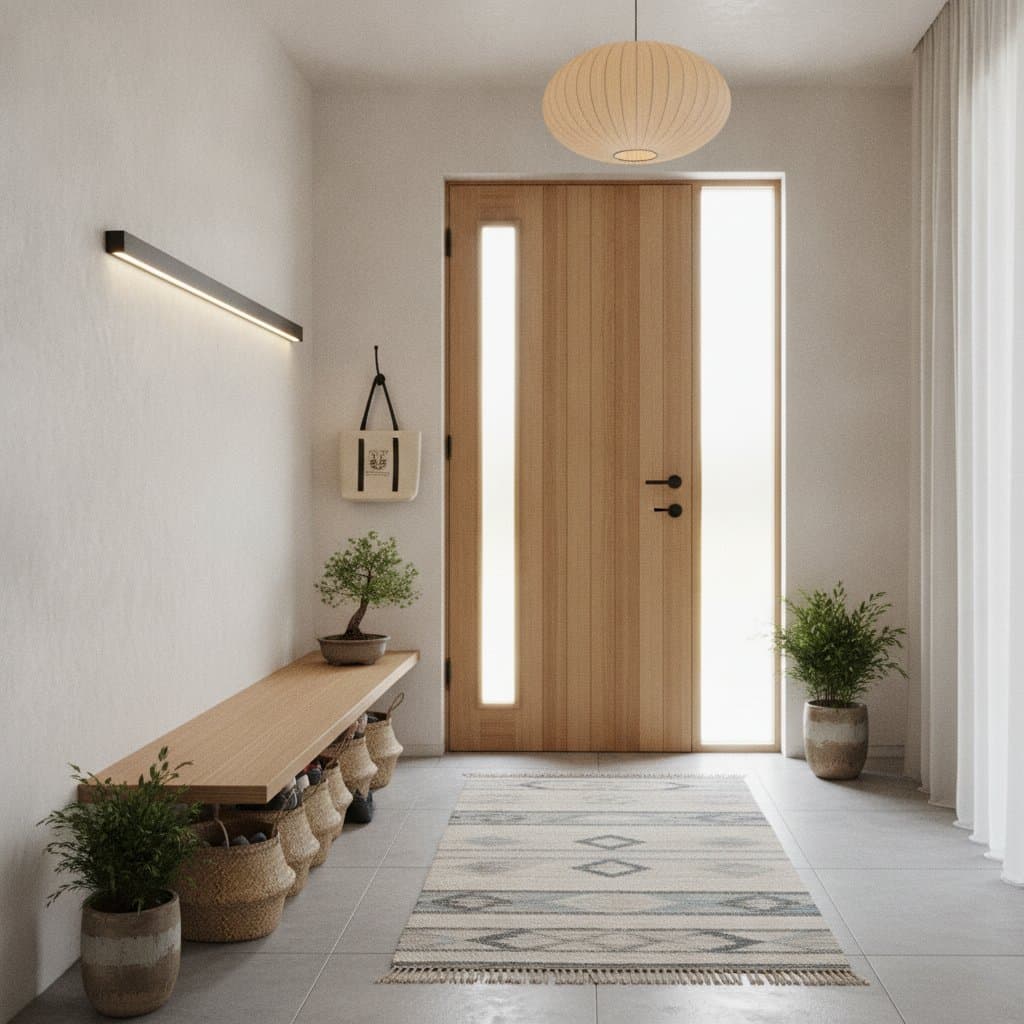
Pairing Zellige with complementary features, such as beveled wood doors or linen runners, grounds the design in warmth and invites tactile exploration upon arrival.
Ensuring Zellige's Durability Through Care
Built to withstand foot traffic, Zellige tiles feature a robust clay body sealed with vitreous glazes that resist stains and fading. Daily maintenance involves gentle sweeping to clear debris from joints, followed by damp mopping with pH-neutral solutions to preserve shine.
Every two to three years, apply a penetrating sealant to bolster moisture barriers, particularly near exterior doors. This routine, taking under an hour annually, contrasts with marble's vulnerability to etching from acidic spills, often necessitating professional refinishing.
Should damage occur—a rare event in well-installed floors—individual tiles lift out for replacement, minimizing disruption. This modularity extends Zellige's lifespan beyond 50 years, offering superior value over marble's prone-to-cracking slabs.
Steps to Install Zellige in Your Entryway
Embarking on a Zellige project starts with sourcing authentic materials from reputable importers to guarantee quality. Compile mood boards showcasing your color and pattern ideas, then consult local specialists who have completed similar Moroccan-inspired works.
Obtain at least three detailed quotes, specifying inclusions like waste factors for cuts and warranty terms. Allocate $8,000 as a baseline for a 150-square-foot area, with a 10 to 15 percent buffer for unforeseen adjustments.
During installation, monitor progress to ensure tiles align with your sketches, allowing 48 to 72 hours for curing before use. The result: an entryway that not only captivates but also appreciates over time, enhancing your home's curb appeal and interior narrative with enduring Moroccan elegance.