Elevating Interiors: The $800 Blackened Steel Upgrade for Luxury Doors
Homeowners increasingly seek finishes that balance sophistication with practicality. The blackened steel upgrade, typically costing around $800 for integration into premium door hardware or trim, stands out as a prime example. This treatment embodies subtle luxury by fusing metal's inherent strength with a warm, nuanced appearance. Its popularity stems from visual allure, robust performance, and adaptability to diverse interior aesthetics.
Understanding Blackened Steel Finishes
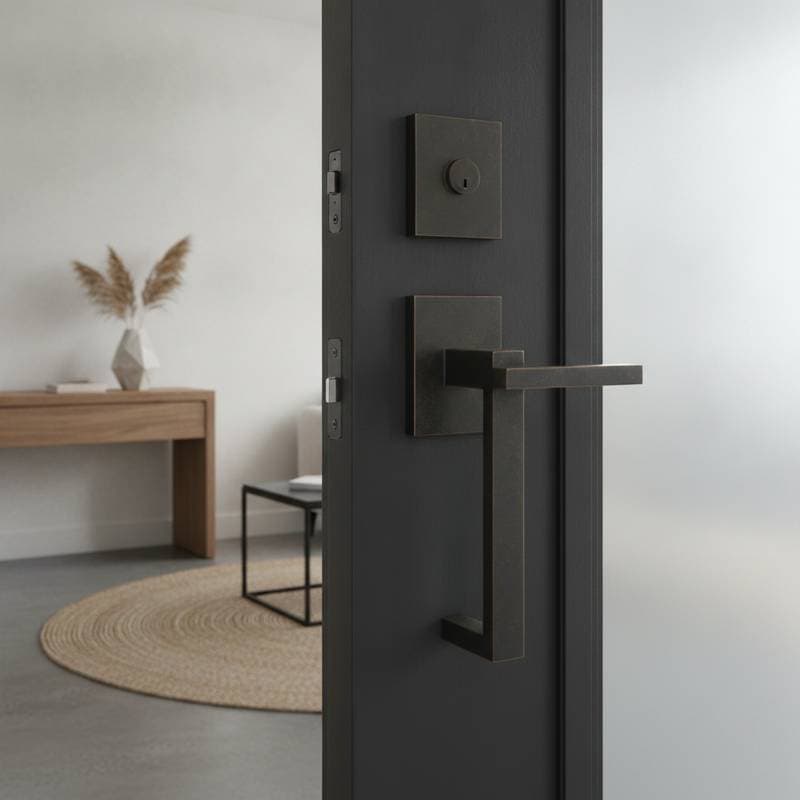
Blackened steel achieves its distinctive look through a precise oxidation process or chemical application, rather than simple painting or coating. This method darkens the metal surface while preserving its organic texture and subtle grain. The outcome is a profound, ebony hue with natural variations that shift under varying light conditions, evoking genuine craftsmanship suitable for minimalist contemporary spaces or textured rustic environments.
Unlike standard matte black paints, which often appear uniform and flat, blackened steel retains the metal's underlying character. Designers value this individuality, as no two pieces match exactly. Individuals who prefer organic elements discover strong synergy with materials such as oak paneling, marble accents, or frosted glass panels, creating cohesive and layered interiors.
Assessing the True Value
A $800 investment in this finish might initially seem substantial, yet its benefits extend far beyond aesthetics. Blackened steel components, including handles, hinges, and edge trims, demonstrate exceptional endurance. In contrast to painted surfaces prone to chipping or discoloration, this finish develops an enhancing patina over years, fostering an authentic, evolving elegance.
Practical advantages further justify the cost. Steel elements endure repeated operation without deformation or detachment. For doors in high-use areas like entryways or bedrooms, such reliability minimizes disruptions. Compared to alternatives like polished brass or lightweight aluminum, blackened steel reduces the need for replacements and cosmetic repairs, often proving more economical over a decade.
Comparing Door Hardware Options
| Option | Initial Cost | Lifespan | Maintenance | Best For |
|---|---|---|---|---|
| Blackened Steel | Around $800 | 25+ years | Light cleaning with oil or wax | Luxury interiors, high-traffic areas |
| Brushed Nickel | $400–$600 | 15–20 years | Occasional polishing | Contemporary or transitional homes |
| Brass | $500–$700 | 20+ years | Regular polishing to prevent tarnish | Classic or traditional interiors |
| Painted Black | $350–$500 | 10–15 years | Touch-ups as paint wears | Budget-conscious updates |
Blackened steel demands a higher upfront expense but excels in longevity and ease of care, positioning it as a smart selection for those balancing style, strength, and upkeep. This comparison underscores its advantages in scenarios emphasizing sustained performance and minimal intervention.
The Installation Process for Blackened Steel Upgrades
-
Planning and Evaluation
Verify compatibility with current door frames and existing hardware. Heavier steel pieces may necessitate upgraded hinges rated for at least 100 pounds or reinforced strike plates to handle increased torque. -
Preparation Steps
Conduct precise measurements of door dimensions and mounting points. Professionals often employ laser-guided templates or CAD software to guarantee flawless fit, avoiding costly adjustments later. -
Main Installation
Secure components using non-abrasive, corrosion-resistant fasteners like stainless steel screws. Technicians handle pieces with soft cloths to prevent surface scratches that could compromise the patina. -
Quality Assurance
Test all mechanisms for fluid movement and secure latching. Adjust door swing and tension as needed to distribute wear evenly and prevent premature fatigue. -
Completion and Follow-up
Apply a thin layer of protective oil post-installation to lock in the finish. Recommend quarterly applications of beeswax or linseed oil to sustain the luster and ward off oxidation.
Integrating Blackened Steel into Design and Daily Life
This finish adapts seamlessly to multiple stylistic contexts. In sleek modern settings, it provides striking contrast against neutral tones or light-grained woods. Within industrial or farmhouse-inspired rooms, it amplifies exposed beams and raw textures. Its versatile, mid-tone darkness harmonizes with earthy terracottas or crisp blues during future updates.
On a practical level, blackened steel aligns with effortless living. The subtle texture repels smudges more effectively than glossy alternatives, simplifying routine care. Families with active lifestyles benefit from its resilience against scuffs from hands or paws, combining form with unassuming functionality.
Key Factors in Selecting Blackened Steel
Determine suitability by examining usage patterns and durability priorities for your doors. High-frequency access, such as in home offices or kitchens, amplifies the upgrade's advantages. Next, review your room's palette and textures; sample swatches under ambient lighting to confirm tonal balance with cabinetry or flooring.
Budget alignment plays a role too. Calculate total project costs, including labor at $200–$400 per door, to assess overall feasibility. Consult catalogs from reputable suppliers for exact specifications matching your vision.
Steps to Prepare for Professional Installation
Engage certified installers experienced in metal finishes to safeguard quality. Review care protocols in advance, such as avoiding harsh cleaners, and inquire about guarantees covering defects for 10–15 years. Schedule a site visit to address any custom modifications early.
Achieving Enduring Excellence with Blackened Steel
Opting for blackened steel transcends mere decoration; it commits to elements that mature beautifully, function dependably, and elevate everyday home interactions. This choice invests in a refined atmosphere that withstands time and trends, delivering consistent satisfaction through superior craftsmanship.