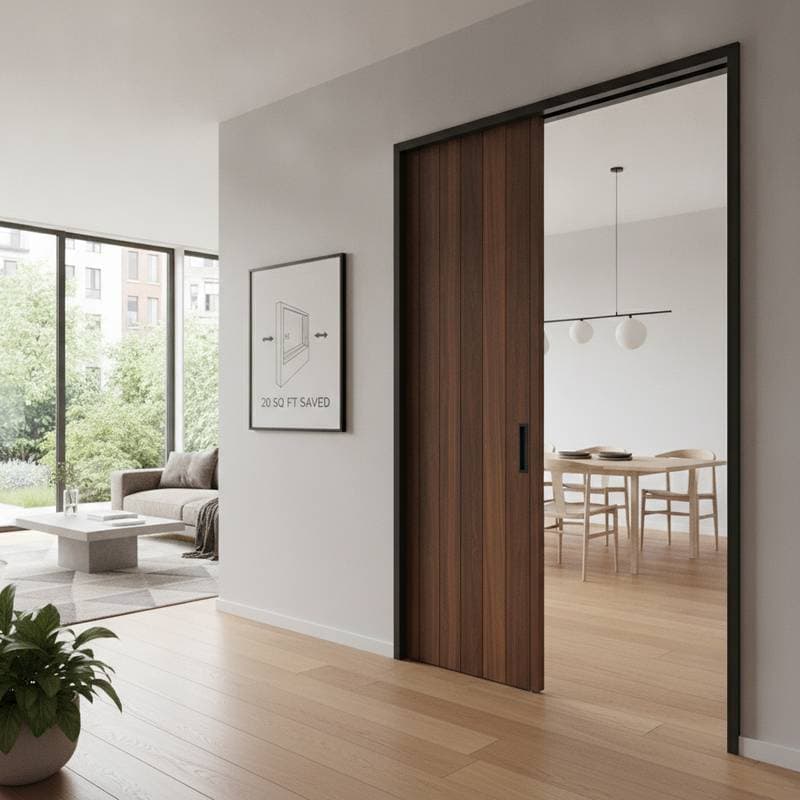
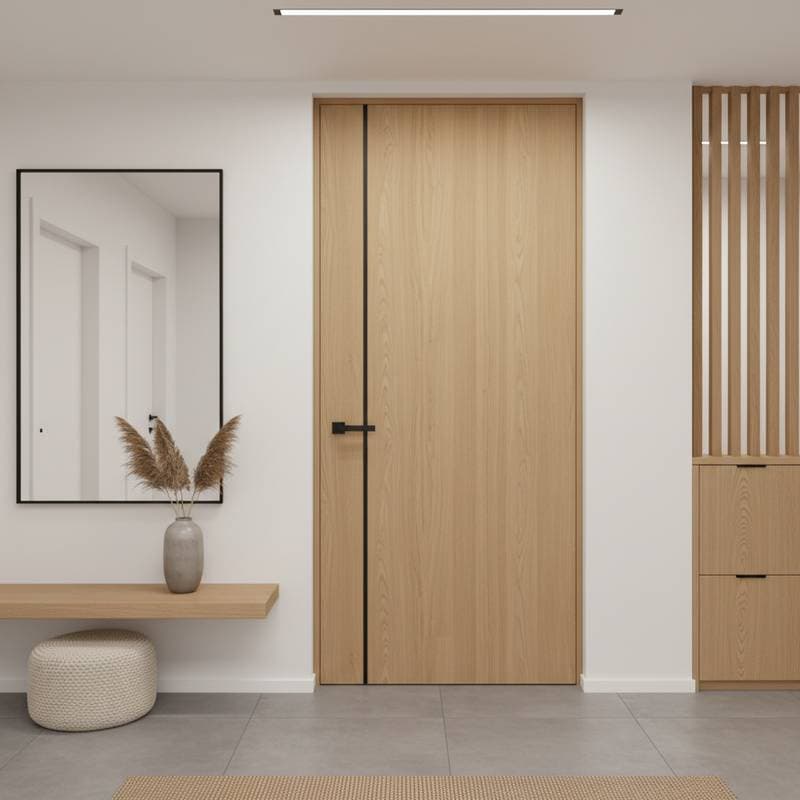
Minimalist Wood: The Heart of Japandi Entryways
Japandi design shapes contemporary exteriors through its serene simplicity and emphasis on natural elements. The entryway serves as the initial point of contact for any home, embodying the harmony between Scandinavian minimalism and Japanese coziness. At the core of this style lies minimalist wood, which delivers visual equilibrium, tactile interest, and practical utility.
This approach draws from the understated elegance of straight lines combined with organic textures. Rather than elaborate decorations, Japandi entryways emphasize flat wood surfaces, faint grain patterns, and subdued neutral shades. Such elements establish a stable atmosphere of invitation, while honoring skilled workmanship and environmentally responsible practices.
Achieving the Japandi Look: Three Budget Levels
Budget-Friendly Option ($2,000 - $4,000)
Engineered wood doors finished with light oak or ash veneer provide an accessible entry into this style. Pair these with fiber cement siding that imitates wood grain, offering authentic appearance at reduced expense. Allocate funds for a premium matte black handle set to introduce subtle contrast and elevate the overall refinement.
Mid-Range Option ($4,000 - $7,000)
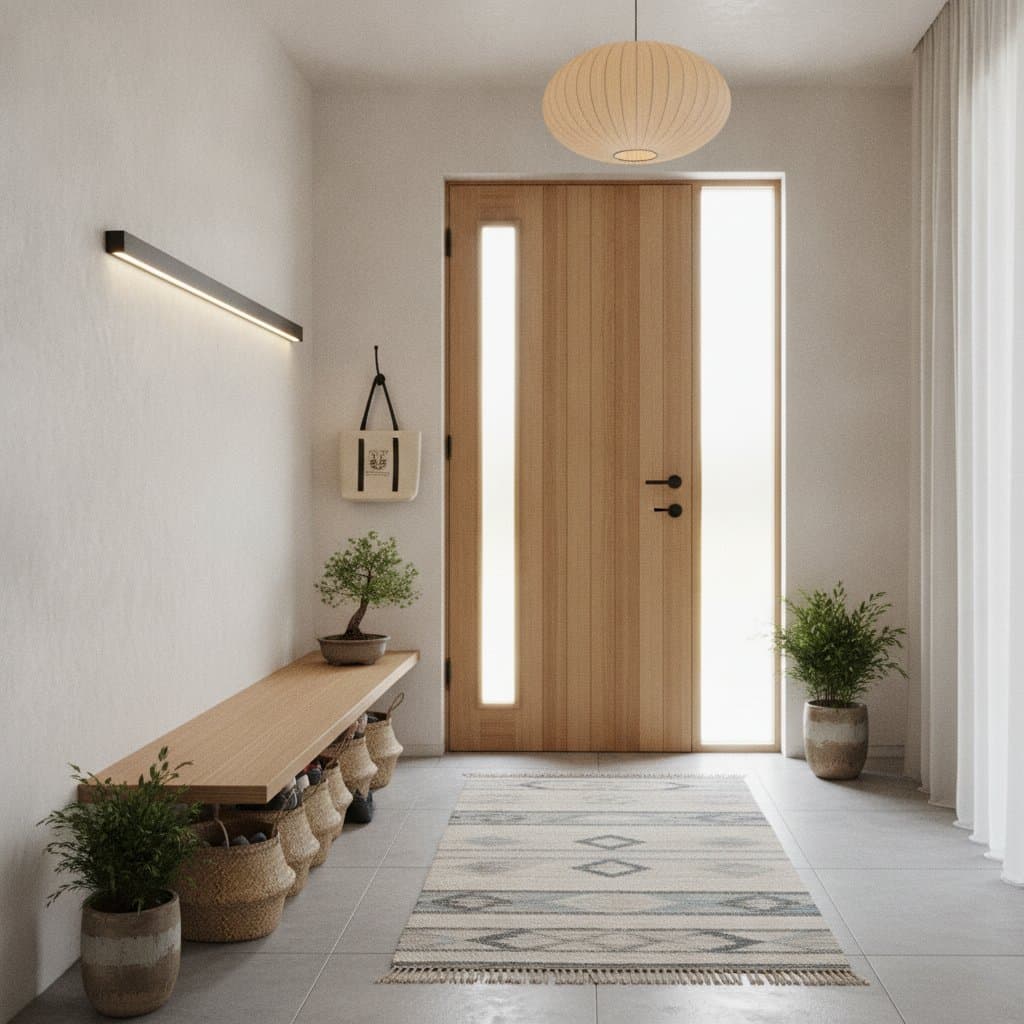
Solid wood doors crafted from white oak or birch, sealed with a clear satin finish, form a durable foundation. Incorporate horizontal cedar siding along the porch wall to infuse additional warmth and texture. Install narrow vertical windows adjacent to the door, allowing natural light to enhance the space's inviting quality.
Premium Investment ($7,000 - $12,000)
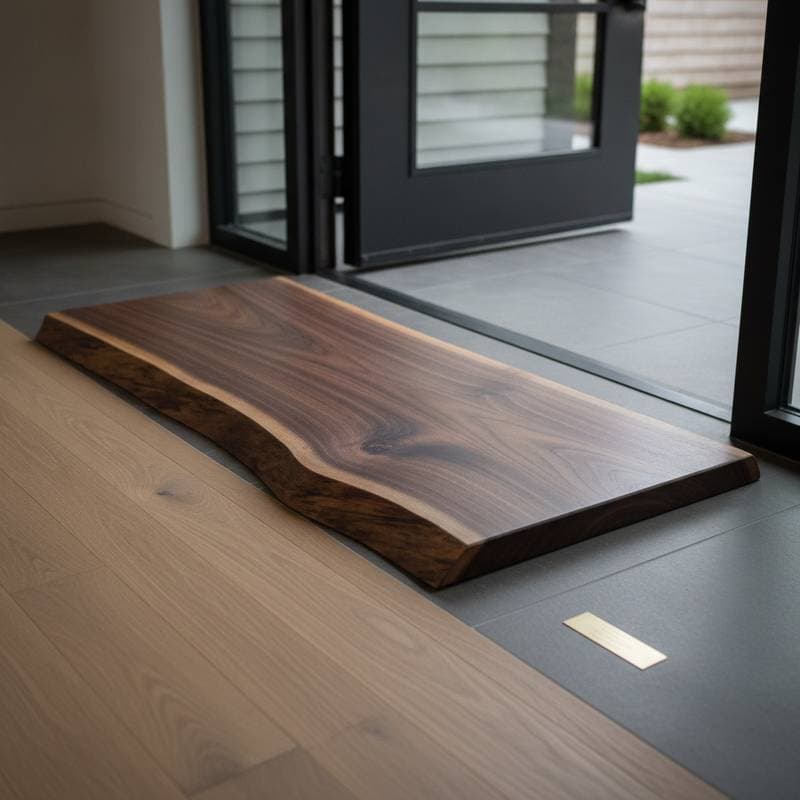
Custom doors made from rift-cut white oak or walnut, equipped with concealed hinges, offer superior craftsmanship. Blend vertical tongue-and-groove wood siding with smooth plaster panels to achieve balanced depth. A pivot door mechanism creates a fluid, architectural focal point that boosts the home's exterior presence.
Essential Materials and Finishes
Windows
Slim frames in black aluminum pair effectively with light wood tones, maintaining a modern edge. Opt for clear glass to promote openness, or select lightly frosted variants for added seclusion without sacrificing light flow.
Doors
White oak, walnut, or teak doors in matte finishes align perfectly with the aesthetic. Select hardware in brushed black or antique brass to provide complementary accents that enhance the clean lines.
Siding
Vertical cedar or composite cladding in hues of light brown, sand, or soft gray amplifies the play of natural light. Horizontal orientations fit sleek modern structures, whereas vertical arrangements lend a nod to classic influences.
Trim and Accents
Maintain trim in a minimal profile, matched to the door or siding color for cohesion. A thin metal edge or recessed overhead lighting introduces polished details without overwhelming the simplicity.
Practical Maintenance Considerations
Natural wood demands periodic sealing or oiling to guard against moisture and ultraviolet exposure. Engineered wood and composite options require minimal upkeep, retaining uniform color over extended periods. Aluminum frames for windows prove virtually maintenance-free, though darker finishes might accumulate visible dust or coastal salt in specific regions. Owners benefit from scheduling light seasonal cleanings and inspections to sustain the material's integrity.
Common Pitfalls to Sidestep
- Disregarding Scale: Doors that dominate or trim that bulks up can shatter the serene equilibrium of Japandi. Maintain slender profiles and unadorned surfaces throughout.
- Excessive Material Variety: Multiple wood shades or patterns generate clutter. Restrict selections to two wood types and a single metal element for clarity.
- Overlooking Safeguards: Failure to seal adequately accelerates wear on wood parts. Choose finishes resistant to UV rays, tailored to local weather conditions.
Harmonizing Colors and Styles
The Japandi color scheme favors gentle beiges, soft taupes, and hushed grays accented by wood's inherent warmth. Light oak doors harmonize with warm white exterior walls, black fixtures, and stone-gray planters for unified appeal. For added dimension, a walnut door against light cedar siding introduces subtle depth while preserving the overall peacefulness.
Pre-Planning Documentation Guide
Capture your entryway's details systematically:
- Photographs of the current exterior from various perspectives
- Details on the home's architectural character and present finishes
- Any community or association guidelines on aesthetics
- Local climate elements affecting material longevity
- Defined budget limits and key spending focuses
Realizing Your Japandi Entryway
Minimalist wood transcends mere decoration in Japandi entryways; it embodies a philosophy of serenity, utility, and genuineness. From economical enhancements to tailored creations, the interplay of organic feel and geometric precision transforms ordinary portals into emblems of refined tranquility. Homeowners who invest thoughtfully discover lasting value in designs that welcome with quiet assurance.