Brass Door Hardware's Bold Revival After 30 Years
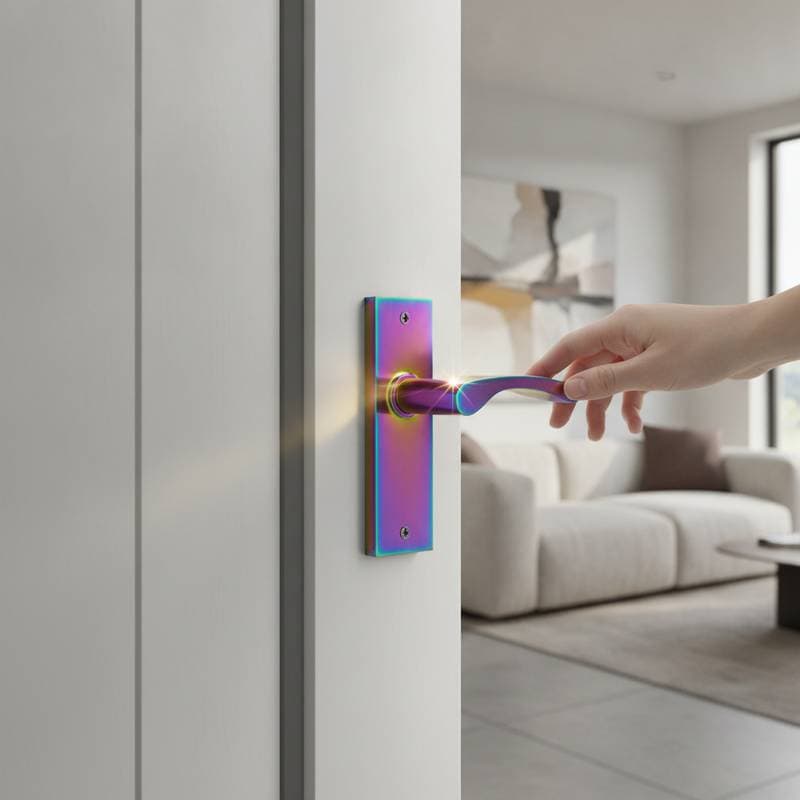
Warm, luminous, and full of character, brass door hardware has returned to the design spotlight. After decades dominated by chrome, nickel, and matte black finishes, homeowners rediscover the timeless charm of brass. The renewed interest connects nostalgia with modern craftsmanship, bringing rich texture and personality to interiors that once leaned toward minimalist restraint. This revival goes beyond mere color; it reflects a shift toward authenticity, tactile materials, and design elements that age gracefully.
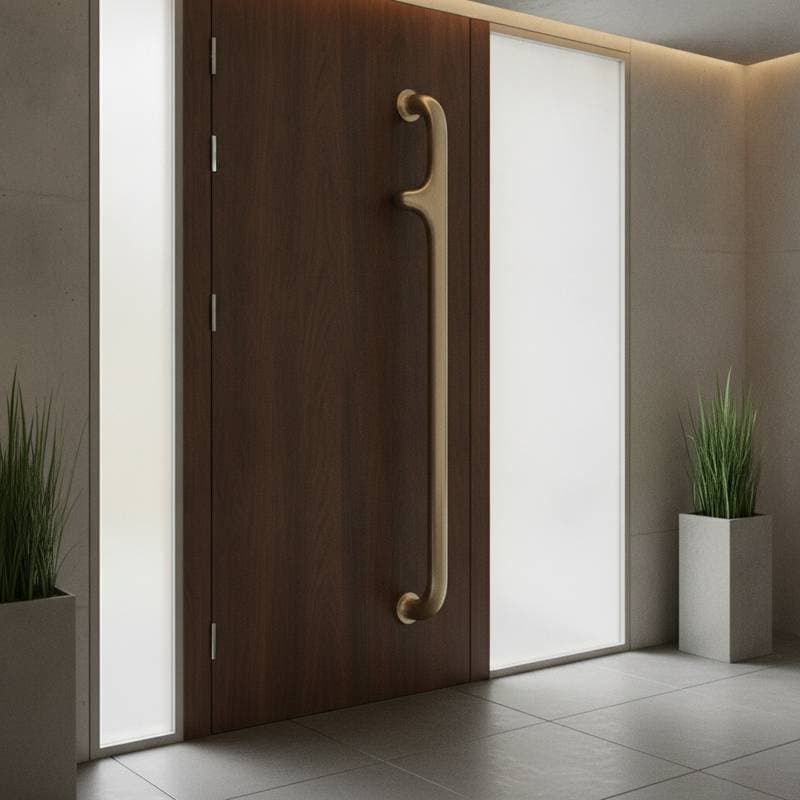
Brass hardware feels fresh again because it balances old-world character with contemporary simplicity. The golden tone adds warmth to modern spaces, softens industrial edges, and enhances natural materials like oak, walnut, and stone. Designers pair unlacquered brass with clean-lined doors for a contrast that feels intentional and layered rather than purely traditional.
Three Ways to Achieve This Look
Budget Approach ($200 - $600)
- Select brass-plated or brushed brass finishes from mass-market hardware collections.
- Update only primary door handles, while leaving secondary hardware like hinges in a coordinating tone instead of replacing everything.
- Allocate extra funds to the front door handle set, as it establishes the tone for the entire home.
Mid-Range Approach ($600 - $1,500)
- Choose solid brass knobs or levers with a protective lacquer to preserve consistent color over time.
- Upgrade visible hinge caps and strike plates for a unified appearance that suggests custom quality without premium costs.
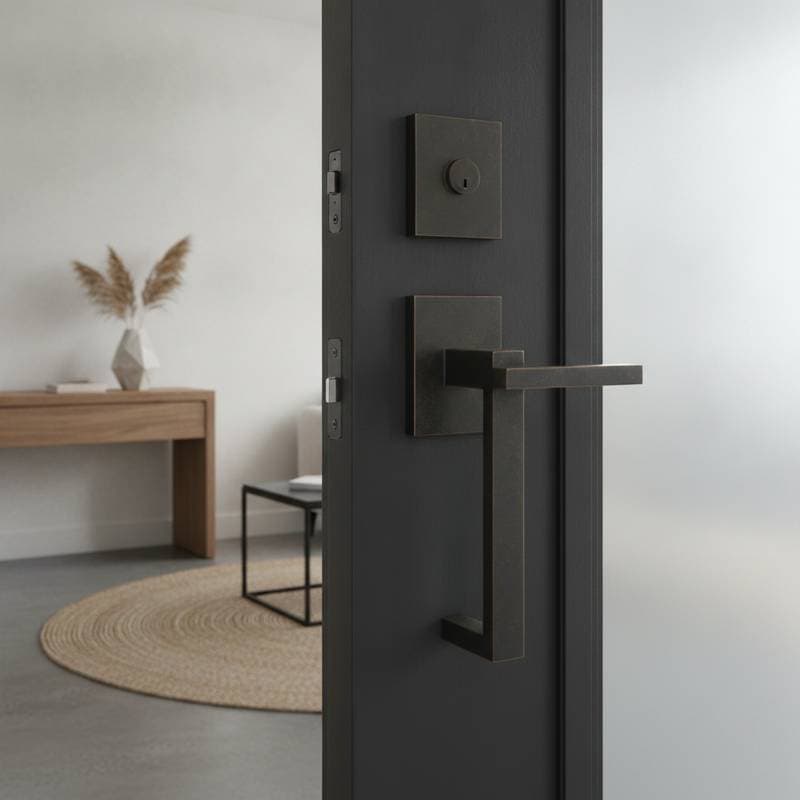
- Incorporate matching brass backplates or rosettes to add visual weight and historical character.
Premium Approach ($1,500 - $4,000)
- Select unlacquered solid brass that develops a natural patina with age, allowing each piece to gain unique depth and tone.
- Opt for hand-forged or artisanal hardware to create an heirloom-quality upgrade.
- Integrate custom finishes such as burnished or satin brass, and pair them with solid wood doors for a cohesive, high-value aesthetic.
Material and Finish Guide
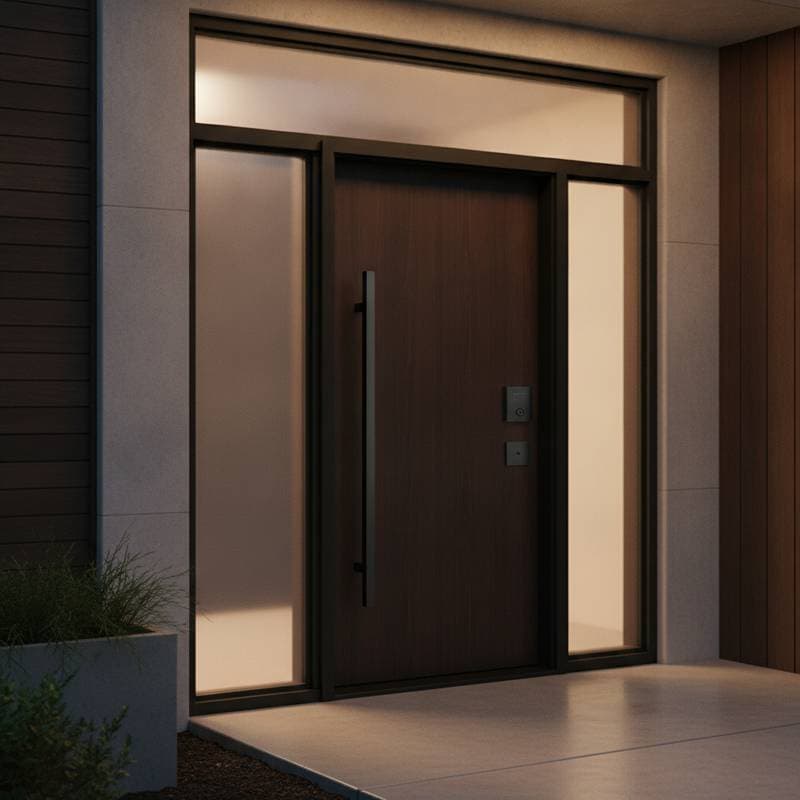
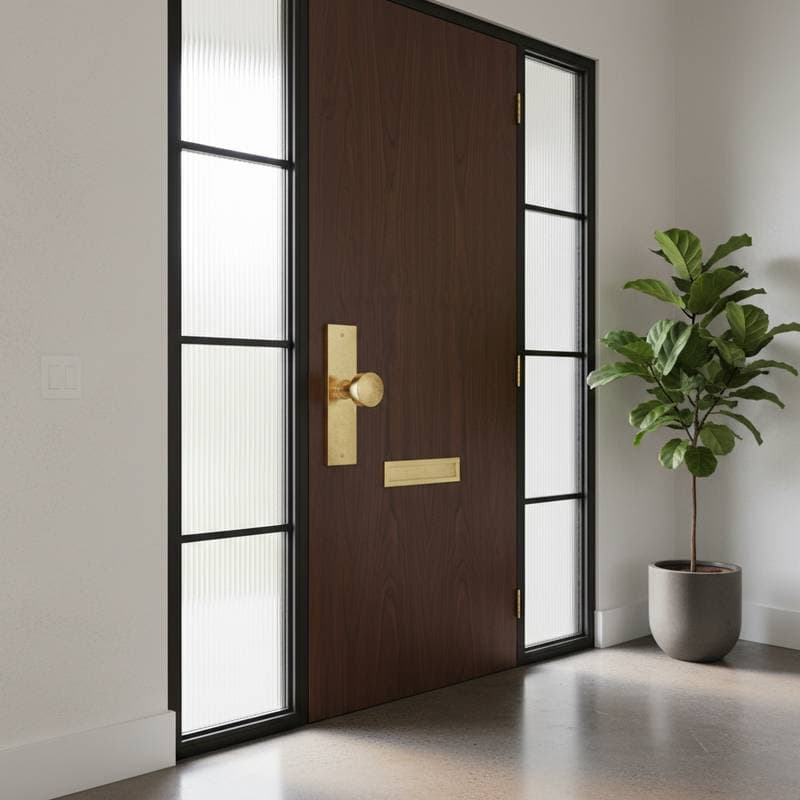
- Windows: Select slim-profile frames in dark bronze or black to contrast with warm brass handles or latches. In coastal or humid regions, powder-coated aluminum that mimics brass tones offers lower maintenance.
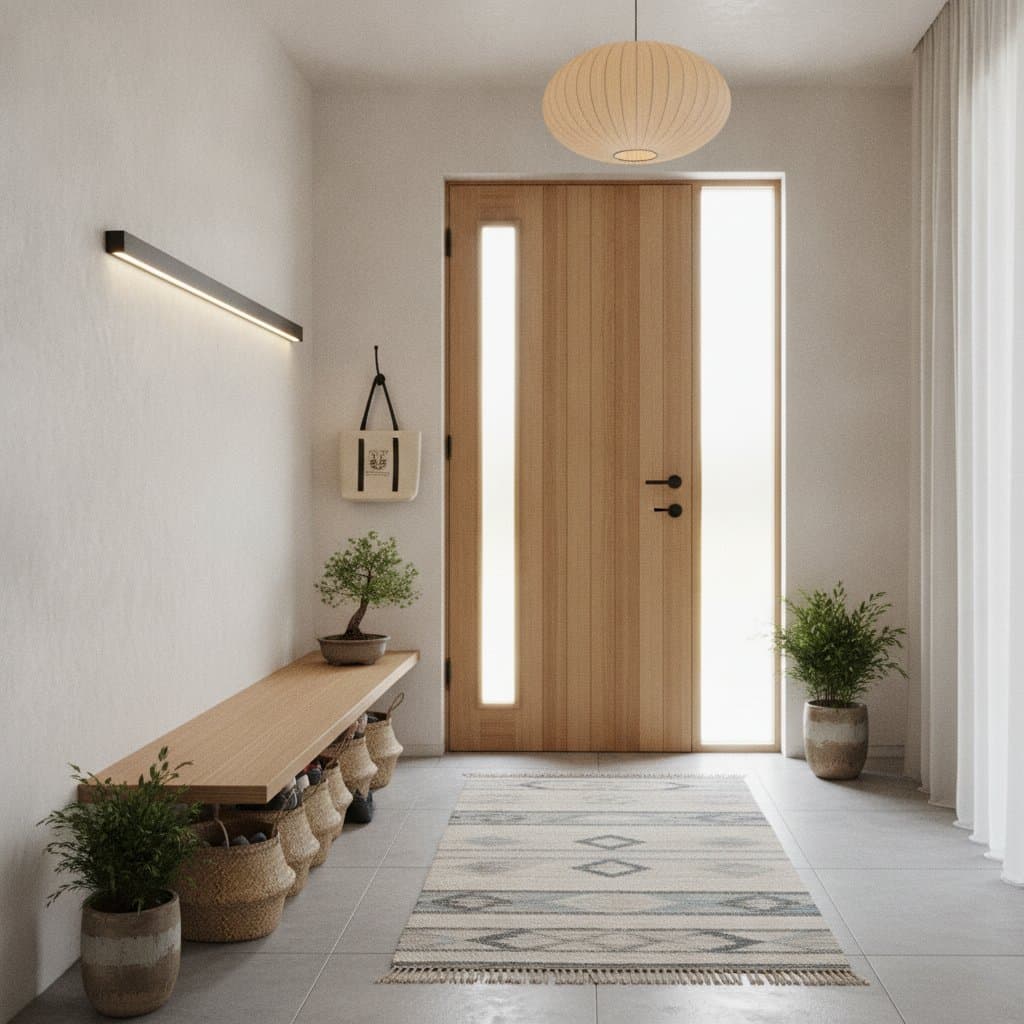
- Doors: Solid wood doors in walnut, oak, or painted in deep greens or soft whites accentuate the golden warmth of brass. Flat-panel doors form a modern pairing, while raised-panel doors evoke classic elegance.
- Siding: Light-colored siding in cream, pale gray, or taupe complements brass finishes. On darker exteriors, brass hardware serves as a striking focal point that captures natural light.
- Trim and Accents: Coordinate brass with warm white or soft gray trim; avoid overly cool whites that make the metal appear harsh. For elevated detail, incorporate brass kick plates or mail slots on exterior doors.
Maintenance Considerations
Brass proves durable and forgiving, though care varies by finish. Lacquered brass retains a consistent sheen and resists fingerprints, yet it may wear unevenly under moisture or heavy use. Clean periodically with mild soap and water to preserve luster, avoiding harsh chemicals.
Unlacquered brass demands more attention but rewards with evolving beauty. It develops a patina that shifts from bright gold to deeper bronze tones over time. Homeowners can slow or reverse this process through gentle polishing or allow it to mature for an organic appearance. In humid climates, unlacquered brass darkens more quickly, whereas in arid areas it maintains brightness longer.
Powder-coated and brass-plated options require less upkeep, although they lack the depth and texture of solid brass. Brushed brass offers a forgiving surface that conceals fingerprints and minor wear effectively.
Common Pitfalls to Avoid
- Mixing Incompatible Brass Tones: Brass finishes vary widely. Polished brass conveys brightness and formality, while antique or satin versions appear softer. Select one tone and apply it consistently for visual harmony.
- Disregarding Door Scale: Oversized hardware overwhelms small doors, and delicate knobs diminish large entry doors. Align hardware size with door weight and height to achieve balanced proportions.
- Neglecting Protective Finishes on Exterior Doors: Outdoor hardware endures weather exposure. Apply marine-grade lacquer or reserve unlacquered brass for those who value an aged patina.
- Overlooking Screw Finishes: Ensure exposed fasteners match the hardware. Mismatched screws detract from the overall design.
Coordinating Colors and Finishes
Brass integrates seamlessly with warm and cool palettes when approached with intention. A thoughtful color strategy makes the hardware appear deliberate rather than incidental.
Palette Inspirations
- Classic Warmth: Cream siding, walnut doors, and unlacquered brass handles.
- Modern Contrast: Charcoal trim, white doors, and satin brass hardware.
- Soft Coastal: Pale gray siding, navy doors, and brushed brass accents.
- Urban Edge: Black doors, natural oak trim, and burnished brass levers.
- Traditional Charm: Olive doors, off-white trim, and polished brass knobs.
These combinations foster distinct personalities while preserving harmony between material warmth and surrounding elements.
Planning and Documentation Checklist
Gather reference photos and site details before finalizing hardware choices. Such preparation aligns design visions with practical constraints.
- Photograph current doors and trim from multiple angles for accurate assessment.
- Document the home's architectural style and existing metal finishes.
- Review neighborhood aesthetics or HOA rules that impact exterior hardware.
- Account for local climate factors, including humidity and sun exposure, which influence finish longevity.
- Establish a budget range and identify priority doors for premium treatments.
Elevating Doorways Through Brass
The resurgence of brass door hardware signifies more than nostalgia. It embodies a commitment to craftsmanship, enduring quality, and materials that evolve with time.
When integrated with suitable materials, colors, and maintenance practices, brass elevates ordinary doorways into enduring design features. This approach yields spaces that blend historical depth with modern appeal, enhancing both aesthetic and emotional resonance.