Japandi Fusion: Why Entryways Go Minimalist in 2026
The Japandi style gains momentum by combining Japanese minimalism with Scandinavian functionality. This fusion appears prominently in entryways, where homeowners streamline designs to convey peace and purpose. Guests encounter understated elegance that prioritizes quality over quantity. The aesthetic draws from natural elements and precise craftsmanship, delivering a contemporary feel that endures.
Clean shapes, gentle textures, and earthy tones direct attention to essential harmony. Entryways become thresholds of calm, setting a tone for the home beyond.
Three Ways to Achieve the Japandi Entryway Look
Budget-Friendly Approach ($2,000 - $4,000)
- Select fiberglass or engineered wood doors featuring a smooth, matte surface in light oak or pale beige to mimic natural warmth affordably.
- Install slim window frames in neutral vinyl that integrates seamlessly with existing siding, avoiding visual clutter.
- Upgrade hardware with brushed nickel pulls or hidden hinges, adding subtle sophistication without straining the budget.
Mid-Range Approach ($5,000 - $8,000)
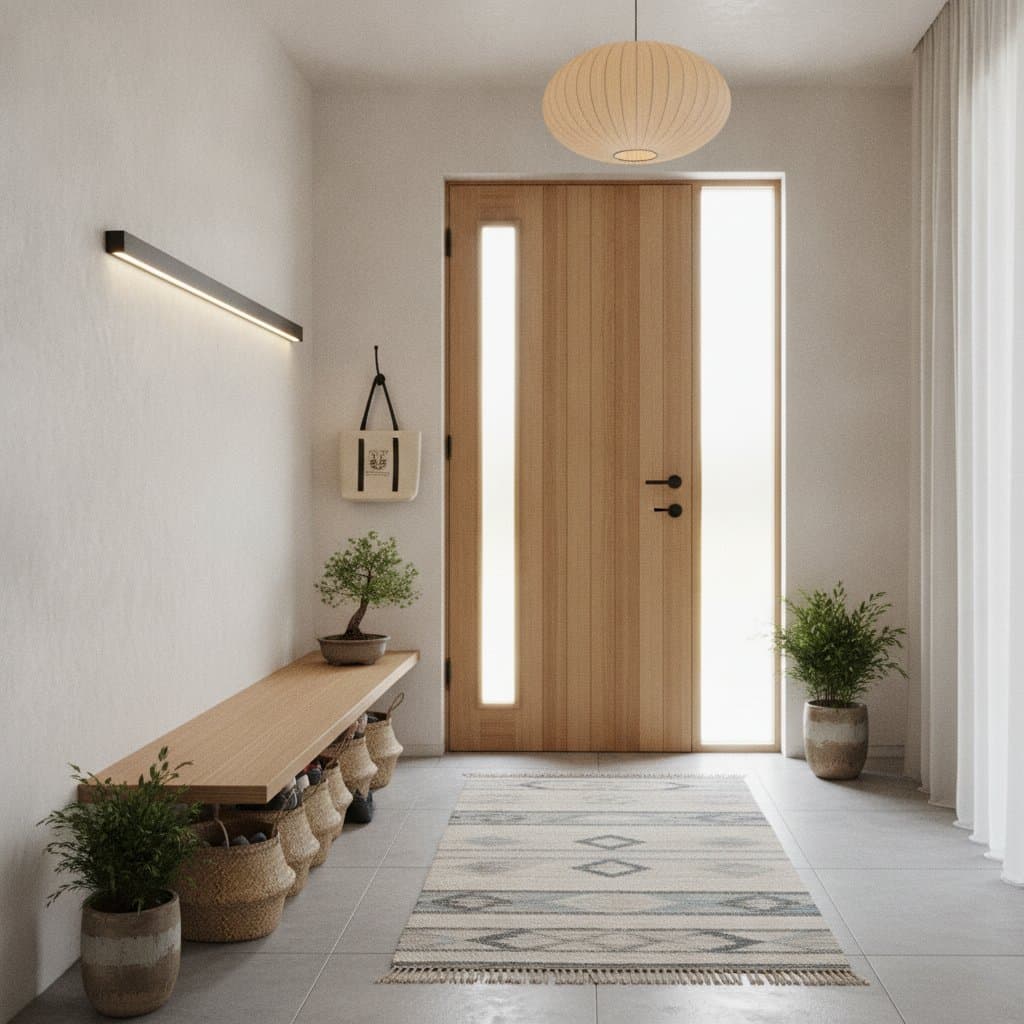
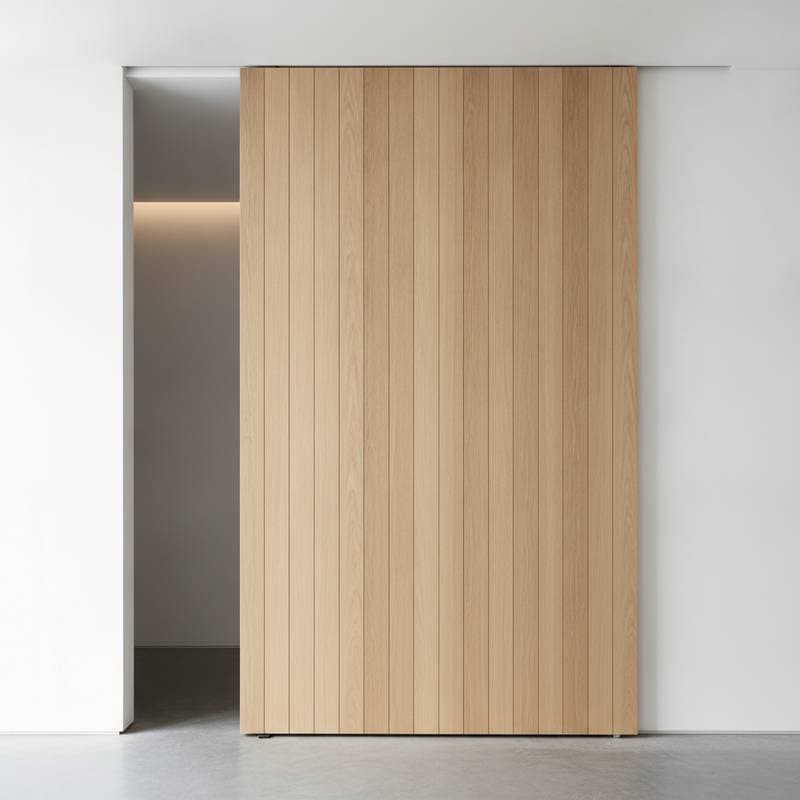
- Install solid wood doors showcasing vertical grain details and a clear or lightly stained finish to highlight wood's inherent beauty.
- Swap basic lighting for sleek wall sconces in matte black or bronze, providing soft illumination that enhances architectural lines.
- Opt for composite siding that replicates wood grain, offering durability and low upkeep while preserving an organic appearance.
Premium Approach ($9,000 - $15,000)
- Commission custom oak or ash slab doors with subtle glass inserts, allowing diffused natural light to filter through elegantly.
- Fit aluminum-clad wood windows in black or warm gray frames, delivering sharp definition and weather resistance.
- Incorporate charred wood siding or thermally modified timber, which develops a rich patina over time and accentuates tactile depth.
Essential Materials and Finishes for Japandi Entryways
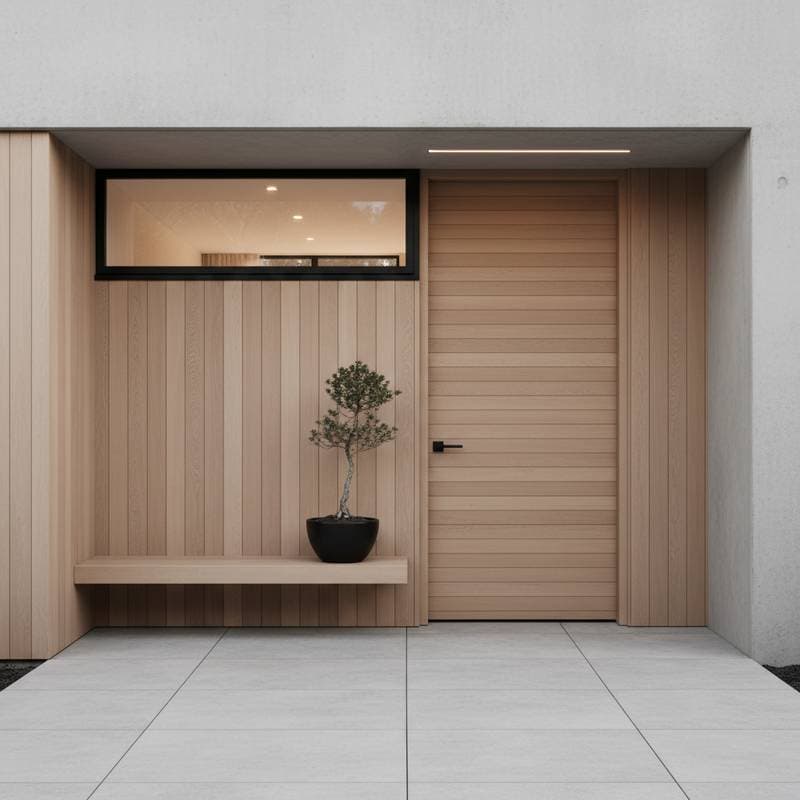
- Windows: Select casement or fixed-pane designs with narrow frames in subdued shades like charcoal gray, warm taupe, or creamy white. Pair with matte black or brushed metal hardware that recedes into the background, supporting the overall restraint.
- Doors: Use untreated or subtly stained wood to evoke inviting depth. For subtle drama, apply a rich espresso or terracotta hue that contrasts gently against neutrals. Integrate frosted glass sidelights to admit light while preserving seclusion.
- Siding: Employ vertical cedar or engineered wood panels to echo Japandi's linear purity. Finish in soft beige, sandy neutral, or weathered gray to harmonize with darker frames and foster a grounded vibe.
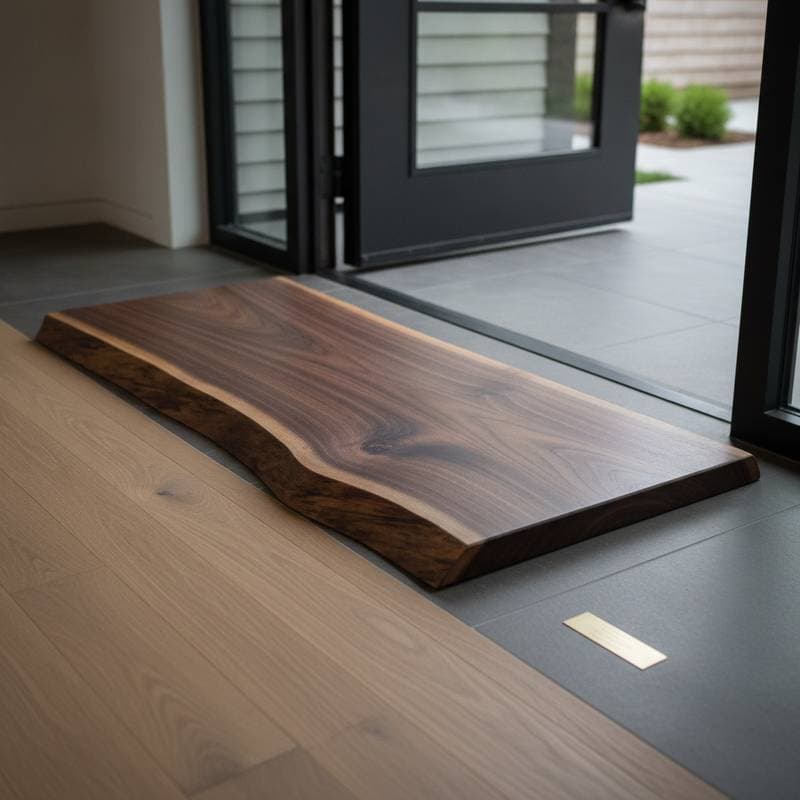
- Trim and Details: Maintain slim, unadorned trim profiles. Feature flush thresholds and invisible hinges to promote a fluid, uninterrupted surface that embodies the style's essence.
Realistic Maintenance for Lasting Serenity
Material selections influence long-term care requirements. Fiberglass and composites withstand humidity and sun exposure, ideal for coastal or rainy regions. Natural woods demand annual sealing to guard against splits and distortion, but they develop appealing character through proper attention.
Metal components benefit from periodic wiping to prevent oxidation. Prioritize UV-resistant coatings and effective water runoff systems. These steps preserve the serene exterior for decades.
Common Pitfalls to Sidestep in Japandi Designs
- Excessive Embellishment: Ornate moldings or oversized fixtures shatter the composed flow. Rely on material variations and scale for intrigue rather than decoration.
- Proportional Imbalance: Oversized doors or uneven window heights undermine cohesion. Conduct precise measurements to align all components proportionally.
- Neglecting Protective Measures: Minimalist facades still face environmental wear. Apply climate-specific stains and sealants from the outset to safeguard integrity.
Harmonizing Colors and Styles in Japandi Entryways
Japandi color schemes pull from earth's subtle tones. Consider these effective pairings:
- Light oak doors paired with crisp white siding and black window frames for balanced contrast.
- Subtle gray siding alongside walnut doors and brushed steel accents for understated elegance.
- Beige driftwood siding with raw ash doors and charcoal trim to amplify light play and texture.
These combinations heighten the style's natural rhythm, creating depth through restrained interplay.
Pre-Project Planning Checklist
Capture these elements before consulting suppliers or builders:
- Detailed photos of the existing exterior from multiple perspectives.
- Key architectural features that require preservation.
- Local zoning rules and neighborhood aesthetic standards.
- Regional weather patterns, including moisture levels and sun exposure.
- Defined budget allocations, highlighting priorities for premium investments.
Realizing Timeless Entryway Harmony
Japandi entryways embody deliberate simplicity and warmth. They depend on authentic materials, skilled execution, and measured choices. Homeowners gain an inviting facade that radiates modernity and repose, welcoming all who approach with quiet assurance.