Enhancing Remote Work: Acoustic Doors Reduce Home Office Noise by 80%
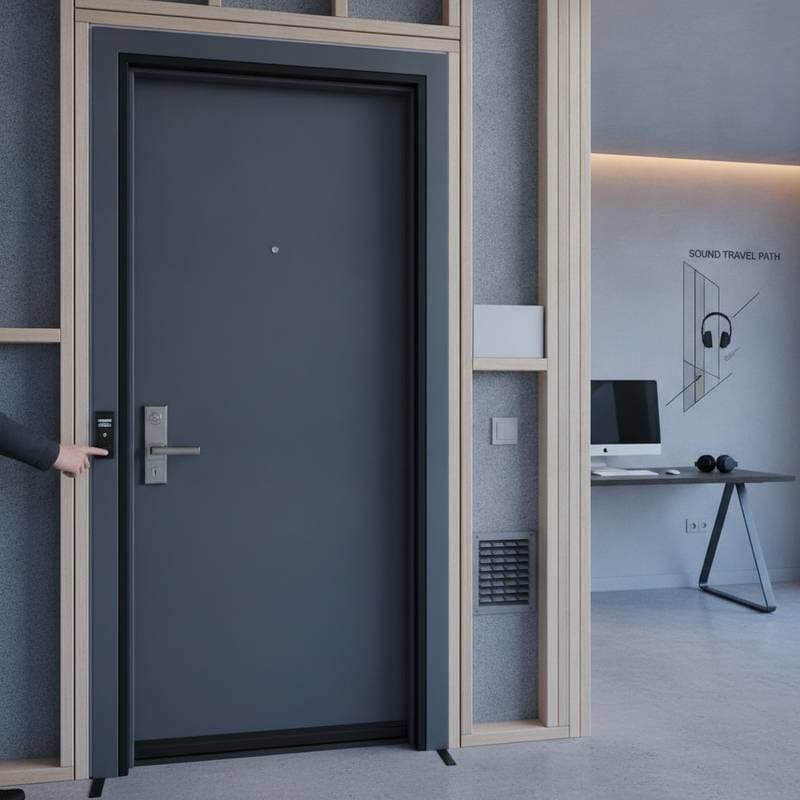
The home office now forms a core element of everyday routines, prompting greater attention to elements that foster productivity and comfort. Sound management often receives insufficient consideration in workspace design. Acoustic doors provide an innovative remedy, capable of reducing up to 80% of household sounds while preserving interior harmony. Contemporary designs unite robust functionality with aesthetic refinement, appealing to homeowners who value tranquility alongside sophistication.
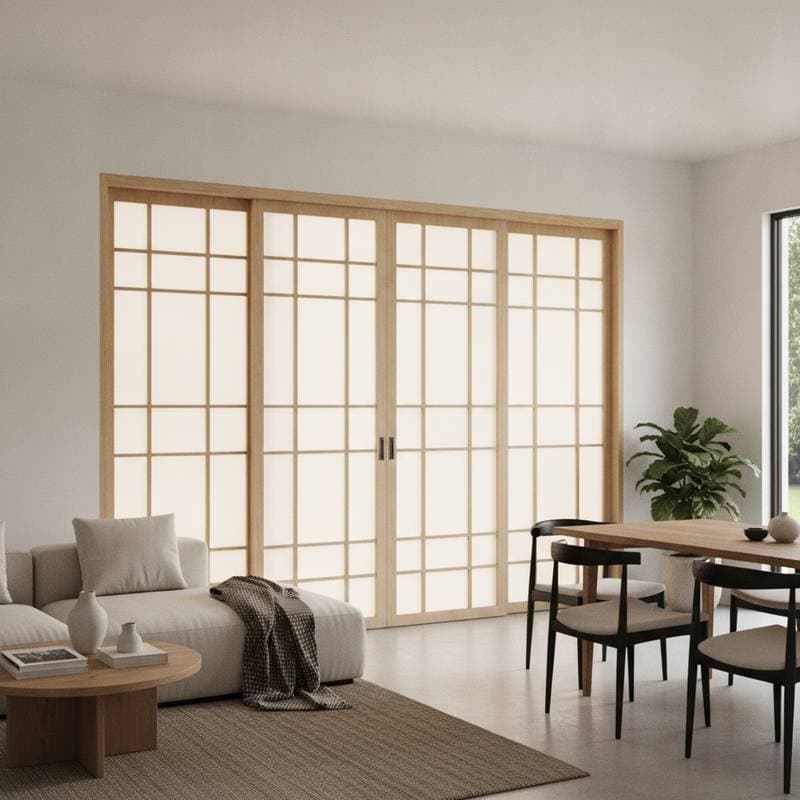
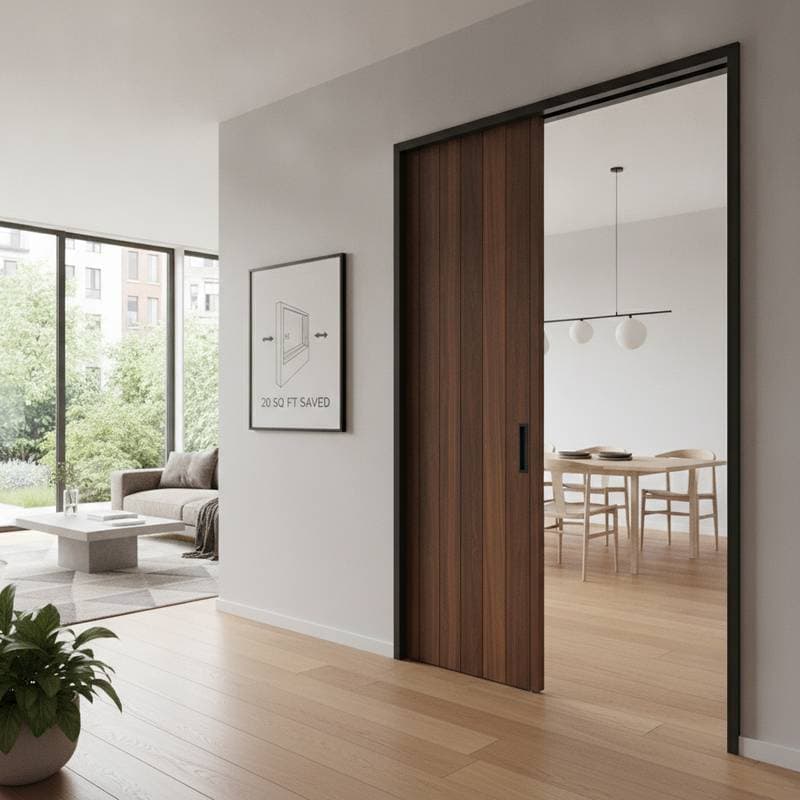
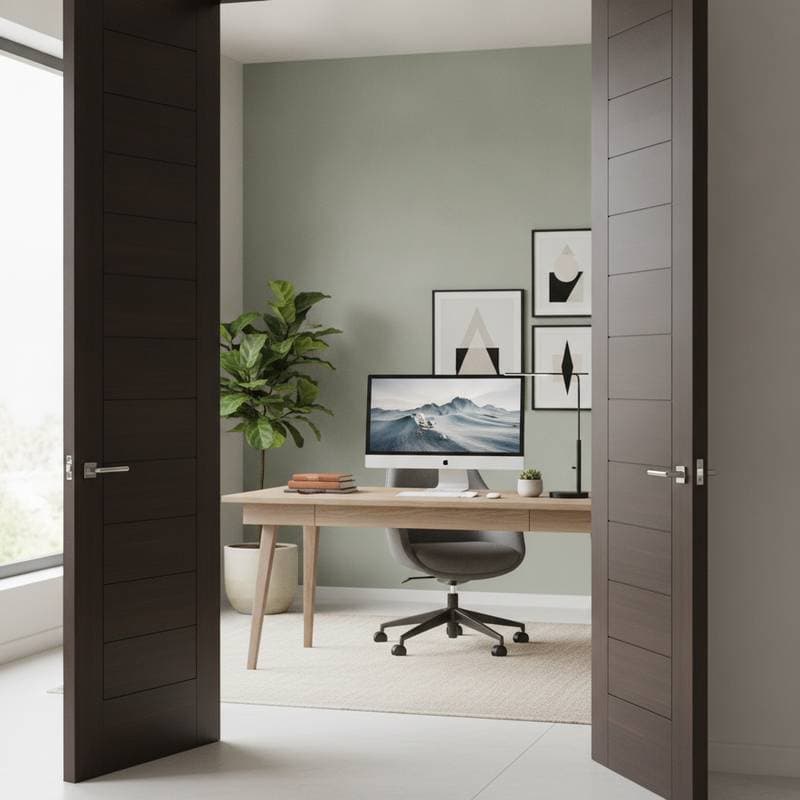
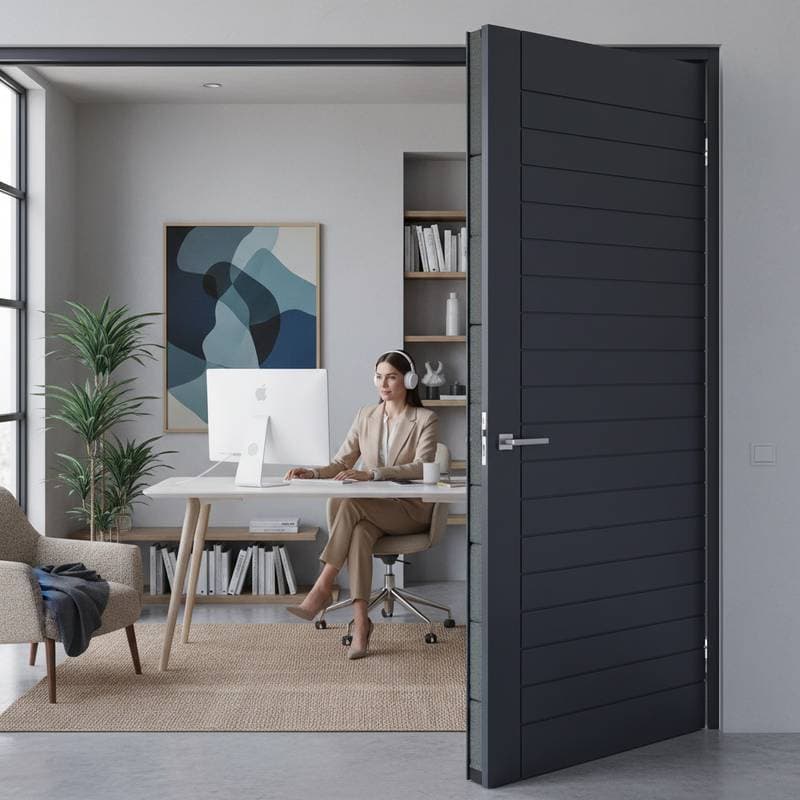
Modern acoustic doors integrate effortlessly into living spaces, distinct from the cumbersome varieties found in professional studios. Options include wood veneers, painted surfaces, and sleek flush styles that align with diverse interior themes. In addition to noise suppression, these doors contribute to enhanced privacy and a professional ambiance within work areas.
Strategies for Achieving Optimal Results
Budget-Friendly Option ($400 - $900)
- Select a solid-core wood door enhanced with perimeter seals or acoustic weatherstripping.
- Choose pre-hung assemblies to streamline installation and ensure precise alignment.
- Allocate resources toward quality hardware and sealing components to maximize noise reduction.
Intermediate Option ($900 - $1,800)
- Opt for engineered acoustic doors certified for 30 to 35 decibel attenuation.
- Pair advanced door panels with adjustable thresholds and compression seals.
- Incorporate complementary trim elements to achieve a polished finish that harmonizes with surrounding spaces while upholding sound barriers.
Premium Option ($1,800 - $3,500)
- Install high-end acoustic doors achieving 40 decibels or greater reduction, featuring built-in sound gaskets.
- Customize with veneers, hidden hinges, and bespoke hardware for an unobtrusive integration.
- Evaluate double-door configurations for expansive offices or communal areas requiring intensified isolation.
Guidance on Materials and Finishes
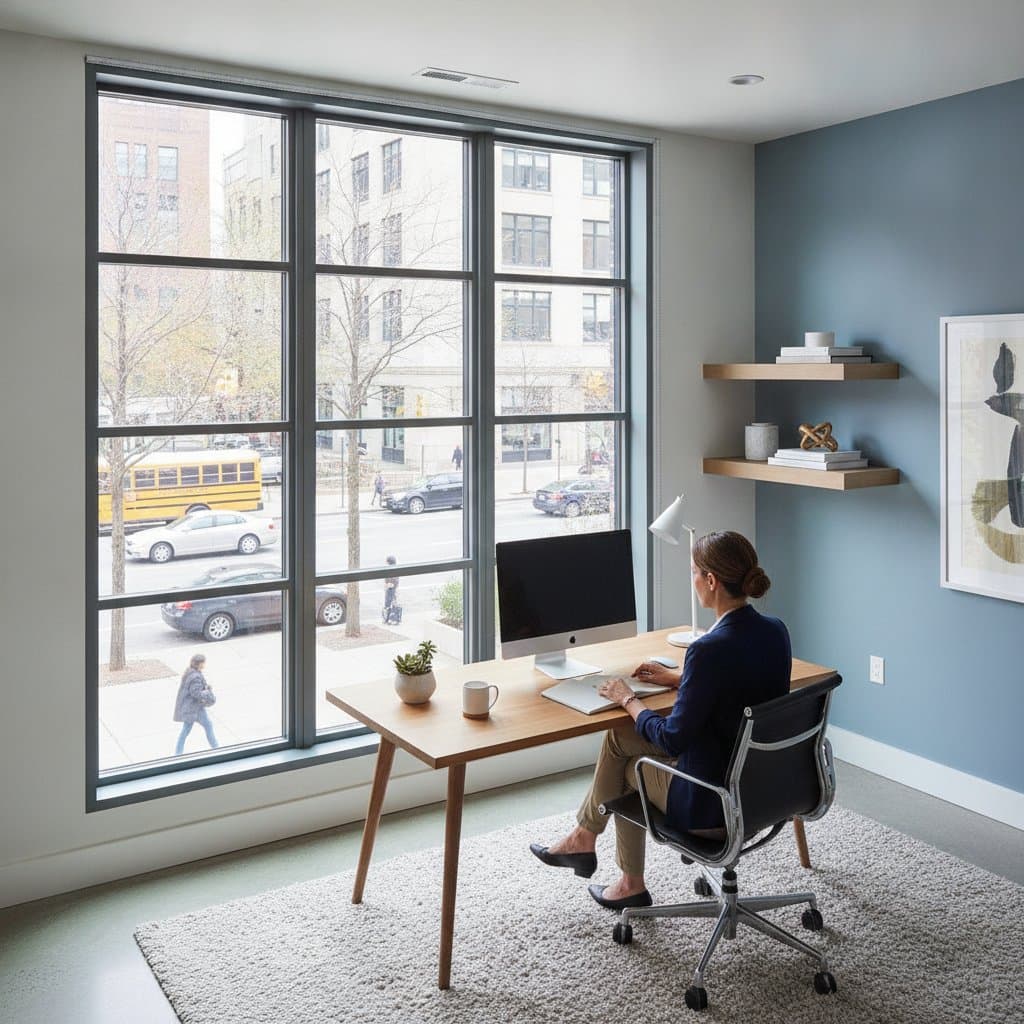
- Windows: Complement acoustic doors with laminated or double-pane glass units to mitigate external sounds. Black or bronze frames suit contemporary interiors, whereas white or wood-toned variants fit traditional aesthetics.
- Doors: Solid-core wood constructions surpass hollow-core alternatives in both acoustic efficacy and visual uniformity. Veneers in oak, walnut, or maple impart warmth; painted MDF versions deliver a streamlined, modern profile. Matte or satin finishes minimize reflections and cultivate a soothing atmosphere.
- Siding: In residences where outer layers influence internal acoustics, fiber cement or insulated vinyl siding curtails sound penetration. Smooth horizontal panels enhance modern facades, while shingle or board-and-batten patterns complement cottage or craftsman motifs.
- Trim and Accents: Employ consistent casings and baseboards to sustain design cohesion. Substantial trim profiles can mask acoustic seals effectively, while amplifying structural details.
Essential Maintenance Practices
Acoustic doors maintain peak efficiency through intact seals and aligned hinges. Examine perimeter gaskets periodically, every few months, to verify uniform compression upon closure. Refrain from forceful operations that may dislodge components. Clean wood veneers with mild soap and water as needed; painted surfaces require only gentle dusting. In humid regions, watch for expansion or binding, which could impair isolation. Thorough initial setup and routine tweaks sustain longevity and visual appeal with minimal effort.
Common Pitfalls to Avoid
- Selecting hollow-core doors: These provide economical entry but negligible noise control. Invest in solid-core or specialized acoustic models for substantial improvements in silence.
- Neglecting frame enhancements: Replacing solely the door panel overlooks gaps in frames and thresholds that permit sound leakage. Integrate compatible frame elements for comprehensive performance.
- Disregarding stylistic alignment: Acoustic solutions need not appear utilitarian. Choose panels and finishes that echo existing home doors to preserve thematic continuity.
- Compromising on hardware: Inferior latches or hinges generate vibrations that undermine benefits. Prioritize durable stainless steel or brass fittings engineered for secure closure and endurance.
Harmonizing Colors and Styles
A serene office thrives on subdued, earth-derived hues that aid concentration. These palettes yield equilibrated outcomes:
- Warm Neutrals: Gentle taupe, almond, or sand tones accented by brass or bronze fittings.
- Crisp Modern: White, gray, or charcoal bases with matte black details.
- Organic Woods: Unstained oak, walnut, or ash combined with brushed nickel pulls.
- Soft Contrast: Light blue or sage green doors against neutral walls for understated delineation.
- Bold Accent: Rich navy or forest green doors with sparse trim for refined impact.
Extend coordination to exterior features for overall unity. Darker frames on windows or front entries can mirror interior acoustic door selections, forging a consistent impression throughout the property.
Steps for Effective Sound Management Planning
Prior to acquisition, record your present configuration to pinpoint acoustic vulnerabilities. Follow this checklist:
- Capture images of current doors and adjacent walls from various perspectives to evaluate scale and trim specifics.
- Identify your home's architectural style to guide door selections that enhance rather than disrupt the environment.
- Verify local or HOA guidelines concerning modifications to outer finishes or window elements.
- Evaluate regional climate to select resilient materials against moisture, warmth, or fluctuations.
- Establish budget parameters and objectives to equilibrate sound control with design and upkeep considerations.
Such preparation empowers informed choices during consultations or purchases. Deliberate foresight aligns final outcomes with acoustic and aesthetic aspirations.
Integrating with Overall Home Aesthetics
Acoustic doors adapt readily across architectural genres. In modern farmhouses, painted white or black doors with understated paneling align with shaker-style cabinetry. Minimalist dwellings favor flush veneers and invisible hardware for uninterrupted profiles. Traditional settings accommodate raised panels in stained woods that complement heritage trim.
When refreshing several components, assess interrelations among windows, doors, and siding for acoustic and visual synergy. Properties equipped with insulated siding and dual-glazed windows amplify the advantages of interior acoustic doors, as the full building shell collaborates to suppress disturbances.
Realizing a Productive, Tranquil Space
Effective noise control extends beyond mere suppression to cultivating settings that nurture focused work and balanced design. Acoustic doors supply the essential blend of form and function, converting standard rooms into efficient havens. Through judicious material choices, finish applications, and holistic coordination, achieve an upscale appearance without excess expenditure. Consistent care upholds superior operation, and strategic foresight elevates each decision to enrich the home's inherent qualities.