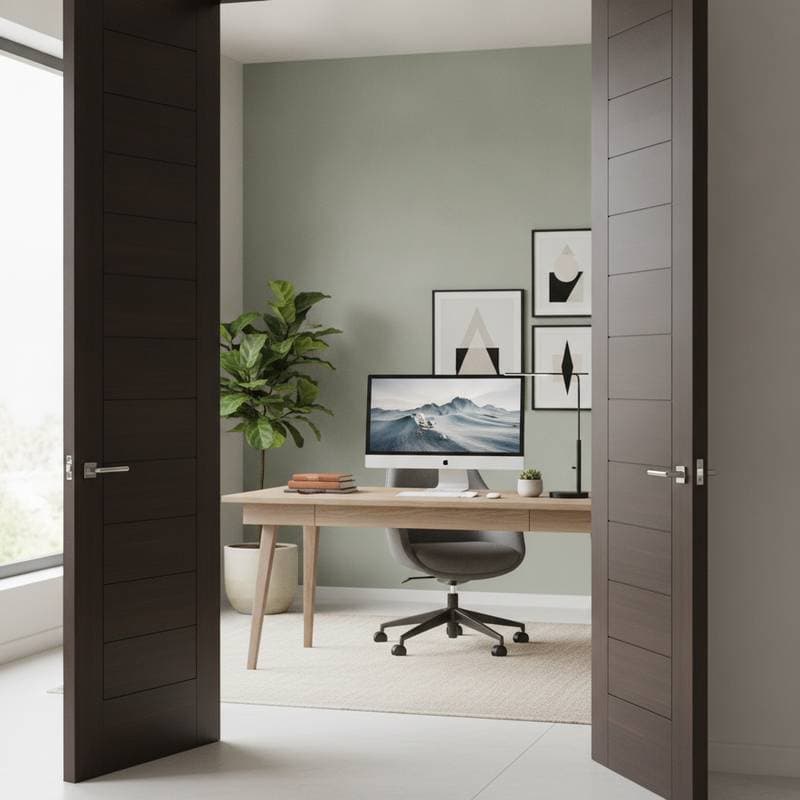
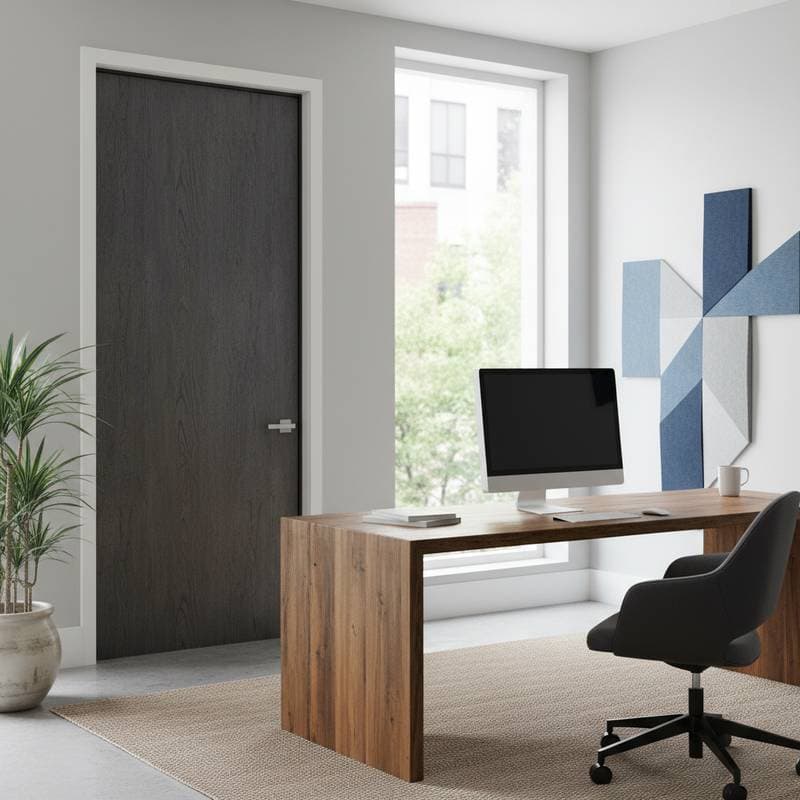
Cut 80 Percent Home Noise with Soundproof Doors for Work from Home
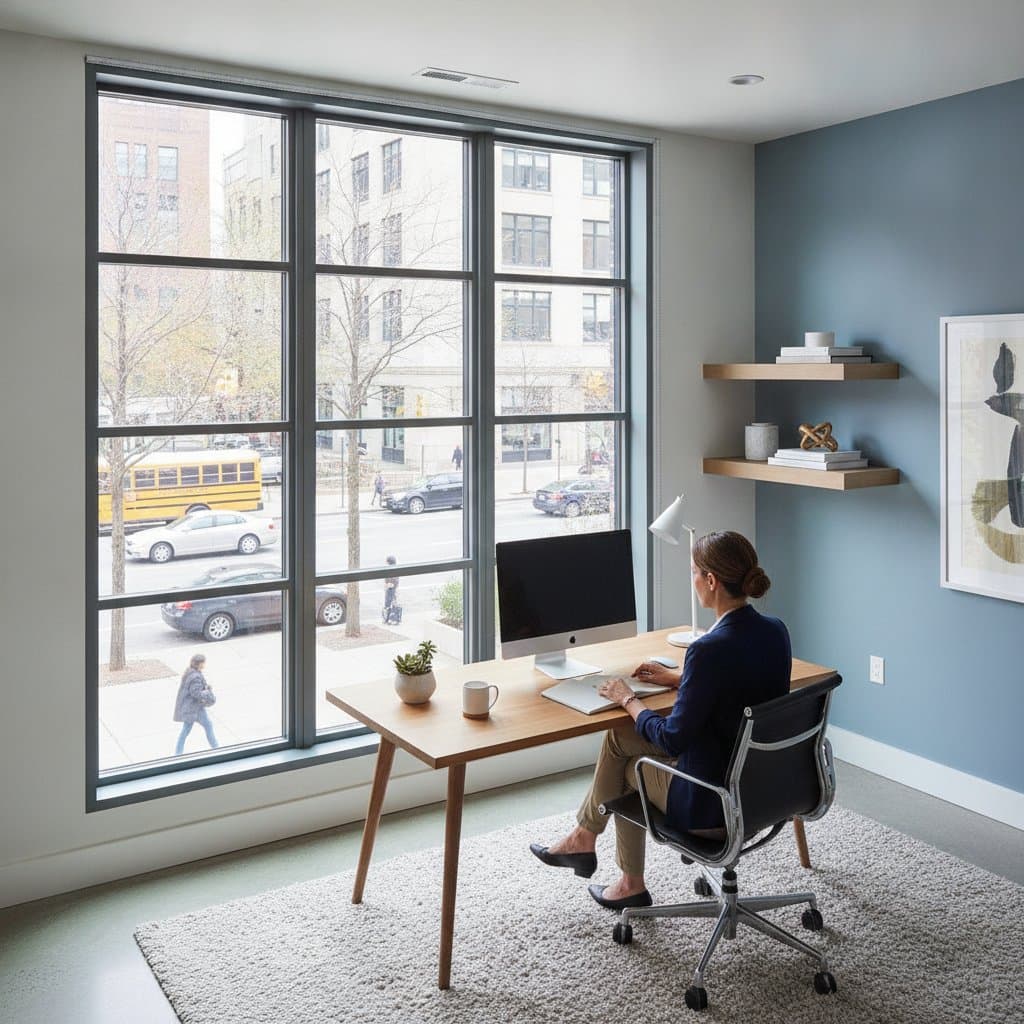
Remote work has transformed how individuals experience their living spaces. A quiet, focused environment now serves as an essential element for productivity and overall well-being. Many homeowners discover that noise from adjacent rooms, outdoor traffic, or shared areas interrupts concentration, even in a dedicated home office. Soundproof doors offer a substantial solution by reducing unwanted noise, thereby enhancing work performance and daily comfort. Knowledge of their functionality, available options, and integration into home life enables informed selection.
How Soundproof Doors Function
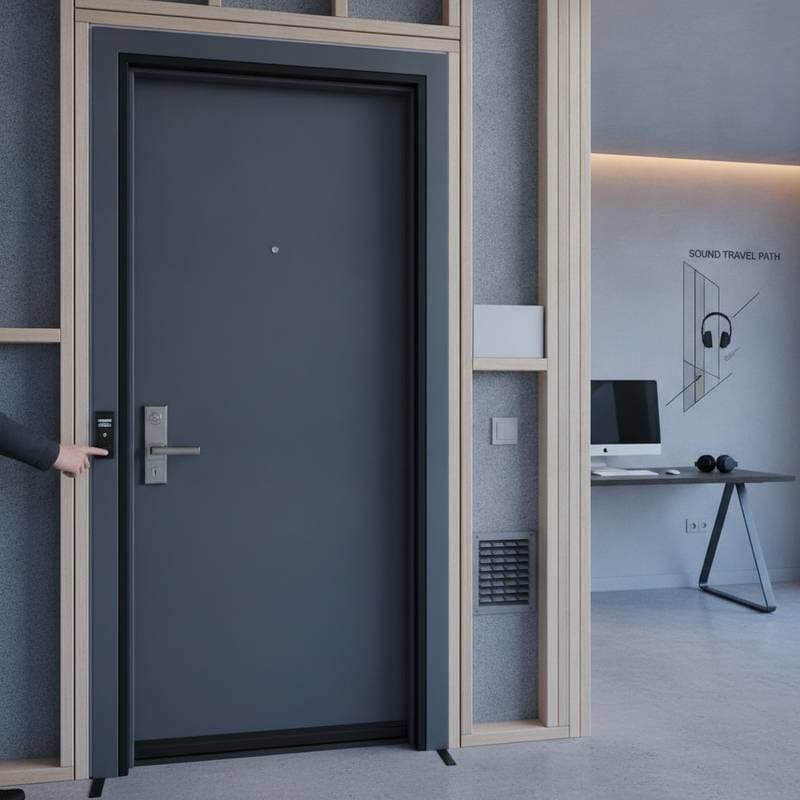
Soundproof doors block, absorb, or dampen sound vibrations transmitted through air or solid structures. Standard interior doors, particularly hollow-core varieties, permit sound to pass freely due to their lightweight build. In contrast, soundproof doors incorporate dense materials, layered cores, and precision seals to limit transmission.
Professionals measure acoustic performance with the Sound Transmission Class (STC) rating. Higher ratings indicate superior sound reduction. Typical hollow-core doors achieve STC levels of 20 to 25, whereas effective soundproof doors attain STC 40 or above. This improvement translates to approximately 80 percent noise reduction in real-world applications, influenced by installation precision and environmental factors.
Varieties of Soundproof Doors
Multiple door types deliver acoustic advantages, each aligned with specific budgets, visual preferences, and performance requirements.
-
Solid Core Wood Doors
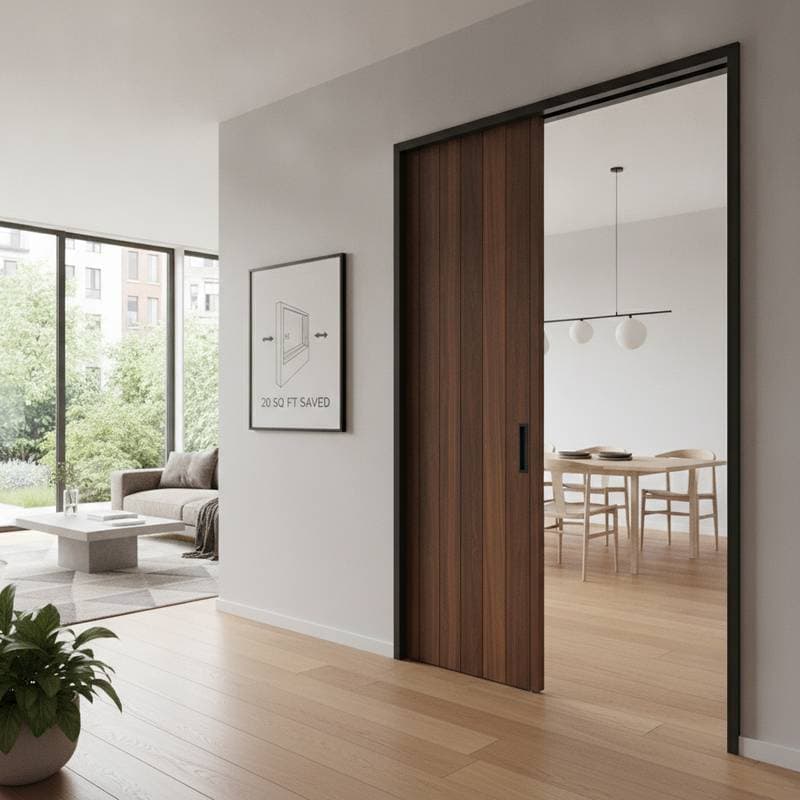
These provide a straightforward upgrade for those seeking a natural appearance paired with enhanced sound resistance. The solid wood core impedes sound more effectively than hollow alternatives, and finishes or paints allow seamless integration with existing decor. -
Acoustic Composite Doors
Constructed from layered wood, metal, and sound-absorbing elements, these doors yield elevated STC ratings. Common in professional environments, they suit home offices demanding high levels of quiet. -
Acoustic Glass Doors
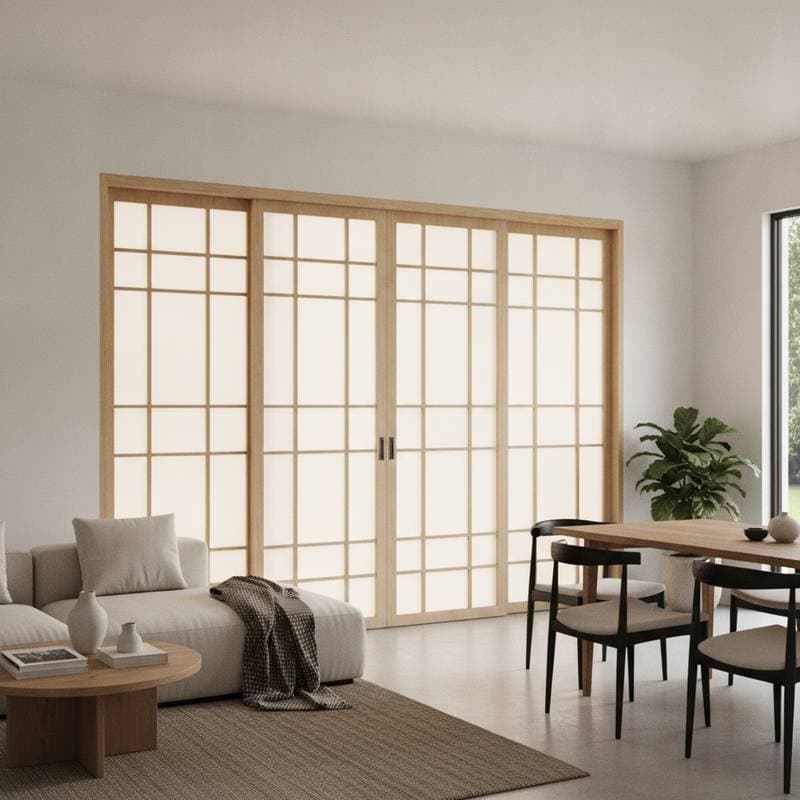
Ideal for modern or open layouts, these feature laminated glass and advanced seals to manage noise while preserving visibility. They integrate well into contemporary designs or spaces that benefit from shared natural light. -
Acoustic Steel or Metal Doors
These excel in sound blocking and endure heavy use, making them suitable for studios or high-demand areas. Homeowners prioritizing peak acoustic control find them reliable.
Comparing Door Options and Performance
| Door Type | Initial Cost | Lifespan | Maintenance | Best For |
|---|---|---|---|---|
| Solid Core Wood | Moderate | Long | Occasional refinishing | Traditional or classic interiors |
| Acoustic Composite | Higher | Very long | Minimal | Dedicated offices needing quiet |
| Acoustic Glass | High | Long | Cleaning and seal checks | Modern or open-concept spaces |
| Acoustic Steel | Higher | Very long | Minimal | Maximum sound control or studios |
Options vary in their equilibrium of style, expense, and sound efficacy. Consider the frame, seals, and installation alongside the door itself. Suboptimal installation diminishes even premium doors' capabilities, so professional expertise proves valuable.
Installation's Role in Soundproofing Effectiveness
Optimal soundproofing demands complete sealing of all potential gaps. Minor openings around the door permit noise infiltration, which compromises results. Installation follows a structured sequence to maximize performance.
-
Initial Assessment
The installer examines the existing opening, wall composition, and adjacent materials. This evaluation identifies achievable soundproofing levels and any necessary supplementary modifications. -
Site Preparation
Removal of the prior door and frame occurs, followed by cleaning and alignment of the opening. Wall reinforcement or added insulation may enhance the door's impact. -
Core Installation
The new door and frame align precisely, incorporating premium acoustic seals. Bottom sweeps or automatic drop seals address floor-level gaps. -
Performance Verification
Testing for air leaks and audible transmission ensures integrity. Fine-tuning of seals or hinges resolves any discrepancies. -
Final Touches
Painting or finishing matches the room's aesthetic. Sealing trim and thresholds finalizes the setup.
Assessing Expenses and Value
Prices for soundproof doors fluctuate based on materials, customization, and STC ratings. Although more costly than basic interiors, their advantages often outweigh the investment for remote workers. Noise reduction fosters privacy and elevates the professionalism of virtual interactions or deep-focus work.
Evaluate costs against enduring returns. Reduced stress, sharpened concentration, and increased output yield tangible career benefits. From a real estate standpoint, quality installations boost property appeal for buyers valuing serene environments.
Upkeep and Durability
Soundproof doors demand minimal upkeep, limited to routine cleaning and seal inspections. Seals may degrade over time, marginally affecting efficacy; replacement restores full function. Solid wood variants occasionally require refinishing amid humidity fluctuations or heavy traffic.
With diligent care, these doors endure for decades. Composite and steel constructions resist warping, extending their service life further.
Aligning Doors with Daily Routines
Selection hinges on usage patterns and targeted noise types. For offices near lively family zones, solid core or composite doors offer balanced noise mitigation and visual harmony. Adjacent to external disturbances like traffic, opt for composite or metal with superior ratings.
Acoustic glass preserves openness and illumination in bright, collaborative setups. Families with children or pets gain from robust materials, while audio professionals may combine doors with wall treatments for total isolation.
Broader Benefits for Comfort and Efficiency
Beyond acoustics, soundproof doors enhance thermal regulation. Dense compositions stabilize temperatures, yielding slight energy efficiencies. This versatility appeals to those seeking multifunctional home improvements.
Regional conditions influence material choice. Wood responds to moisture changes, whereas composites and metals maintain stability. Tailored selections prevent ongoing adjustments.
Verifying Installation Quality
Homeowners ensure excellence by inspecting these elements:
- Seal Continuity: Perimeter seals form unbroken barriers and compress uniformly upon closure.
- Bottom Alignment: Sweeps or drop seals contact the floor without resistance.
- Frame Precision: Doors operate smoothly, free of visible gaps.
- Auditory Evaluation: Test by conversing or playing sound across the door to detect leaks.
Prompt corrections of minor flaws sustain long-term reliability.
Sustaining Benefits Over Time
Soundproof doors invest in enhanced living quality. Initial applications in home offices often inspire extensions to bedrooms or entertainment areas.
Anticipate renovations by selecting versatile styles and finishes. Neutral palettes adapt to future decor shifts, preserving cohesion.
Steps to Select and Implement
Begin by mapping noise sources in your space and defining required quiet levels. Balance acoustic needs with design preferences through detailed comparisons.
Engage installers versed in acoustics and craftsmanship. Thorough preparation yields a seamless upgrade that safeguards focus, elevates privacy, and harmonizes with home aesthetics. This approach transforms work-from-home routines into efficient, serene experiences.