Privacy On-Demand: Electrochromic Glass Doors in 2026
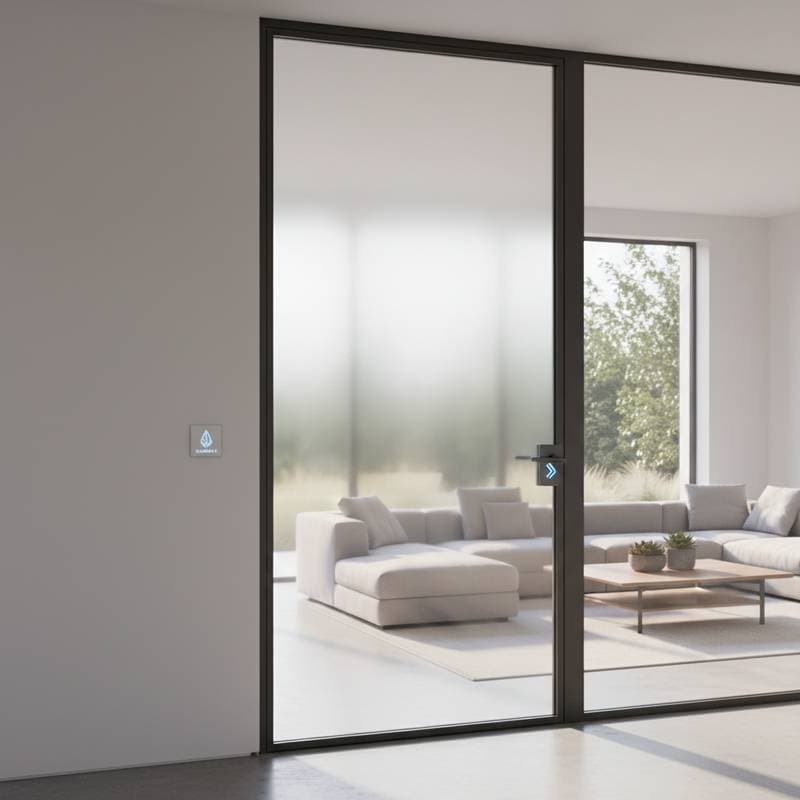
Homeowners increasingly seek adaptable design elements that balance openness with seclusion. Electrochromic glass doors, known as switchable privacy glass, allow users to alter transparency levels instantly via a simple control. This technology merges aesthetic appeal with functional versatility, enhancing daily living in contemporary residences.
Cost remains a primary concern for prospective buyers. These doors typically range from $80 to $200 per square foot, encompassing materials and installation. Factors such as panel quality, dimensions, framing choices, and automation features influence the final expense. Unlike fixed frosted or tinted alternatives, electrochromic options provide dynamic privacy that integrates smoothly into modern architectural schemes.
Typical Cost Breakdown
Project expenses vary based on specifications, yet a detailed overview aids in financial planning.
| Material/Service | Cost Range | Key Features |
|---|---|---|
| Electrochromic Glass Panel | $60 to $150 per sq. ft. | Adjustable tinting, UV blocking, thermal insulation |
| Frame (Aluminum or Wood) | $400 to $1,000 per door | Tailored finishes, compatibility with diverse styles |
| Smart Control System | $300 to $700 | Options for wall-mounted switches, remote access, or integration with home automation |
| Professional Installation | $800 to $2,000 total | Includes wiring, secure sealing, and system calibration |
Labor constitutes 20 to 30 percent of overall costs. Additional electrical modifications, such as routing wires through structural elements, may increase expenses by $200 to $600. Adapting pre-existing openings often necessitates supplementary framing or adjustments.
Comparing Materials and Alternatives
Evaluating electrochromic doors against conventional choices clarifies their value.
| Door Type | Cost Range | Privacy Control | Maintenance |
|---|---|---|---|
| Electrochromic Glass | $80 to $200 per sq. ft. | Instant and variable | Minimal |
| Frosted Glass | $25 to $60 per sq. ft. | Fixed | Minimal |
| Tinted Glass | $30 to $70 per sq. ft. | Constant partial obscuring | Minimal |
| Blinds or Curtains | $10 to $40 per sq. ft. | User-operated | Regular cleaning required |
Permanent solutions like frosted or tinted glass lack adaptability to evolving requirements. Manual coverings offer adjustability but introduce visual clutter and upkeep demands. Electrochromic systems ensure seamless operation and a streamlined appearance.
Installation and Maintenance Considerations
Effective installation demands coordinated skills in glazing and electrical systems. A certified electrician handles low-voltage connections to the control mechanism, while a specialized glazier manages alignment and weatherproofing. Projects generally span one to two days, contingent on scale and site conditions.
Routine upkeep proves straightforward. Apply gentle, non-abrasive cleaners with a microfiber cloth to the surfaces, similar to routine window care. Sealed electrical elements require no periodic intervention. Troubleshooting unresponsive panels often involves checking connections rather than replacing components.
Benefits Beyond Privacy
Switchable glass technology yields advantages that surpass seclusion alone. It mitigates glare, shields interiors from ultraviolet rays, and promotes thermal regulation. In its opaque state, the material impedes solar heat gain, supporting stable indoor climates without excessive reliance on HVAC systems.
These doors elevate real estate appeal as well. Architects favor them for versatile areas like studies, restrooms, or sunlit rooms needing dual light and privacy functions. The minimalist profile complements progressive designs, and interactive features captivate prospective purchasers during showings.
Integrating Electrochromic Doors into Your Space
Consider electrochromic glass doors for upcoming remodels or builds to achieve lasting functionality. Obtain estimates from multiple certified specialists in intelligent glazing to compare options and timelines.
Verify alignment with your home's existing wiring and automation ecosystem. Many configurations sync effortlessly with leading platforms, though some employ dedicated interfaces for optimal performance.
Upon completion, these doors respond intuitively to daily rhythms. Transition from unobstructed vistas in daylight hours to secure opacity after dark, all with minimal effort and enduring sophistication.