Reduce Home Noise by 85 Percent with Advanced Door Cores in 2026
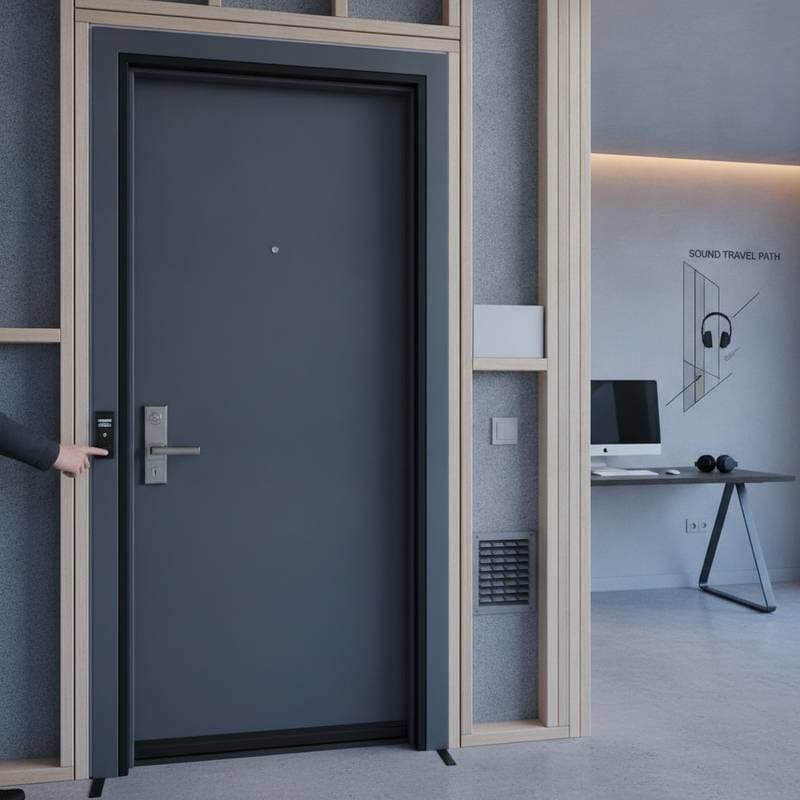
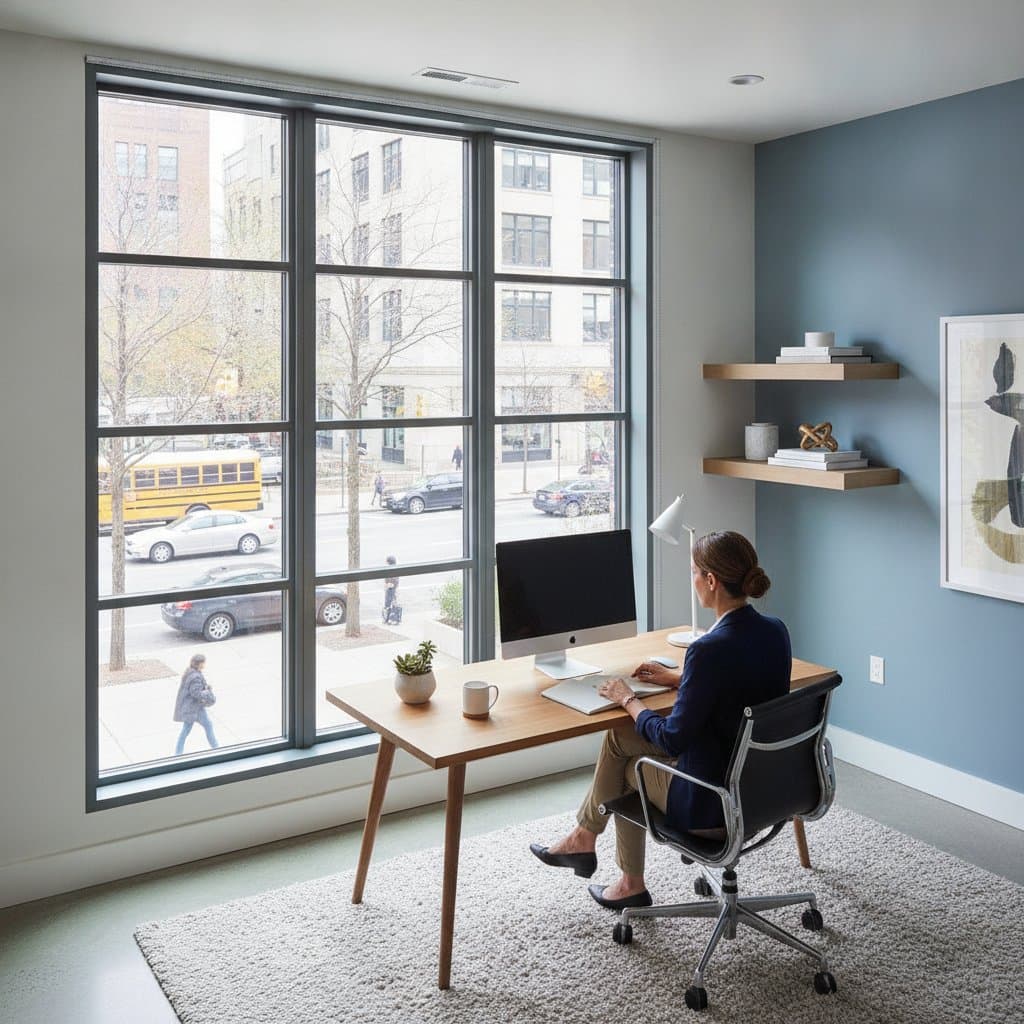
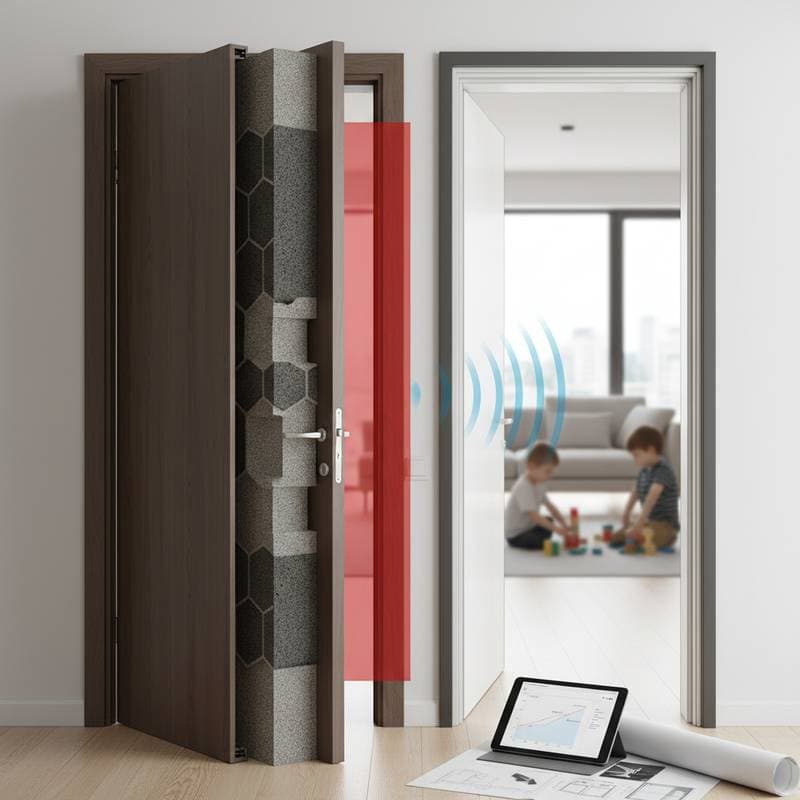
Household noise from traffic, conversations, appliances, or footsteps often disrupts daily life. Homeowners increasingly recognize that upgrading interior door cores can diminish this noise by up to 85 percent. For those planning renovations or seeking enhanced quiet, selecting an appropriate door core delivers tangible improvements in comfort and privacy. This guide examines contemporary acoustic door cores, their costs, and selection criteria to help achieve a serene living environment.
Cost Ranges for Soundproof Door Cores
Homeowners need not replace all doors to gain acoustic benefits. Targeting bedrooms, home offices, or walls adjacent to entertainment areas often suffices. The table below details typical costs for materials and installation, including Sound Transmission Class (STC) ratings that measure noise reduction effectiveness.
| Door Type | Cost Range (Installed) | STC Rating | Best Use |
|---|---|---|---|
| Hollow-Core (Standard) | $100 to $250 | 20 to 25 | Interior rooms with low noise |
| Solid Wood Core | $250 to $600 | 30 to 35 | Bedrooms, hallways |
| Particleboard or MDF Core | $300 to $700 | 35 to 45 | Home offices, shared walls |
| Acoustic Composite Core | $500 to $1,200 | 45 to 55 | Media rooms, apartments |
| Soundproof Engineered Core | $800 to $1,800 | 50 to 60 | Studios, premium installations |
These figures encompass the door slab and labor. Installation fees range from $150 to $300 per door, influenced by frame condition and trim modifications. Custom options with integrated seals or unique materials increase expenses by $200 to $500 per door.
Material Comparisons for Acoustic Door Cores
Door core selection hinges on specific noise challenges and financial constraints. The following comparison highlights prevalent materials in acoustic door fabrication, focusing on cost, attributes, and longevity.
| Core Material | Average Cost per Door | Key Features | Durability |
|---|---|---|---|
| Hollow Core | $100 to $250 | Lightweight, economical, limited control | Moderate |
| Solid Wood | $250 to $600 | Natural aesthetic, solid insulation, weighty | High |
| Medium-Density Fiberboard (MDF) | $300 to $700 | Even surface, dimensional stability, absorption | High |
| Particleboard | $300 to $700 | Affordable, fair noise mitigation | Moderate |
| Acoustic Composite | $500 to $1,200 | Multi-layered design, superior reduction | High |
| Engineered Acoustic Core | $800 to $1,800 | Sophisticated dampening, elite build | Very High |
MDF and composite cores offer optimal balance for typical residences, yielding substantial noise decrease at reasonable prices. Engineered cores suit demanding applications like recording studios or upscale apartments, providing maximal silence.
Indicators for Door Core Replacement or Upgrade
Retaining existing frames saves time and expense if they remain sound. Certain manufacturers supply replacement slabs compatible with current setups, minimizing disruption. Consider upgrading under these conditions:
- Clear audibility of conversations through closed doors
- Easy transmission of sounds between rooms
- Lightweight hollow-core doors that rattle upon closing
- Visible gaps along frames or beneath doors
- Transformation of spaces into offices, studios, or guest quarters
Addressing multiple concerns through core upgrades markedly elevates acoustic comfort.
Installation Options: DIY or Professional
Skilled homeowners may undertake DIY slab replacement, a process spanning two to three hours. Alignment precision proves vital for optimal sound isolation. Professionals guarantee secure hinge, seal, and frame integration, upholding stated STC performance.
Professional services cost $150 to $300 per door, varying with project intricacy. Pre-hung acoustic doors streamline setup yet necessitate trim removal. Verify dimensions and clearances prior to ordering bespoke cores to avoid complications.
Maintenance Strategies for Lasting Performance
Acoustic doors demand minimal upkeep, limited to routine cleaning. Biannual seal and gasket inspections preserve efficacy. Prompt replacement of damaged components, such as cracked or loose edges, sustains noise barriers. Door sweep seals, priced at $20 to $40, install quickly and restore under-door sealing.
Steps to Select and Install Your Ideal Door Core
Begin by assessing noise sources in your home to pinpoint priority areas. Consult the material comparison to match budget with required STC levels. Obtain precise measurements and select doors with complementary seals for comprehensive isolation. Engage a professional for installation if DIY experience lacks, ensuring long-term quiet and enhanced property value through these strategic upgrades.