2026 Home Offices: 85% Quieter with Acoustic Cores
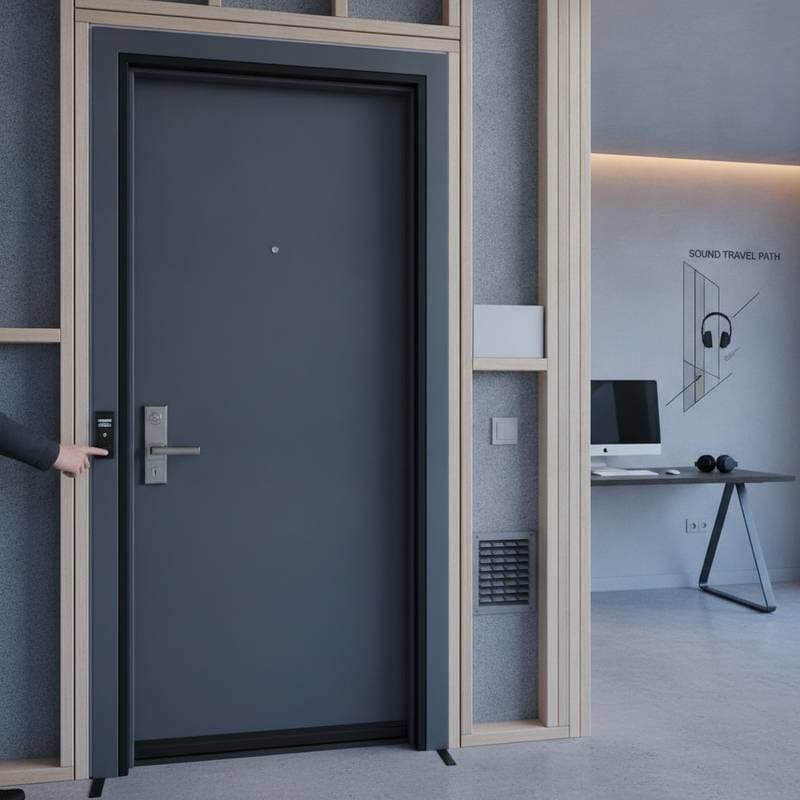
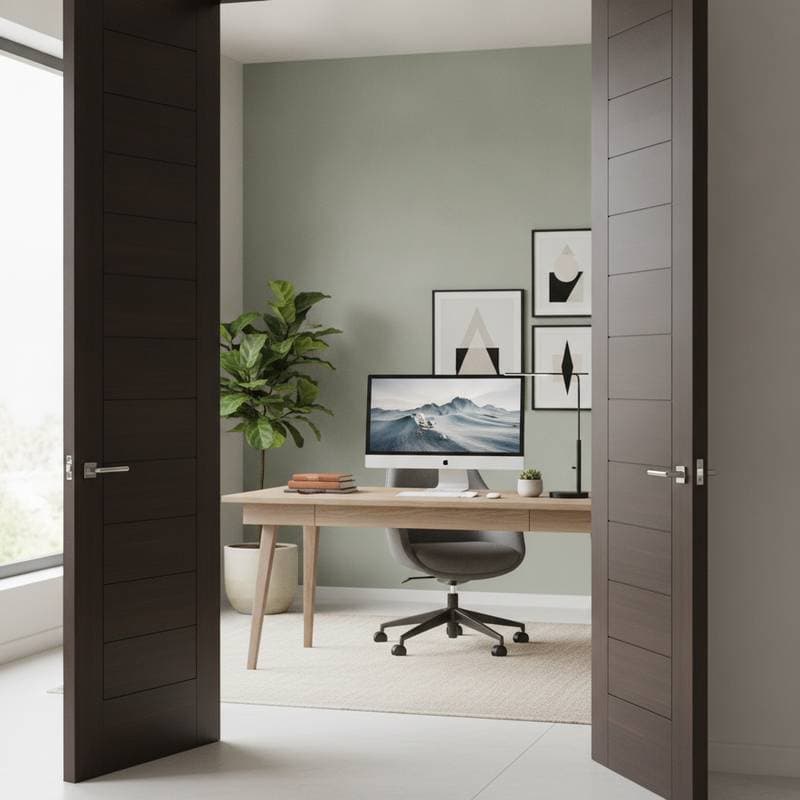
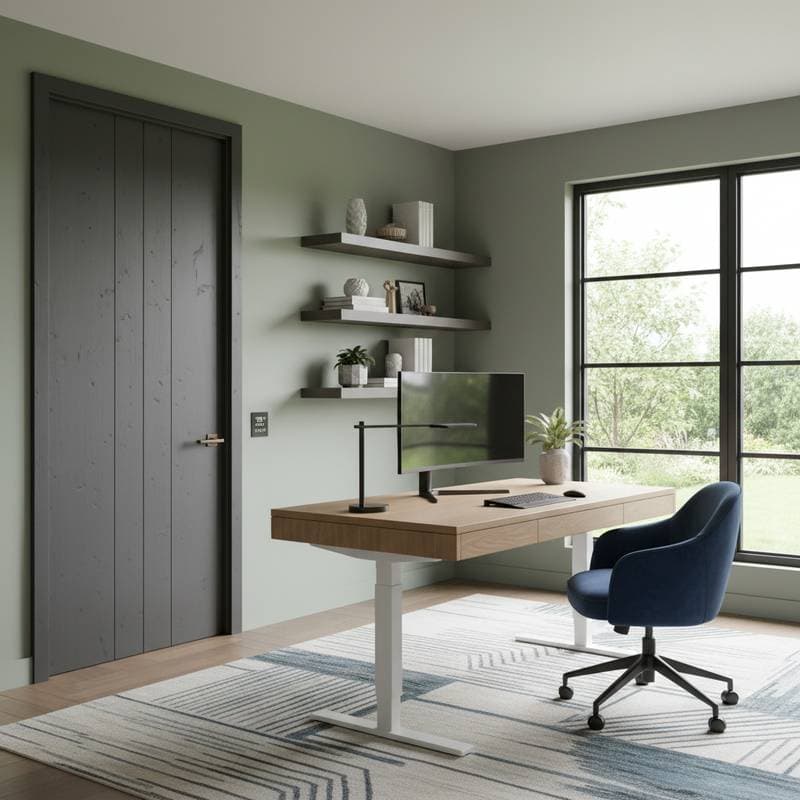
Home offices evolve from temporary setups into dedicated areas that foster concentration and seclusion. With remote work establishing a lasting presence, homeowners prioritize environments that harmonize efficiency and ease. Sound management emerges as a key focus, and doors featuring engineered acoustic cores deliver substantial improvements. These doors diminish sound transmission by as much as 85 percent, establishing distraction-free zones where professional tasks flourish.
Three Approaches to Implement This Design
Budget-Friendly Option ($500 to $1,500)
- Select solid-core composite doors equipped with essential acoustic seals. These outperform hollow-core alternatives in sound suppression and feature straightforward, contemporary panel configurations.
- Choose factory-primed surfaces ready for painting to align with current trim elements.
- Allocate funds toward superior door sweeps and edge seals, which enhance isolation more effectively than aesthetic enhancements.
Mid-Tier Option ($1,500 to $3,500)
- Opt for engineered wood doors with laminated acoustic cores and built-in seals.
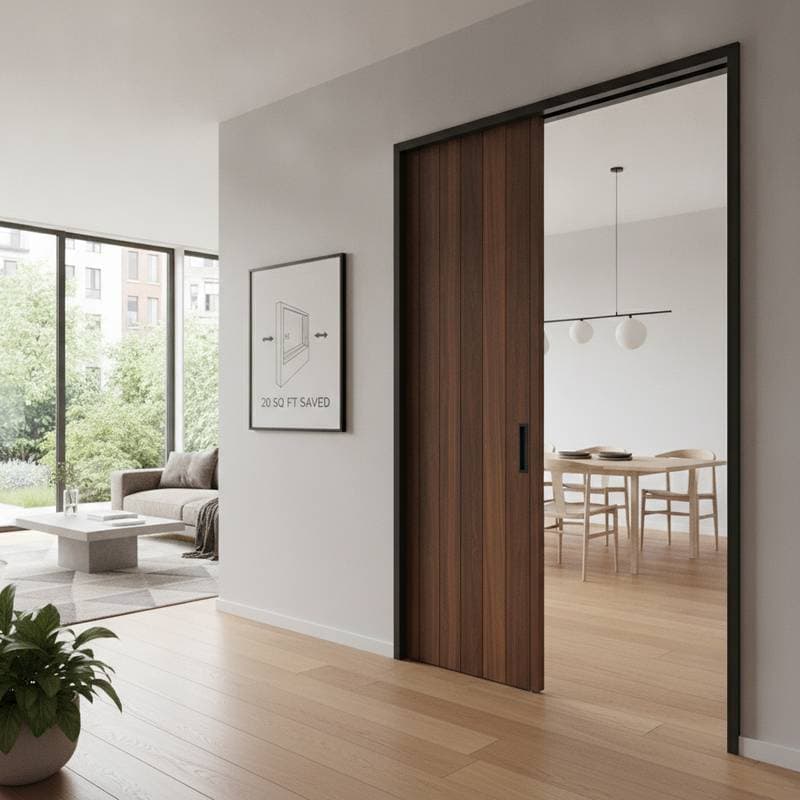
- Incorporate architectural veneers such as walnut, oak, or birch to convey a polished, inviting aesthetic.
- Integrate acoustic glass panels that allow light passage while preserving confidentiality.
- Install lever handles paired with magnetic latches, which ensure secure and silent closure compared to conventional hardware.
Premium Option ($3,500 to $6,000)
- Commission custom acoustic doors verified for sound transmission class ratings.
- Enhance with genuine wood veneers featuring hand-applied finishes or lacquered surfaces that exude refined elegance.
- Pair with matching sound-rated frames, hidden hinges, and automatic door bottoms for optimal operation.
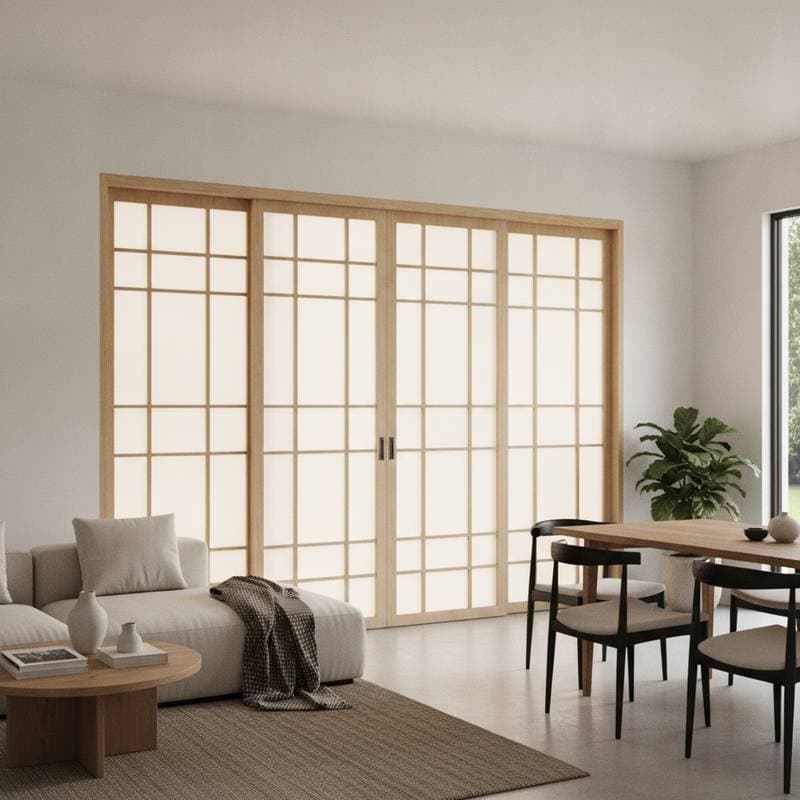
- In larger or collaborative office configurations, employ paired acoustic doors that merge visual appeal with advanced noise control.
Guide to Materials and Finishes
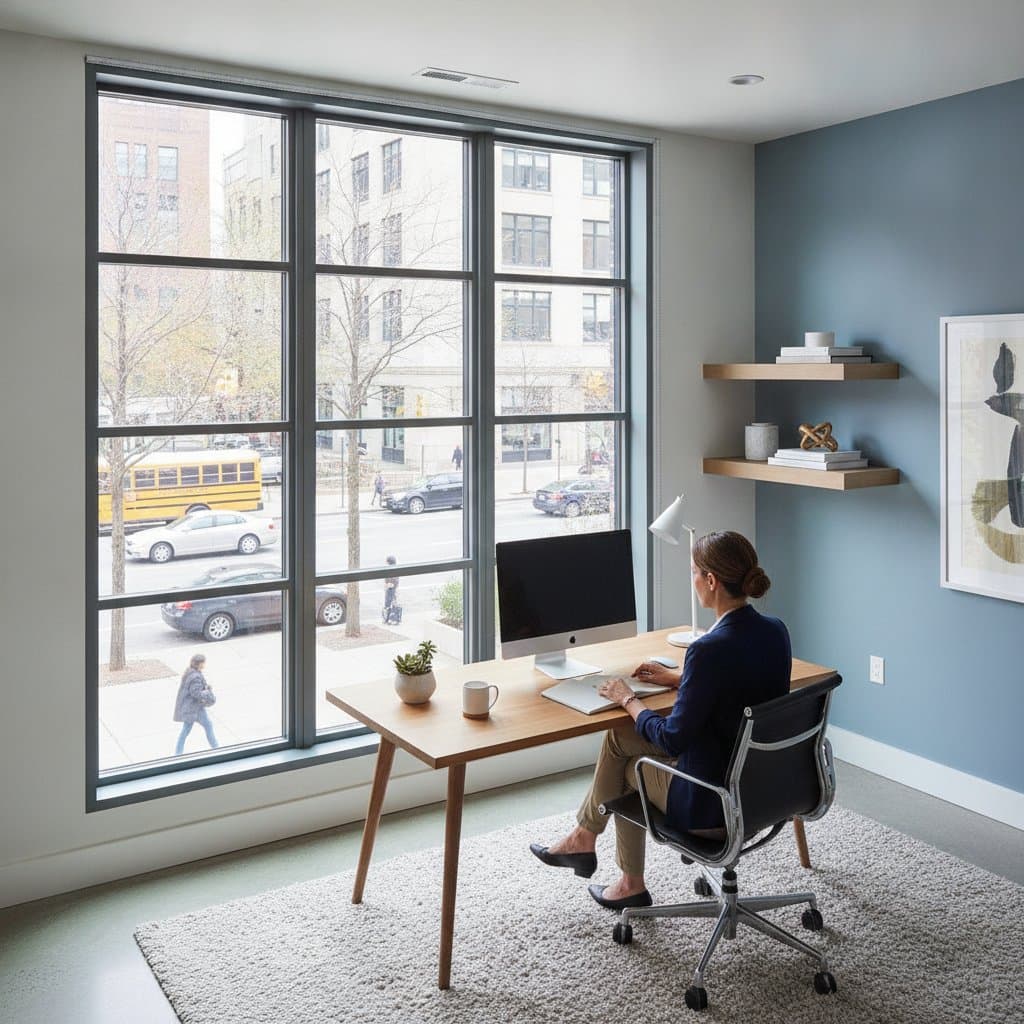
- Windows: Prioritize double- or triple-pane units with laminated glass for superior soundproofing. Black aluminum or bronze frames complement modern designs, whereas white or wood-grain options fit traditional schemes. Layer cellular shades or sound-absorbing curtains to amplify dampening effects.
- Doors: Favor solid-core or specialized acoustic-core constructions from engineered wood or medium-density fiberboard, finished in veneers or paints. Flat panels with vertical grains suit sleek interiors by suggesting verticality. Raised panels or shaker profiles lend dimension to heritage styles.
- Siding: For offices adjacent to outer walls, install fiber cement or insulated vinyl siding to mitigate external sounds. Opt for smooth textures in subdued shades like driftwood gray, subtle beige, or bright white to project composure and professionalism.
- Trim and Accents: Employ matching baseboards and casings finished in satin or semi-gloss paint. Subtle whites or softened taupes outline doors and windows discreetly, keeping emphasis on the work area.
Essential Maintenance Practices
Acoustic doors demand minimal upkeep, limited to routine cleaning and seal evaluations. Clean surfaces using a damp cloth and gentle detergent. Steer clear of abrasive chemicals that might degrade coatings or adhesives. Inspect edge seals biannually to confirm flexibility and adhesion. For doors with glass elements, apply non-scratch cleaners to sustain transparency. Repaint coated surfaces as needed after years of use, and apply light polish to wood veneers to preserve luster.
Siding and window frames benefit from periodic rinsing to avoid residue accumulation that leads to fading or water retention. Aluminum and vinyl require scant effort, but wood demands resealing or refreshing during standard home maintenance cycles. Regular care sustains both efficacy and visual appeal over extended periods.
Common Pitfalls to Avoid
- Neglecting Door Weight and Hardware: Acoustic cores add substantial mass, accelerating wear on ordinary hinges. Specify heavy-duty ball-bearing hinges designed for solid doors.
- Overlooking Seal Placement: Premium doors falter without adequate gaskets. Incorporate full-perimeter seals and automatic bottoms to eliminate gaps.
- Prioritizing Aesthetics Over Utility: Ornate or shiny finishes attract the eye but may conflict with noise-reduction goals. Align selections with functional needs.
- Bypassing Expert Installation: Exact positioning proves vital for acoustics. Minor offsets undermine effectiveness, so engage professionals for precise fitting and frame adjustments.
Strategies for Color and Style Harmony
To achieve seamless integration inside and out, develop a consistent color scheme that transitions fluidly:
- Subdued Neutrals: Warm whites, mushroom grays, and taupes offer enduring serenity.
- Earthy Tones: Medium walnut, honey oak, or ash introduce inviting warmth.
- Contemporary Edges: Charcoal or matte black doors against light walls provide sharp contrast.
- Soft Blues and Greens: These hues deliver subtle vibrancy suited to innovative environments.
- Timeless Whites: Ideal for sparse designs, they maximize light and clarity.
Harmonize undertones across walls, flooring, and woodwork. Test samples under ambient lighting to prevent mismatches, such as a cool-toned door clashing with warm surroundings.
Checklist for Pre-Planning Photography
Record your environment prior to material choices to inform decisions on style and finances. Include these elements:
- Exterior and interior views from varied perspectives to evaluate overall architecture.
- Details of current doors and windows, noting illumination and glare.
- Surrounding neighborhood aesthetics, particularly for stylistic alignment.
- Local climate factors like moisture or thermal shifts impacting durability.
- Financial limits and key priorities for enhancing usability.
Such documentation facilitates precise finish comparisons and clear directives to specialists.
Integrating Elements for Lasting Impact
Advanced sound control now aligns with residential elegance, free from cumbersome or utilitarian appearances. Acoustic-core doors empower owners to craft focused home offices that prioritize both form and function. When combined with noise-resistant windows, aligned siding, and deliberate palettes, these spaces emerge as cohesive retreats.
Strategic planning across cost, care, and craftsmanship yields elite silence infused with homey appeal. Such enhancements sharpen concentration, boost real estate worth, and fulfill demands for versatile, peaceful domains that impress visually and acoustically.