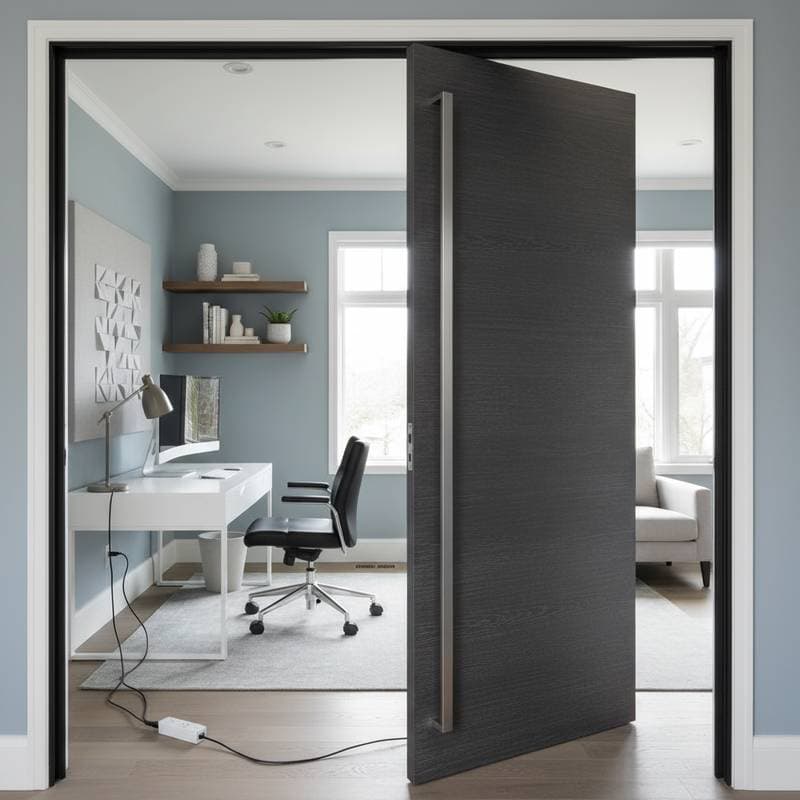
Slash Home Office Noise by 80 Percent with Acoustic Doors
Creating a productive home office demands attention to noise control, an element often neglected in home design. Unwanted sounds from household activities can disrupt focus, elevate stress, and hinder performance. Acoustic doors offer a reliable solution, reducing noise transmission by up to 80 percent while preserving your home's aesthetic and comfort.
This guide details the mechanics of acoustic doors, available options, and selection criteria tailored to your space. It also addresses installation steps, ongoing maintenance, and lifestyle factors to determine if this upgrade suits your needs.
How Acoustic Doors Function
Effective soundproofing relies on controlling vibrations, increasing density, and eliminating air gaps. Acoustic doors integrate multiple layers and features to accomplish these goals.
-
Core Materials
Select doors with solid wood cores, engineered composites, or mineral-filled interiors for superior sound absorption. These dense materials block and dissipate sound waves, outperforming hollow or lightweight options that allow noise to pass through easily. -
Sealing Mechanisms
Perimeter seals, made from rubber or brush materials, compress upon closing to prevent air leaks. Opt for models with automatic drop seals that extend to the floor, sealing the bottom gap and enhancing overall performance. -
Frame and Hardware Integration
Match the door frame to the door's acoustic rating using solid wood or metal constructions with built-in gaskets. Choose heavy-duty hinges and latches that ensure a snug fit, avoiding any play that could compromise sound isolation. -
Precise Installation Techniques
Gaps as small as one-eighth inch can halve effectiveness. Align the door plumb and level, apply acoustic caulk to seams, and secure with appropriate fasteners to meet manufacturer specifications.
Key Benefits of Acoustic Doors
Acoustic doors deliver tangible improvements in daily work life and home dynamics.
Boosted Focus and Productivity
A quieter environment minimizes distractions, allowing deeper concentration on tasks. This proves invaluable in homes where family members juggle remote work, schooling, or leisure simultaneously.
Safeguarded Privacy
During client calls or sensitive discussions, these doors contain voices within the room. This prevents interruptions to others and protects confidential information from unintended eavesdropping.
Greater Overall Comfort
Lower noise levels reduce auditory fatigue, enabling longer work sessions without irritation. Homeowners report feeling more relaxed and efficient in sound-controlled spaces.
Elevated Home Value
As remote work persists, features like acoustic doors appeal to buyers seeking adaptable homes. They signal thoughtful design, potentially increasing marketability and resale price.
Installation Process Overview
Success hinges on meticulous execution. Professionals familiar with soundproofing ensure optimal results.
Initial Assessment
Measure the door opening's dimensions accurately, including height, width, and jamb depth. Evaluate the existing frame's structural integrity; hollow frames may require reinforcement or replacement to support the door's weight, often 50 to 100 pounds heavier than standard models.
Site Preparation
Remove the old door and clear debris from the jamb. Sand rough edges and apply primer if needed for seal adhesion. Upgrade hinges to ball-bearing types rated for heavier loads to prevent sagging over time.
Core Installation
Hang the door with precise shimming for even gaps no wider than one-sixteenth inch. Install seals along the strike plate, header, and threshold. Test the swing for smooth operation without binding.
Performance Testing
Generate noise outside the room, such as playing music at moderate volume, and assess audibility inside. Use a sound level meter if available to quantify reduction; aim for the manufacturer's STC rating, typically 30 to 50 for home use.
Post-Installation Care
Check seals quarterly for wear, cleaning with mild soap to maintain flexibility. Lubricate hinges annually and replace gaskets every three to five years based on usage.
Integrating Acoustic Doors into Daily Life
Beyond productivity, these doors foster household balance by delineating work zones. In family settings, they minimize disruptions from playtime or chores, promoting respectful shared spaces.
Open-plan layouts benefit from a single door creating an instant sanctuary, avoiding costly renovations. For professionals like podcasters or therapists, enhanced isolation ensures clear audio and secure sessions.
Consider complementary measures, such as adding weatherstripping to windows or rugs for floor absorption, to amplify the door's impact without overhauling your setup.
Budgeting for Acoustic Doors
Expect prices from $500 to $2,000 per door, depending on size, core type, and custom finishes. High-STC models justify premiums through verified lab tests, often backed by 10-year warranties.
To optimize value, prioritize STC ratings from independent sources like ASTM standards. Combine with affordable add-ons, like acoustic panels ($50 to $200), for comprehensive noise control at lower total cost.
Suppliers should provide sample seals and performance data upon request. Factor in installation fees, typically $200 to $500, for professional results.
Securing Optimal Performance
Achieve the full 80 percent noise cut by emphasizing seal integrity and frame alignment. Engage installers certified in acoustics, insisting on adherence to guidelines for caulking and hardware torque.
Post-install, monitor during peak noise times like evenings. If leakage persists, reseal edges or adjust the drop mechanism promptly.
Selecting the Ideal Acoustic Door
Assess your office's noise sources: traffic from hallways, appliances, or neighbors. For moderate needs, choose a 35 STC door; severe issues warrant 45 STC or higher.
Match aesthetics to your decor, selecting stains or panels that blend seamlessly. Test samples in your space if possible to verify fit and feel.
Building a Serene Home Workspace
Acoustic doors transform chaotic home offices into havens of focus and calm. By addressing noise at its entry point, you invest in sustained well-being and efficiency. Start with a professional consultation to tailor this upgrade to your unique environment.