Live-Edge Thresholds: The Essential $800 Upgrade for Entryways
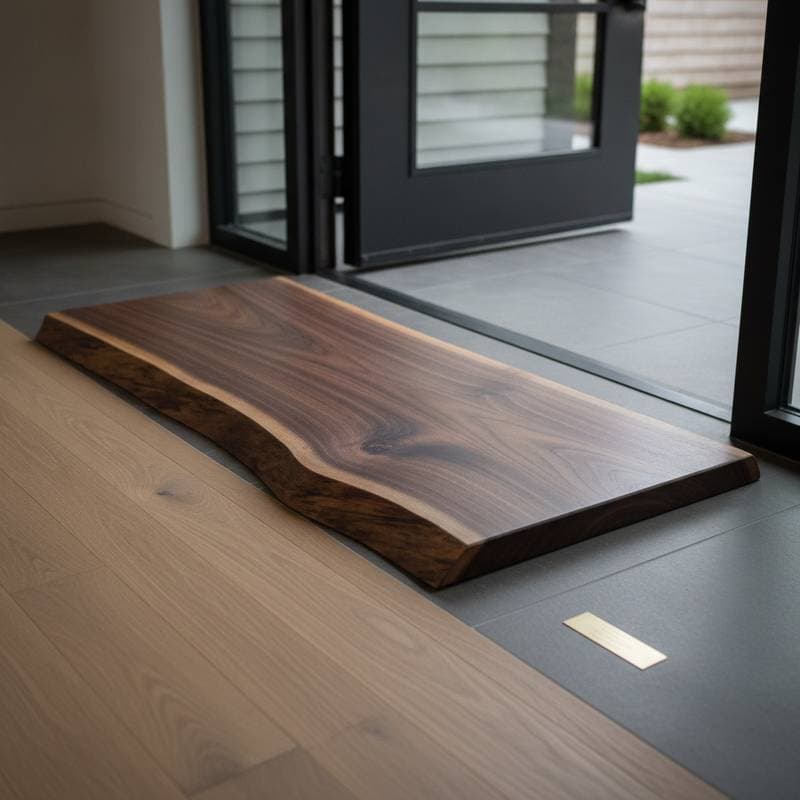
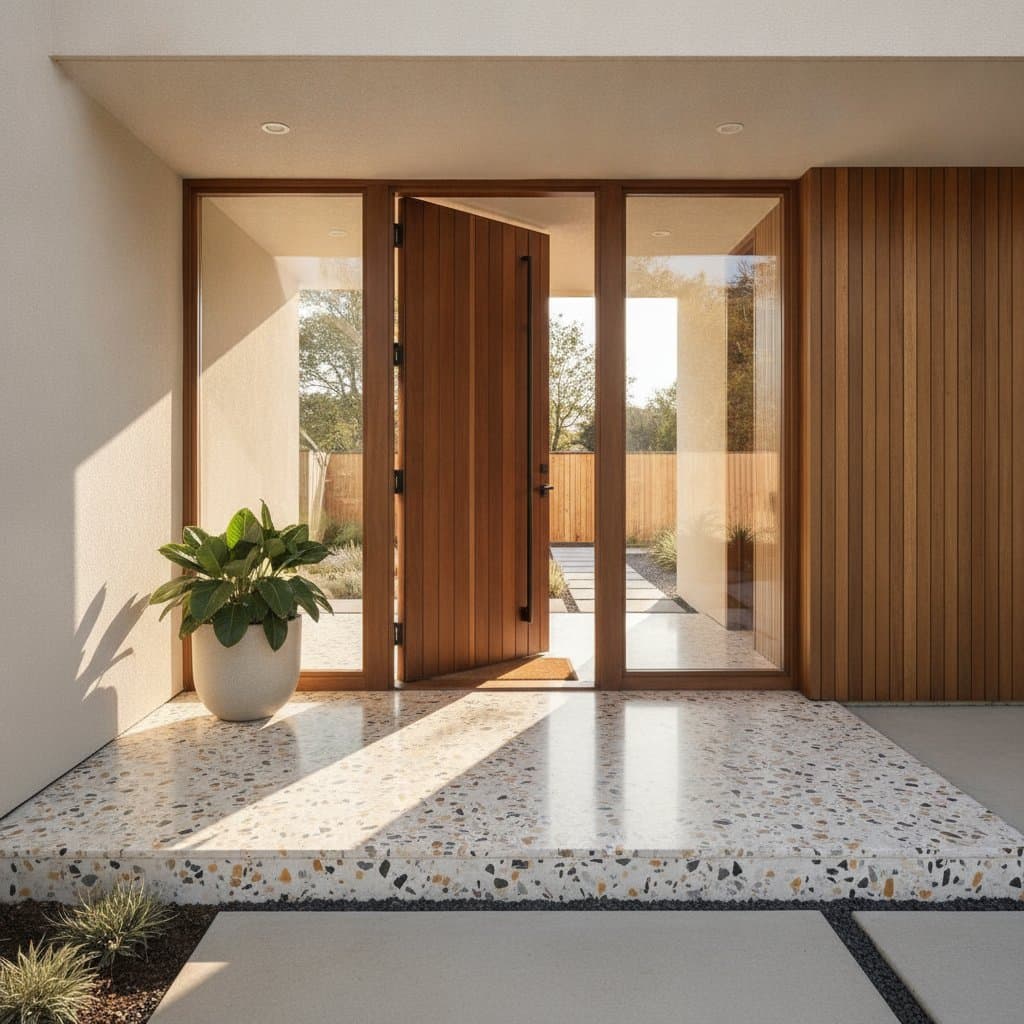
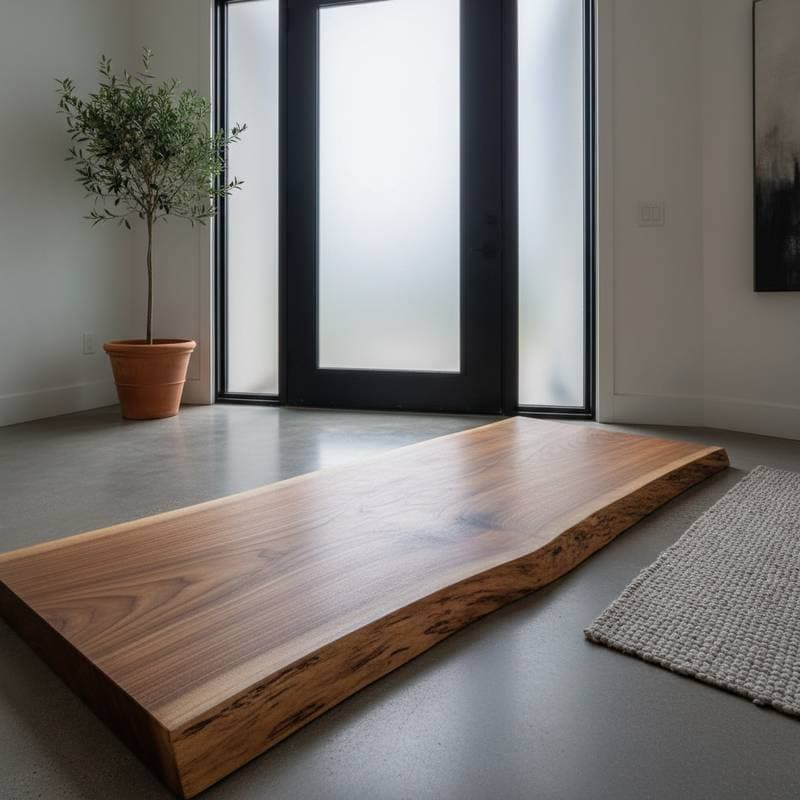
A natural live-edge threshold delivers craftsmanship and a direct link to nature that typical entry materials seldom achieve. This design element turns the transition from interior to exterior into a sculptural highlight. The irregular form of the exposed wood grain tempers sleek modern facades and harmonizes with rustic or contemporary structures alike. Increasing numbers of homeowners select this feature to enhance their entryways, combining texture, warmth, and genuine character in a single compelling detail.
Three Strategies to Achieve This Design
Budget Strategy ($400 - $900)
- Select kiln-dried domestic hardwoods like maple, ash, or birch. These options provide prominent grain patterns and lasting strength at a fraction of the price of exotic imports.
- Choose a compact slab or partial live edge specifically for the threshold area to minimize material use and expenses.
- Apply a durable finish such as marine-grade polyurethane, which protects the surface and wards off moisture penetration.
Mid-Range Strategy ($900 - $1,800)
- Select walnut or white oak for deeper color and pronounced texture. These hardwoods offer sophistication alongside toughness, ideal for areas with frequent use.
- Incorporate a matching live-edge detail on the interior sill or adjacent stair nosing to extend the design theme seamlessly.
- Opt for a bespoke-cut threshold featuring hand-sanded edges that retain the wood's organic shape while providing a level walking surface.
Premium Strategy ($1,800 - $3,000)
- Engage a skilled local artisan to process a reclaimed slab from century-old timber or rescued barn wood. Unique elements like knots, embedded bark, and inherent fissures amplify the piece's historical depth.
- Blend in metal inlays or stone accents to create a multifaceted appearance that pairs well with luxury doors and fittings.
- Use penetrating oil finishes, such as tung or linseed oil, to form a permeable layer that ages into an elegant patina with time.
Guide to Materials and Finishes
Pair live-edge thresholds with window frames in black or bronze to create visual interest. Casement or fixed-frame windows with subtle divisions draw attention to the wood's natural contours. Hardware in matte iron or aged brass reinforces the artisanal quality.
Solid wood or fiberglass doors with upright grain orientations pair effectively. Select stains that align closely with or provide subtle contrast to the threshold, thereby accentuating the entrance. Frosted glass inserts maintain privacy while diffusing light gently.
Board-and-batten or horizontal lap siding in subdued shades like driftwood gray, deep charcoal, or soft sand enhances the wood's inherent tones. For contemporary exteriors, fiber cement or composite siding delivers precise lines that allow the threshold to emerge prominently.
Employ broad trim boards finished to match the threshold's hue for a unified border. Integrate metal lighting and address numerals that align with the hardware's patina for overall consistency.
Essential Maintenance Considerations
Live-edge wood's appeal demands consistent care to preserve its condition. Outdoor thresholds endure exposure to humidity, thermal fluctuations, and daily passage, each potentially impacting the material's stability. Sealed coatings require renewal every two to three years to sustain barrier properties against water.
Oiled treatments involve more regular but straightforward upkeep, typically involving light abrasion followed by fresh application. Prevent water accumulation near the door threshold through adequate grading and runoff systems. In regions with high moisture, routine checks for fungal growth safeguard the protective layer.
Homeowners in arid zones must monitor for splits or contraction and address them with restorative oils. Regular cleaning with mild solutions removes debris without compromising the finish, ensuring longevity.
Common Pitfalls to Sidestep
Select materials attuned to local weather patterns. Softwoods in damp or marine environments invite expansion and deterioration; opt for robust hardwoods or treated composites as alternatives.
Prioritize superior coatings from the outset. An initial high-shine varnish may degrade rapidly without ultraviolet protection suited for exterior applications.
Align elements thoughtfully to avoid discord. A rugged threshold alongside polished chrome accents risks appearing incoherent; match hues and surfaces across windows, doors, and accessories for harmony.
Strategies for Color and Style Harmony
A unified color scheme integrates the threshold as a deliberate choice. The following pairings balance visual elements for enduring appeal:
- Warm Earth Tones: Amber-toned oak threshold with sage green siding and bronze fittings.
- Modern Contrast: Charred walnut threshold, crisp white trim, and black steel highlights.
- Coastal Serenity: Pale ash threshold, soft blue siding, and satin nickel hardware.
- Classic Natural: Golden maple threshold, ivory trim, and aged brass accents.
- Urban Neutral: Gray-washed oak threshold, slate siding, and flat black fixtures.
These combinations weave texture and shade together, ensuring the threshold supports the facade's broader narrative beyond the door itself.
Pre-Planning Documentation Guide
Homeowners benefit from capturing current site details before procuring materials or selecting treatments. Such records inform choices and facilitate clear exchanges with contractors or vendors.
Documentation Steps:
- Capture high-resolution images of the entry from various perspectives, including detailed shots of the sill and adjacent moldings.
- Catalog key architectural traits to retain or replicate, such as supporting pillars, masonry elements, or window profiles.
- Document community surroundings and any regulatory limits on exterior palettes or substances.
- Log environmental influences including direct sunlight, shadowed areas, and water flow dynamics.
- Define a feasible spending bracket and prioritize allocations between essential and flexible areas.
Integrating the Threshold Effectively
A live-edge threshold serves as both an aesthetic declaration and a bridge between artisanal tradition and modern habitation. It encourages tactile interaction, underscores material integrity, and crafts an indelible initial encounter. Thoughtful integration with siding, windows, and doors elevates a standard entry to focal status.
Success depends on equilibrium. Materials must suit regional conditions, treatments align with personal upkeep preferences, and shades resonate with the structure's style. From straightforward domestic hardwood selections to tailored craftsman creations, the live-edge threshold emerges as a pivotal enhancement for those seeking depth in design.
Executed precisely, this feature demonstrates how modest components can profoundly uplift exteriors. A meticulously fashioned threshold converts passages into sensory invitations, greeting arrivals with organic texture, inviting warmth, and perennial natural allure.