Reclaimed Barn Doors at $8,000: Investment or Overreach?
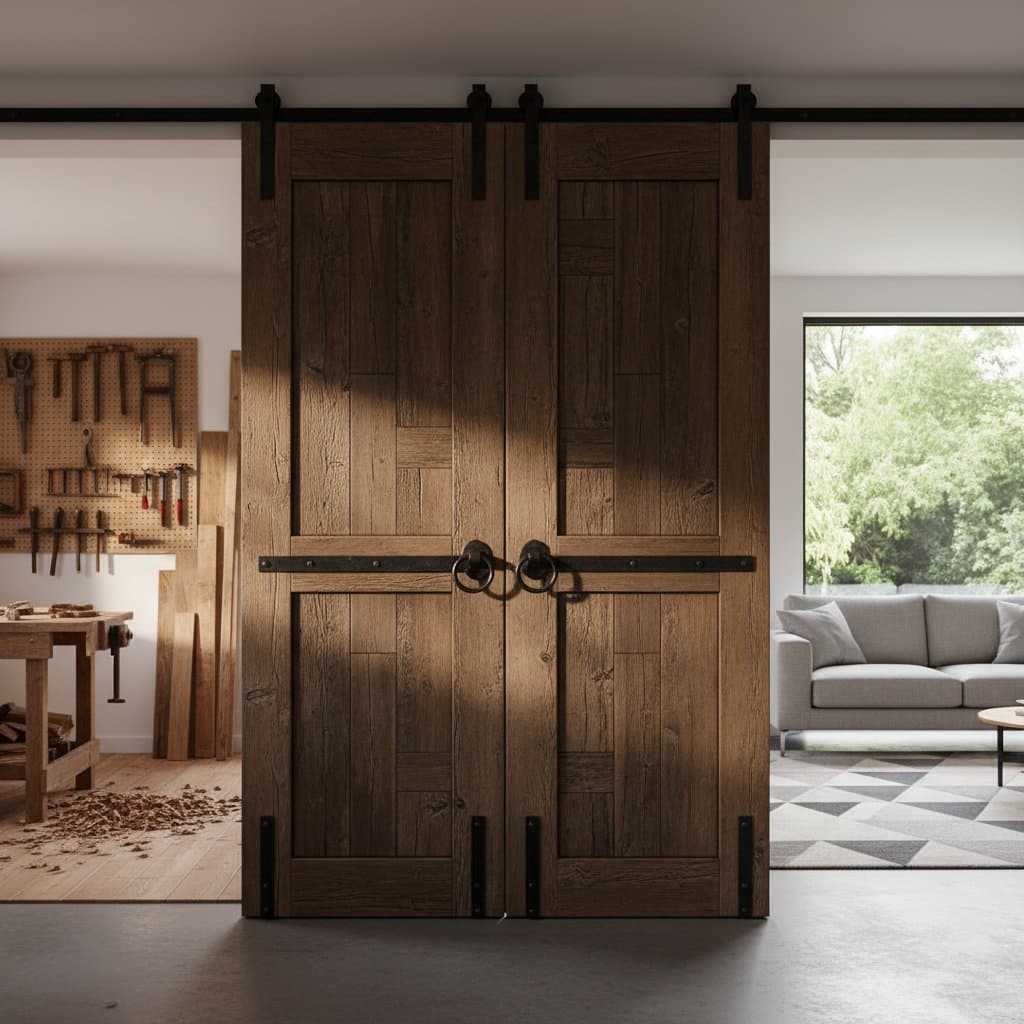
Reclaimed barn doors capture the essence of rustic elegance by merging aged timber's history with precise modern construction. These pieces feature weathered grains, authentic tool marks, and an eco-friendly profile that appeals to discerning homeowners. However, when prices reach $8,000, questions arise about whether this reflects superior quality or inflated trends. By examining sourcing challenges, production processes, and enduring benefits, you can determine if such a door aligns with your home's vision and budget.
The Unique Draw of Reclaimed Wood
Reclaimed wood stands out for its genuine narrative. Sourced from century-old barns, industrial warehouses, or abandoned farm buildings, these timbers have endured weather, seasons, and use, resulting in rich patinas and irregular grains unmatched by fresh cuts. Each imperfection, from embedded rust stains to natural splits, contributes to a door that feels alive with character.
This authenticity resonates on multiple levels. Environmentally conscious buyers appreciate the reduced demand on forests, as reclaimed materials divert waste from landfills. Design enthusiasts value the tactile warmth and visual depth that elevate spaces beyond standard interiors. Ultimately, these doors serve as more than barriers; they embody a commitment to timeless style and responsible choices.
Factors Driving the High Cost
Producing a reclaimed barn door involves meticulous steps that justify the premium. Harvesting begins with scouting remote sites, often requiring permissions and safe disassembly to preserve board integrity. Once collected, workers meticulously de-nail, power-wash, and kiln-dry the wood to eliminate pests and stabilize moisture content, a labor-intensive phase that can span weeks.
Assembly demands skilled artisans who hand-plane edges, create custom mortise-and-tenon joints, and apply protective oils or waxes. Larger formats, such as 8-foot-tall sliding panels, demand reinforced frames to handle weight up to 200 pounds. Premium hardware, like forged steel tracks from heritage foundries, and bespoke finishes tailored to your room's lighting further escalate expenses.
Documentation enhances value too. Reputable providers supply provenance reports detailing the wood's era and origin, such as 19th-century oak from Midwest grain silos. This transparency not only verifies authenticity but also boosts resale appeal in markets favoring sustainable features.
Reclaimed Versus Alternative Wood Doors
To make an informed choice, compare options across key metrics. Consider initial outlay, durability under daily use, upkeep needs, and suitability for your lifestyle.
| Option | Initial Cost | Lifespan | Maintenance | Best For |
|---|---|---|---|---|
| Reclaimed Barn Door | $5,000–$8,000 | 50+ years with care | Annual sealing, refinishing every 5–10 years | Authenticity seekers prioritizing sustainability |
| New Solid Wood Door | $2,000–$5,000 | 30–50 years | Biannual cleaning, finishing as needed | Buyers desiring uniform aesthetics and warranties |
| Engineered Wood Door | $1,000–$3,000 | 20–40 years | Low; occasional dusting and wiping | Budget-focused users needing humidity resistance |
New solid wood doors provide reliable performance with factory finishes that resist fading. Engineered variants, built from layered veneers, minimize warping in fluctuating climates but offer less organic appeal. Reclaimed doors excel in uniqueness, though they demand precise installation to avoid sagging over time.
Assessing Long-Term Worth
Beyond upfront costs, evaluate how a reclaimed door performs over years. High-quality examples retain value, often appreciating in homes sold within eco-design hotspots like coastal California or urban lofts. Their rarity can command 10–20% higher offers from buyers drawn to narrative elements.
Preparation is crucial for longevity. Opt for doors with verified low moisture content below 8% to prevent seasonal shifts. Professional sealing with UV-resistant topcoats shields against sun damage, while internal reinforcements ensure smooth operation for generations.
Neglect can diminish returns, so factor in ongoing care. Untreated reclaimed wood risks cracking in dry winters or molding in humid summers, potentially halving its lifespan compared to well-maintained pieces.
Installation Essentials for Seamless Results
Successful integration starts with site evaluation. Measure your opening precisely, accounting for a 1–2 inch clearance to accommodate wood movement. Assess wall load-bearing capacity, as heavy doors require reinforced headers or bypass tracks rated for 300 pounds.
Acclimate the door in your home for 7–10 days to match ambient humidity, reducing future adjustments. Installation pros then secure the overhead rail with lag bolts into studs, hang the door on adjustable rollers, and test for plumb alignment using laser levels.
Final touches include applying edge seals to unfinished sides and lubricating rollers with silicone spray for quiet gliding. Expect 4–6 hours for a standard setup, longer for custom arches or barn-style pivots.
Sustaining Performance Through the Years
Reclaimed wood evolves gracefully, with sunlight gradually enhancing its golden hues over months. This natural aging appeals to those embracing organic change, but consistent care preserves vibrancy. Wipe surfaces weekly with a soft cloth dampened in mild soap solution, avoiding harsh chemicals that strip natural oils.
Reseal every 2–3 years using tung oil for breathable protection, or polyurethane for high-traffic areas. Monitor for expansion in steamy bathrooms by incorporating flexible gaskets on tracks. In arid zones, humidifiers near the door prevent excessive drying.
Annual checks of hardware—tightening screws and cleaning debris—forestall issues like sticking or noise. With these habits, your door not only endures but enhances your space's allure indefinitely.
Key Factors in Your Decision
Selecting a reclaimed barn door warrants careful reflection on personal and practical elements:
- Style Alignment: Does the wood's varied tones and textures complement your decor, such as pairing weathered pine with minimalist kitchens?
- Financial Allocation: Can you allocate funds here without compromising other upgrades, like energy-efficient windows?
- Care Readiness: Will you commit to routine treatments, or prefer low-effort alternatives?
- Future Outlook: Does this piece support your home's evolution, potentially boosting market value in 5–10 years?
Securing Lasting Quality
Partner with suppliers offering transparent sourcing and artisan certifications. Request to view in-process photos or visit workshops to gauge joinery strength. Test samples for weight and finish durability before committing.
A thoughtfully selected reclaimed barn door transcends functionality, weaving historical depth into contemporary living. It fosters a sanctuary that reflects enduring values, delivering satisfaction that appreciates with time.