Reclaimed Barn Wood Doors: Character, Craftsmanship, and Enduring Value
Reclaimed barn wood doors introduce warmth and authenticity into any home. They merge rustic charm with environmental stewardship through natural imperfections, aged patina, and robust construction. These elements establish a compelling focal point that bridges historical essence with modern relevance. Homeowners often observe that installing one or more such doors enhances curb appeal and elevates resale value by thousands of dollars, while advancing sustainable construction methods.
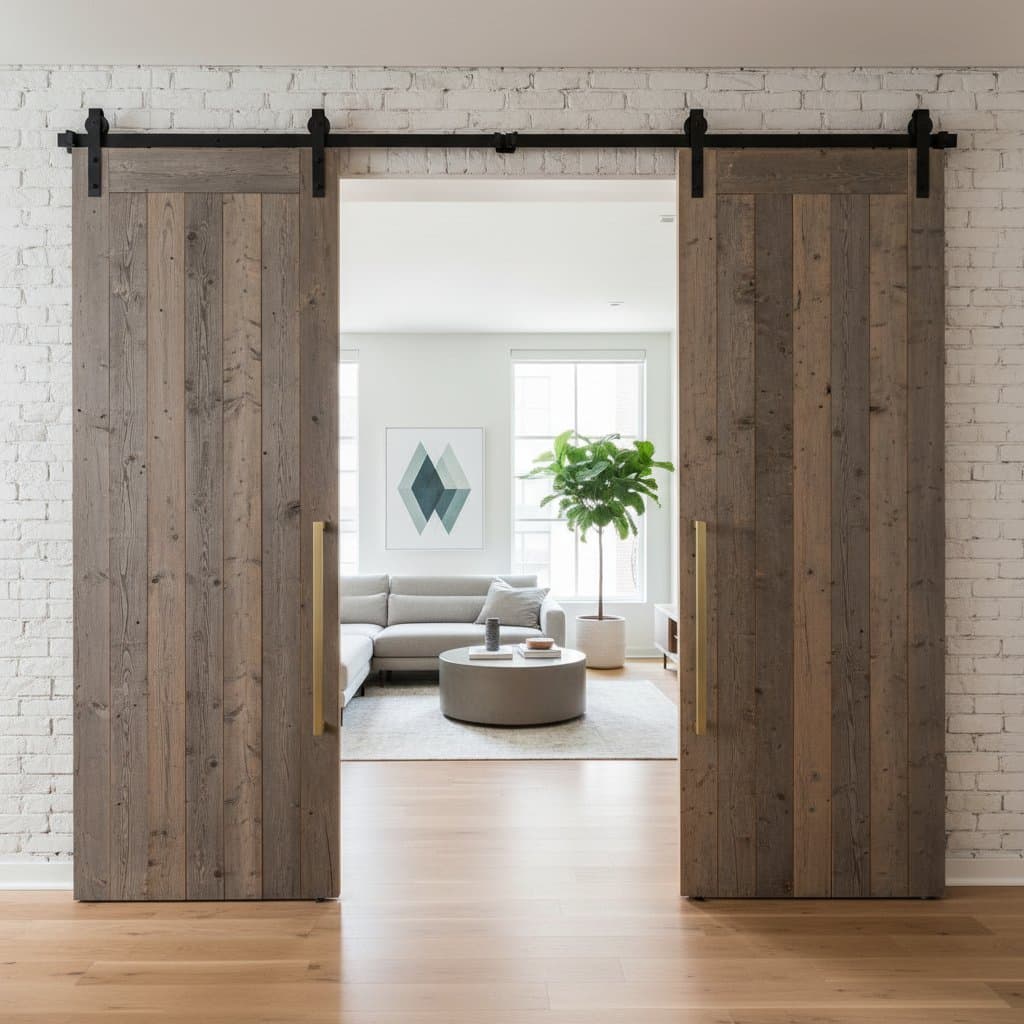
The allure stems from their seamless integration of past and present. Each plank bears a unique narrative, yet when combined with contemporary hardware or streamlined interiors, the aesthetic remains vibrant rather than merely sentimental. Whether gliding along polished black tracks or pivoting on classic hinges, reclaimed barn wood doors infuse texture that elevates diverse architectural profiles.
Three Strategies to Achieve This Aesthetic
Budget Strategy ($500 to $1,500)
- Select reclaimed veneer panels or engineered wood doors featuring a distressed finish to replicate authentic salvaged wood.
- Source prefabricated barn-style doors from regional suppliers that emulate the patina and grain of genuine reclaimed timber.
- Allocate resources toward superior rolling hardware, as fluid functionality transforms an economical door into a luxurious feature.
Mid-Range Strategy ($1,500 to $3,500)
- Incorporate genuine reclaimed planks harvested from barns or industrial sites for tangible historical depth.
- Pair solid wood panels with fresh backing materials to enhance stability and minimize risks of warping over time.
- Choose hand-forged or powder-coated steel hardware that harmonizes with the wood's inherent grain patterns.
- Engage professional installers to guarantee precise alignment, particularly for substantial doors that demand careful handling.
Premium Strategy ($3,500 to $6,000)
- Commission fully custom reclaimed barn wood doors tailored to precise dimensions and coordinated with prevailing trim elements.
- Specify timber from particular regions or structures to infuse provenance and enrich the design narrative.
- Incorporate glass inserts, bespoke iron straps, or integrated lighting solutions for refined sophistication.
- Collaborate with artisans experienced in reclaimed materials to verify structural soundness and prolonged resilience.
Guide to Materials and Finishes
Reclaimed barn wood doors excel in both sliding and hinged configurations, with finishes spanning weathered gray tones to rich honey brown hues based on timber origin and age. Oil-based sealants maintain color variations while repelling moisture effectively.
For complementary windows, opt for slim black aluminum frames or bronze-clad wood options that accentuate the wood's organic texture. Divided-lite patterns or straightforward rectangular panes preserve equilibrium in the overall design.
To harmonize with siding, select fiber cement or composite materials in subdued neutrals like driftwood, sand, or pale stone. These choices permit the reclaimed wood to emerge prominently without dominating the exterior facade.
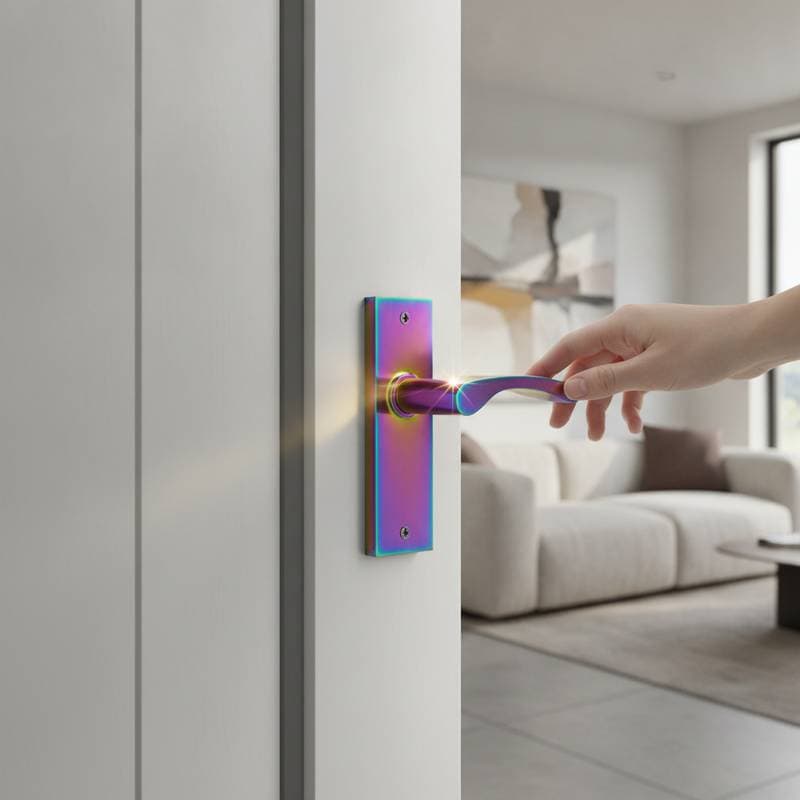
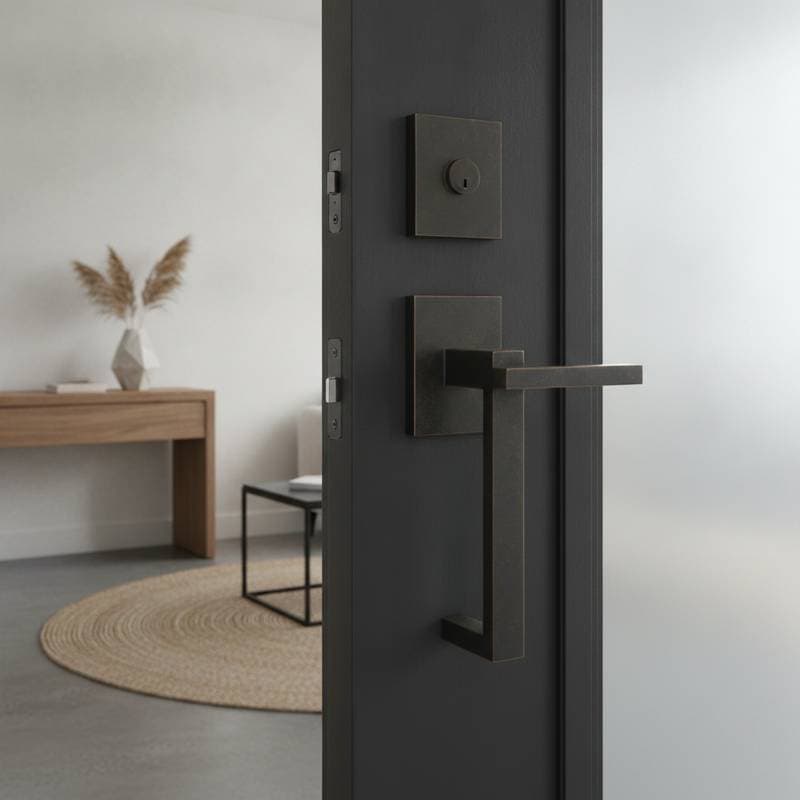
Matte black or aged bronze hardware underscores the rustic-modern fusion for trim and accents. Steel light fixtures or galvanized planters further evoke the wood's industrial roots, creating a unified visual theme.
Essential Maintenance Practices
Reclaimed wood possesses inherent durability, yet it benefits from consistent upkeep. Clean surfaces periodically with a damp cloth to eliminate dust and pollen accumulation. Reapply protective oil or wax finishes every few years to avert cracking and color loss.
Steer clear of abrasive cleaners that deplete natural oils or roughen the grain. In regions with high humidity, promote sufficient airflow to counteract swelling. For outdoor placements or moisture-exposed zones, utilize clear sealants with UV inhibitors to prolong lifespan without compromising the wood's characteristic tone.
Common Pitfalls to Sidestep
-
Overlooking Wood Stability: Installers sometimes proceed without verifying proper seasoning of the reclaimed wood. Boards recently salvaged may retain excess moisture, resulting in distortion. Insist on kiln-dried or air-cured timber prior to fabrication to ensure reliability.
-
Excessive Rustic Overload: Combining reclaimed barn wood with abundant stone, weathered metal, and coarse textures throughout a space risks a dim, outdated atmosphere. Balance the rugged texture against sleek plaster walls, understated lighting, or contemporary furnishings for visual harmony.
-
Compromising on Hardware Quality: Inexpensive tracks and rollers frequently lead to jamming or irregular motion. Even within budget constraints, favor robust steel or aluminum components equipped with reliable bearings for seamless performance.
-
Disregarding Finish Upkeep: Exposed unsealed reclaimed wood deteriorates rapidly under direct sunlight. Apply a subtle layer of UV-resistant oil to safeguard the patina and retain the door's inviting surface quality.
Coordinating Colors and Styles
A unified color scheme amplifies the impact of the reclaimed door while aligning with broader architecture. Consider these curated combinations:
-
Warm Neutral Ensemble: Pair an aged oak door with cream siding, bronze fixtures, and tan mortar joints for subtle elegance.
-
Cool Tonal Contrast: Integrate a weathered gray door alongside white stucco walls, black metal windows, and slate roof tiles for crisp definition.
-
Modern Rustic Blend: Feature a medium brown barn door with charcoal siding, brushed nickel accents, and clear glass panels for versatile appeal.
-
Coastal Serenity: Employ a sun-bleached pine door with pale blue trim, sand-colored siding, and whitewashed decking to evoke tranquil shores.
-
Urban Industrial Edge: Utilize a dark walnut door against concrete-look panels, matte black fixtures, and exposed brick accents for bold sophistication.
These schemes adapt to various residences, from quaint suburban homes to sleek farmhouses. The principle involves allowing the reclaimed wood to draw focus amid straightforward, cohesive supporting elements.
Preparation Checklist for Implementation
- Gather current exterior photos capturing multiple perspectives.
- Document close-up images of present doors, windows, and trim details.
- Record observations on the home's architectural style and surrounding neighborhood influences.
- Identify any homeowners association guidelines or historical preservation requirements.
- Assess local weather patterns, including sun exposure, rainfall, and wind factors.
- Define budget limits and designate key investment zones.
Realizing the Full Potential
Reclaimed barn wood doors transform eco-conscious choices into captivating design statements. They deliver unparalleled texture, warmth, and timelessness that surpass conventional materials. Select from off-the-shelf solutions or bespoke commissions to create a portal that narrates history with every passage.