Acoustic Windows: Achieving 85 Percent Noise Reduction in Urban Settings by 2026
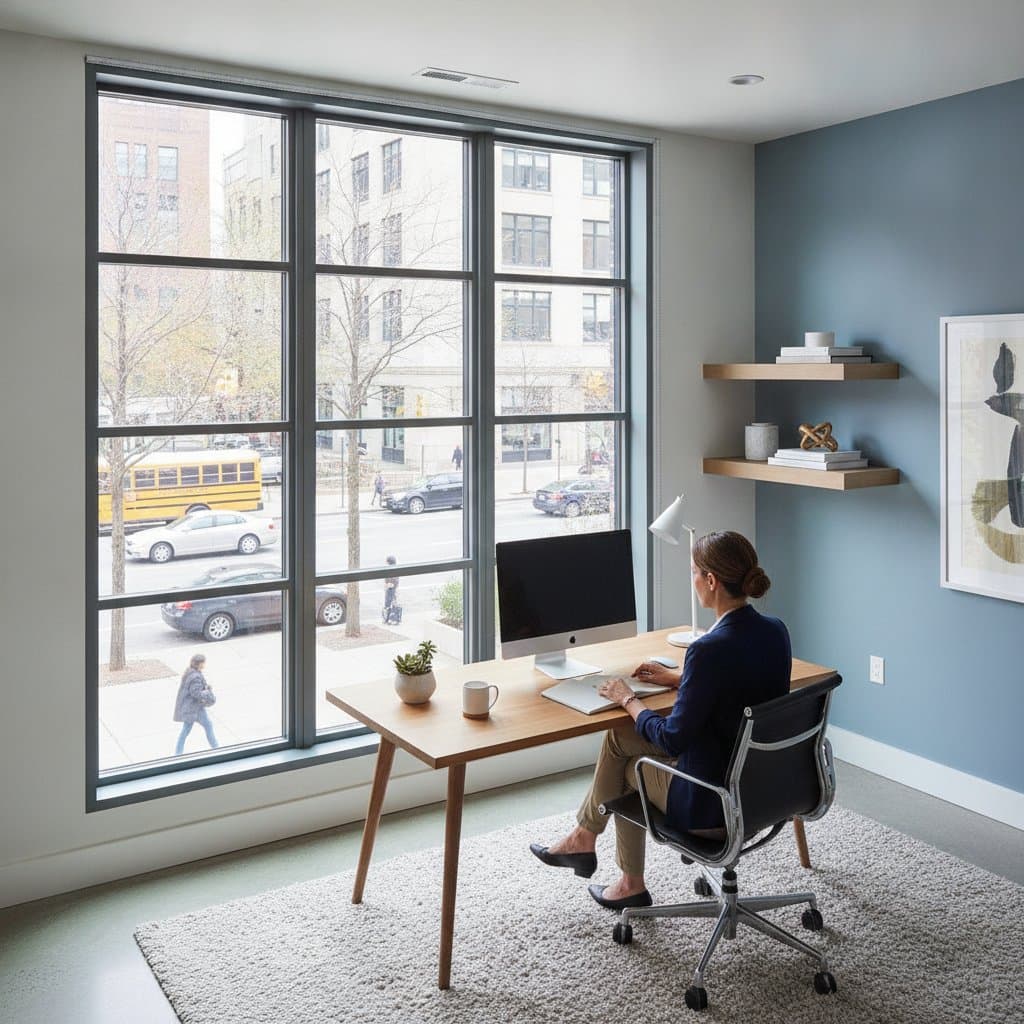
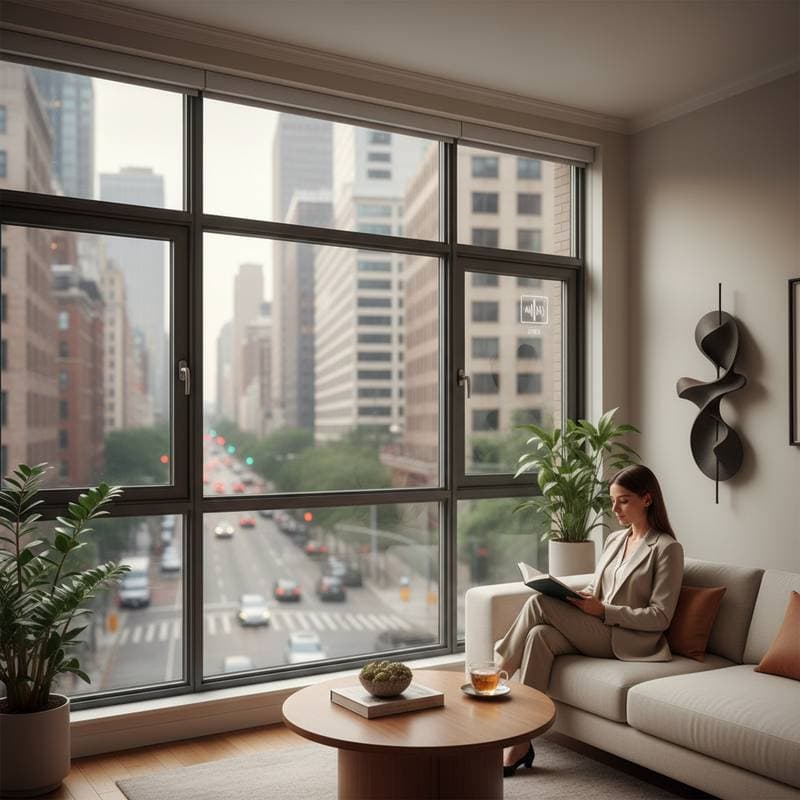
Urban environments offer vibrant energy and accessibility, yet they often deliver relentless noise from traffic, construction, and daily bustle. This persistent sound intrusion disrupts rest and concentration within homes. Acoustic windows address this challenge directly by blocking up to 85 percent of external noise, creating tranquil interiors even in high-traffic areas.
Advancements in window technology position acoustic solutions as a standard upgrade by 2026, with improved designs enhancing performance and affordability. Homeowners gain practical tools to reclaim quiet spaces. The following sections detail costs, materials, installation, and long-term advantages.
Core Features of Acoustic Windows
Standard windows permit sound transmission through thin glass and basic frames. Acoustic windows, however, incorporate specialized elements to disrupt and absorb sound waves effectively. These innovations target both high-frequency sounds, such as voices, and low-frequency rumbles from vehicles or machinery.
Key components include:
- Laminated glass layers: Two or more panes bonded with a viscoelastic interlayer that dampens vibrations and prevents sound passage.
- Varying glass thicknesses: Asymmetric configurations scatter sound frequencies, reducing resonance across the spectrum.
- Expanded air spaces: Gaps of at least one inch between panes trap and dissipate noise energy, particularly effective against bass tones.
- Perimeter acoustic seals: Rubber or silicone gaskets ensure airtight fits, eliminating leaks that compromise isolation.
These elements combine to achieve sound transmission class (STC) ratings of 40 or higher, far surpassing typical windows rated at 25 to 30. Select models integrate micro-perforated panels for additional absorption without altering aesthetics.
Enhancing Energy Performance and Property Worth
Beyond noise control, acoustic windows boost thermal insulation, mirroring features in premium energy-efficient designs. Double- or triple-pane configurations with insulated gaps minimize heat loss, potentially cutting utility bills by 10 to 20 percent annually.
Many units include low-emissivity (low-E) coatings that reflect infrared radiation while allowing visible light. Argon or krypton gas fills in the panes further improve efficiency by reducing convective heat transfer. These attributes lessen reliance on heating, ventilation, and air conditioning systems.
In urban markets, such upgrades appeal to buyers seeking modern comforts. Real estate analyses indicate that homes with verified acoustic enhancements command premiums of up to 8 percent. Certifications from bodies like the International Window and Door Association add credibility, signaling quality to potential purchasers.
Insights from Industry Professionals
Acoustic windows rank among the top choices for residential sound mitigation, according to experts in the field. "Proper selection and fitting make all the difference," notes Mark Daniels, a certified glazing specialist in Chicago. "A minor installation flaw can diminish effectiveness by 30 percent, so professional expertise ensures optimal results."
Daniels emphasizes evaluating site-specific noise sources before purchase. For instance, homes near airports require broader frequency blocking than those facing residential streets. He recommends third-party testing reports to verify claims, avoiding products with unsubstantiated performance metrics.
While some retailers offer DIY kits, professionals advise against them for complex retrofits. Trained installers use laser levels and acoustic meters to achieve precise alignments, maximizing return on investment.
Indicators for Window Replacement
Assess your current setup if external sounds penetrate indoors despite closed windows. Single-pane glass, outdated frames with gaps, or fogging between layers signal reduced efficacy. These issues amplify noise entry and energy waste.
Properties adjacent to major roads, rail lines, or industrial zones stand to gain the most. Measure decibel levels inside during peak hours; readings above 50 dB suggest intervention. Visual inspections for warped seals or loose fittings provide further clues.
Upgrading aligns with broader home improvements, such as insulation or HVAC overhauls, for compounded benefits. Consult local building codes to ensure compliance, especially in historic districts with aesthetic restrictions.
Upkeep and Expected Durability
These windows demand little ongoing attention to maintain peak function. Wipe surfaces with a mild, ammonia-free cleaner and soft cloth quarterly. Inspect seals and hardware yearly for wear, addressing issues promptly to preserve integrity.
Laminated components resist impacts and ultraviolet exposure, outperforming standard glass. Frames crafted from vinyl, fiberglass, or treated wood endure environmental stresses. With routine care, expect service life of 20 to 30 years.
Should seals degrade, technicians can replace them without pane removal, extending usability. Warranties often cover 10 to 20 years, with transferable options for resale.
Steps to Select and Install Acoustic Windows
Begin research by identifying noise profiles in your area using free decibel apps or professional audits. Contact three to five certified contractors for on-site evaluations and detailed proposals.
Compare options based on STC ratings, U-factors for energy, and material durability. Request samples to assess clarity and operation. Verify installer credentials through organizations like the National Fenestration Rating Council.
Budget typically ranges from $500 to $1,200 per window, depending on size and features. Factor in rebates for energy-efficient models from utility providers. Timeline for installation spans one to three days per room, minimizing disruption.
Post-installation, test noise levels to confirm reductions. Adjustments, if needed, fall under standard warranties. This process yields measurable improvements in daily living quality.
Realizing Lasting Urban Serenity
Investing in acoustic windows equips homeowners to counter city clamor effectively. The 85 percent noise barrier fosters better sleep, productivity, and well-being. By 2026, widespread adoption will normalize these upgrades, making quiet havens accessible to more residents.
Pair this enhancement with interior sound-absorbing elements, like rugs or panels, for comprehensive results. Urban dwellers deserve spaces that recharge rather than exhaust, and acoustic windows deliver that foundation.