Acoustic Laminated Glass: Quiet Style for Modern Living
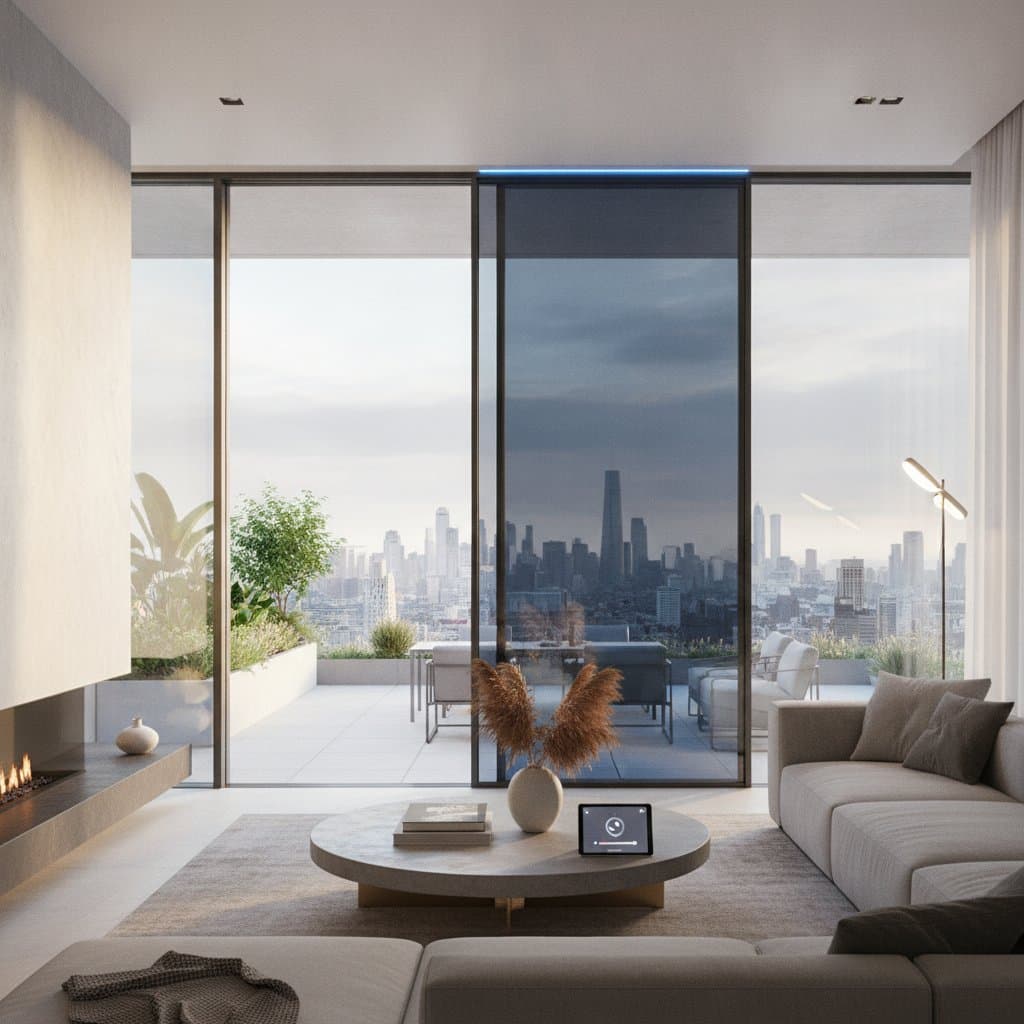
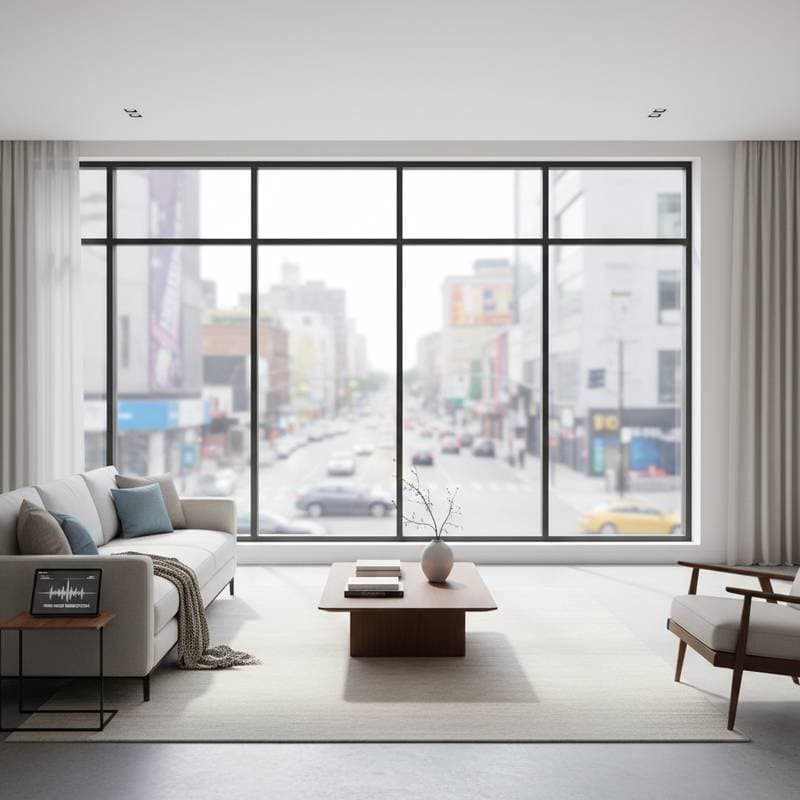
Urban expansion and open-plan communities have elevated the need for effective sound management in residential spaces. Acoustic laminated glass addresses this challenge by integrating multiple glass layers with a specialized sound-absorbing interlayer. This construction achieves noise reduction of up to 85 percent, fostering a tranquil environment that preserves natural light, architectural elegance, and exterior charm.
The benefits extend to energy performance and design versatility. Homeowners can incorporate this glass into expansive window arrays for contemporary structures or subtle upgrades for traditional exteriors, ensuring both functionality and visual harmony.
Three Approaches to Implementation
Budget-Conscious Option ($3,000 to $6,000)
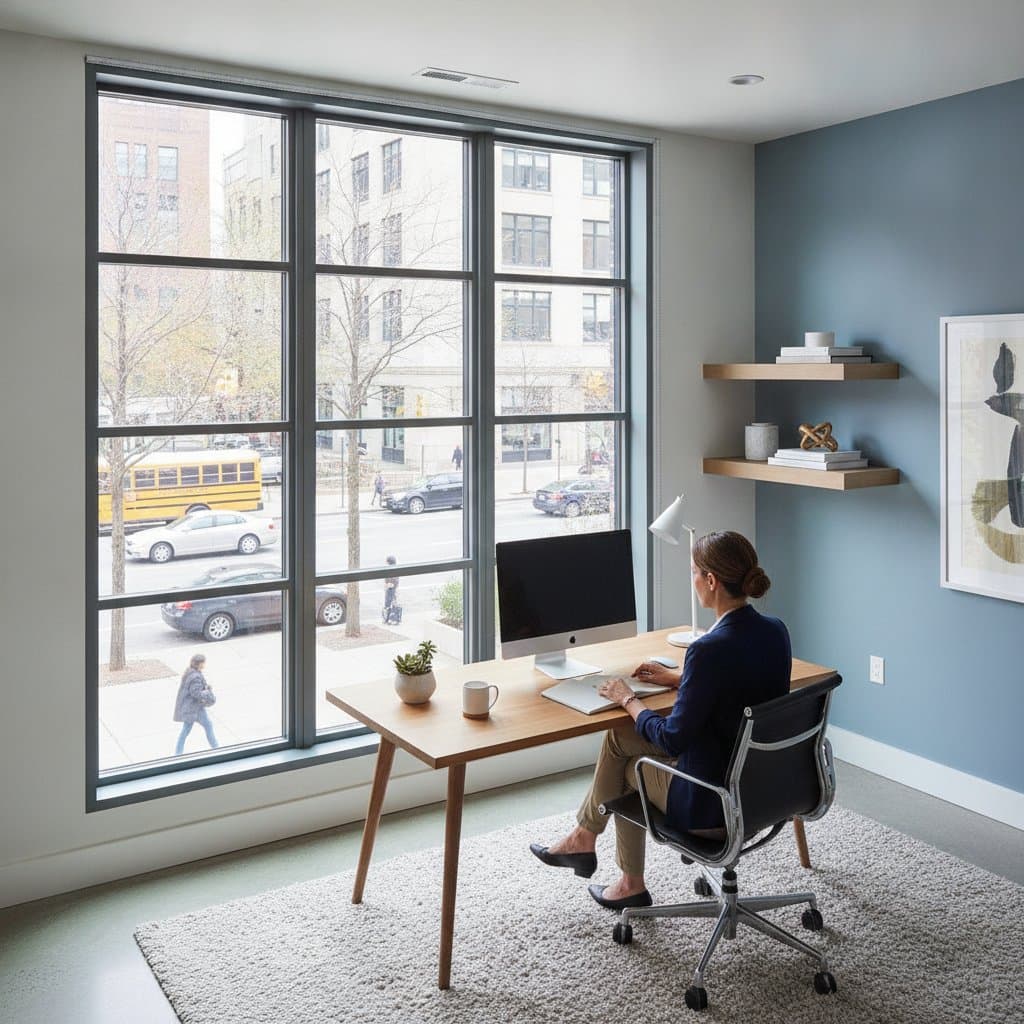
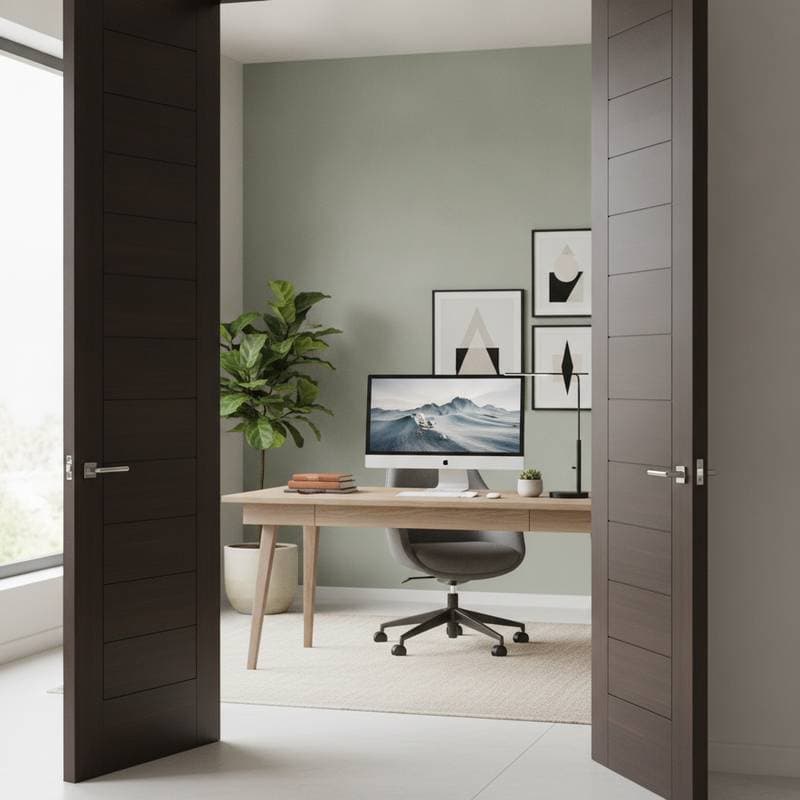
- Install acoustic laminated glass selectively in high-impact areas, such as bedrooms and home offices, to target noise sources effectively.
- Integrate with standard vinyl frames, which provide reliable energy efficiency at a lower cost.
- Allocate resources for superior weatherstripping and expert installation to maximize acoustic effectiveness.
Mid-Range Option ($7,000 to $12,000)
- Apply double-glazed acoustic units across primary elevations for uniform noise mitigation.
- Select aluminum-clad wood frames, which offer enhanced thermal insulation and a polished aesthetic.
- Add low-emissivity coatings to boost energy conservation alongside sound control.
Premium Option ($13,000 to $25,000)
- Deploy triple-pane laminated configurations with advanced acoustic interlayers home-wide for superior isolation.
- Pair with thermally broken aluminum or composite frames to optimize overall performance.
- Customize dimensions and contours to match existing architecture, thereby increasing property value and design cohesion.
Material and Finish Selection Guide
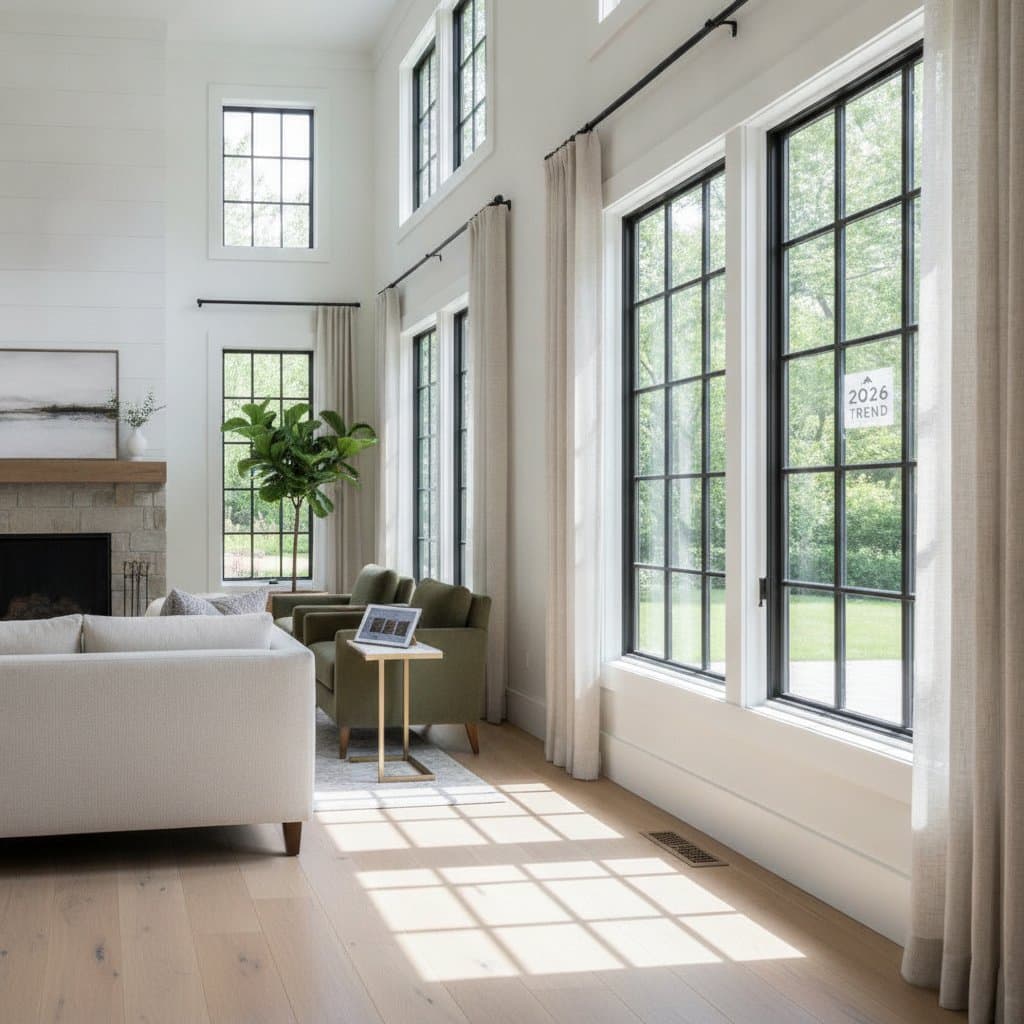
Windows: Casement or tilt-turn styles excel with acoustic glass due to their superior sealing capabilities compared to sliding variants. Darker frame hues, including charcoal, bronze, or matte black, suit modern profiles. In contrast, white or warm taupe options harmonize with classic trim elements.
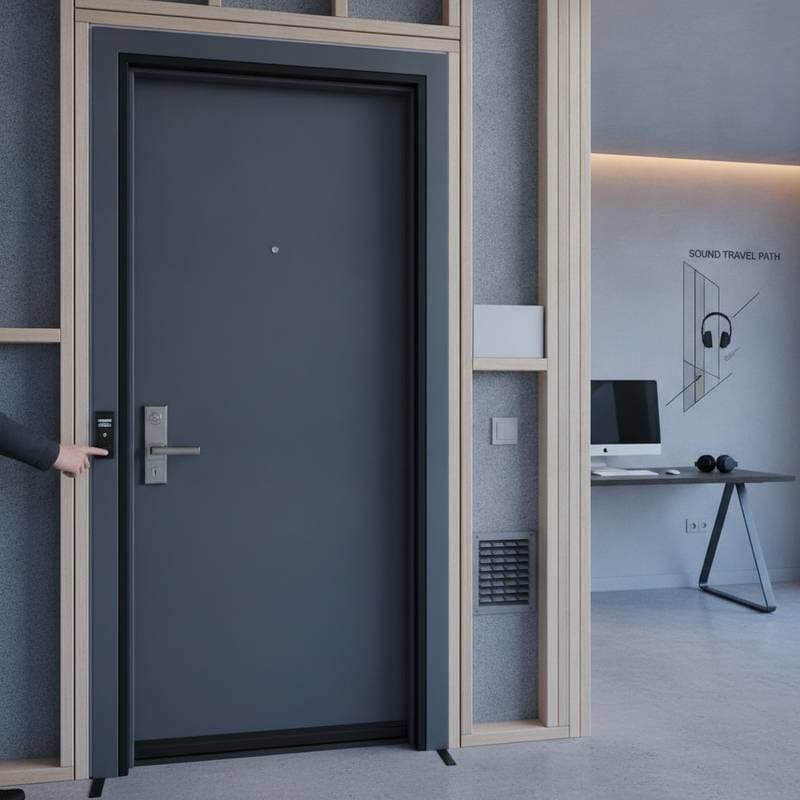
Doors: Front entrances featuring laminated glass panels admit light while upholding sound barriers. Fiberglass or steel constructions with insulated cores complement acoustic glazing effectively. For patio access, opt for sliding or French doors equipped with dual acoustic layers and robust seals.
Siding: Subdued tones like soft gray, storm blue, or off-white align seamlessly with the clean lines of acoustic installations. Materials such as fiber cement or engineered wood deliver enduring crispness with straightforward upkeep.
Trim and Accents: Minimize trim around window openings to highlight expansive glass surfaces. Black frames contrasted against natural wood soffits establish visual equilibrium, while hardware in brushed nickel or aged brass introduces refined detail.
Maintenance Essentials
Acoustic laminated glass demands minimal additional effort beyond routine glass care. Employ a soft microfiber cloth and mild, non-abrasive solution for cleaning to prevent surface damage. Inspect perimeter seals yearly, especially in regions with significant thermal fluctuations, to sustain performance.
The multilayer design increases weight, necessitating periodic checks on hinges and hardware for proper alignment. Wood frames benefit from regular sealing or repainting based on environmental exposure, whereas aluminum and vinyl variants require only periodic rinsing. Should interlayer condensation occur, consult a specialist to verify seal integrity. Consistent maintenance ensures these systems endure for decades, preserving their acoustic integrity.
Common Pitfalls to Avoid
-
Neglecting Frame Integrity: Premium glass underperforms when mated with substandard frames or inadequate seals. Prioritize components certified for acoustic efficacy and insist on certified installation.
-
Disregarding Air Circulation: Complete noise isolation risks internal moisture buildup. Incorporate operable vents or micro-ventilation features that permit airflow while minimizing sound ingress.
-
Selecting Inadequate Thickness: Acoustic performance varies by interlayer density and layer count. Thicker configurations or additional plies deliver optimal results in high-traffic locales.
-
Failing to Maintain Consistency: Combining acoustic and standard glass on one facade leads to mismatched reflections and tones. Standardize glass specifications for a unified visual impact.
Color and Style Coordination
Integrating acoustic laminated glass enhances tranquility without forgoing vibrant exteriors. Current design movements favor palettes that accentuate its smooth, reflective qualities.
Recommended Palettes
- Monochrome Modern: Matte black frames, cool gray siding, and frosted inserts in door panels.
- Warm Minimalist: Bronze frames, sandy beige siding, and subtly tinted clear panels.
- Natural Contrast: White frames with cedar-inspired siding and low-reflectivity glass for coastal elegance.
- Urban Contemporary: Graphite frames, dark stone accents, and broad panels that softly mirror urban illumination.
These schemes underscore the glass's sleek attributes while unifying structural and material elements.
Pre-Installation Documentation Checklist
Thoroughly assess your current setup to inform selections that balance aesthetics and utility.
- Photograph exterior views from wide and detailed perspectives.
- Document windows, doors, and trim from various angles.
- Catalog style features like roof profiles, supports, and siding textures.
- Observe local architectural norms, including any regulatory or community guidelines.
- Evaluate environmental factors, such as temperature extremes, humidity, traffic volume, or wind exposure.
- Establish a budget framework and identify priority zones for acoustic enhancements.
Such records enable precise recommendations from professionals, optimizing both function and form.
Achieving Integrated Home Harmony
Acoustic laminated glass redefines interior serenity by shielding against external disturbances while sustaining outdoor visual links. It adapts effortlessly to minimalist aluminum setups or traditional wood-framed designs, elevating overall livability and prestige.
Aligning budget, materials, and care routines leads to enduring enhancements. Strategic pairings of windows, doors, and siding yield exteriors that resonate with quietude and refined appeal.