Transitioning from Blinds: The Rise of Electrochromic Film in 2026
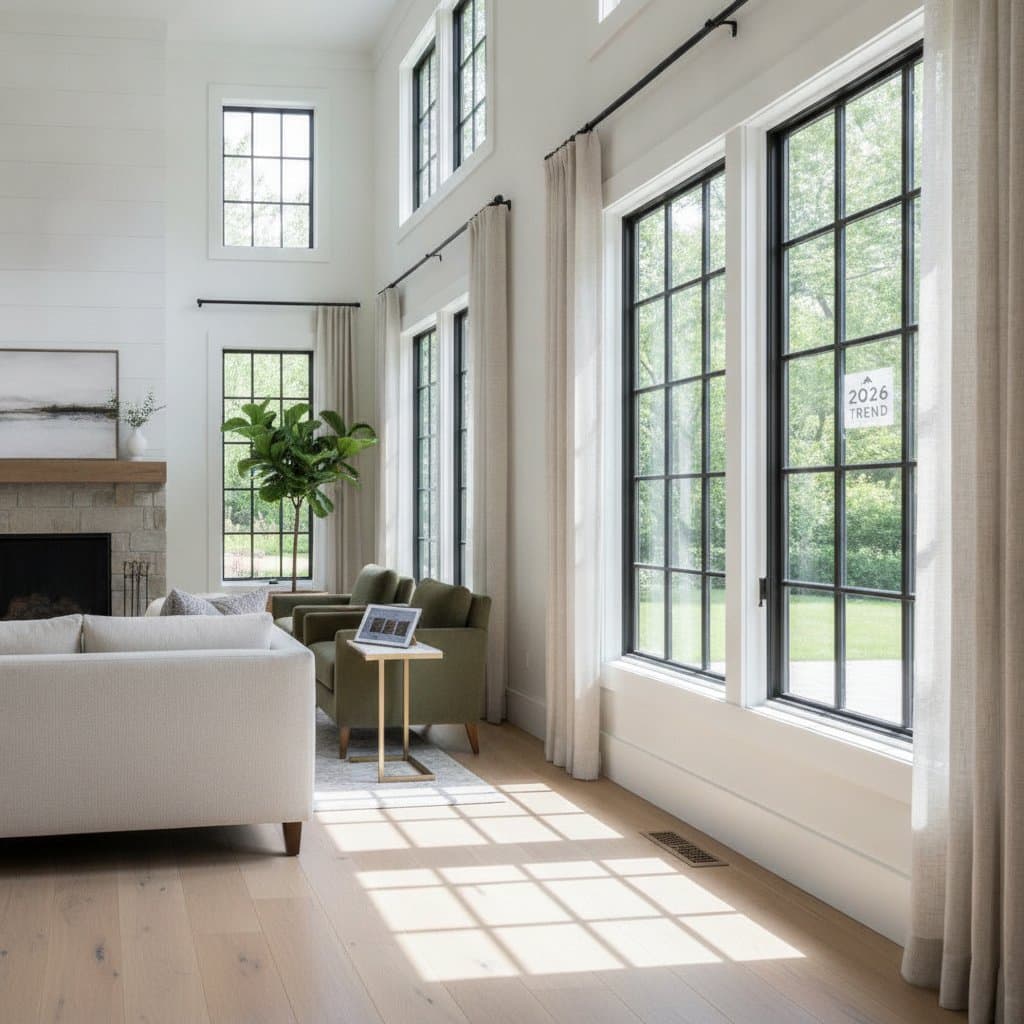
Homeowners have relied on blinds and curtains for generations to manage privacy and light entry. These coverings define window aesthetics, diffuse sunlight, and influence interior ambiance across diverse living spaces. However, a transformative innovation challenges this norm. Electrochromic film, a slim layer of intelligent material that alters transparency via electrical activation, emerges as a superior alternative to conventional window treatments. Its allure stems from a seamless integration of visual appeal, energy conservation, privacy enhancement, and adaptable design.
This advancement transcends mere novelty. It signals a functional evolution toward responsive windows attuned to daily needs. Residents gain the ability to modulate light instantly through a switch or mobile application, bypassing the effort of cords or panels. The shift from blinds to electrochromic film extends beyond visual choices. It encompasses enhanced comfort, optimized energy use, and simplified upkeep, warranting thoughtful evaluation.
How Electrochromic Film Functions
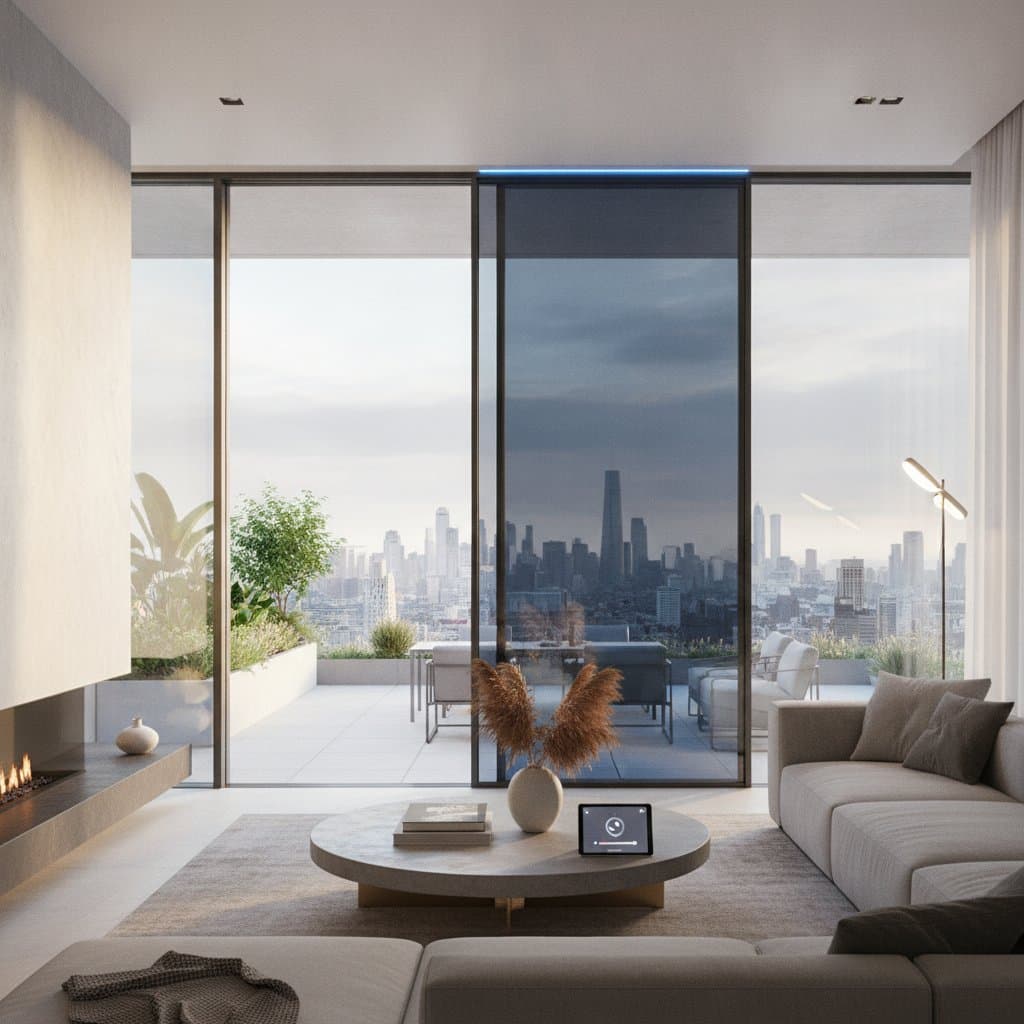
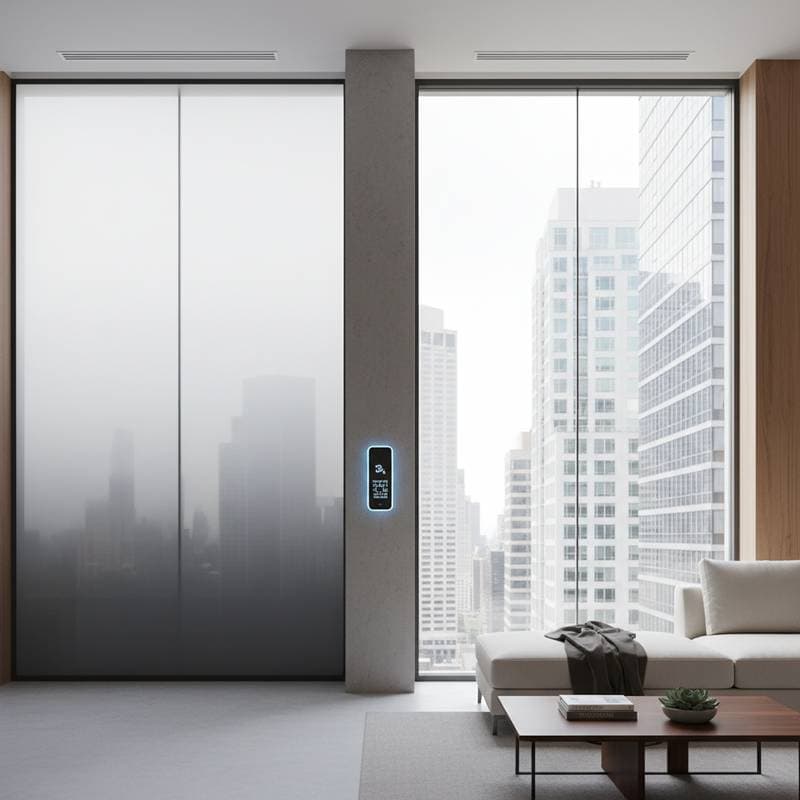
Electrochromic film comprises layered conductive elements encased between clear substrates. Application of low-voltage electricity prompts ion migration within these layers, altering light interaction. Consequently, the surface shifts from transparent to shaded or frosted states, based on the configuration. The transition occurs smoothly and can reverse at will, enabling precise regulation of illumination and seclusion.
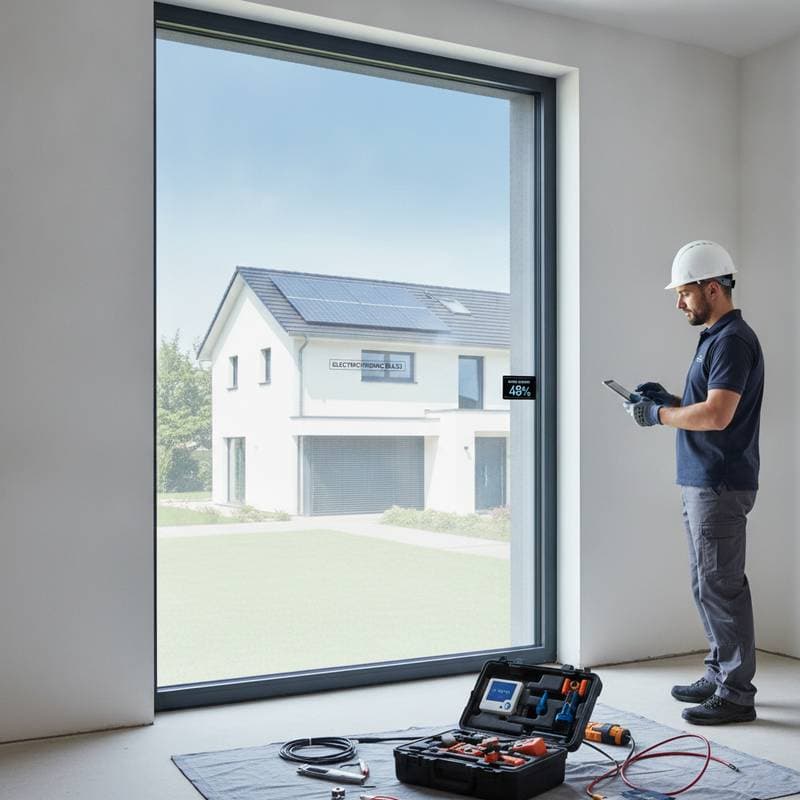
Two primary installation approaches exist. Professionals apply the film as an upgrade to current panes, or incorporate it during new window fabrication. Each method accommodates varied preferences, allowing smart features without full frame overhauls.
Control options range from basic wall-mounted switches to sensor-driven automation that responds to solar intensity or thermal shifts. Advanced variants link to broader home networks, syncing with illumination, climate control, and security protocols. Such versatility suits both sleek contemporary residences and classic architectures.
Key Materials and Performance Attributes
Electrochromic films differ in composition, affecting switch speed, hue variation, and endurance. Certain variants transition to subtle blue or neutral grays, while others produce a diffused white veil ideal for seclusion. Lamination integrity and production accuracy ensure uniform shading over expansive areas.
Longevity varies by quality. Premium films sustain reliable operation for decades amid direct solar exposure or fluctuating moisture. Inferior options risk patchy coloration or delayed responses with age. Prospective users must review guarantees, projected durability, and resilience to local conditions.
Energy benefits prove substantial. These films mitigate solar heat influx, easing summer cooling demands and bolstering winter retention. This adaptive shading preserves stable interiors without supplementary coverings, yielding both refined simplicity and operational economy.
Traditional Blinds Versus Electrochromic Film
| Option | Initial Cost | Lifespan | Maintenance | Best For |
|---|---|---|---|---|
| Traditional Blinds | Low to moderate | 5 to 10 years | Frequent dusting, periodic replacement | Cost-effective basic enhancements |
| Curtains | Low to moderate | 5 to 8 years | Washing or professional cleaning | Ornamental, fabric-focused styles |
| Electrochromic Film | Moderate to high | 15 to 20 years | Basic wiping, electronic checks | Efficiency, contemporary privacy |
Conventional blinds provide economical familiarity yet demand ongoing care. Dust buildup, mechanism degradation, and material discoloration arise frequently. Curtains deliver tactile elegance but harbor irritants and impede light flow.
Electrochromic film demands greater initial outlay, yet removes hardware encumbrances. Its plane surface invites effortless maintenance akin to ordinary glass. Long-run fiscal advantages arise from utility reductions and infrequent renewals. Power draw for state changes remains negligible, comparable to brief appliance use.
Integrating into Daily Living and Design
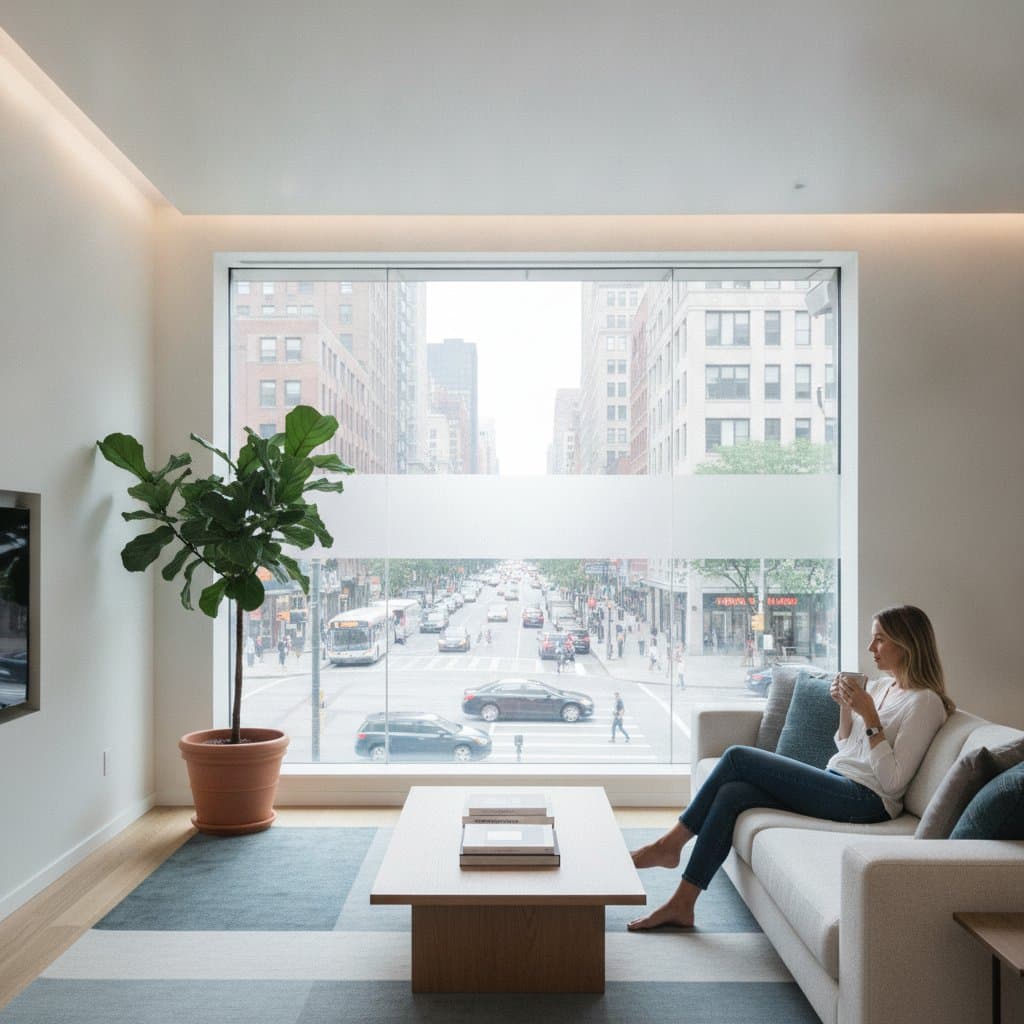
Adopting electrochromic film elevates beyond mechanics. It reshapes spatial perception and utility. Variable opacity permits abundant natural light minus harsh reflections, secures seclusion while preserving vistas, and fosters uncluttered, streamlined environments free from layered treatments.
In private zones like sleeping quarters or lavatories, frosted activation on cue merges ease with refinement. Communal spaces benefit from shading that curbs display glare or safeguards furnishings against UV degradation. Versatile open plans adapt across daily rhythms, from vibrant mornings to serene nights.
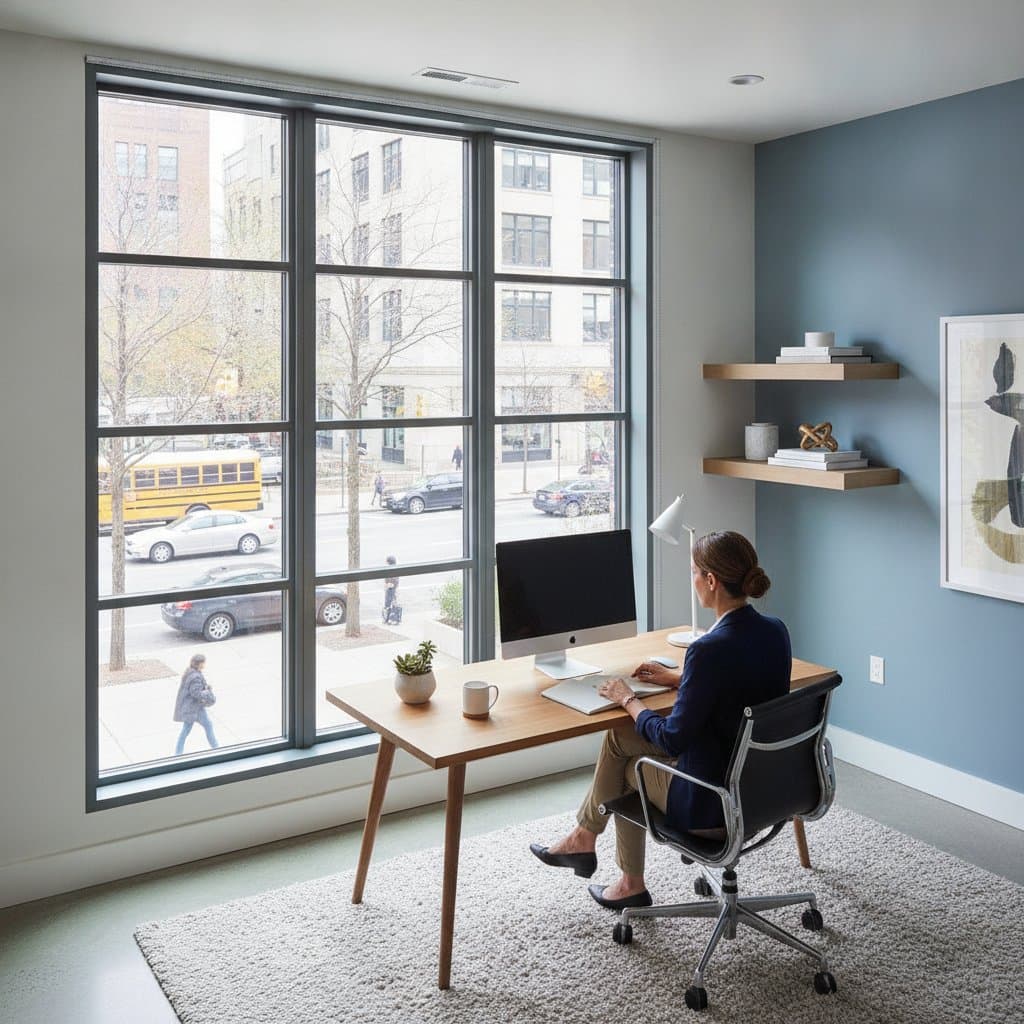
Applications span professional nooks, creative ateliers, and leisure areas, each gaining from tailored luminosity. Unlike slatted blinds that fragment sightlines, this film delivers cohesive visuals. It appeals particularly to those prioritizing unadorned forms and forward-thinking aesthetics.
Step-by-Step Installation Guide
Commence with expert evaluation of window suitability. Inspectors gauge pane dimensions, structural integrity, and power proximity. Legacy setups might necessitate subtle cabling for energizing and commanding the film.
Site Preparation: Thoroughly cleanse surfaces to eliminate residues. Accurately dimension film panels and stabilize ambient conditions. Any contaminants could compromise optical purity, underscoring meticulous groundwork.
Application Phase: Secure film via proprietary adhesives or pressing methods. Link conduits to modest power sources and validate functionality. Factory embedding in fresh units yields imperceptible bonds.
Verification Steps: Confirm even shading distribution, prompt activation, and secure linkages. Initial tuning aligns automations with environmental cues or user inputs.
Finalization: Customize settings, interface with intelligent ecosystems, and outline care protocols. Providers advise routine scrutiny of circuits and interfaces for sustained efficacy.
Everyday Maintenance and Durability
Electrochromic film excels in minimal intervention. Absent mechanical elements, it repels particulates effectively. Gentle cleansers restore luster without abrasion. Steer clear of corrosives that might impair conductive strata.
Inspect electrical fittings amid standard household routines. Faulty zones permit targeted repairs sans wholesale disassembly. Firmware refreshes preserve synergy with advancing automation.
Over its span, the film minimizes discards relative to disposable coverings. This aligns with eco-conscious routines, curbing resource use while easing chores.
Balancing Costs with Long-Term Benefits
Upfront expenditures surpass standard options, yet holistic value shines through. Diminished climate control reliance, elevated livability, and preserved interiors yield enduring returns. Granular opacity control boosts real estate allure, notably in expansive glazed properties.
Factor in materials, labor, and interfaces when planning. Upgrades to legacy glass incur higher per-unit labor, whereas new integrations optimize economies. Seek rebates for efficient innovations to alleviate burdens.
Lifecycle economics favor sustainability. Persistent reliability obviates recurrent purchases, rendering per-use costs viable. Holistic assessment illuminates fiscal wisdom beyond initial tags.
Adapting to Regional Climates and Sustainability
Local weather amplifies film utility. Sunny locales leverage tinting to slash heat burdens and visual strain, harmonizing energy profiles. Temperate zones harness it for selective warmth capture, admitting rays by day and conserving at dusk.
Broader efficiencies curb supplemental illumination, trimming overall draw. Eco-certification seekers find alignment in these responsive elements.
Producers increasingly employ reclaimable bases and emission-light processes. Opt for vendors disclosing green methodologies to affirm contributions to well-being and planetary care.
Selecting the Ideal Window Solution
Choices between legacy and advanced treatments hinge on personal ethos and spatial vision. Adherents to heritage textures may retain textiles. Efficiency seekers and modernists lean toward intelligent films.
Weigh these elements:
- Financial Scope: Balance immediate outlays against cumulative gains.
- Upkeep Effort: Gauge desired involvement in surface care or adjustments.
- Utility Optimization: Gauge solar management potential in your dwelling.
- Visual Harmony: Choose between crisp minimalism or classic ornamentation.
- Seclusion Demands: Pinpoint areas requiring instant veiling versus openness.
- System Synergy: Assess compatibility with existing or planned automations.
Realizing Enhanced Home Comfort Through Intelligent Windows
Electrochromic film ushers in effortless mastery over light and privacy, streamlining modern habitats. Homeowners discover sustained ease, fiscal prudence, and ecological harmony. This evolution invites a refined, responsive living paradigm by 2026.