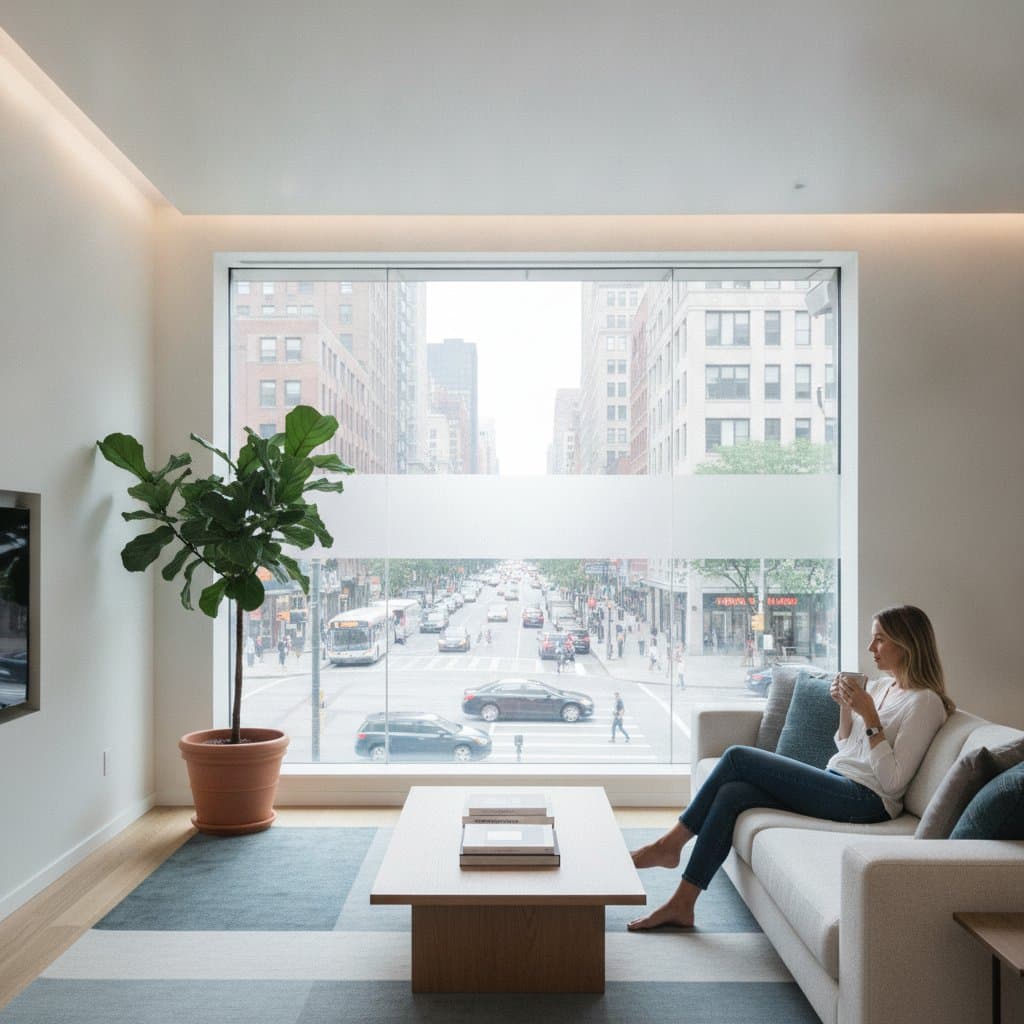
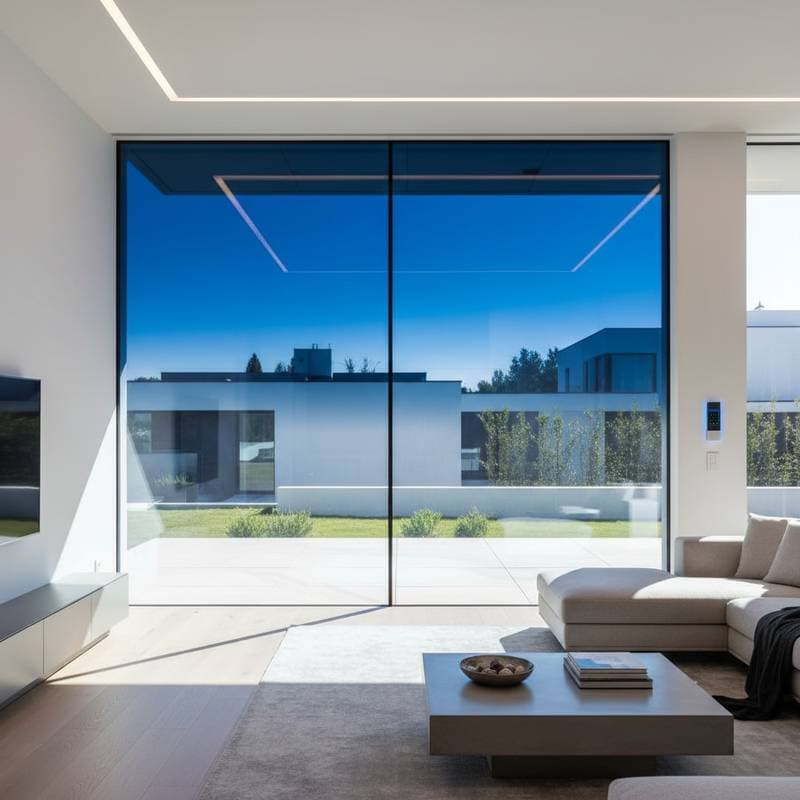
Smart Tint Windows: Elevating Home Design with Adaptive Glass Technology
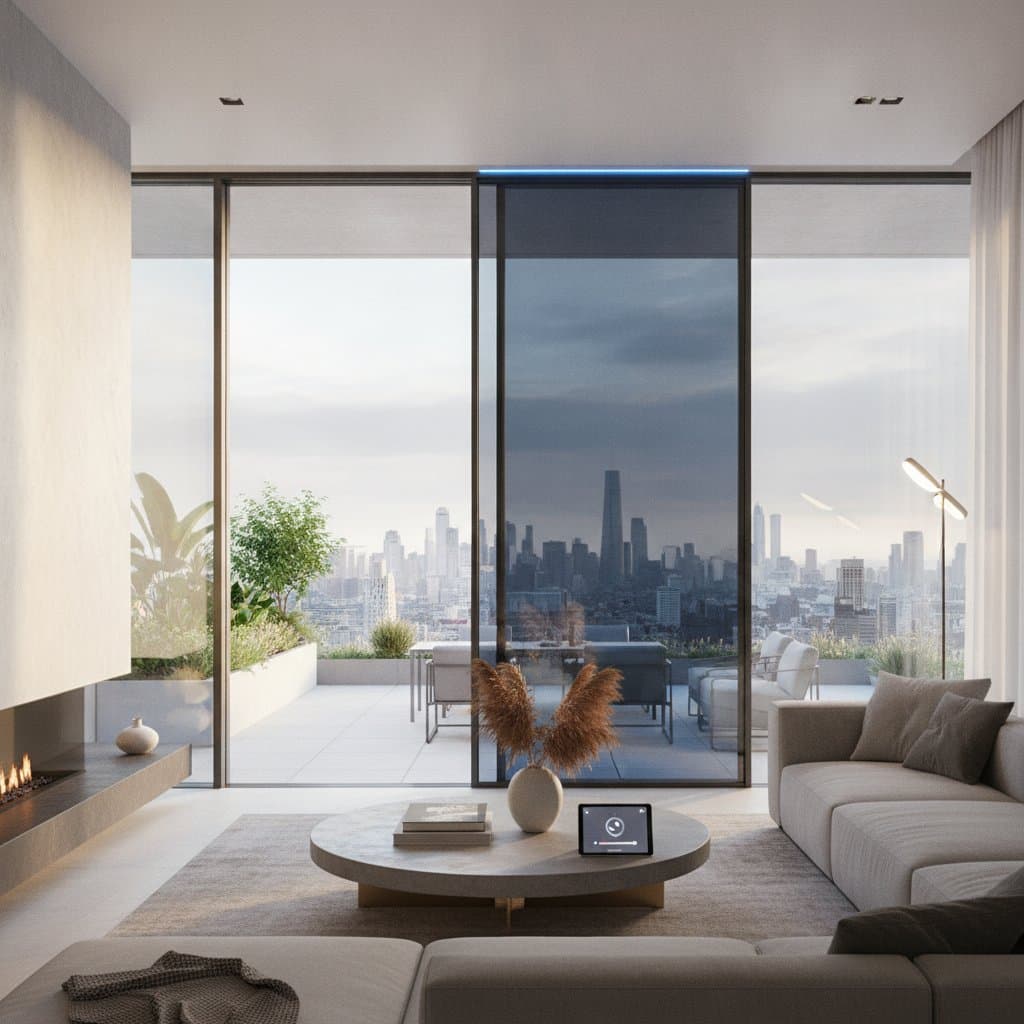
Smart tint windows, commonly referred to as electrochromic glass systems, reshape the way homeowners control natural light, ensure privacy, and optimize energy use. Previously limited to high-end commercial and luxury residential applications, these innovative windows now access broader markets with entry-level models priced from $2,000. Users activate a transition from transparent to opaque states via a switch, voice command, or automated settings, blending aesthetic appeal with practical functionality. This adaptability suits diverse architectural contexts, from contemporary urban dwellings to classic suburban homes, while preserving a streamlined visual profile.
Three Strategic Upgrade Paths
Budget Path ($2,000 - $5,000)
- Install retrofit smart films directly onto existing window surfaces to minimize disruption and maintain uniformity with current framing.
- Target high-traffic zones like kitchen sliders or family room expanses to achieve noticeable enhancements in daily living.
- Rely on basic manual toggles for operation, bypassing advanced automation to keep expenses in check without sacrificing core tinting capabilities.
Intermediate Path ($5,000 - $12,000)
- Incorporate pre-manufactured electrochromic panels into key areas such as kitchens, living rooms, and sleeping quarters.
- Specify double-glazed configurations embedded with smart technology to improve thermal insulation and dampen external noise.
- Integrate wireless connectivity or mobile app interfaces that align with existing smart home ecosystems, fostering effortless operation and measurable reductions in utility costs.
Premium Path ($12,000 - $25,000)
- Implement system-wide deployment of advanced electrochromic glass featuring multiple opacity gradations for precise light management.
- Equip units with environmental sensors that respond to solar intensity, indoor temperatures, and occupancy patterns.
- Select bespoke framing in aluminum or composite materials to achieve a cohesive, forward-thinking exterior that elevates curb appeal.
- Such comprehensive setups yield uniform design harmony, enhanced thermal performance, and appreciable boosts to resale value over time.
Essential Materials and Finishes Selection
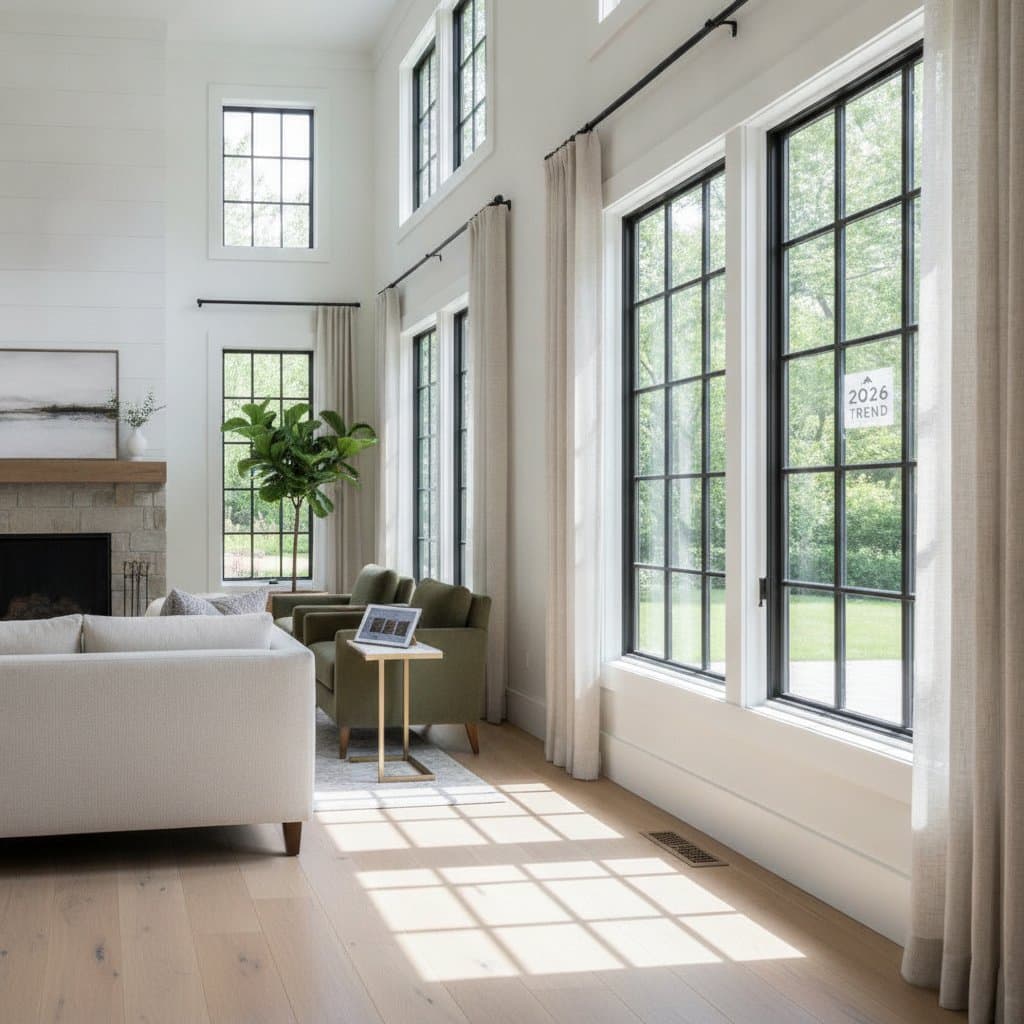
- Window Options: Opt for transitions from clear to neutral gray or subtle blue hues to maintain an understated elegance. Pair black or bronze frames with modern facades for bold definition, while white composite alternatives integrate seamlessly into traditional surroundings.
- Door Applications: Equip sliding or hinged doors with smart glass inserts to facilitate fluid connections between interior spaces and outdoor areas. Frosted opacity modes prove ideal for entryways or bathrooms where discretion is paramount.
- Exterior Siding Choices: Pair dynamic windows with durable fiber cement panels or horizontal lap configurations for structural balance. Neutral tones like light gray, warm taupe, or bright white complement deeper frame colors, creating inviting exteriors.
- Hardware and Trim Details: Select matte black or brushed nickel accents for fixtures and lighting to echo the innovative essence of the glass. These choices underscore the technological sophistication without overwhelming the overall palette.
Practical Maintenance Considerations
Smart tint windows demand far less frequent cleaning compared to standard glass, as the tinting layer mitigates glare and ultraviolet rays that accentuate imperfections like dust or smudges. Apply a mild, non-abrasive cleaner during routine sessions to preserve clarity. Electrical elements remain fully encapsulated within the glass layers, eliminating the need for external upkeep. Energy draw stays low, limited to brief pulses during state changes. Professional intervention from certified technicians handles any infrequent repairs to uphold warranty terms. In regions with high humidity or salt exposure, prioritize components with robust sealing and corrosion-resistant ratings to avoid issues like internal condensation or material degradation.
Common Pitfalls to Sidestep
- Inconsistent Framing Choices: Mismatched materials or hues across window elements can undermine the seamless appearance enabled by smart glass. Maintain a single framing standard across all prominent facades for visual cohesion.
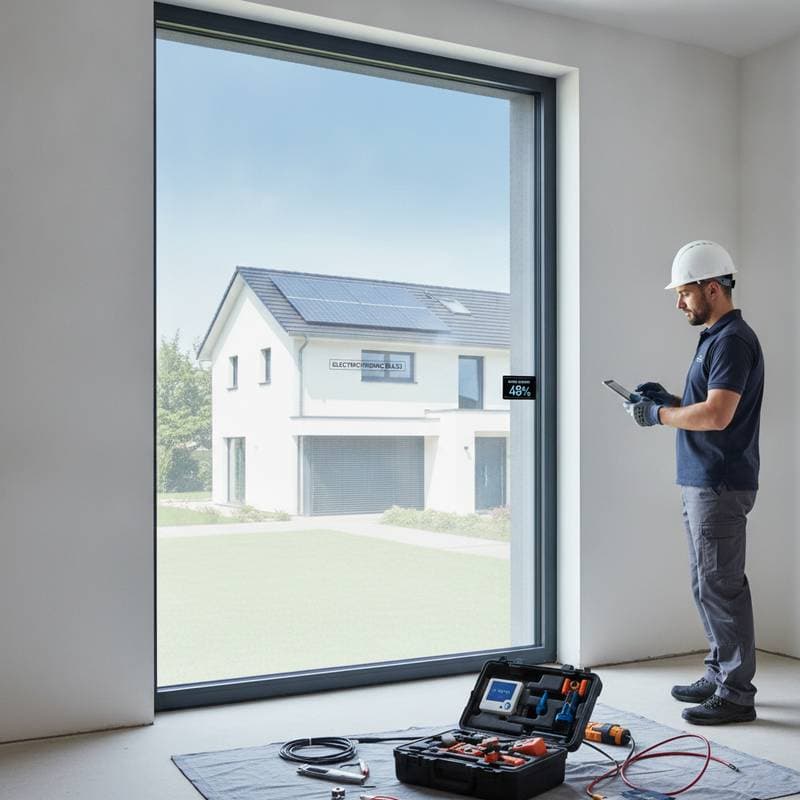
- Neglecting Electrical Infrastructure: These systems require discreet power sources for operation. Plan wiring routes in advance with electricians to prevent retroactive expenses and logistical hurdles.
- Disregarding Regional Climate Demands: In arid or intensely sunny locales, choose glass variants engineered for elevated solar heat gain coefficients. Lower-quality films risk delamination or diminished transparency under prolonged exposure.
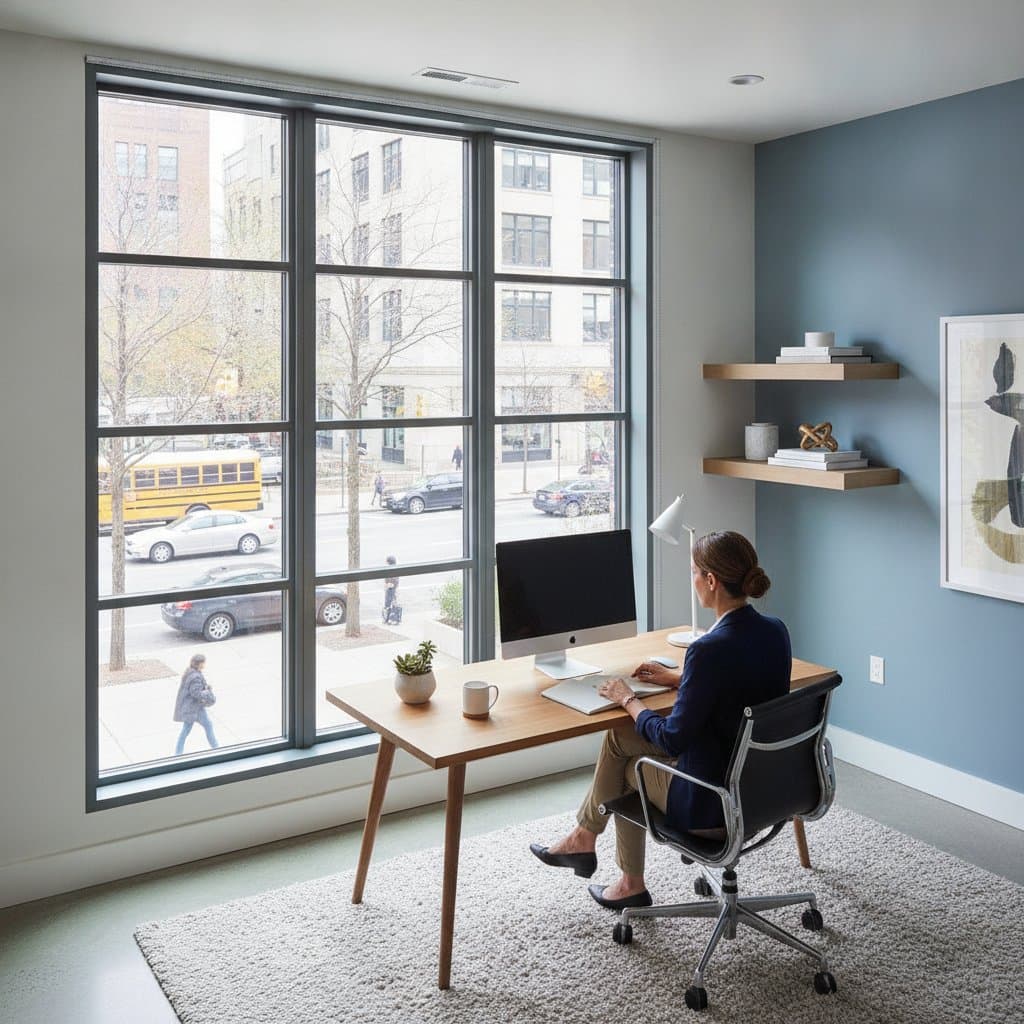
- Attempting Comprehensive Overhauls Initially: Prioritize installations in light-sensitive spaces like studies or lounges to realize quick benefits, then phase in additional areas based on performance observations.
Harmonizing Colors and Styles
- Charcoal Paired with White: Employ deep frames against crisp siding, accented by brushed steel elements for a sharp, urban vibe.
- Warm Gray and Sandstone Tones: This palette delivers enduring modernity with gentle, layered depth.
- Soft Blue Accents and Natural Wood Textures: Ideal for waterfront or laid-back settings, evoking serenity and organic flow.
- Matte Black against Pale Cream: Bold differentiation that amplifies the glass's luminous and reflective attributes.
Comprehensive Planning Checklist for Installations
- Document high-resolution images of the property from multiple angles, illustrating daily light variations and shadow play.
- Catalog key features including molding dimensions, roofing angles, and grid patterns on legacy windows.
- Review local community guidelines or association rules regarding reflectivity, tint levels, or material specifications.
- Assess environmental specifics such as peak sunlight hours, precipitation patterns, and ambient moisture.
- Establish a clear financial framework and sequence priorities for targeted rooms or building faces.
Maximizing Impact Through Smart Tint Integration
Smart tint windows merge versatile aesthetics with tangible performance advantages that extend well past surface-level improvements. They temper harsh sunlight, regulate thermal loads, and enable on-demand seclusion with minimal effort. From economical film applications to elaborate whole-home systems, these installations infuse residences with refined intelligence, promoting sustained comfort, resource conservation, and enduring architectural distinction.