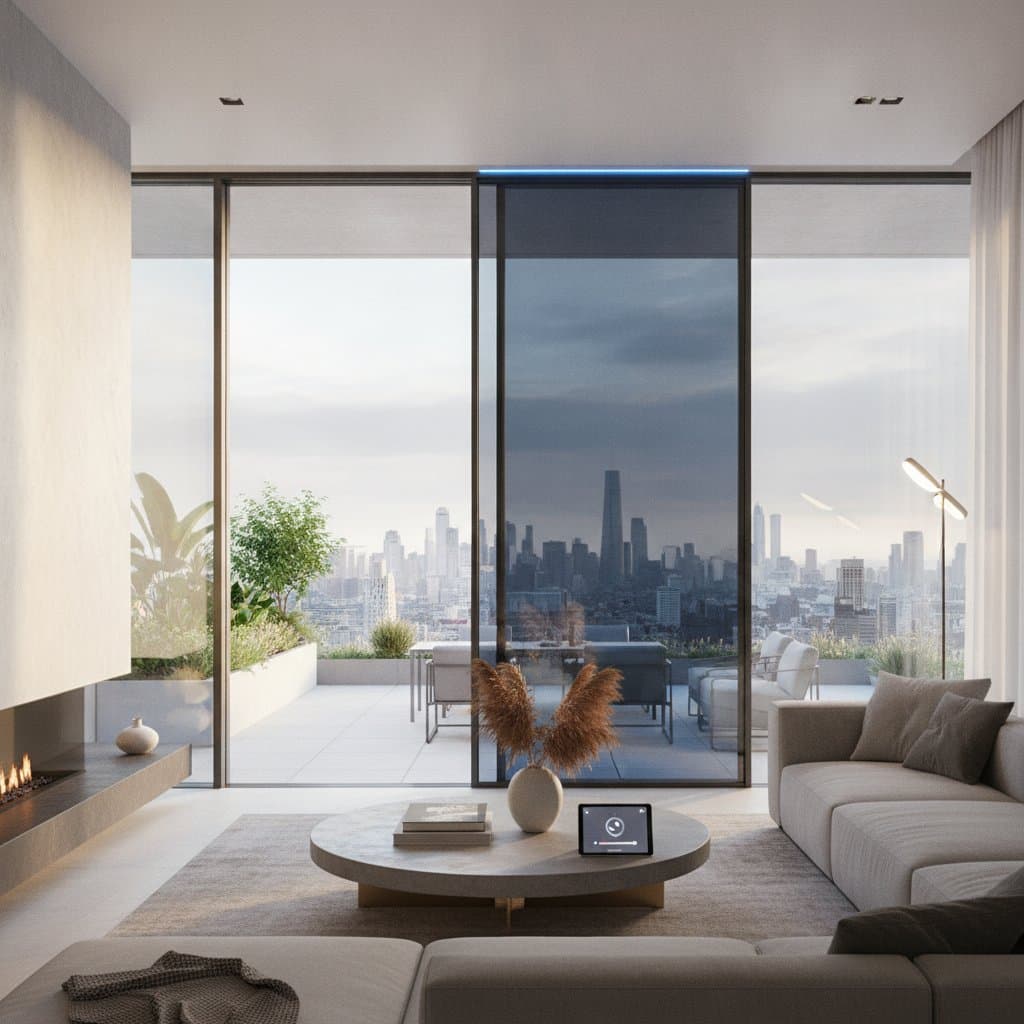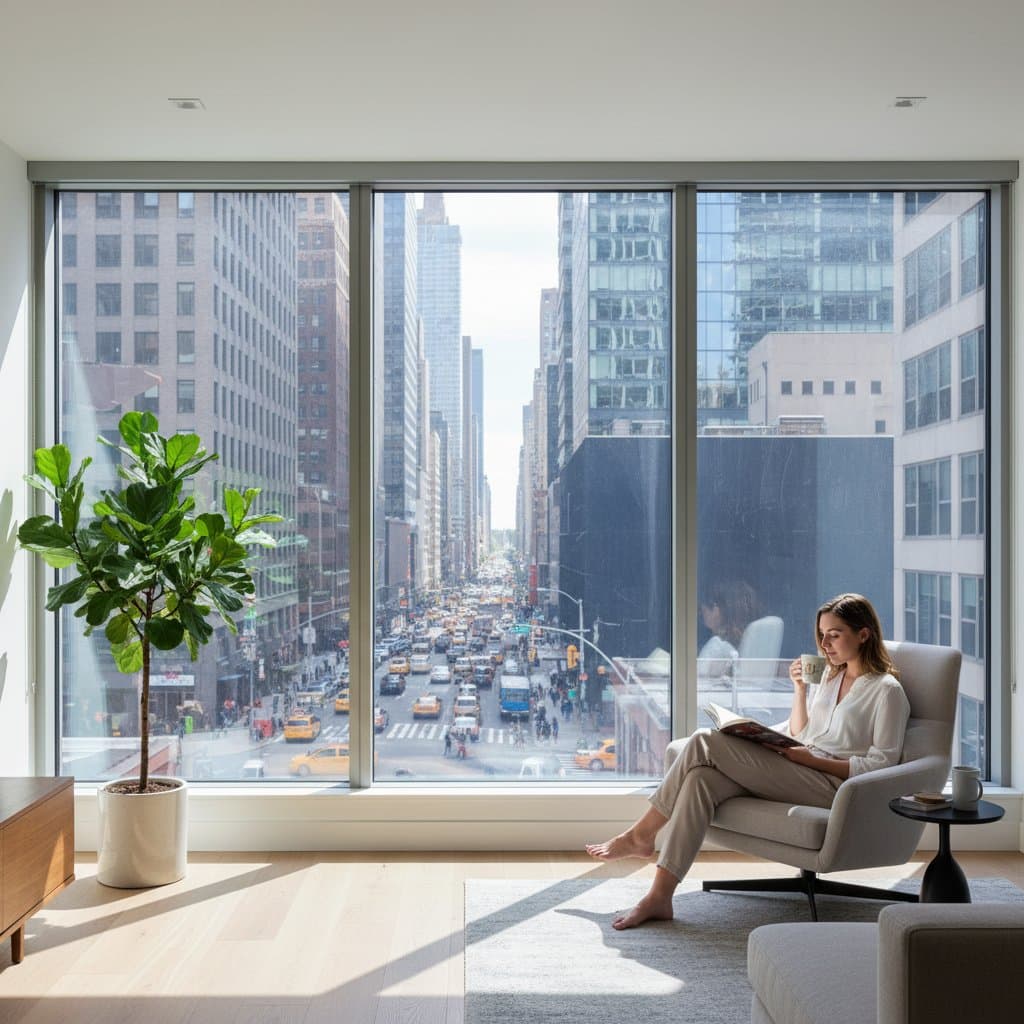
Acoustic Glass Reduces City Noise by Up to 85 Percent
Urban environments expose residents to persistent sounds from traffic, construction, and daily activities. These noises disrupt sleep, focus, and relaxation for many homeowners. Acoustic glass offers a proven solution by blocking up to 85 percent of external noise, allowing homes to become quiet sanctuaries.
How Acoustic Glass Functions and Delivers Results
Acoustic glass blocks and absorbs sound waves to prevent them from penetrating indoor spaces. This specialized glazing resembles standard double-pane windows yet incorporates unique interlayers and varying thicknesses to interrupt sound vibrations. Consequently, indoor decibel levels decrease substantially.
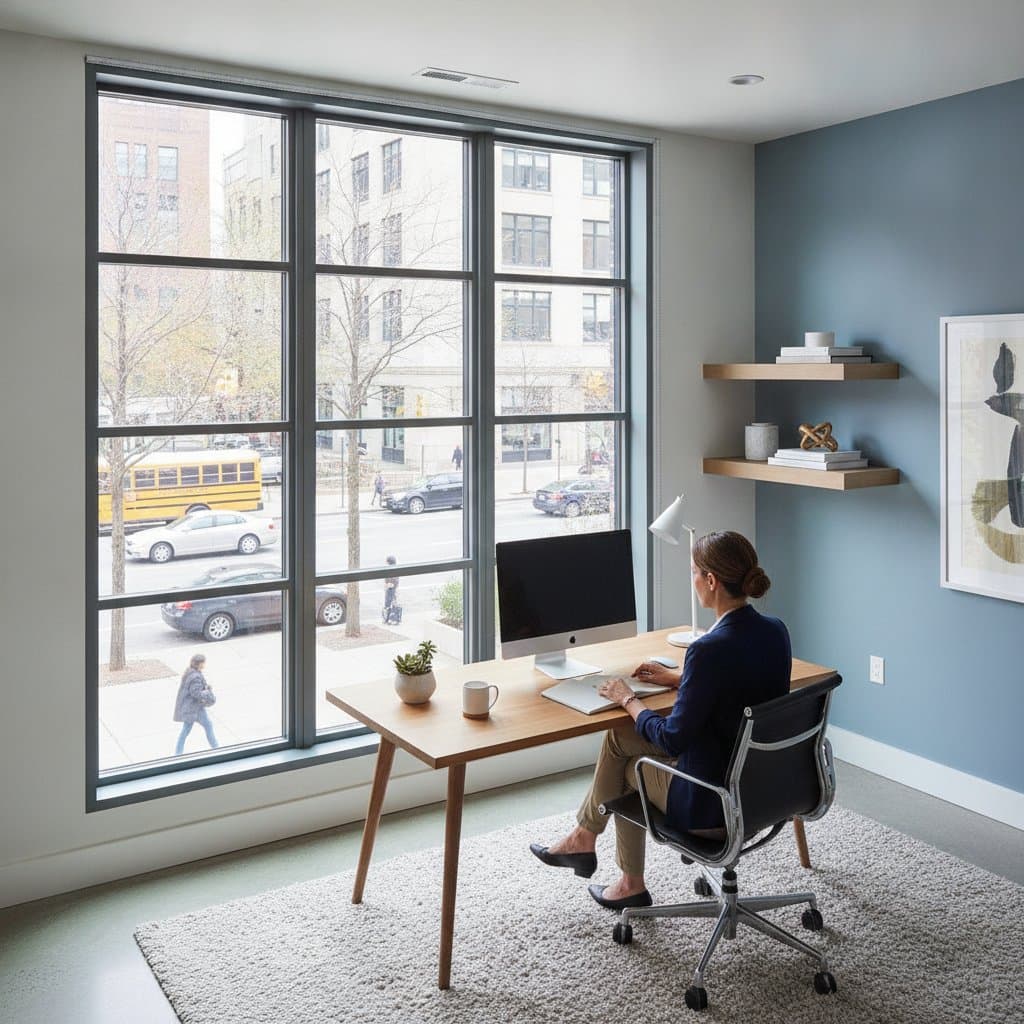
Standard insulated glass provides basic thermal barriers, but acoustic versions excel at dampening mid- to high-frequency noises like vehicle horns, conversations, and emergency sirens. Residents installing this glass in noise-prone areas, such as bedrooms or home offices facing streets, report enhanced daily comfort immediately after setup.
Typical Costs for Acoustic Glass Installation
Investing in acoustic glass yields long-term value, with expenses varying by project specifics. Factors like window dimensions, frame types, and setup complexity determine the final price. The following table outlines average costs:
| Material/Service | Cost Range | Key Features |
|---|---|---|
| Acoustic Glass Only | $45 to $120 per square foot | Laminated design with sound-absorbing interlayers |
| Full Window Replacement | $600 to $1,500 per window | Encompasses frame removal, new installation, and sealing |
| Retrofit Installation | $300 to $800 per window | Integrates acoustic glass into current frames |
These figures cover materials and labor. Projects involving custom designs or expansive windows incur additional charges. Overall, replacing multiple windows typically ranges from $5,000 to $15,000.
Key Variables Affecting Installation Expenses
Several elements shape the total cost of an acoustic glass project. Professionals evaluate these during initial consultations to provide accurate estimates.
- Window dimensions and access points: Larger or elevated windows demand extra materials and effort.
- Frame composition: Options like vinyl or aluminum prove more economical than wood varieties.
- Glass performance level: Selections with elevated Sound Transmission Class (STC) ratings command higher prices for superior noise control.
- Setup approach: Retrofitting saves money compared to complete replacements, though it might limit effectiveness in high-noise scenarios.
Experts recommend a site visit for noise measurement prior to finalizing plans. This step guarantees the glass type aligns with specific environmental demands.
Professional Perspectives on Effectiveness
Mark Jensen, a certified glazing specialist based in Dallas, emphasizes the engineering behind acoustic systems. These solutions address intricate sound profiles that ordinary double glazing overlooks. Jensen notes, "Proper installation is as critical as the glass itself. Even small gaps in framing or seals can reduce performance by half. Homeowners should always use certified installers who specialize in acoustic systems."
Testing by independent labs confirms that top-tier laminated acoustic glass achieves STC ratings between 45 and 50. Such ratings translate to an approximate 85 percent reduction in perceived noise relative to single-pane alternatives.
Additional Advantages of Acoustic Glass
Noise reduction remains the core benefit, yet acoustic glass delivers multifaceted improvements. These extras enhance overall home performance and justify the investment.
- Energy conservation: Integrated low-emissivity coatings minimize heat loss and gain, lowering utility expenses.
- Strengthened safety: The laminated structure resists impacts, deterring break-ins more effectively.
- Sunlight filtering: Built-in properties block nearly 99 percent of harmful UV rays, preserving interior furnishings from discoloration.
Over years, these features contribute to savings and increased property appeal.
Steps to Install Acoustic Glass
Homeowners near high-traffic areas benefit greatly from acoustic glass upgrades. Begin the process by soliciting estimates from at least two qualified window experts experienced in soundproofing. Request details on the proposed glass's STC rating and verify comprehensive warranties for products and labor.
During installation, certified teams ensure precise fitting to maximize efficacy. Post-setup, conduct yearly checks on seals and clean surfaces with gentle, non-abrasive cleaners. This maintenance extends the lifespan of acoustic windows, sustaining quiet, efficient, and secure indoor conditions for decades.