Electrochromic Windows: Tint On Demand
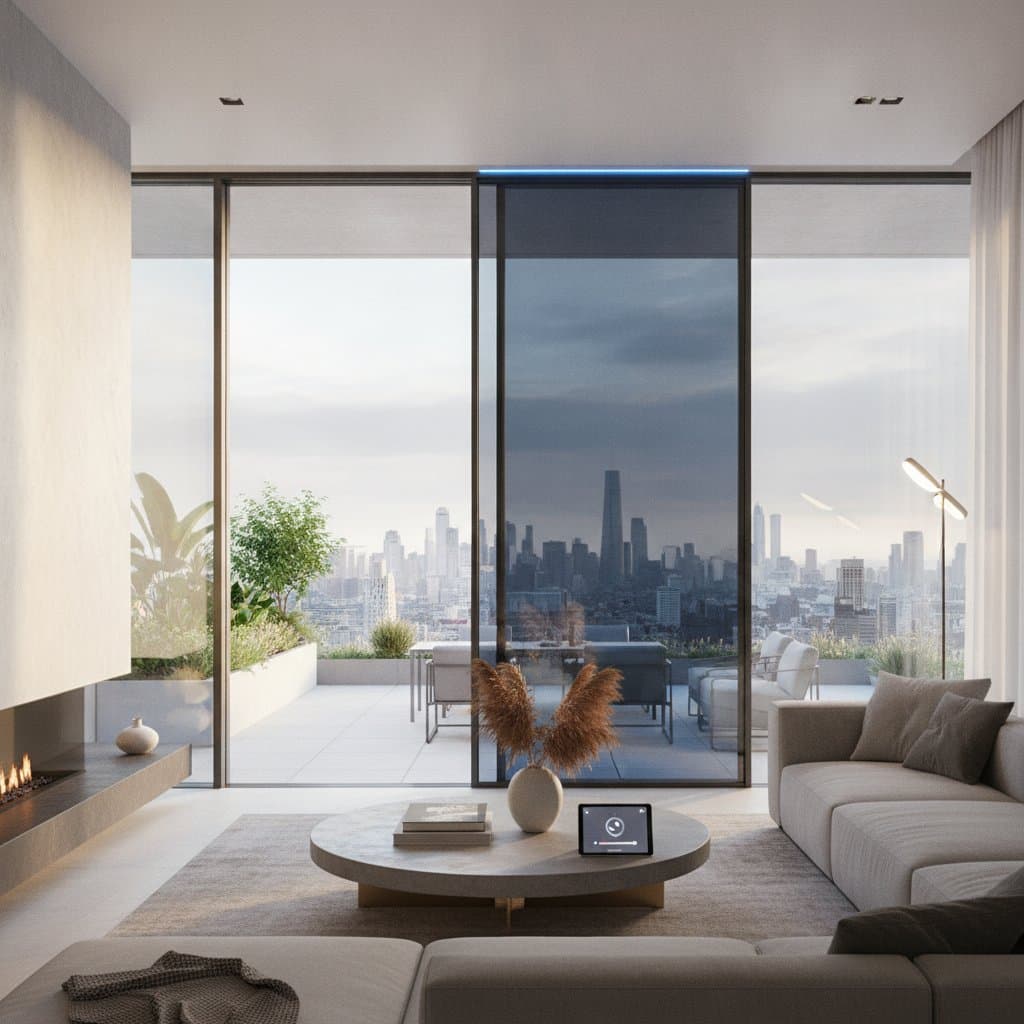
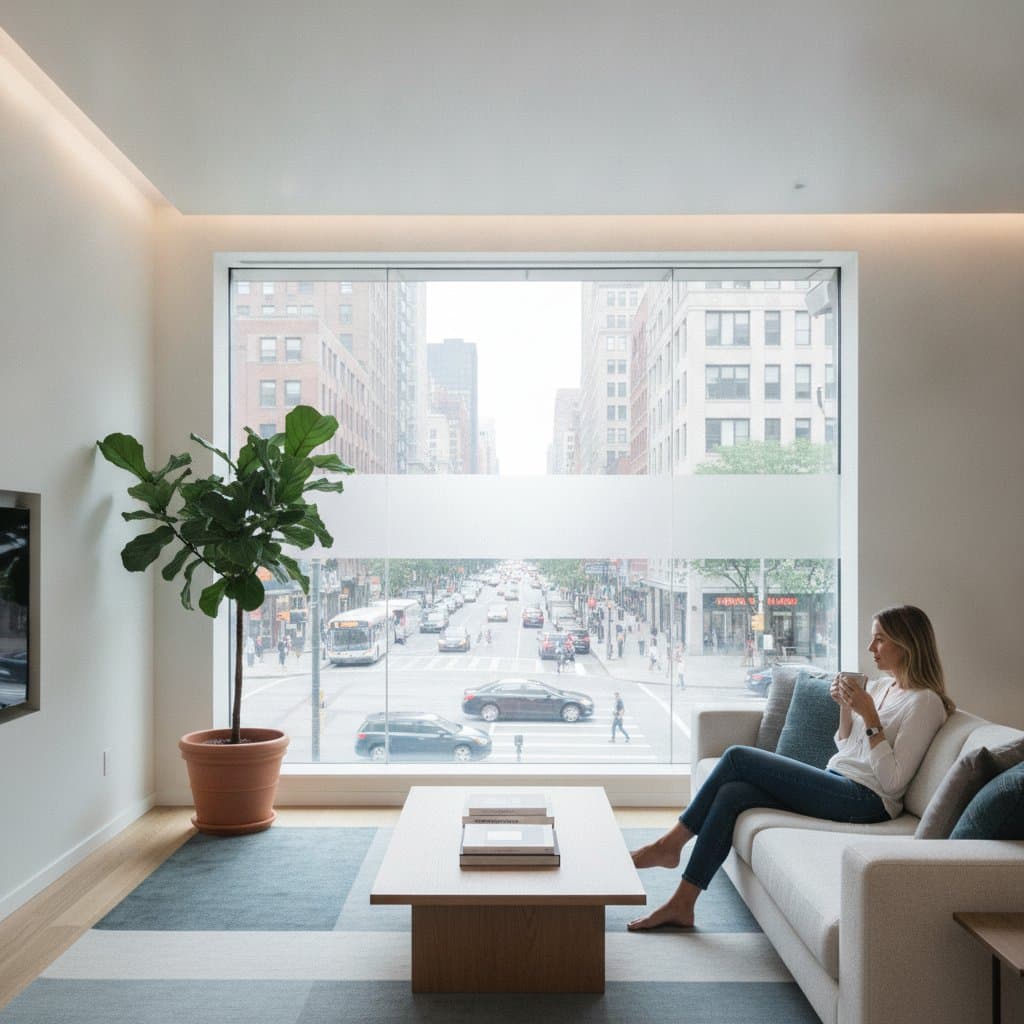
Smart home innovations extend far beyond thermostats and automated lights. Exterior glass now adapts in real time to manage light, privacy, and comfort. Electrochromic windows, known as dynamic tinting glass, allow homeowners to shift from clear to tinted states using a low-voltage electrical charge. This capability controls sunlight, reduces glare, and blocks heat without relying on traditional blinds or shades, resulting in a minimalist exterior, lower energy consumption, and enhanced indoor living.
Why This Approach Succeeds
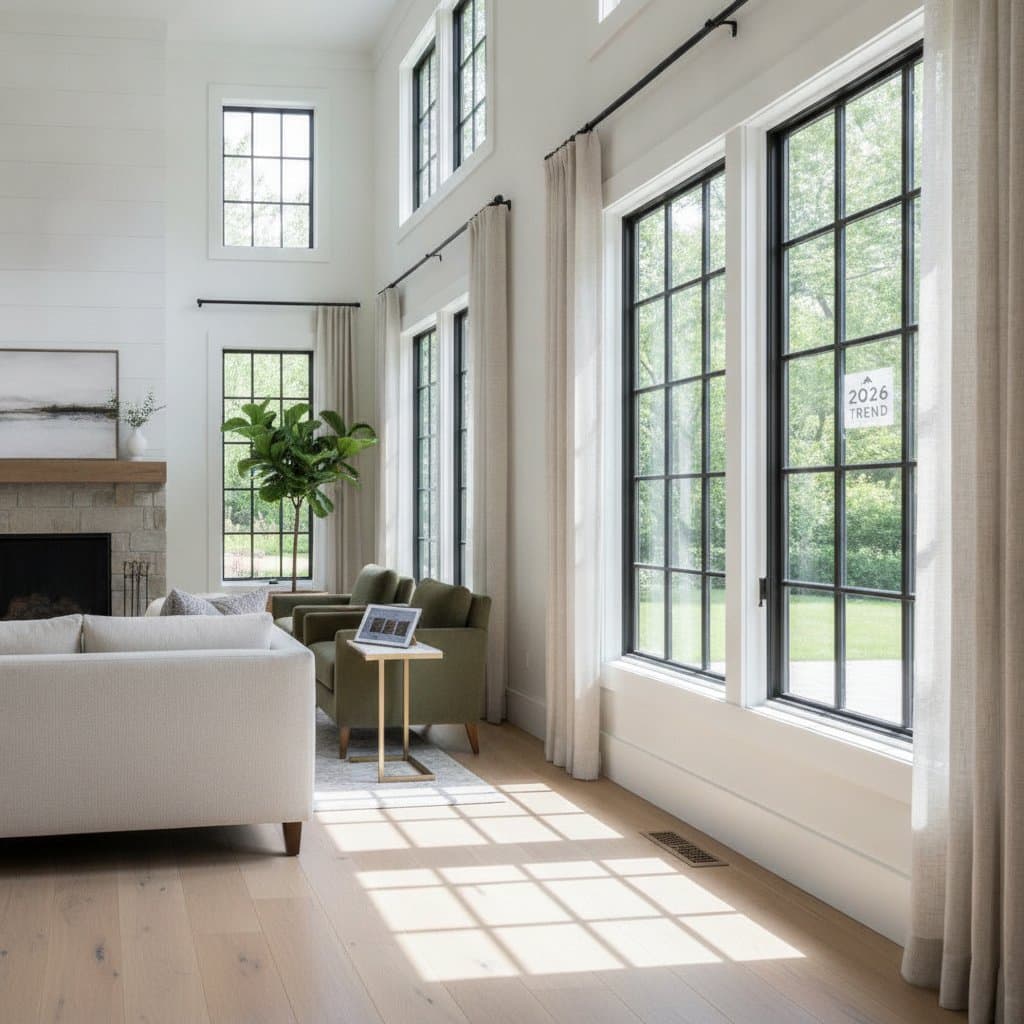
Electrochromic windows merge contemporary aesthetics with practical functionality. They provide a seamless building envelope that optimizes natural illumination indoors. Unlike fixed tinted glass, these windows offer variable opacity, creating spaces that feel advanced yet inviting. Architects and homeowners favoring clean lines appreciate how this eliminates external shading, preserving the structure's refined silhouette.
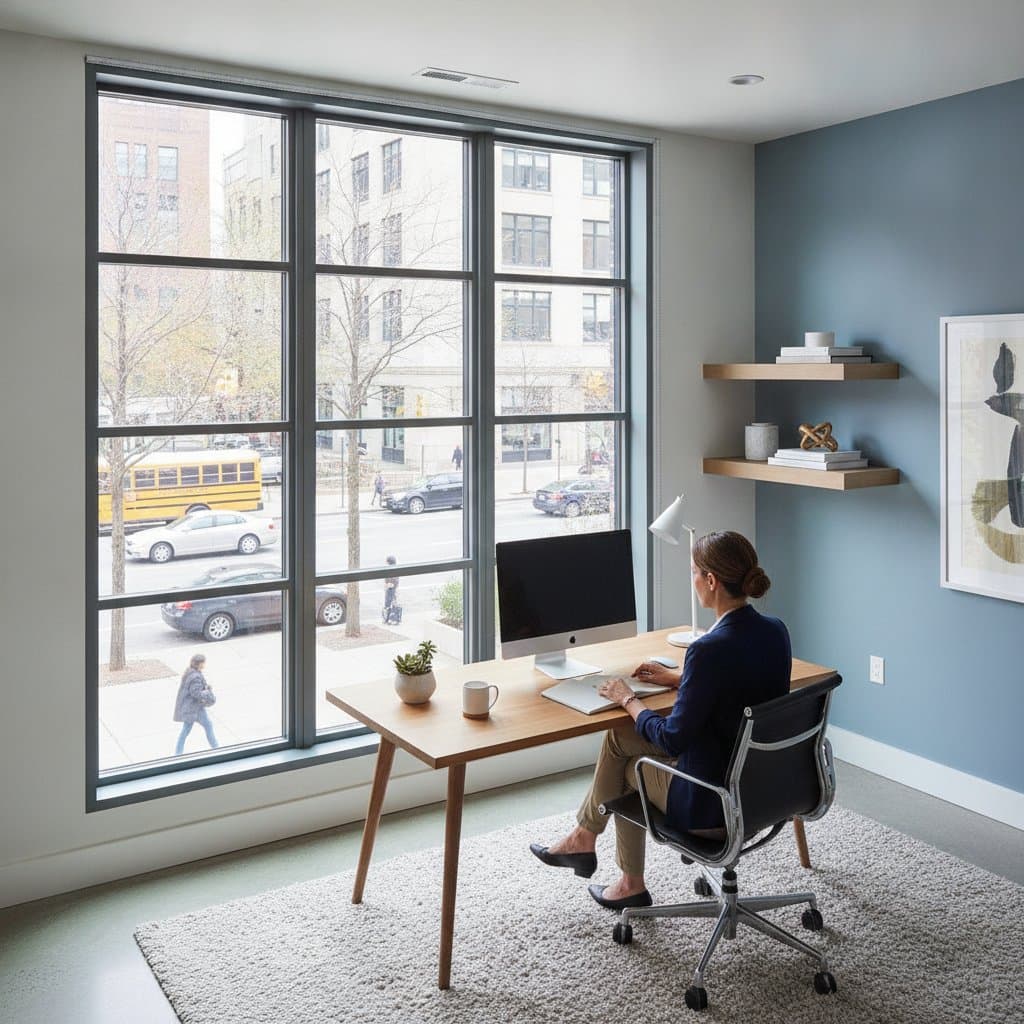
Properties equipped with these windows exhibit a modern polish, featuring fluid integration between glass panels and surrounding elements. The system suits diverse designs, including sleek coastal residences and compact city dwellings. It accommodates expansive glazing and unobstructed views while ensuring privacy and thermal regulation.
Material and Finish Recommendations
- Windows: Select narrow frames in matte black, deep bronze, or neutral gray to harmonize with electrochromic panels. Opt for warm-toned wood interiors paired with durable aluminum exteriors to introduce organic warmth alongside technical precision.
- Doors: Incorporate pivot or sliding options with tintable glass sections to secure privacy during transitions between interior and exterior areas. Integrate subtle frosted zones within panels for enhanced discretion in bathrooms or entryways.
- Siding: Pair with sleek fiber cement boards, upright metal panels, or reclaimed wood slats to underscore the crisp geometry of intelligent glass. Maintain neutral palettes to highlight the windows' subtle reflectivity.
- Trim and Hardware: Use restrained trim in matching shades to promote continuity. Dark window casings offer bold definition, whereas brushed nickel or satin-finish hardware introduces refined elegance.
Common Pitfalls to Avoid
- Applying tint universally: Comprehensive installation may dim interiors excessively. Target only sun-drenched elevations or prominent views for balanced lighting.
- Overlooking frame efficiency: Enhancing glass alone yields incomplete benefits. Pair with high-performance insulated frames to optimize thermal barriers.
- Complicating controls: Position switches or integrate app-based interfaces in accessible spots. Inconvenient mechanisms lead to underutilization of the technology.
- Mismatching siding tones: Bright glass reflections can conflict with earthy exteriors. Evaluate material samples under daylight conditions prior to commitment.
Pre-Installation Visual Planning Guide
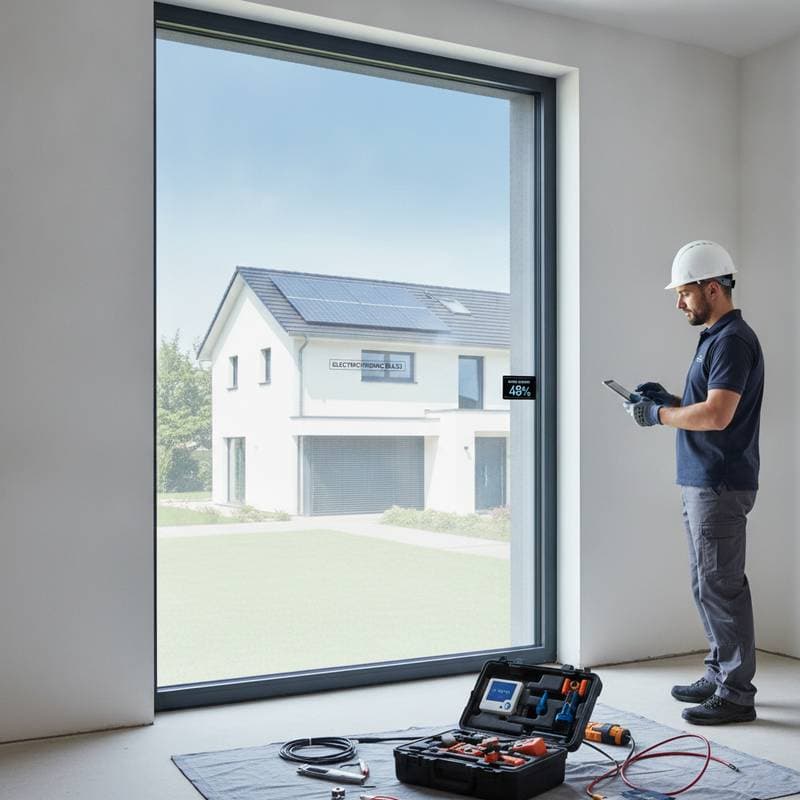
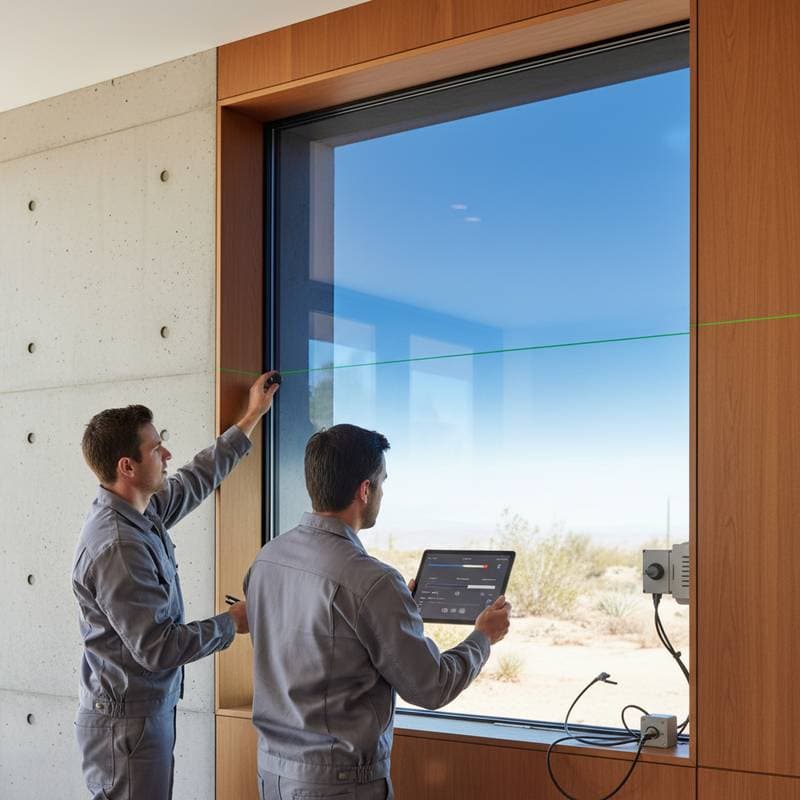
Capture essential imagery and data to inform choices before committing to electrochromic upgrades:
- Exterior views from varied perspectives, capturing roof profiles, window ratios, and adjacent structures.
- Key architectural features like molding patterns, structural supports, or surface textures that shape the property's identity.
- Surrounding environment to align selections with community aesthetics or regulatory standards.
- Environmental factors such as solar paths and zones susceptible to intense light or warmth accumulation.
- Financial focus areas to allocate resources between advanced glass and conventional updates.
This preparation enables designers and installers to synchronize visual intent with operational requirements.
Adapting to Regional Climates and Performance
Electrochromic glass responds variably to environmental demands.
- Warm climates leverage automated darkening to minimize solar heat during intense daylight, which decreases reliance on air conditioning.
- Cooler regions utilize transparent modes for solar heating benefits alongside robust insulation.
- Seaside locations demand frames resistant to corrosion and protected wiring to endure marine exposure.
- High-humidity areas require installations with drainage features and airflow to avoid moisture buildup near electronics.
Tailored frame materials and protective layers guarantee consistent functionality in diverse settings.
Integrating for Lasting Impact
Electrochromic windows transcend fleeting styles by uniting form, usability, and environmental responsibility. They adjust dynamically to daily light variations and personal routines. Optimal outcomes arise from thoughtful strategy, material synergy, and realistic evaluation of costs and upkeep.
Investing in this technology empowers precise management of illumination and seclusion. It fosters a unified, unobtrusive facade that elevates everyday experiences. For energy reduction, thermal comfort, or visual appeal, these adaptive windows herald a refined era of home exteriors where innovation supports seamless habitation.