The Surge in Demand: Why Electrochromic Windows Will Sell Out in 2026
Advancements in smart home technology extend far beyond basic thermostats and automated lights. Electrochromic windows, also known as smart glass, emerge as a premier feature for contemporary residences. These windows empower users to regulate light transmission, thermal gain, and visual privacy through simple electronic commands. As adoption accelerates, manufacturers face challenges in scaling production to match the enthusiasm from homeowners and builders alike.
Average Cost of Electrochromic Windows
Installation expenses for electrochromic windows fluctuate based on size, configuration, and integration requirements. Typically, the cost ranges from $800 to $1,200 per window, encompassing materials, professional labor, and basic smart controls. Options for larger formats or specialized designs may reach $2,000, whereas compact, standard units begin at approximately $500.
| Window Type | Average Cost (Installed) | Key Features |
|---|---|---|
| Single-pane retrofit | $500 to $900 | Cost-effective enhancement for current frames |
| Double-pane smart glass | $800 to $1,200 | Optimized for thermal regulation and user comfort |
| Custom shapes or sizes | $1,500 to $2,000 | Tailored for premium residential or commercial applications |
These estimates cover essential components and setup. Incorporating advanced automation or app-based controls may add modest fees, yet these enhancements elevate usability and responsiveness.
How Electrochromic Windows Work
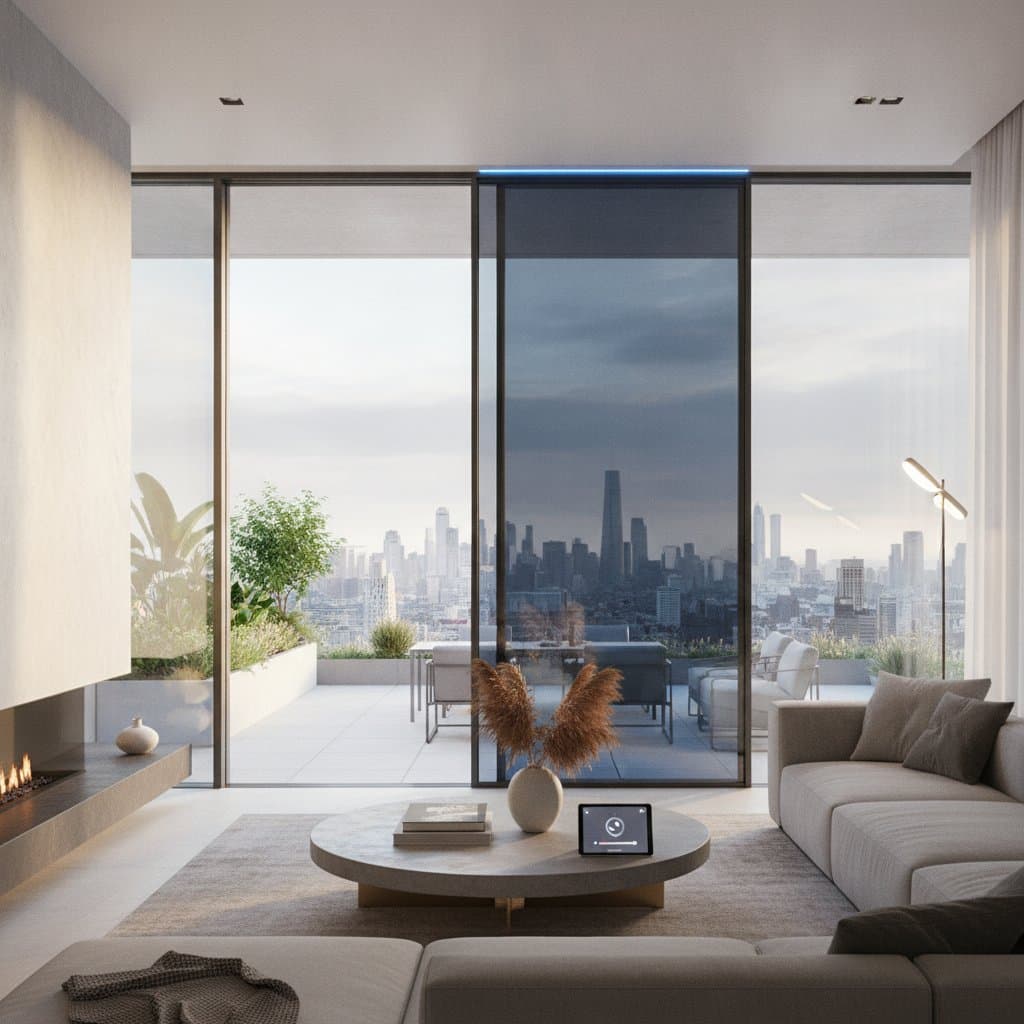
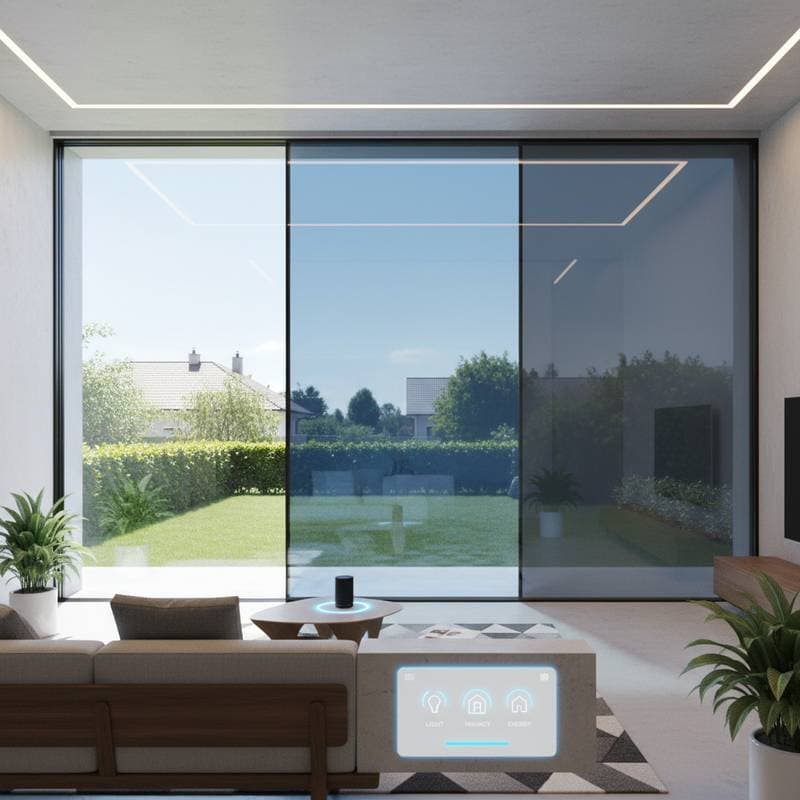
At the core of this technology lies a responsive coating embedded within the glass pane. When a low-voltage current activates, ions migrate to alter the material's opacity, thereby modulating light and heat passage. In tinted mode, the glass blocks up to 99 percent of visible light and ultraviolet rays, minimizing solar heat buildup. Deactivating the current restores full transparency within seconds.
Users operate these systems via intuitive interfaces, such as wall-mounted panels or voice-activated hubs. Sensor-driven automation adjusts tint levels in real time, adapting to external conditions like intense midday sun or evening dusk. This eliminates reliance on traditional shades, streamlining daily routines.
Key Reasons Homeowners Select Electrochromic Windows
Several practical advantages propel the popularity of smart glass among discerning property owners.
1. Superior Energy Efficiency
By dynamically managing solar heat, electrochromic windows reduce reliance on heating and cooling systems. Research from leading energy institutes indicates potential reductions in cooling expenses by 20 percent or more in high-sunlight climates. This efficiency translates to lower utility bills and a smaller environmental footprint over time.
2. Enhanced Comfort and Glare Management
Maintain optimal indoor environments without sacrificing views. These windows diffuse harsh sunlight while preserving natural illumination, creating glare-free spaces ideal for workspaces or relaxation areas. Temperature fluctuations diminish, fostering a more stable and inviting atmosphere.
3. Instant Privacy Solutions
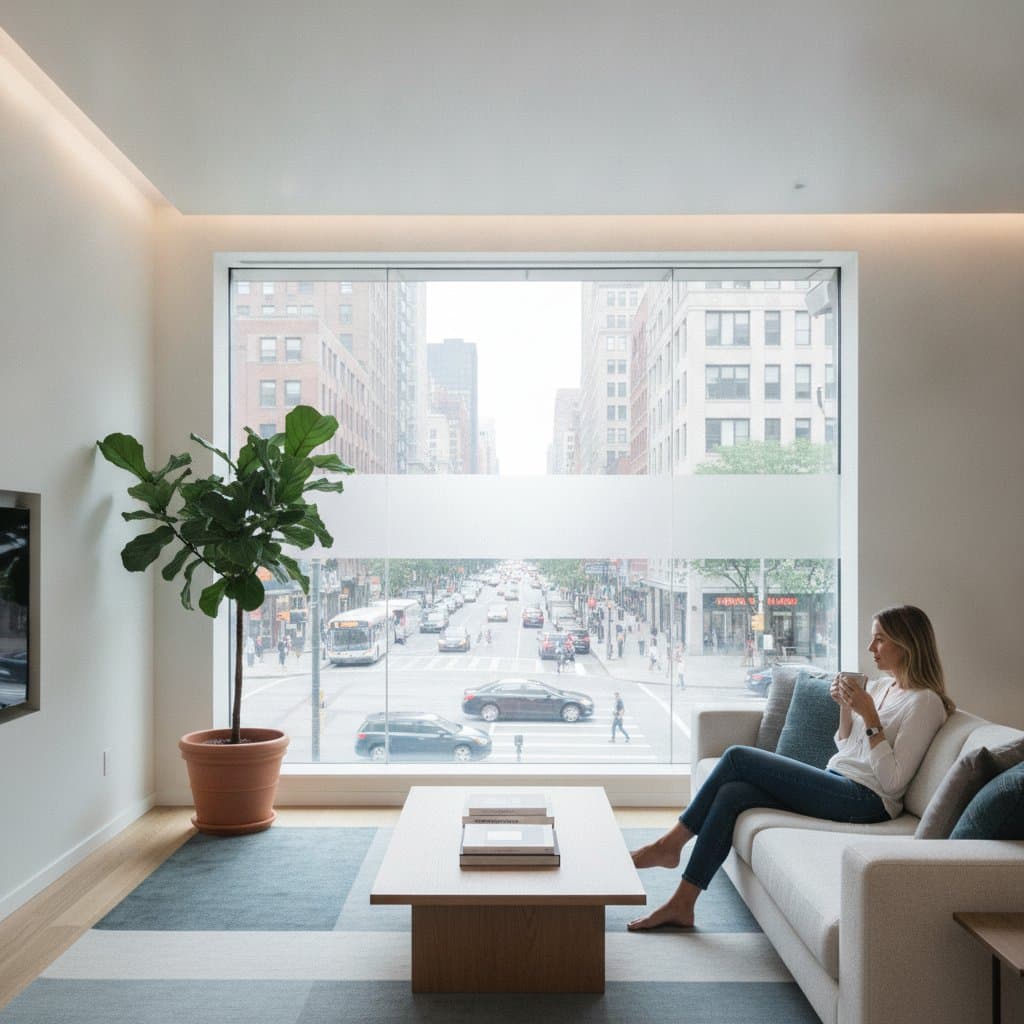
Achieve seclusion effortlessly by switching to an opaque state that prevents external views yet permits inward light diffusion. This proves invaluable in densely populated areas or sensitive locations like bedrooms and restrooms. The transition occurs silently and swiftly, without mechanical components.
4. Contemporary Design Integration
Smart glass aligns with minimalist architectural trends, offering unobstructed sightlines and a refined profile. Eliminate the clutter of drapes or blinds to accentuate interior lines and maximize space perception. Its versatility suits both new builds and retrofits, enhancing overall property value.
Drivers Behind the Anticipated Supply Shortages
Emerging technologies often encounter production bottlenecks, and electrochromic windows follow this pattern. Multiple influences converge to heighten market pressure heading into 2026.
Seamless Smart Home Compatibility
Integration with platforms like those from major automation providers allows for sophisticated scheduling. Program windows to sync with occupancy patterns, weather data, or even security systems, automating adjustments for peak efficiency. This connectivity appeals to tech-savvy households seeking unified control.
Alignment with Sustainability Standards
Regulatory pushes for eco-friendly construction favor materials that minimize energy consumption. Electrochromic glass supports certifications such as LEED by optimizing natural resource use, attracting developers focused on green credentials. Homeowners benefit from incentives like tax credits for qualifying installations.
Increased Visibility Through Industry Promotion
Architects, interior designers, and real estate agents showcase smart glass in showcase properties, sparking widespread curiosity. Media coverage of its role in luxury developments trickles down to everyday renovations, broadening appeal across market segments.
Elements Impacting Installation Expenses
Project budgets hinge on various site-specific and material choices. Understanding these helps in planning a feasible upgrade.
| Cost Factor | Typical Influence | Homeowner Tip |
|---|---|---|
| Window size and shape | Expansive or non-standard forms elevate expenses | Opt for rectangular formats to control costs |
| Frame material | Premium alloys or composites exceed basic vinyl | Select based on durability and insulation needs |
| Control systems | Advanced networking incurs $200 to $400 extra | Bundle with existing smart devices for savings |
| Electrical work | Pre-existing conduits lower labor demands | Coordinate with electricians during initial planning |
Regional wage variations, site access challenges, and project scope further shape totals. New constructions often prove more economical than retrofits due to integrated wiring.
Professional Perspectives on Setup Processes
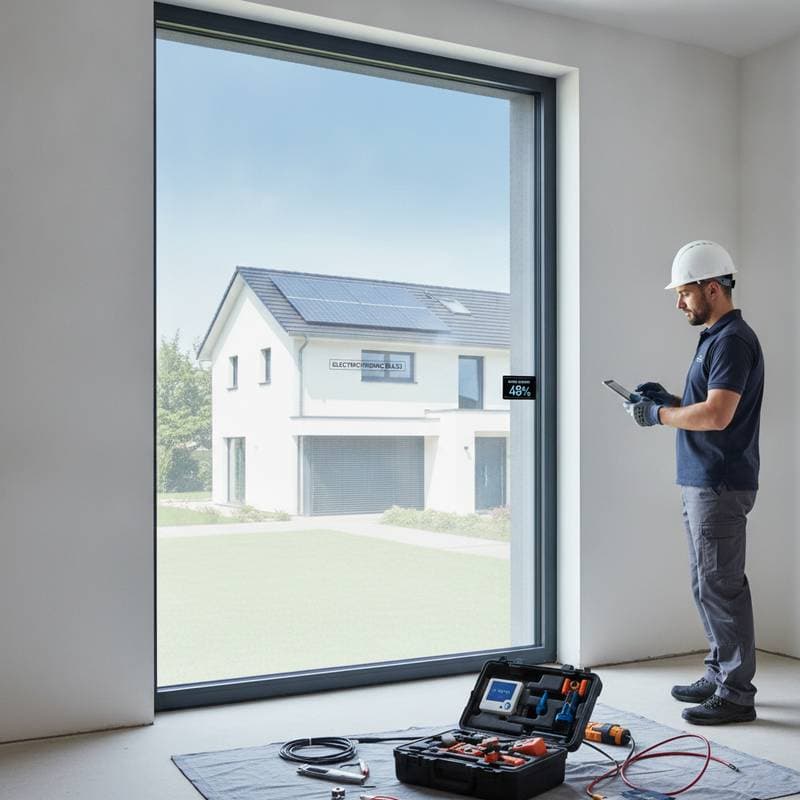
Experienced technicians emphasize the nuances of electrochromic installations. John Peterson, a certified glazing specialist based in Illinois, notes, “Homeowners often underestimate the importance of working with an electrician familiar with smart systems. The glass itself installs like any other window, but the controls require precision.”
Preparation involves assessing electrical capacity and calibrating sensors for uniform performance. Post-installation testing ensures seamless operation, addressing any variances in tint response across multiple panes.
Upkeep and Durability Considerations
These windows demand little ongoing care. Wipe surfaces with mild, ammonia-free cleaners to preserve clarity and coating integrity. Encased electronics resist environmental stressors, ensuring reliability in diverse conditions.
Monitor for consistent functionality through periodic checks. Update firmware via manufacturer apps to optimize performance. Minor issues, such as intermittent power glitches, typically resolve through targeted repairs rather than full replacements, extending the system's 20- to 25-year lifespan.
Steps to Integrate Electrochromic Windows Effectively
Evaluate your home's layout to pinpoint high-impact zones, such as east- or west-facing exposures prone to overheating. Consult architects or certified vendors for simulations demonstrating light patterns and energy projections.
Secure comprehensive bids outlining all components, timelines, and warranties. Prioritize firms experienced in smart integrations to minimize disruptions. With production ramps underway yet demand surging, initiate inquiries soon to lock in schedules and potentially negotiate volume discounts.
Electrochromic windows transcend novelty, delivering tangible returns in efficiency, aesthetics, and lifestyle enhancement. Homeowners who act decisively position themselves to capitalize on this evolving technology before widespread availability constraints emerge.