Acoustic Glass: Reducing Urban Noise by 85% by 2026
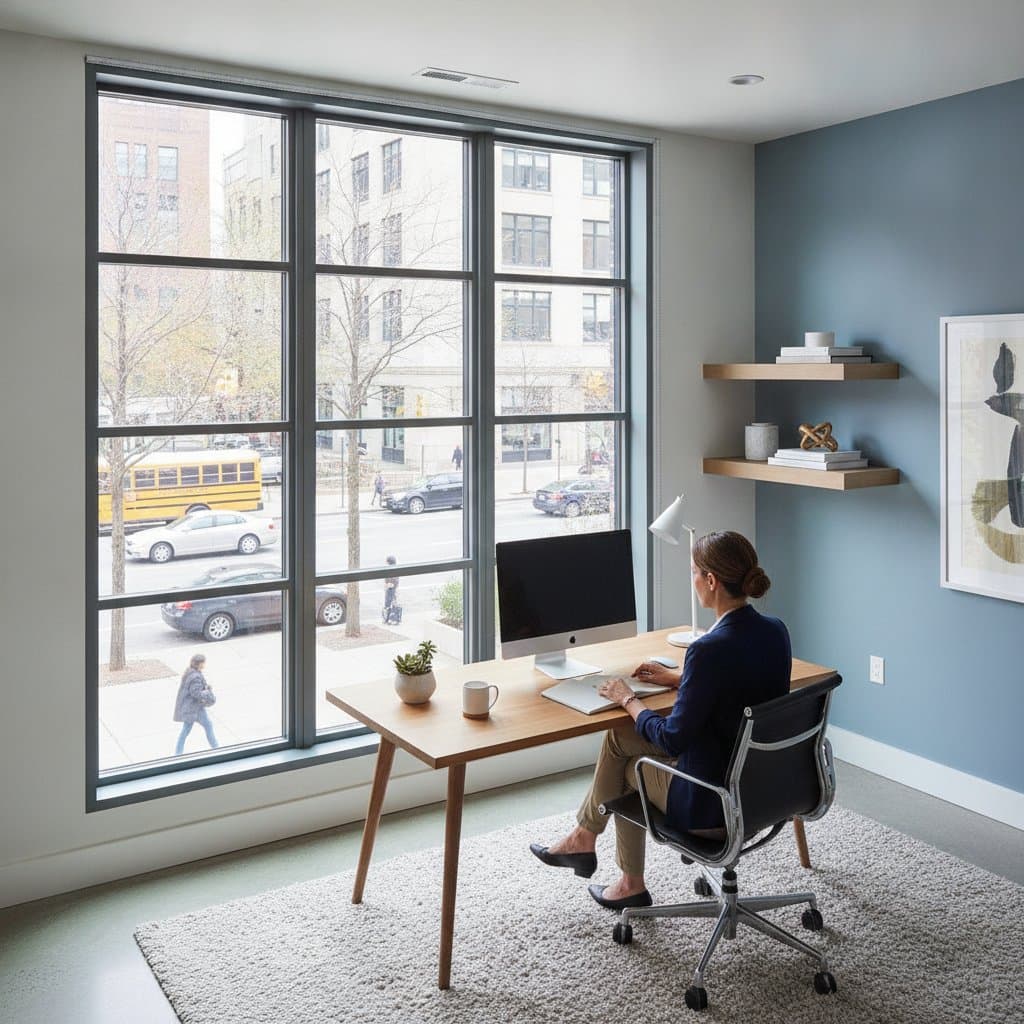
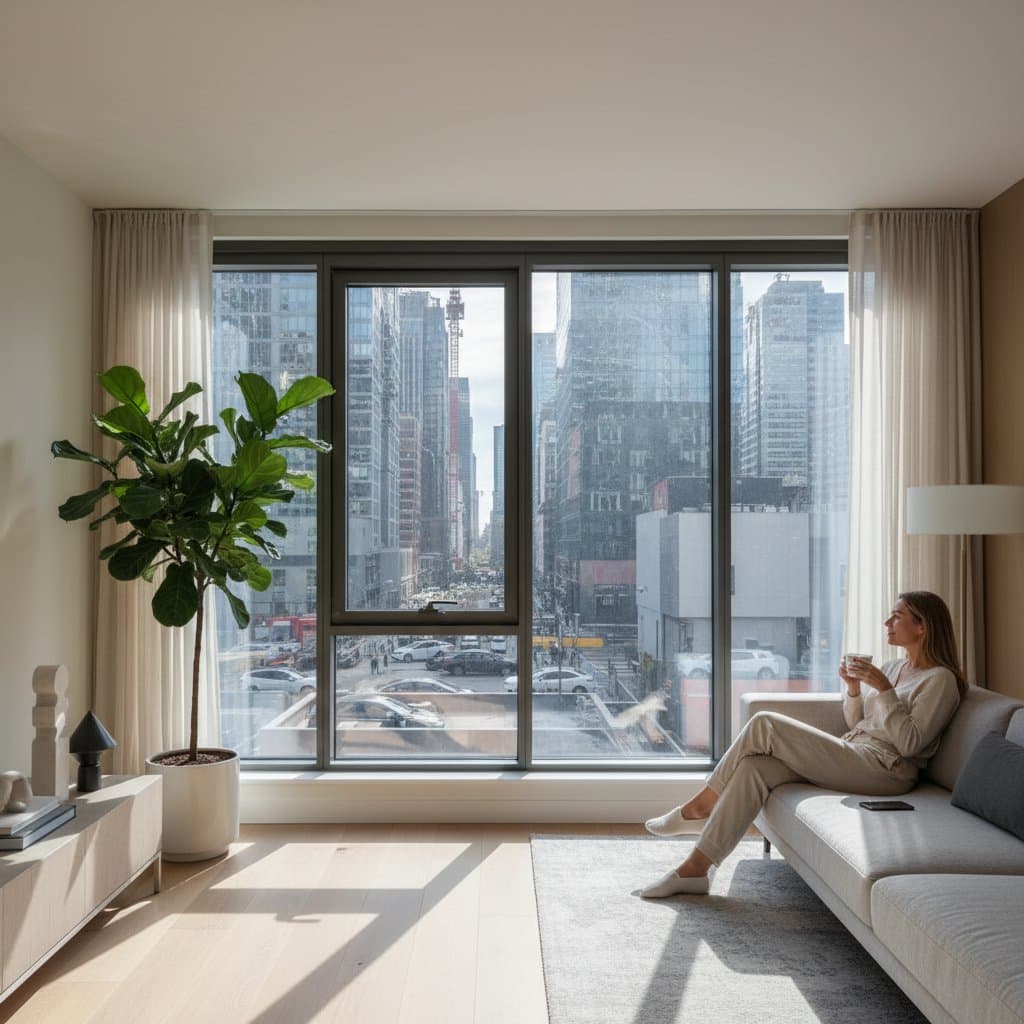
Urban environments offer vibrant energy and accessibility, but they often come with persistent noise from traffic, construction, and daily activities. This intrusion disrupts relaxation, productivity, and sleep in city homes. Acoustic glass emerges as a targeted solution, with projections indicating up to 85% noise reduction by 2026 through innovative designs that enhance indoor tranquility.
What Is Acoustic Glass?
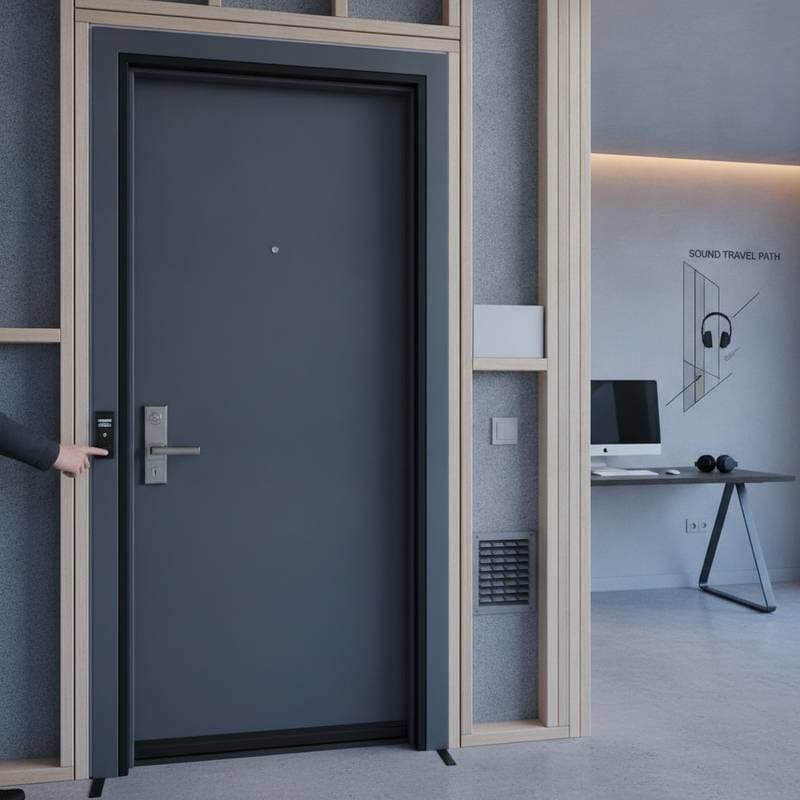
Acoustic glass consists of multiple panes bonded with a specialized interlayer that absorbs sound vibrations. This construction disrupts the path of noise waves, preventing them from penetrating into living spaces. As a result, residents experience significantly lower levels of external disturbances, fostering a more serene atmosphere.
Standard double glazing prioritizes heat retention, whereas acoustic variants emphasize sound attenuation. The interlayer, often made from viscoelastic materials, targets a broad range of frequencies, including low rumbles from vehicles and high-pitched urban sounds. Professionals recommend it for properties adjacent to highways, rail lines, or bustling districts.
Acoustic Glass Versus Standard Options
Homeowners benefit from comparing glass types to align choices with specific needs. Acoustic glass delivers superior noise control alongside thermal benefits, distinguishing it from basic double glazing focused mainly on insulation.
| Type | Initial Cost | Lifespan | Maintenance | Ideal Application |
|---|---|---|---|---|
| Standard Double Glazing | Moderate | 20-30 years | Annual cleaning | Basic energy conservation |
| Acoustic Glass | Higher | 25-35 years | Biannual seal checks | Moderate urban noise mitigation |
| Laminated Acoustic Glass | Premium | 30+ years | Periodic frame inspections | High-security, extreme soundproofing |
Initial expenses for acoustic glass run 20-40% higher than standard options, yet the investment yields returns through improved well-being and potential property value increases. Reduced noise correlates with better mental health and higher resale appeal in noisy locales.
The Installation Process for Acoustic Windows
Installing acoustic windows requires precision to maximize effectiveness and durability. Begin by consulting certified installers who evaluate noise exposure using decibel meters and site surveys.
- Site Assessment: Identify high-impact areas, such as bedrooms facing main roads, and measure existing window dimensions.
- Frame Preparation: Examine current frames for structural integrity; replace with reinforced models if needed to accommodate thicker glass units up to 40mm.
- Glass Fitting: Position panels with laser-guided tools for even spacing, applying silicone seals to eliminate air pockets.
- Performance Testing: Conduct on-site sound tests to verify reduction levels, adjusting as necessary before final securing.
- Handover and Care: Provide owners with a maintenance schedule, including gentle cleaning with non-abrasive solutions every three months.
This methodical approach ensures windows perform optimally from day one, minimizing future adjustments.
Integrating Acoustic Glass into Home Design
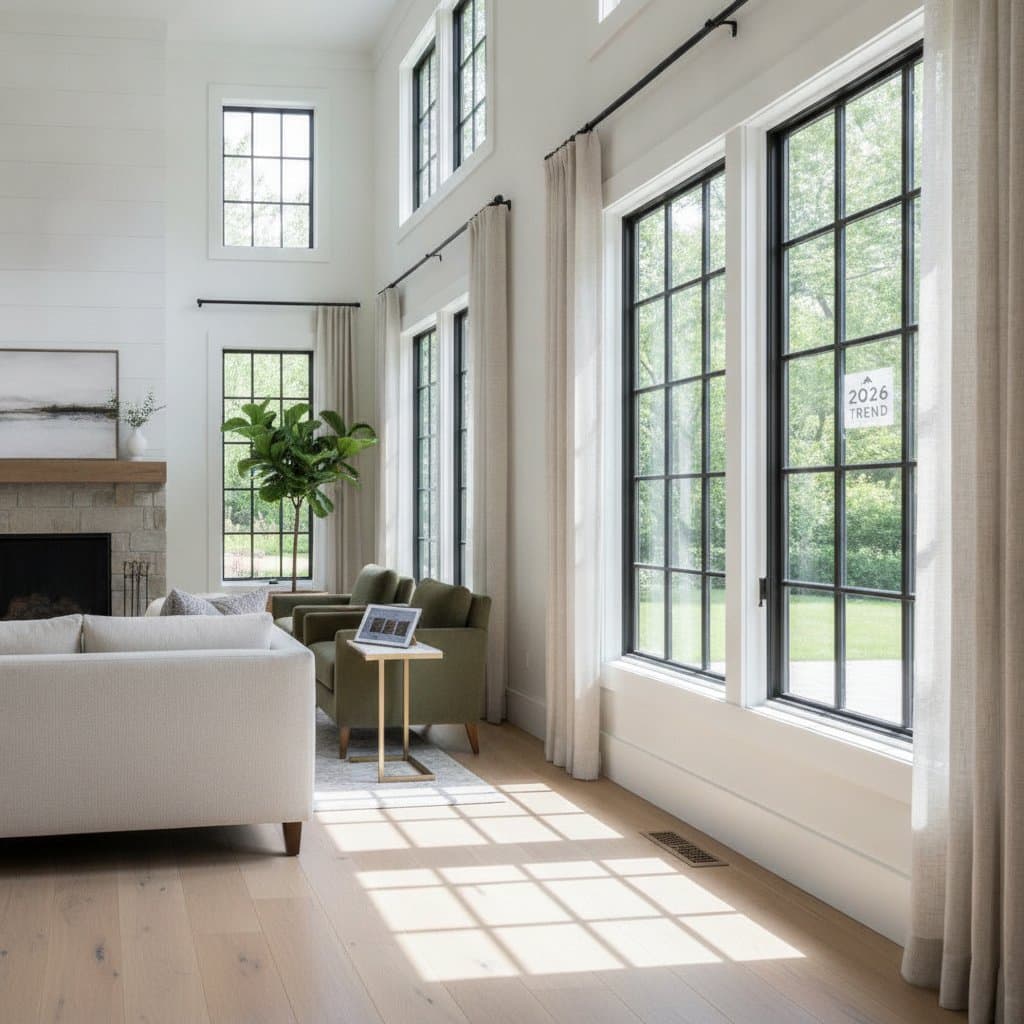
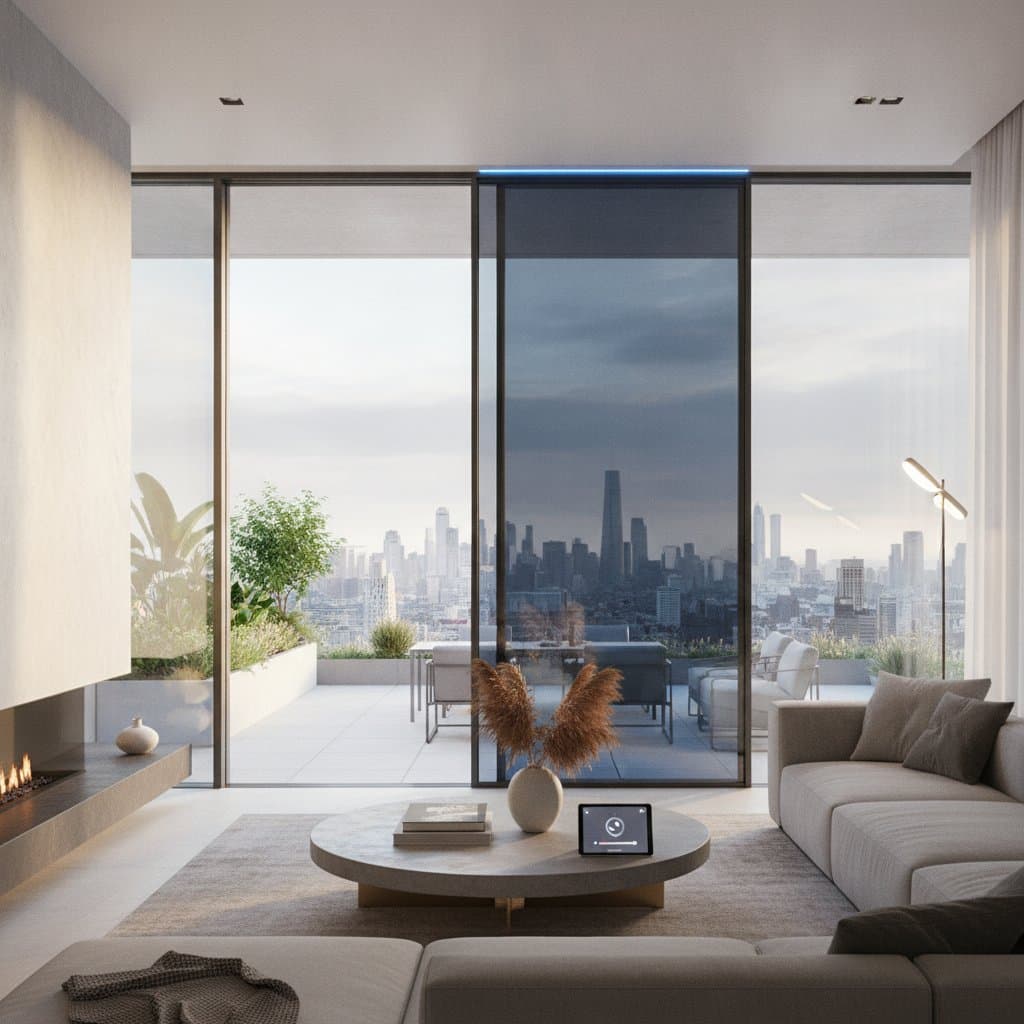
Beyond noise control, acoustic glass affects light, airflow, and visual elements. Opt for tinted or low-iron variants to preserve brightness while maintaining sound barriers. Balance thickness with frame styles, such as slim aluminum profiles, to avoid a bulky appearance.
Incorporate complementary features like acoustic curtains or rugs to amplify effects in larger rooms. For modern interiors, pair with wooden accents around frames to soften the industrial feel of glass. These choices create cohesive spaces that prioritize both function and style.
Sustaining Performance Over Time
Acoustic glass retains its efficacy for decades with proactive care. Schedule professional inspections every two years to check for seal degradation or frame shifts caused by settling foundations.
Combine with energy-efficient upgrades, such as argon-filled gaps, to lower utility bills by up to 15%. This holistic strategy supports sustainable living, reducing reliance on artificial climate control. Homeowners report sustained noise drops even after 10 years, provided routine upkeep occurs.
Key Factors in Selecting Acoustic Glass
Evaluate your environment to determine the right fit. Conduct a noise audit by recording peak decibel levels during rush hours; aim for solutions that target your primary sources.
Budget planning should account for rebates from energy programs, offsetting upfront costs. Align selections with aesthetic preferences, testing samples for light transmission in your space. Consult multiple suppliers to compare warranties, typically ranging from 10 to 20 years.
Steps to Upgrade Your Urban Home
Advancements in acoustic glass position it as an essential upgrade for city residences. Start by gathering quotes from vetted installers and reviewing performance data specific to your location. This investment cultivates lasting peace, elevating daily life amid urban bustle.