Acoustic Windows: Achieving Quiet Luxury with 85 Percent Urban Noise Reduction
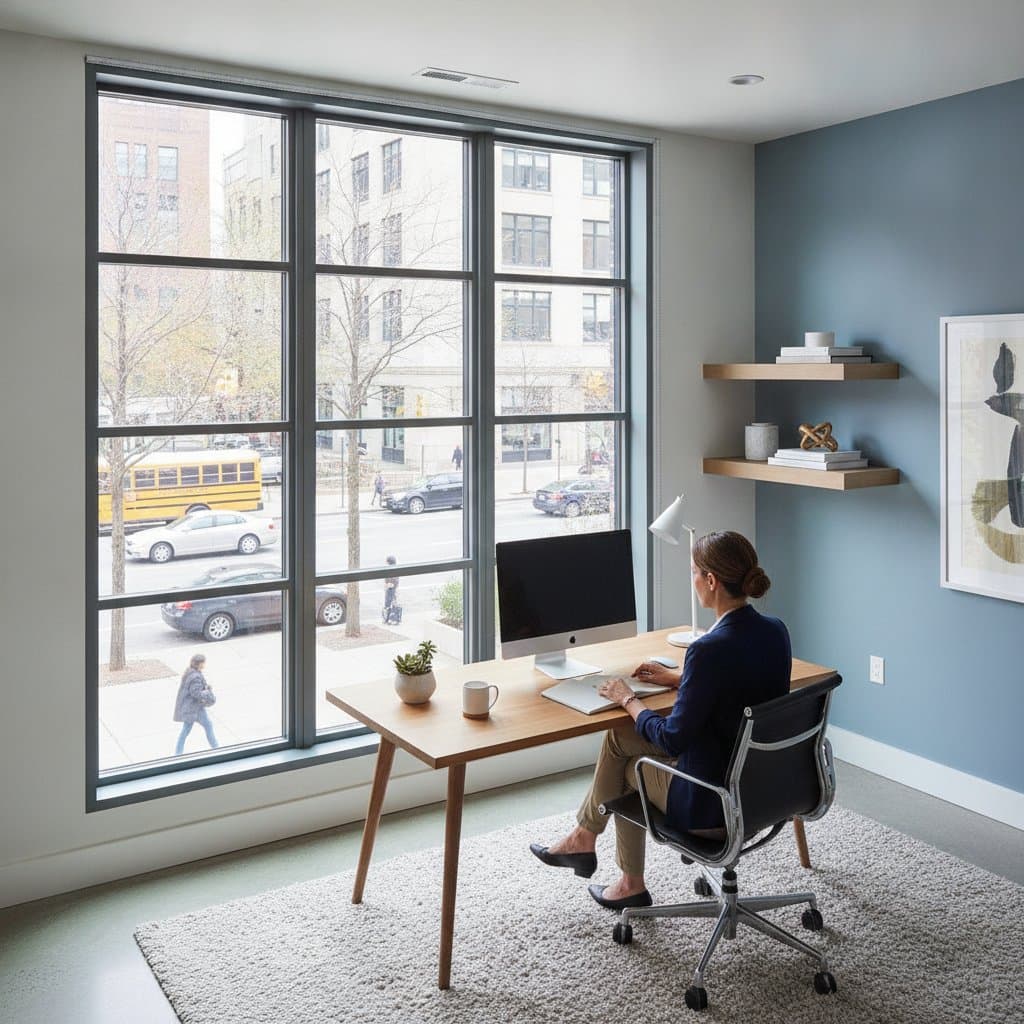
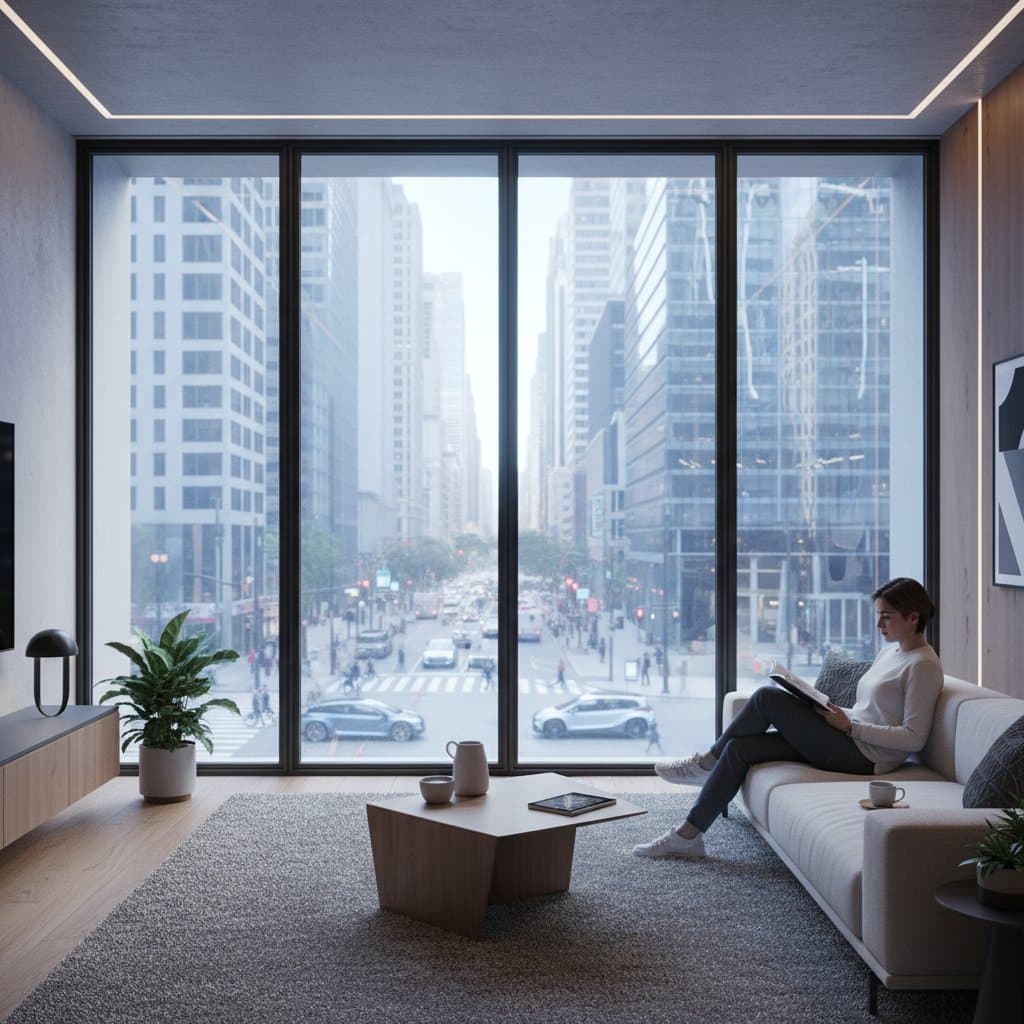
City living provides energy, culture, and opportunity. However, it frequently includes one persistent drawback: noise. Acoustic windows emerge as a highly effective solution to restore tranquility in urban settings. The latest models reduce exterior noise by up to 85 percent, allowing homeowners to create a calm interior space without compromising on style, natural light, or airflow. This approach extends beyond mere silence; it fosters a harmonious integration of architectural elegance, comfort, and functionality.
The Role of Acoustic Windows in Transforming Urban Homes
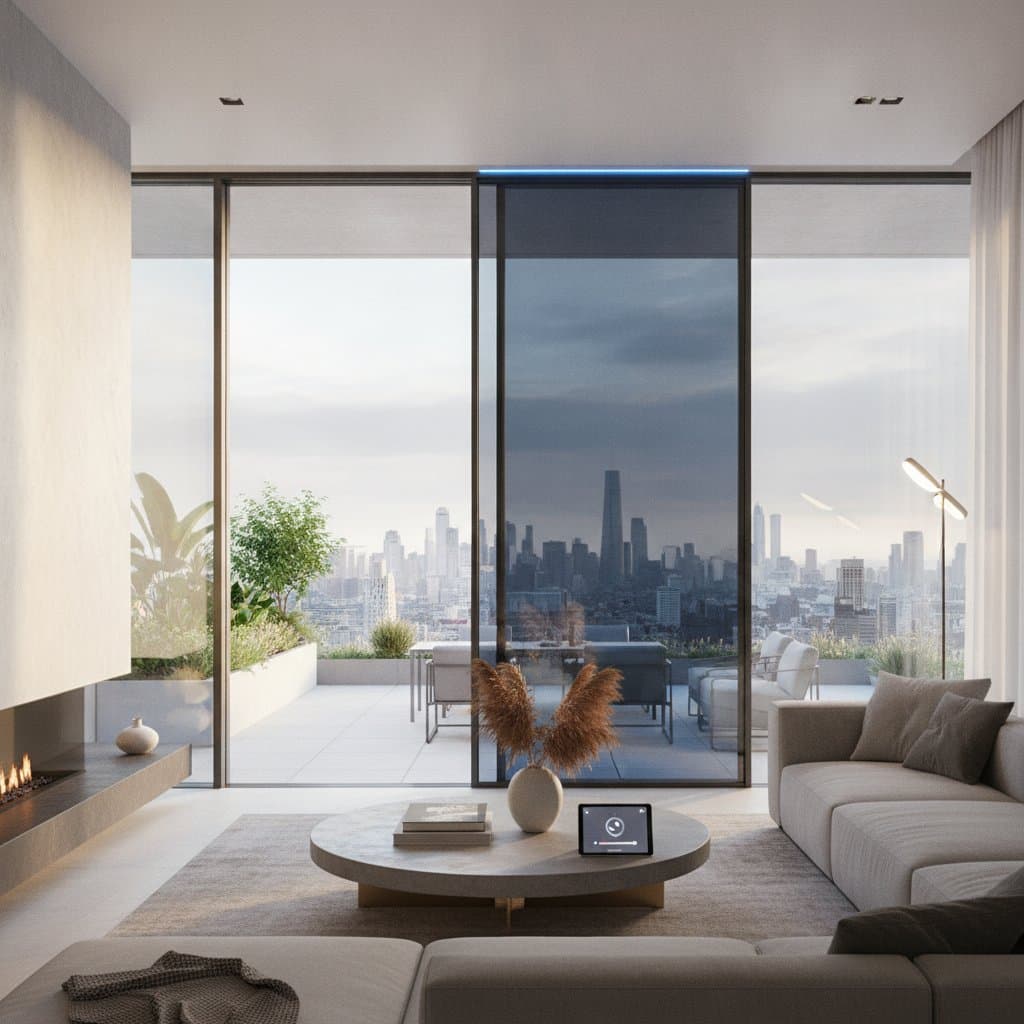
Contemporary architecture favors expansive glass surfaces and open floor plans. These elements maximize daylight and scenic views, yet they often amplify urban sounds. Acoustic windows address this challenge through multi-layered glazing, specialized gas fillings, and robust airtight seals that isolate the interior from external disturbances. Their value stems from combining premium visual appeal with tangible benefits, including improved energy efficiency, greater privacy, and increased property worth. These windows adapt seamlessly to both modern and classic exterior designs.
Three Strategies to Implement Acoustic Windows
Homeowners can select from various approaches based on budget and scope. Each method balances cost, performance, and aesthetic integration. The following options provide practical paths to noise reduction and design enhancement.
Budget-Friendly Option (2,000 to 5,000 Dollars)
- Install double-pane acoustic vinyl windows equipped with laminated glass for effective sound dampening.
- Prioritize replacements in high-noise areas, such as bedrooms or rooms facing busy streets.
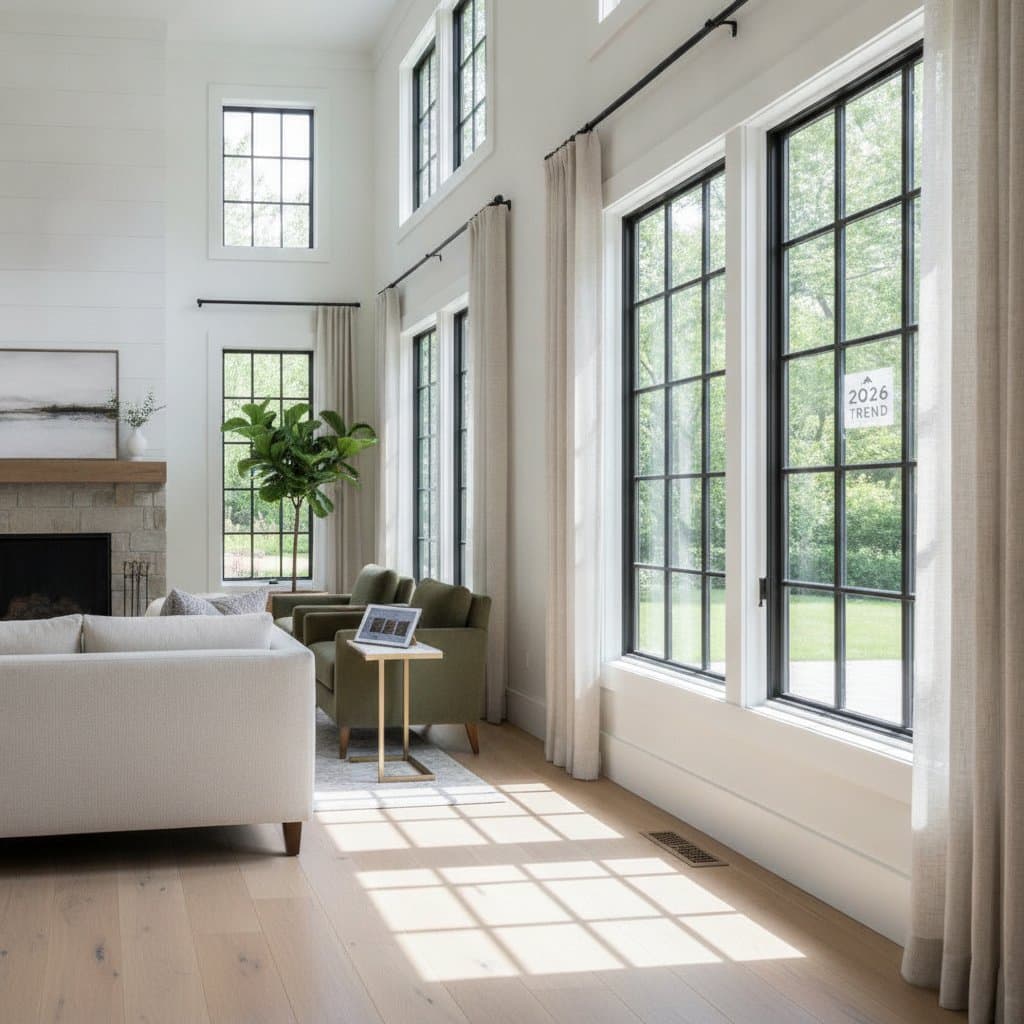
- Supplement with heavy drapes or specialized acoustic curtains to further minimize sound transmission.
- Preserve existing frames if they remain structurally intact, and apply acoustic caulk to seal any gaps for optimal results.
Mid-Range Option (6,000 to 12,000 Dollars)
- Choose triple-pane insulated windows filled with argon or krypton gas to achieve superior noise isolation.
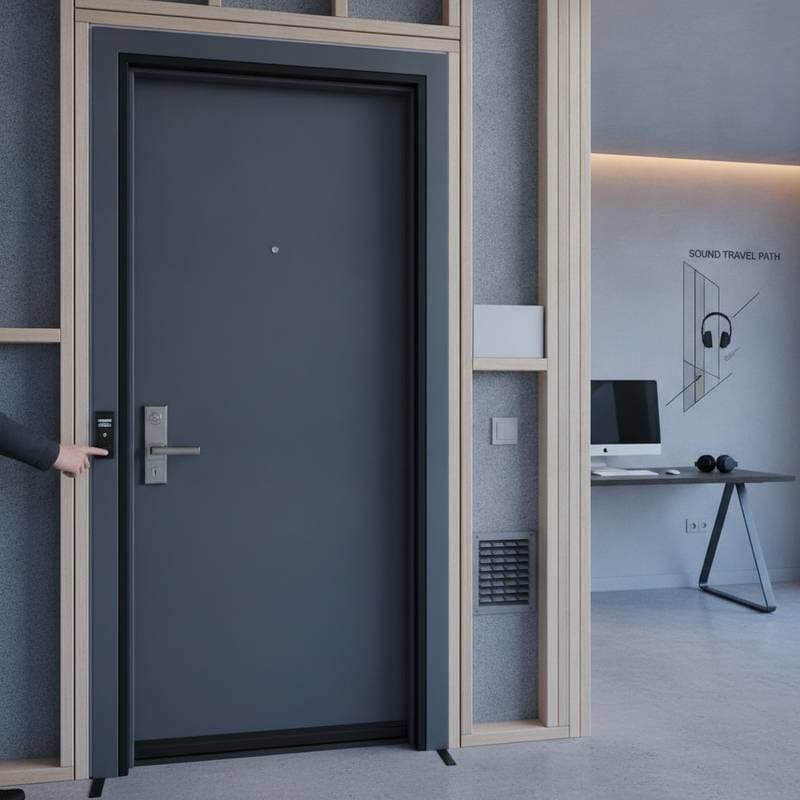
- Pair these with solid-core exterior doors to form a unified barrier against sound.
- Select composite or fiberglass frames, which resist distortion and demand little maintenance over time.
- Add acoustic glass to sidelights or transoms around doors, ensuring ample light enters without allowing noise to follow.
Premium Investment Option (15,000 to 30,000 Dollars)
- Opt for custom-designed acoustic windows that incorporate laminated glass with advanced interlayers for maximum soundproofing.
- Employ thermally broken aluminum or durable wood-clad frames to enhance insulation and ensure long-term reliability.
- Develop a comprehensive exterior system, including noise-attenuating doors and insulated siding panels, for seamless façade integration.
- Explore smart glass options that allow adjustments in transparency, thereby optimizing privacy alongside consistent acoustic effectiveness.
Guide to Materials and Finishes
Selecting appropriate materials ensures both performance and visual harmony. Focus on components that align with your home's architecture while delivering acoustic benefits.
- Windows: Casement and tilt-turn configurations excel in sound control due to their secure, multi-sided closure. Finishes in black, bronze, or natural wood suit modern, farmhouse, or industrial aesthetics. Pair with matte hardware, such as brushed nickel or oil-rubbed bronze, to achieve a unified, subtle appearance.
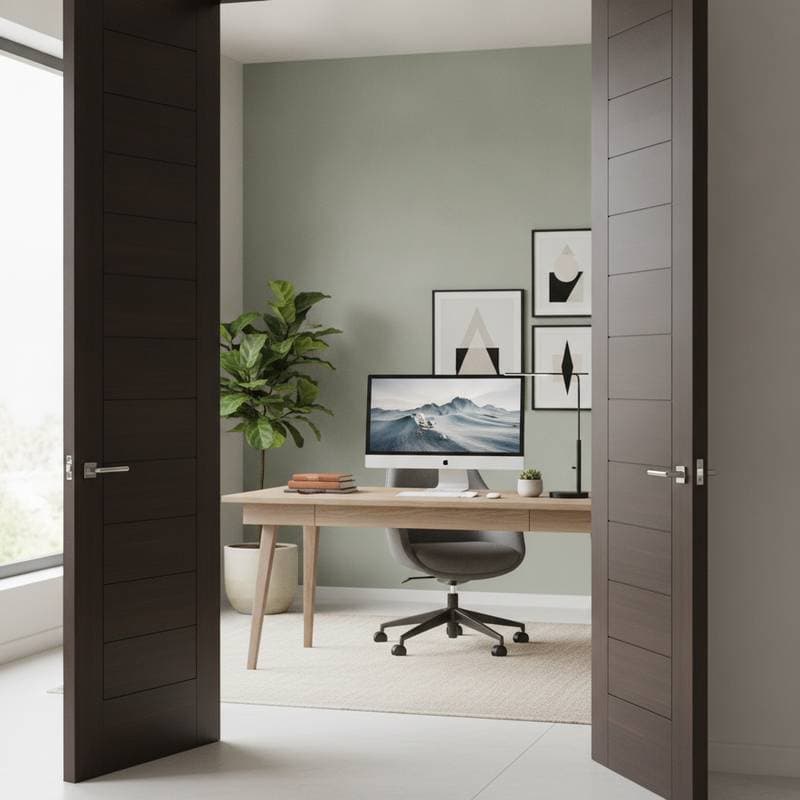
- Doors: Composite or engineered wood doors featuring acoustic cores complement enhanced windows. Incorporate frosted or laminated glass panels to preserve design flow and block external noise.
- Siding: Fiber cement or insulated vinyl options boost acoustic properties and withstand environmental wear. Patterns like vertical board and batten or smooth horizontal lap enhance minimalist or farmhouse exteriors.
- Trim and Accents: Install wide trim boards around windows and doors to frame views and aid in sound sealing. Align soffit and fascia colors with overall scheme for a polished, cohesive exterior.
Essential Maintenance Practices
Acoustic windows require minimal upkeep compared to traditional alternatives. Laminated glass withstands cracking and condensation effectively, while frames made from vinyl, fiberglass, or aluminum cladding clean easily with mild detergent. Wood-clad varieties offer enduring warmth but benefit from regular sealing or staining to guard against moisture.
Inspect gaskets for flexibility and verify seal integrity, as these elements sustain performance. Triple-pane or laminated units carry more weight, so lubricate hinges and check locking mechanisms for proper alignment periodically. Routine seasonal maintenance preserves soundproofing and energy savings for many years.
Common Pitfalls to Avoid
Several errors can diminish the effectiveness of acoustic upgrades. Addressing them upfront leads to superior outcomes.
- Overlooking Frame Integrity: Placing advanced glass into worn frames reduces efficacy. Evaluate and repair or replace frames prior to glazing improvements.
- Targeting Windows Alone: Sound infiltrates via doors, vents, or inadequate siding. Combine window enhancements with solid-core doors and insulated exteriors for comprehensive protection.
- Disregarding Airflow Requirements: Sealed acoustic windows limit air exchange, potentially affecting indoor quality. Integrate trickle vents or ventilation systems to support healthy circulation.
- Disrupting Visual Proportions: Oversized acoustic windows may appear cumbersome without proper scaling. Align frame widths and grille designs with your home's established style.
Coordinating Colors and Styles for Lasting Appeal
Unified finishes elevate curb appeal and ensure design cohesion. Consider these enduring combinations to match your exterior palette:
- Charcoal Paired with Natural Oak: Dark gray or black windows alongside warm wood doors convey refined urban sophistication.
- Soft White with Coastal Blue: White accents against blue-gray siding suit coastal or cottage motifs, promoting a bright, breezy vibe.
- Warm Taupe and Bronze Accents: Neutral earth tones with metallic details add richness to traditional or transitional residences.
- Graphite and Cedar Tones: Bold dark frames with natural cedar siding merge industrial strength and organic texture.
- Pewter with Cream Highlights: Subtle neutrals foster modern elegance and classic versatility.
Photography Checklist for Project Planning
Visual documentation aids in product selection and contractor collaboration. Record these elements to inform your choices:
- Broad façade views from various perspectives to capture overall layout.
- Detailed shots of window and door frames, highlighting materials and current finishes.
- Close-ups of trim, siding textures, and unique architectural details.
- Street-level images to assess neighborhood context and integration potential.
- Observations on sunlight patterns and dominant noise origins surrounding the property.
Integrating Acoustic Upgrades for Enhanced Living
Acoustic windows offer urban residents a strategic upgrade that combines engineering precision with aesthetic refinement. They deliver tranquility, superior energy performance, and enduring design value. By aligning windows, doors, and siding in a thoughtful retrofit or comprehensive overhaul, homeowners craft exteriors that withstand city demands while nurturing interior peace.