Why Acoustic Windows Block 85 Percent of Urban Noise
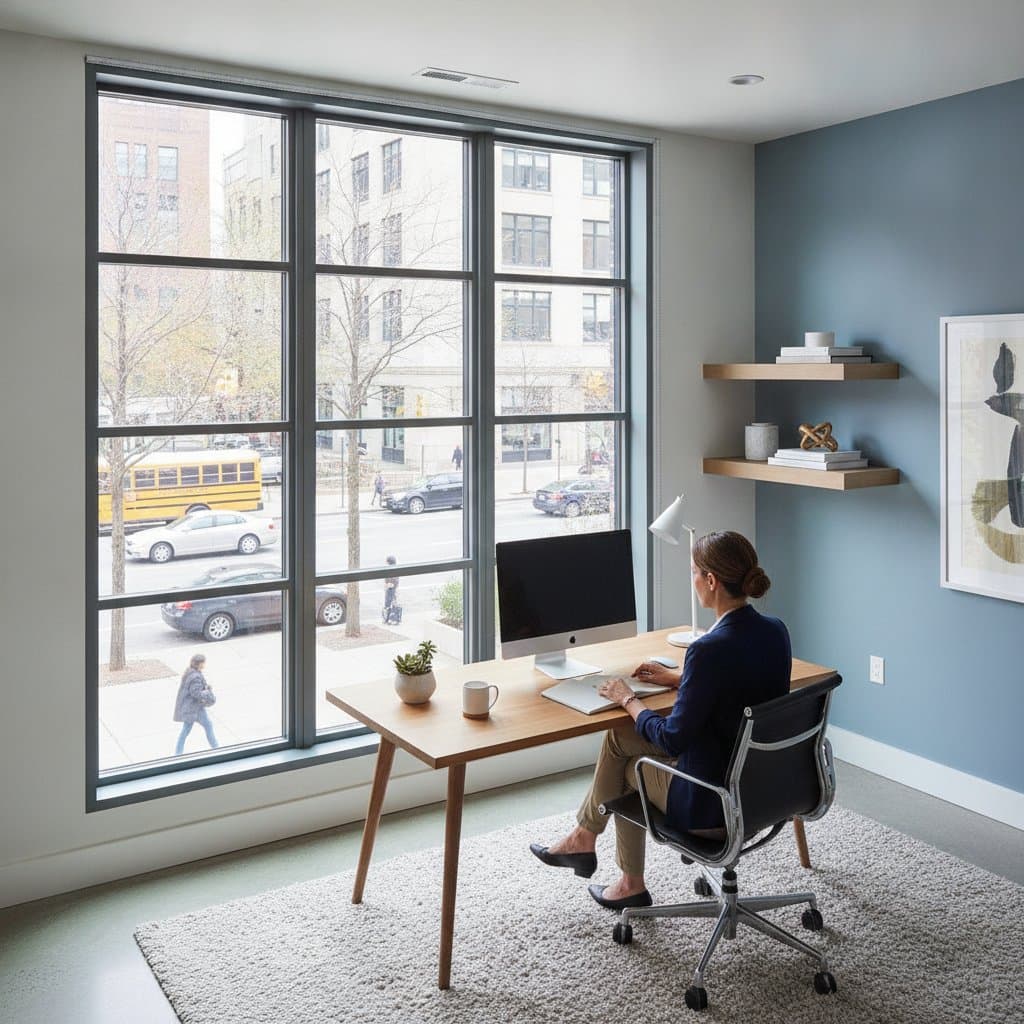
City living offers convenience and vitality, but the persistent sounds of traffic, construction, and nightlife frequently penetrate indoor spaces. Acoustic windows provide a practical solution for homeowners seeking tranquility without relocating. These windows incorporate specialized glass, air gaps, and framing systems that substantially diminish external noise. When selected and installed correctly, they reduce up to 85 percent of urban noise, converting bustling environments into serene, habitable areas.
Understanding the Appeal of Acoustic Windows
The demand for acoustic windows increases as homeowners prioritize comfort that extends beyond aesthetics. Effective sound management supports mental health, productivity, and restful sleep. In contrast to standard double-pane glass, acoustic windows feature multiple layers designed to absorb and reflect sound waves. The objective remains a significant decrease in intrusive noise rather than absolute silence. Consequently, homes gain insulation from urban disturbances while preserving natural illumination and external appearance.
Three Approaches to Achieve Acoustic Performance
Acoustic effectiveness accommodates various budgets through strategic selections of glass, frames, and installation. Each approach balances cost with noise reduction potential.
Budget Approach ($1,500 - $3,000)
- Material selections: Incorporate laminated acoustic glass into existing frames where feasible. This method updates only the glass, minimizing labor expenses.
- Efficiency strategies: Target rooms exposed to the loudest external sources. Upgrading select windows yields noticeable improvements.
- Key investments: Allocate resources to superior weatherstripping and precise sealing to eliminate sound transmission via imperfections.
Mid-Range Approach ($3,000 - $6,000)
- Balanced components: Employ double-glazed acoustic units with varying glass thicknesses. Such configurations interrupt diverse sound frequencies and enhance thermal efficiency.
- Enhancement options: Opt for vinyl or composite frames featuring insulated interiors to amplify sound absorption.
- Valuable additions: Apply low-reflectivity coatings and subtle tints that elevate both usability and visual appeal.
Premium Approach ($6,000 - $10,000)
- Advanced materials: Select triple-glazed laminated acoustic glass with gas-filled cavities for optimal attenuation.
- Sophisticated features: Choose aluminum-clad wood frames that offer luxurious interior surfaces alongside robust exteriors.
- Enduring benefits: Engage certified installers who apply vibration-resistant techniques, securing performance for extended periods.
Material and Finish Guide
Windows
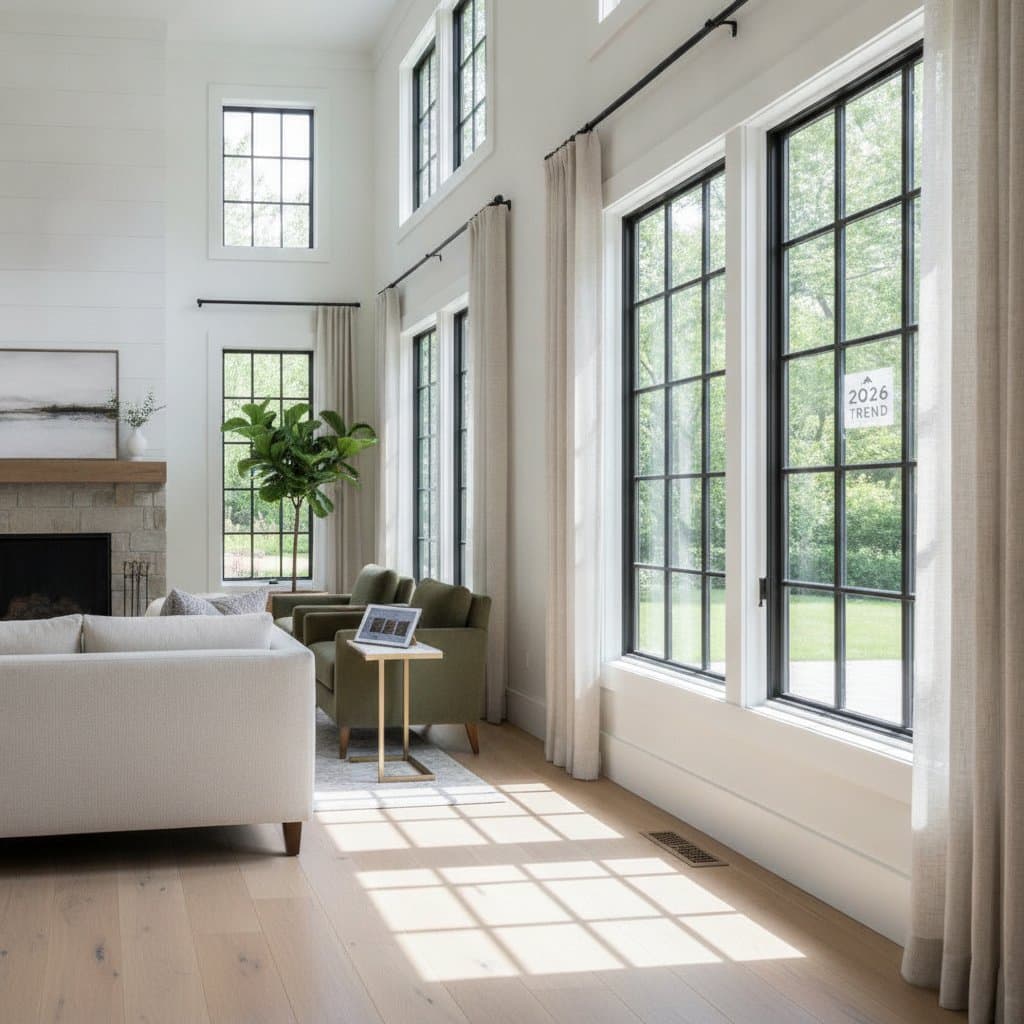
Acoustic glass configurations vary, with the most efficient combining laminated sheets of differing thicknesses and interlayers such as polyvinyl butyral or specialized resins. Frames must align with both structural demands and design objectives.
- Color options: Matte black, warm bronze, and soft gray suit contemporary residences. White or almond shades complement traditional exteriors.
- Hardware selections: Brushed nickel or oil-rubbed bronze fittings harmonize with diverse finishes and deliver functional elegance without excess ornamentation.
Doors
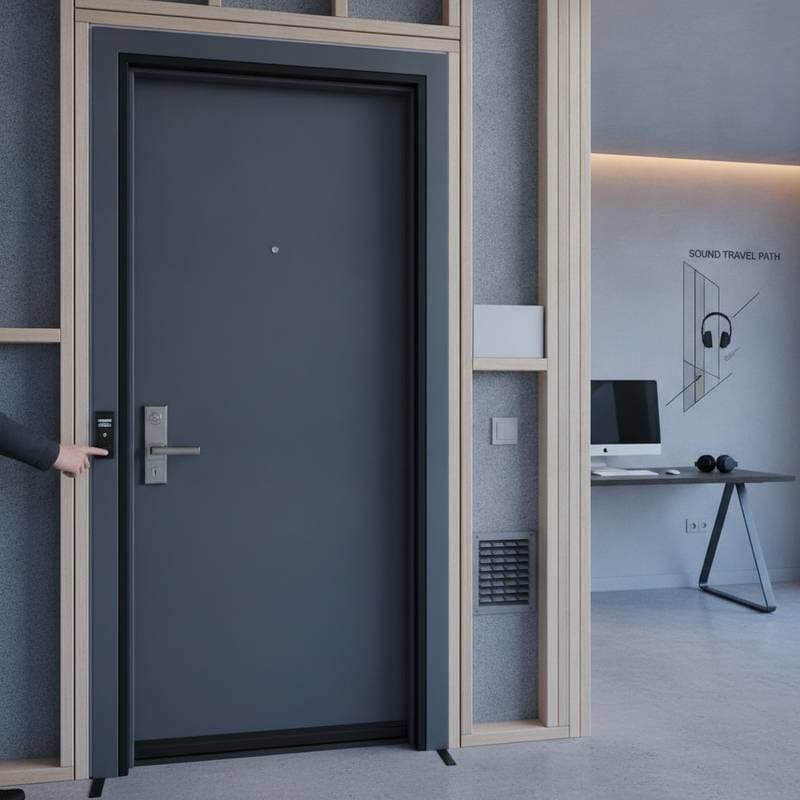
Exterior doors represent potential vulnerabilities for sound entry. Solid-core variants equipped with perimeter seals align with window efficacy.
- Material preferences: Engineered wood or fiberglass doors with internal insulation surpass hollow alternatives in performance.
- Glass integrations: Incorporate compact acoustic glass panels to admit light while suppressing noise.
- Hardware enhancements: Install multi-point locking systems and compression seals to minimize vibrations and drafts.
Siding
While windows bear primary responsibility for soundproofing, siding contributes to holistic acoustic integrity.
- Textural qualities: Fiber cement and engineered wood panels offer density that curbs sound vibrations.
- Color schemes: Neutral tones including driftwood gray, stone white, and coastal beige bridge modern and timeless aesthetics.
- Installation considerations: Layer continuous insulation under siding to improve both energy retention and noise control.
Trim and Accents
Trim accentuates acoustic windows visually while securing joints against sound passage.
- Harmonious choices: Employ cellular PVC or composite trim matched to frame hues via painting.
- Refined details: Add understated elements such as extended sills or crown molding to uphold architectural integrity and scale.
Maintenance Essentials
Acoustic windows demand routine care rather than specialized daily routines, yet sustained efficacy relies on diligent cleaning and checks.
- Glass maintenance: Wipe surfaces with mild soap and water solutions to safeguard interlayers. Steer clear of abrasive chemicals that compromise seals.
- Frame upkeep: Wash vinyl and composite frames periodically; for wood exteriors, apply fresh paint or sealant at regular intervals.
- Seal inspections: Examine weatherstripping yearly and substitute degraded components to avert acoustic breaches.
- Moisture control: Promote adequate indoor airflow to prevent condensation accumulation within glazing units.
These windows exhibit durability comparable to or surpassing standard types. Laminated glass withstands impacts, and sealed assemblies retain transparency for years under proper conditions.
Common Pitfalls to Avoid
- Inappropriate glass pairings: Identical pane thicknesses fail to address broad noise spectra. Prioritize varied thicknesses or laminations for comprehensive coverage.
- Subpar frame selections: Superior glass proves ineffective if sound routes through lightweight or inadequately insulated frames. Choose substantial materials with secure joints.
- Installation oversights: Unsealed perimeters permit noise intrusion. Retain professionals experienced in acoustic applications.
- Ventilation neglect: Highly sealed structures require supplemental systems to sustain air purity without relying on operable windows.
- Financial overreach: Comprehensive replacements burden budgets unnecessarily. Initiate with high-impact zones like sleeping areas, progressing incrementally.
Coordinating Colors and Styles
Acoustic windows enhance rather than restrict design versatility. Thoughtful palettes ensure seamless integration across architectural genres.
Recommended Combinations:
- Urban Modern: Charcoal frames paired with white trim and natural cedar siding.
- Transitional Classic: Soft beige siding, almond frames, and brushed nickel hardware.
- Contemporary Cool: Slate gray siding, black windows, and silver accents for bold contrast.
- Coastal Light: White frames with pale blue siding and satin chrome hardware evoking serenity.
- Warm Traditional: Chestnut brown siding, bronze-framed windows, and antique brass accents.
These schemes foster cohesion in texture, shade, and sheen. The neutral properties of acoustic glass prevent hue alterations, preserving palette fidelity.
Pre-Installation Photography Guide
Homeowners benefit from documenting existing exteriors prior to window upgrades. Such records aid in evaluating scale, placement, and harmony.
Essential Steps:
- Capture high-resolution images from multiple angles, featuring detailed views of trim-siding junctions.
- Document prevailing architectural motifs and unique elements requiring preservation.
- Review community aesthetics and zoning rules influencing colors or materials.
- Map primary noise origins, including traffic flows or adjacent developments.
- Log regional weather influences to inform choices for moisture, heat, and UV resistance.
- Outline fiscal allocations, designating urgent versus deferred upgrades.
These preparations facilitate precise planning and unified results.
Integrating Acoustic Solutions for Lasting Benefit
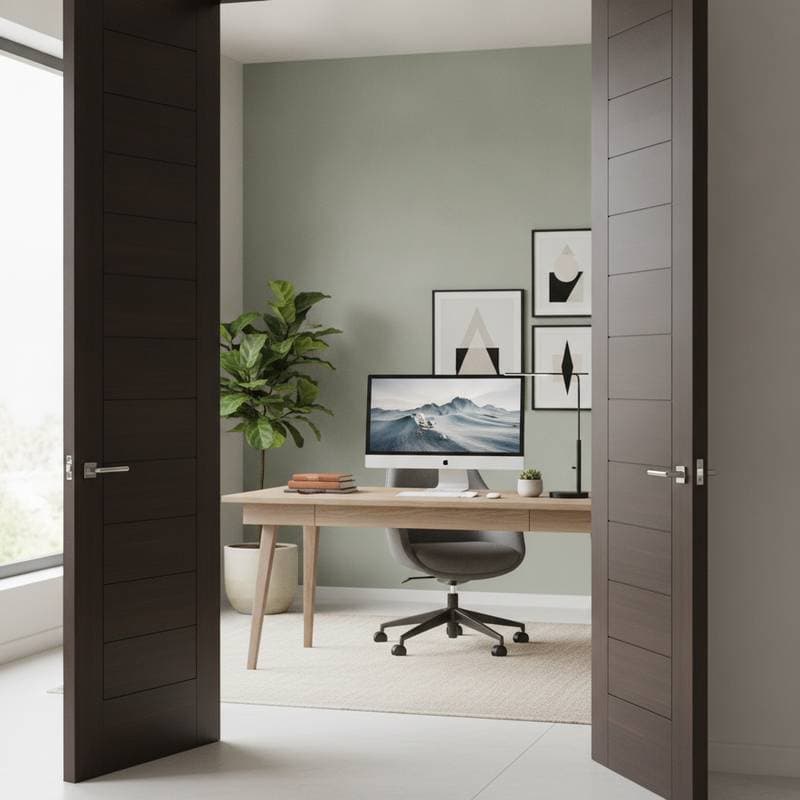
Acoustic windows deliver tranquility alongside multifaceted advantages. Layered glass, insulated frames, and meticulous installation collaborate to restore calm amid urban intensity. Strategic selections yield enduring serenity, elevated property worth, and refined curb appeal. Homeowners pursuing focused workspaces, rejuvenating bedrooms, or subdued communal areas discover that sound mitigation elevates living quality without aesthetic trade-offs.