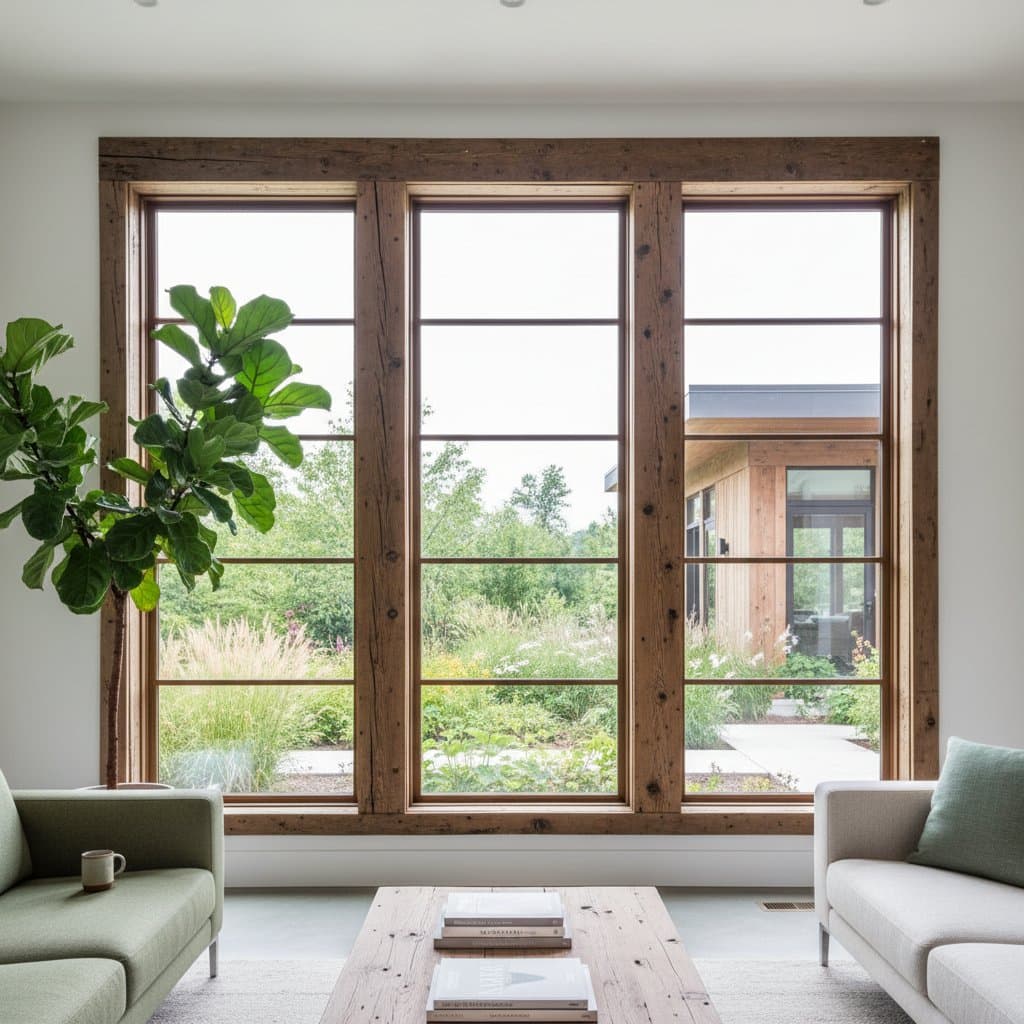
Reclaimed Barn Wood: 2026's Eco Window Revolution
Reclaimed barn wood has evolved from rustic flooring and accent walls into a key element of window construction. Homeowners now select these windows for their sustainability, visual charm, and enduring strength, qualities that surpass many contemporary options. This shift influences views on energy efficiency and architectural personality in homes.
Average Costs and What to Expect
Reclaimed barn wood windows qualify as premium custom items. Expect to invest between $950 and $2,500 per window, covering materials and installation. Prices vary based on dimensions, glass specifications, and the lumber's quality.
Frames from durable hardwoods such as oak, chestnut, or heart pine command higher prices. Review these details to align with your budget.
| Window Type | Average Installed Cost | Description |
|---|---|---|
| Single-Hung Reclaimed | $950 to $1,400 | Traditional design with basic operation and standard insulation |
| Double-Hung Reclaimed | $1,200 to $1,800 | Enhanced airflow, simpler upkeep, and options for better energy savings |
| Casement Reclaimed | $1,400 to $2,100 | Outward-opening for secure closure against air leaks, ideal for blended rustic and modern settings |
| Picture Reclaimed | $1,000 to $2,500 | Stationary panel that highlights wood textures, perfect for scenic views |
Installation labor accounts for 30 to 45 percent of the total. Additional custom work, finishes, and glass enhancements may add $200 to $500 per unit, depending on the specialist's expertise.
Why Reclaimed Barn Wood Works for Windows
Reclaimed barn wood provides unmatched density and resilience compared to fresh-cut timber. Decades of natural air-drying create compact grains and a textured surface that enhances interior spaces. This density ensures reliable performance amid temperature and moisture fluctuations.
Tom Weaver, a custom window builder in Vermont, notes that these materials excel in handling seasonal changes. He explains, "Many old boards have already gone through years of weathering, which makes them more stable than new lumber once sealed properly."
Paired with advanced insulating glass and protective coatings, these frames minimize distortion and match the efficiency of mass-produced products.
Environmental Benefits of Reclaimed Wood Windows
Opting for reclaimed wood windows directly cuts demand for fresh timber harvesting. This choice preserves woodlands, lowers emissions from processing and shipping, and diverts materials from waste sites. It also decreases reliance on non-wood alternatives like vinyl or aluminum.
Green building analyses indicate up to 75 percent reduction in carbon from materials when using reclaimed sources versus new ones. For projects aiming at LEED certification, these windows support key sustainability credits.
Design Appeal and Aesthetic Options
Reclaimed barn wood delivers authentic warmth and historical depth to designs. Unique features like embedded nails, cut marks, and tonal shifts ensure no two frames match exactly.
Select finishes to suit your style. Preserve the original weathering for rustic authenticity, or apply subtle stains to accentuate patterns. A transparent sealant maintains the wood's essence while offering modern protection.
| Finish Type | Look and Feel | Maintenance Needs |
|---|---|---|
| Natural (Unstained) | Rustic, weathered, authentic patina | Re-seal every 2 to 3 years |
| Light Stain | Enhanced grain, warmer hues | Apply UV protection periodically |
| Clear Sealant | Smooth texture, contemporary vibe | Clean with mild soap as needed |
| Painted | Versatile colors | Repaint every 5 to 7 years |
Factors That Influence Cost and Performance
Key elements shape both expenses and durability of these windows. Consider them to refine your selections and estimates.
- Wood Species: Opt for oak or chestnut for longevity, though at a premium; pine offers affordability but needs more attention.
- Material Condition: Extensive cleaning or repairs raise labor fees.
- Window Style: Intricate designs like bays demand extra resources.
- Glazing Options: Upgrades such as multi-pane units or gas fills boost costs by $100 to $300 but enhance thermal performance.
- Finish and Sealing: Premium barriers guard against elements, prolonging service life.
Installation Considerations
Reclaimed wood demands expert handling due to its variability in shape and size. Engage installers skilled in these materials to achieve tight fits and full weather resistance.
Preparatory steps include checking for defects, extracting old fasteners, smoothing surfaces, and treating for moisture. Frames assemble via precise joints or supportive hardware.
Ryan Delgado, a licensed contractor in Oregon, emphasizes the need for care. He states, "Every reclaimed board tells a slightly different story. You cannot treat them like stock lumber. That is where craftsmanship really matters."
Skipping professional oversight risks drafts or moisture issues, undermining efficiency.
Comparing Reclaimed Wood to Other Window Materials
Evaluate reclaimed options against common alternatives to weigh benefits.
| Material | Cost Range per Window | Lifespan | Energy Efficiency | Environmental Impact |
|---|---|---|---|---|
| Reclaimed Barn Wood | $950 to $2,500 | 30 to 50 years with care | Excellent with proper glazing | Low carbon footprint |
| New Wood | $700 to $1,800 | 20 to 40 years | Good | Moderate, depends on sourcing |
| Vinyl | $500 to $1,200 | 20 to 30 years | Very good | High manufacturing footprint |
| Fiberglass | $800 to $1,500 | 30 to 40 years | Excellent | Moderate |
| Aluminum | $600 to $1,300 | 20 to 35 years | Fair | High energy production cost |
Reclaimed wood's initial outlay yields superior eco and visual returns for discerning buyers.
Maintenance and Long-Term Care
Routine care preserves the integrity and appearance of reclaimed windows. Focus on inspections and light treatments to counter environmental wear.
Follow this schedule:
- Clean frames with soap and water quarterly.
- Examine seals and finishes yearly.
- Refresh oils or sealants biennially or triennially.
- Verify seals seasonally.
Steer clear of aggressive cleaners to protect the wood's character. Minor repairs involve sanding and resealing for renewed protection.
Regional and Seasonal Considerations
Local weather affects wood behavior significantly. In moist areas, install vapor barriers and ensure airflow to prevent decay. Arid zones benefit from annual oil applications to avoid splits.
Account for thermal cycles by incorporating frame flexibility. In harsh climates, triple glazing optimizes insulation and habitability.
DIY vs. Professional Installation
Ambitious DIY efforts suit minor tasks, but windows necessitate exactitude for sealing and codes. Pros charge $200 to $400 per window, securing warranties and integration.
For broader projects, align window work with carpentry to match trims and manage moisture effectively.
Getting the Most from Your Investment
These windows elevate home value through sustainable style and uniqueness. They appeal to eco-aware markets, boosting resale potential.
Enhance outcomes by:
- Selecting efficient glazing.
- Harmonizing with overall aesthetics.
- Documenting wood provenance.
- Collaborating with certified specialists.
Sourcing and Finalizing Your Project
Embrace reclaimed windows as a nod to heritage and green living. Source from trusted suppliers who verify wood history and processing.
Examine samples for suitability in tone and feel prior to purchase. With expert construction and upkeep, these features endure, blending historical allure with modern functionality for lasting home enhancement.