Smart Windows Reach $8 Billion Market by 2026
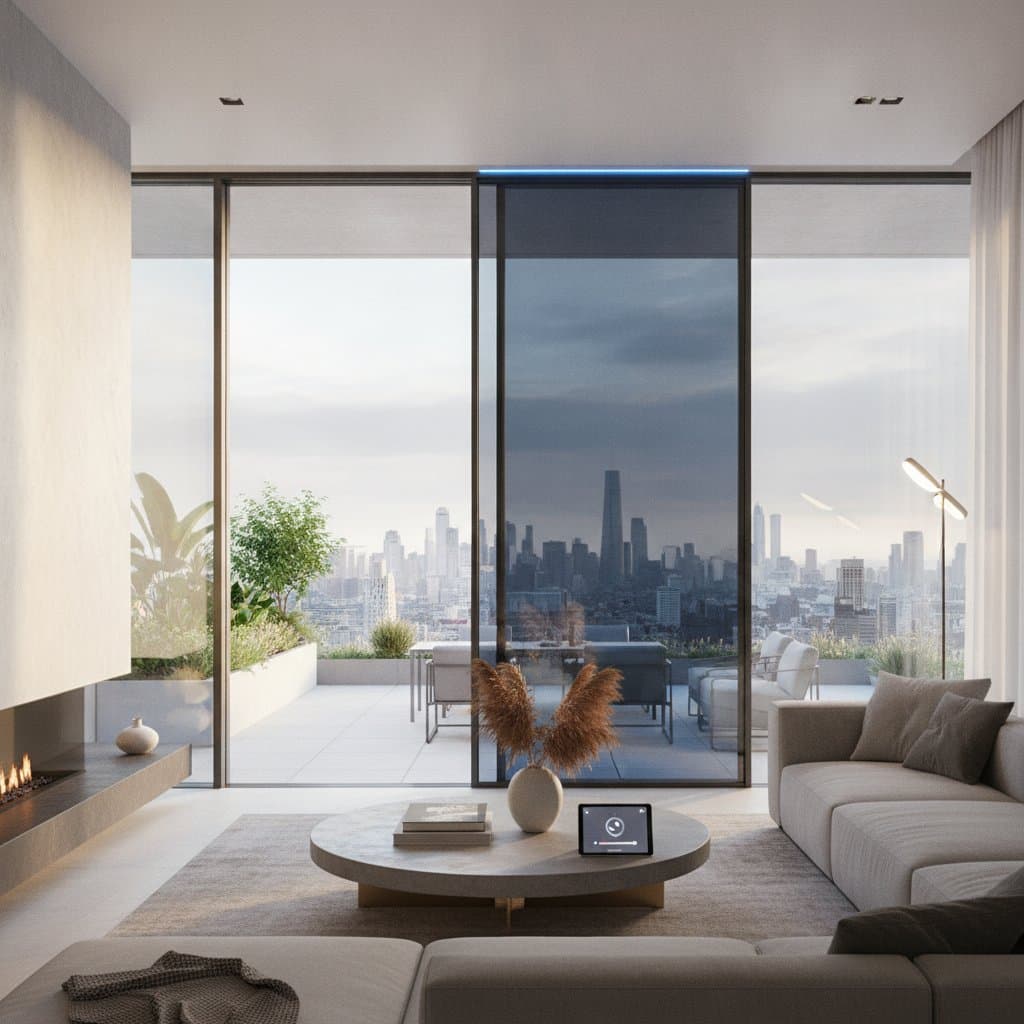
The smart windows sector experiences swift expansion, with projections indicating a global value of approximately $8 billion by 2026. Homeowners, architects, and commercial developers increasingly select this technology to enhance energy performance, occupant comfort, and visual appeal. Electrochromic glass, also known as dynamic glass, modulates its tint in response to electrical signals, effectively managing light and heat transmission. This integration of sophisticated materials and automated controls positions smart windows as a cornerstone of progressive building practices.
Individuals planning home improvements benefit from a clear grasp of operational principles, pricing structures, and suitability factors. The following sections examine the evolving smart window landscape, including cost analyses, installation protocols, and enduring advantages.
Pricing Structures and Market Benchmarks
Smart windows maintain a position as high-end offerings, though escalating production volumes and competitive pressures have lowered barriers to entry. Overall expenses vary based on installation scale, glass composition, and integrated controls.
| Material/Service | Cost Range | Key Features |
|---|---|---|
| Electrochromic (smart glass) | $50 to $100 per square foot | Electronic tint adjustment, energy conservation, customization options |
| Suspended Particle Device (SPD) | $70 to $120 per square foot | Rapid switching, superior glare reduction |
| Polymer Dispersed Liquid Crystal (PDLC) | $60 to $110 per square foot | Transitions from transparent to opaque, privacy-focused applications |
| Installation Labor | $20 to $40 per square foot | Encompasses old window removal and control system integration |
| Smart Controls and Sensors | $500 to $1,500 per system | Automation capabilities, mobile app connectivity, scheduling functions |
Residential projects typically range from $1,500 to $3,000 per window, influenced by dimensions and technical demands. Commercial deployments may escalate to substantial figures, yet residential adoption gains traction in new builds and extensive renovations.
Installation Protocols for Residential Applications
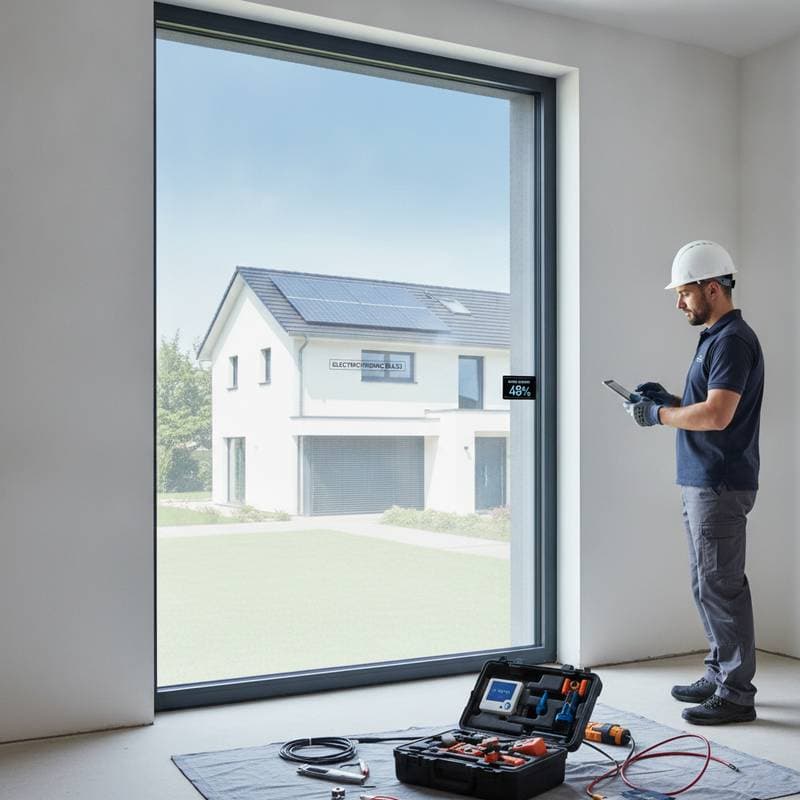
Professional installation proves essential for smart windows, involving glazing expertise alongside electrical integration. Panels link to power supplies and user interfaces, necessitating collaboration between glaziers and licensed electricians for accurate wiring and system tuning.
These systems suit both replacement scenarios and original constructions. Retrofitting existing structures incurs higher costs due to potential rewiring and modifications. A standard project spans one to three days for multiple windows, contingent on quantity and intricacy.
Local regulations may mandate permits, particularly for electrical components. Property owners must confirm adherence to prevailing building standards prior to commencement.
Upkeep and Durability Standards
Smart windows demand limited upkeep relative to conventional shading solutions. Standard glass cleaners suffice for surface care, avoiding abrasive agents. Electrical elements reside within sealed glass assemblies, shielding them from environmental contaminants.
Systems endure for decades under regular operation. Tinting functions withstand extensive cycle counts without performance decline. Owners conduct periodic inspections of interfaces and connections for deterioration. In cases of non-responsiveness, technicians diagnose power issues and substitute components without panel extraction.
Perspectives from Industry Professionals
Experienced installers advocate for proactive integration of smart windows. Jason Hartwell, a certified specialist in Denver, notes, “Homeowners should consider smart glass during initial planning. Post-drywall wiring often doubles effort and expense.” He advises incorporation at construction outset or during significant overhauls to optimize costs.
Efficiency experts underscore comfort enhancements. Maria Lopez, a consultant in Austin, observes, “Dynamic windows mitigate glare and uneven heating beyond the capabilities of static shades. This added livability rivals energy reductions in homeowner priorities.”
Such expertise underscores aligning technological choices with sustained efficiency and user satisfaction objectives.
Enhancing Home Energy Performance with Smart Windows
Advancements in sustainable materials prioritize thermal optimization, and smart windows deliver adaptive solutions without aesthetic trade-offs. Electrochromic variants surpass static tints by responding to solar variations in real time.
This mechanism curtails summer heat influx, easing cooling loads. In colder seasons, increased transparency facilitates solar warmth entry, supporting natural heating. Annual adaptability yields measurable utility reductions, recouping portions of upfront investments.
Complementary installations, such as thermal frames, efficient entryways, and automated overlays, amplify these gains, yielding pronounced bill decreases.
Sustainability and Design Advantages
Smart windows advance ecological objectives by minimizing reliance on replaceable coverings, curbing power use, and promoting balanced illumination. Ample daylight correlates with elevated mood and focus, while controlled exposure prevents thermal discomfort.
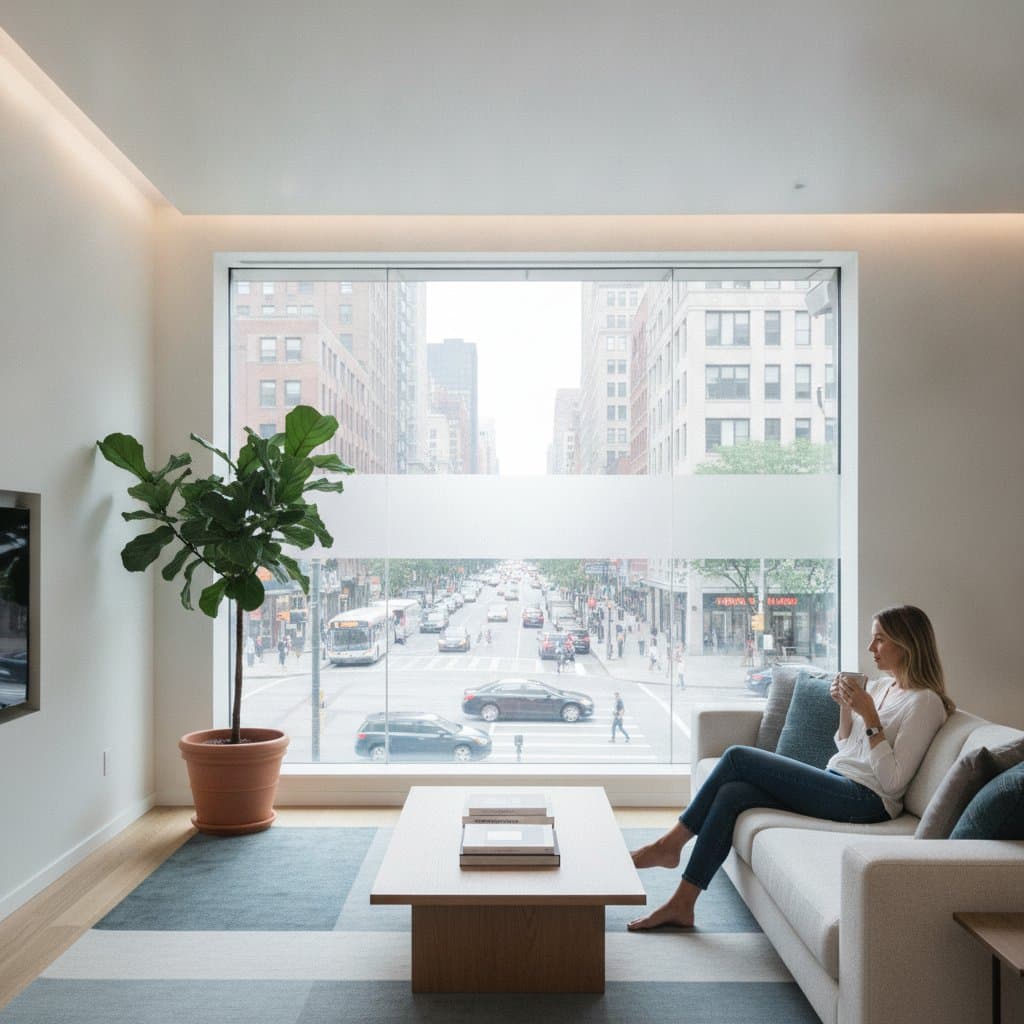
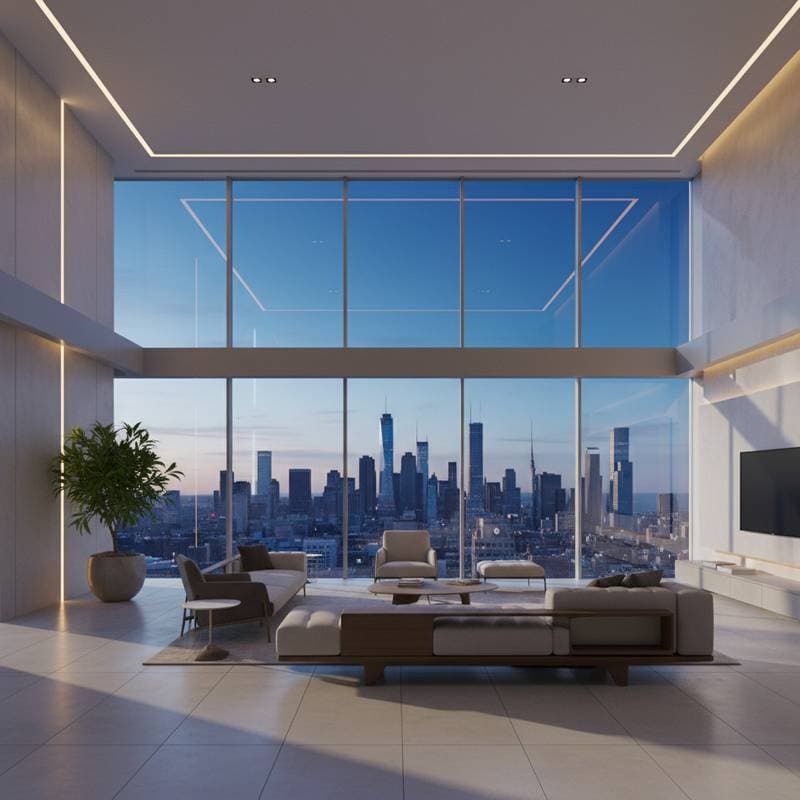
Design-wise, these solutions supplant cumbersome fixtures, fostering streamlined, contemporary spaces. Unobstructed vistas pair with functional elegance, appealing to those seeking integrated form and utility in residential settings.
Market Expansion and Emerging Developments
Demand for intelligent residences, green builds, and eco-materials propels the smart window sector forward. Innovators refine coatings for slimmer profiles, quicker responses, and enhanced resilience, alongside cost efficiencies. Seamless ties to home automation ecosystems enable reactions to environmental cues, usage patterns, or schedules.
Scaling manufacturing and builder familiarity promise further price erosion, broadening accessibility. The $8 billion forecast encompasses diverse applications, heralding transformative approaches to fenestration.
Steps to Integrate Smart Windows into Your Residence
Prospective adopters initiate with consultations from vetted professionals. Solicit comprehensive proposals covering variants, interfaces, and projected efficiencies. Evaluate several estimates for competitive value and verify installer proficiency in electrical aspects.
New constructions benefit from early architectural dialogues on smart options, streamlining infrastructure. For established properties, prioritize sun-exposed zones like southern exposures or expansive glazing to maximize impact.
This strategic approach ensures smart windows deliver lasting value through efficiency, comfort, and design harmony.