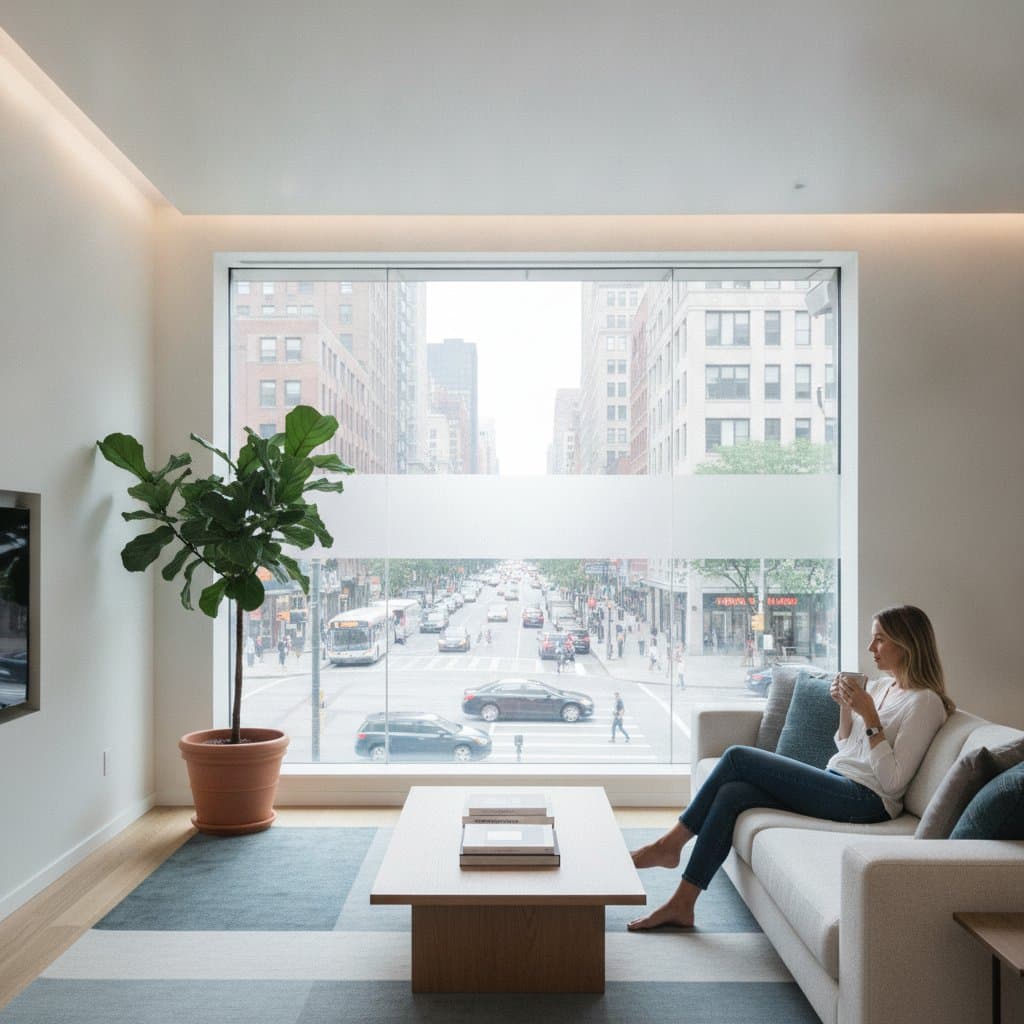
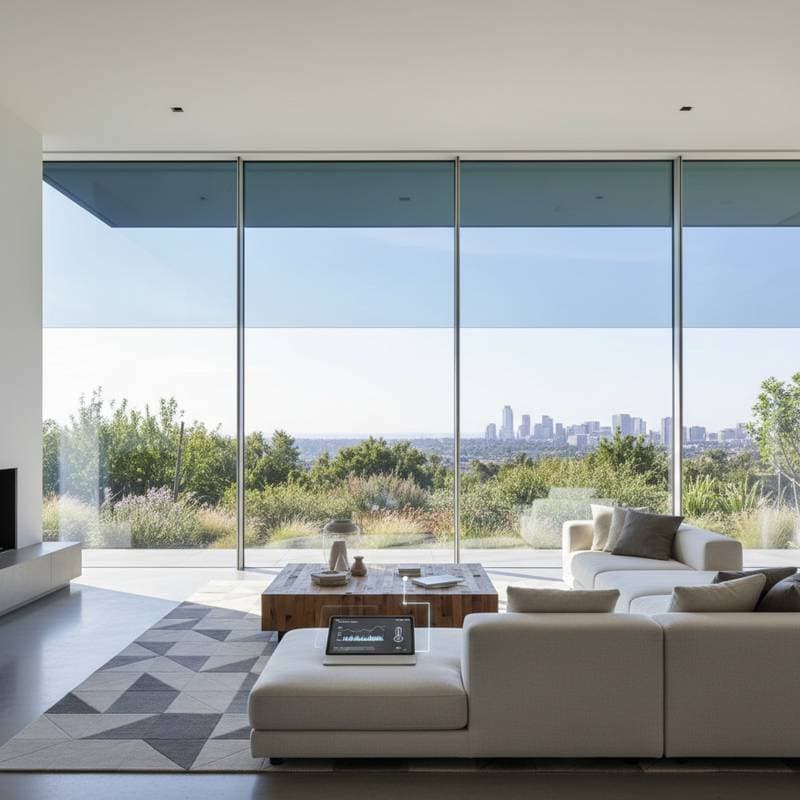
Electrochromic Windows: A $8,000 Smart Home Upgrade by 2026
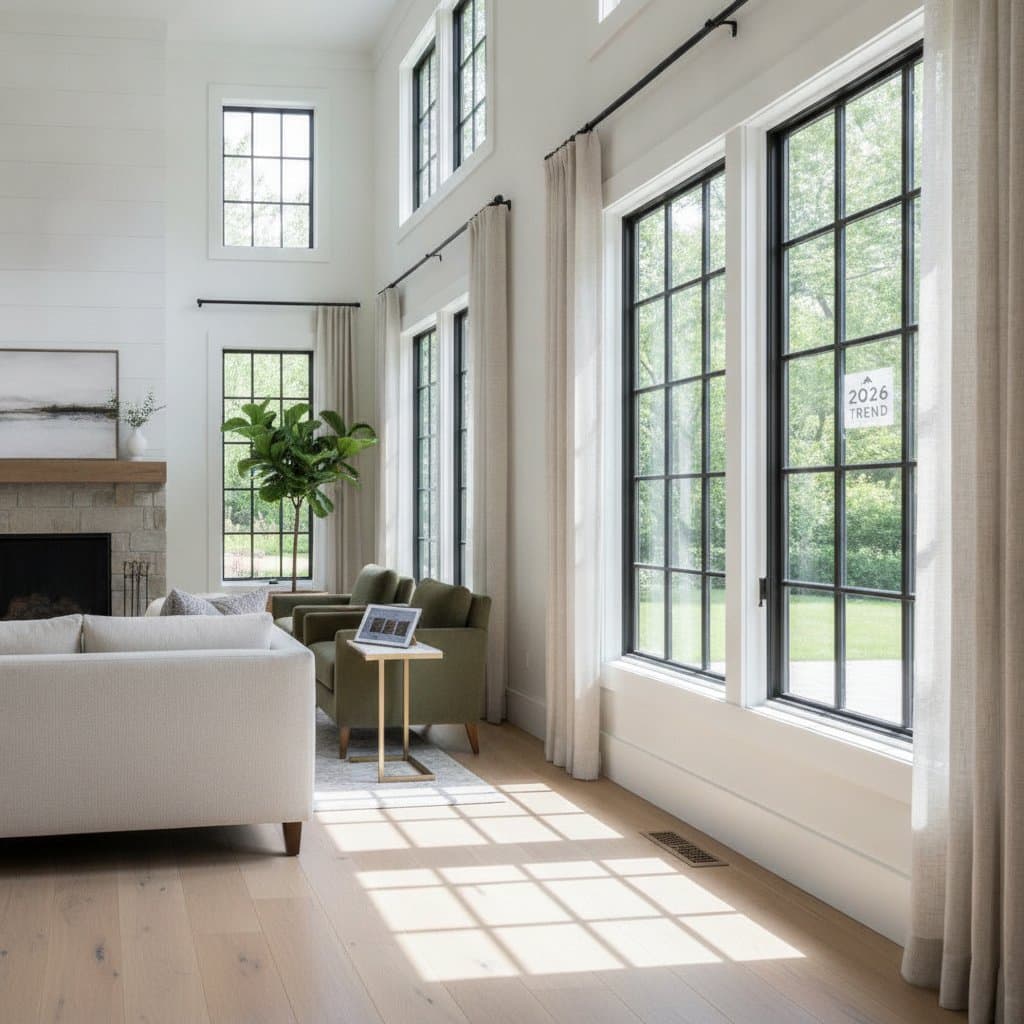
Smart technology transitions from optional features to essential elements in contemporary residences. Electrochromic windows, commonly known as smart glass, represent a key advancement. These windows feature a specialized coating that alters tint levels upon application of an electrical current. This creates a responsive system that manages sunlight, temperature, and personal settings to deliver comfort and energy conservation. Homeowners assessing this option benefit from insights into the technology's mechanics, pricing evolution, and impacts on daily life.
How Electrochromic Window Technology Functions
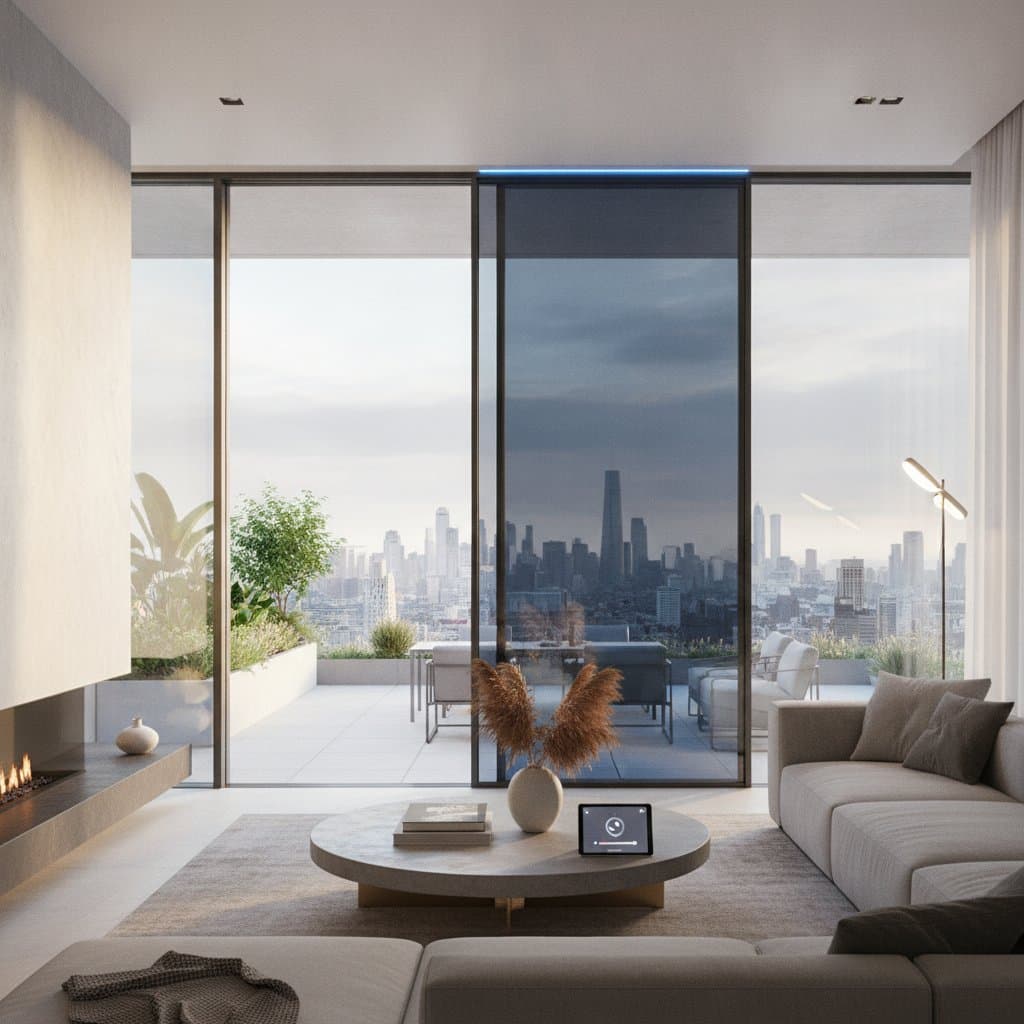
Electrochromic glass incorporates several thin material layers positioned between transparent conductors. Application of voltage prompts ion movement across these layers, shifting the glass from clear to tinted states. The change reverses upon removal of the current, enabling flexible control over light and heat without relying on mechanical shades.
These windows adjust automatically to environmental light levels. They minimize daytime glare, stabilize indoor temperatures, and permit natural illumination as required. Such versatility suits residential and commercial applications, particularly in areas with intense sunlight or expansive glass installations.
Evaluating Costs and Overall Value
Electrochromic windows currently exceed the price of conventional glass, with rates near several hundred dollars per square foot, including installation. A standard home retrofit might total approximately eight thousand dollars. Market expansion and increased manufacturer participation should lower these figures over time.
Prospective buyers must balance the upfront expense against enduring advantages. These encompass reduced heating and cooling expenses, less damage to sun-exposed interiors, and effortless comfort management. The technology elevates home efficiency and marketability, especially where energy standards influence property values.
| Option | Initial Cost | Lifespan | Maintenance | Best For |
|---|---|---|---|---|
| Standard Glass | Low | Long | Minimal | Basic setups with manual shades |
| Low-E Glass | Moderate | Long | Minimal | Energy-focused improvements |
| Electrochromic Glass | High | Long | Occasional cleaning, recalibration | Automated homes prioritizing control |
Advantages Extending Past Energy Savings
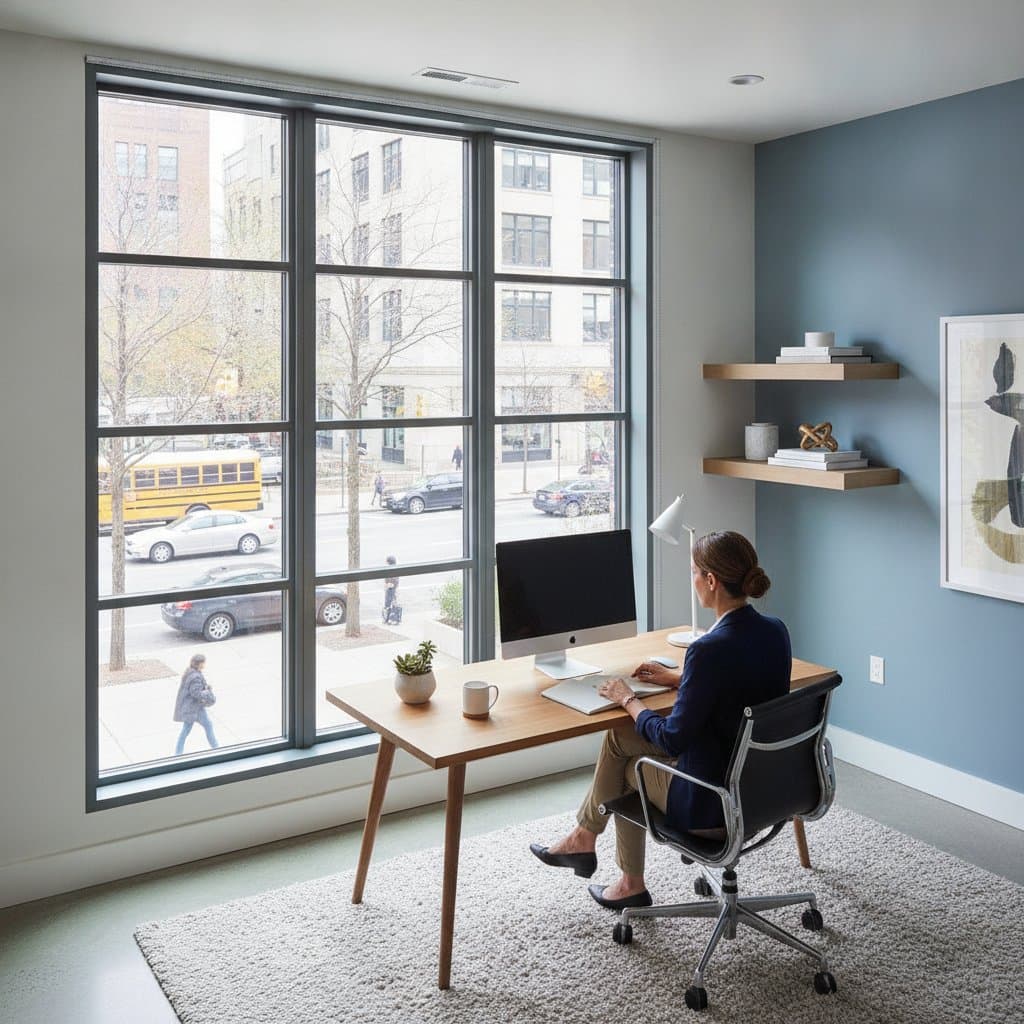
While energy reduction stands out, practical daily enhancements often prove more compelling. Electrochromic windows provide superior visual harmony compared to fixed shades. They remove the need for dust-accumulating blinds that obstruct sightlines. Spaces remain luminous yet glare-free, with privacy options activated via simple controls.
Temperature uniformity represents a further benefit. Automated solar heat regulation eases demands on climate systems. This fosters a consistent atmosphere that promotes well-being and trims utility costs.
Seamless connectivity enhances usability. Integration with home automation allows operation through voice directives or timed routines. This positions the windows within a unified framework for overseeing illumination, climate, and seclusion.
Addressing Drawbacks and Constraints
Emerging technologies carry inherent compromises. Elevated initial costs restrict adoption among certain budgets. Although affordability improves, decisions require alignment with broader renovation objectives.
Tint transition durations, spanning minutes, warrant attention. Users desiring immediate adjustments might find this gradual process less ideal, though many value the subtle shift.
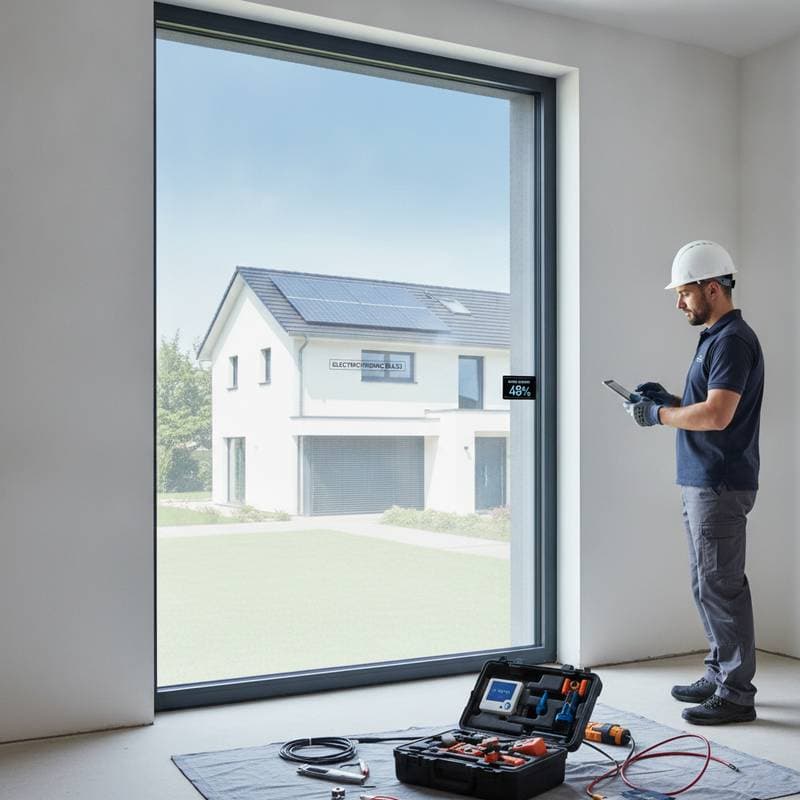
Implementation demands precise coordination due to electrical requirements. Retrofitting demands more effort than new builds, potentially increasing labor and necessitating collaboration among glaziers and electricians.
Installation Process Overview
- Assessment and Design: Evaluate window positions, sun exposure, and control preferences. Engage experts versed in glazing and automation integration.
- Site Preparation: Secure power sources early. Install wiring or hidden channels linking windows to controllers.
- Core Installation: Secure frames, apply seals, and wire components. Test each panel for reliable tinting.
- Performance Verification: Confirm transition speeds and even coloration. Validate compatibility with current smart setups.
- Finalization and Support: Provide operational instructions, care guidelines, and maintenance timelines. Schedule periodic adjustments as needed.
Selecting the Optimal Solution
Deciding on electrochromic windows involves key considerations. Window scale and direction significantly affect suitability. South- or west-oriented panes gain the most from adaptive tinting, whereas north-facing ones may offer limited returns.
Financial planning guides choices. Energy upgrades like insulation or HVAC enhancements could yield quicker recoveries. For aesthetics and usability, smart glass emerges as a standout element boosting routine and resale potential.
Regional weather influences outcomes. Intense sun or variable climates accelerate cost recovery through savings. Temperate zones emphasize design and ease over measurable efficiencies.
Ensuring Longevity and Maintenance
These windows endure for decades when installed correctly and sourced from quality providers. Robust glass withstands use, but electronics demand safeguards against humidity and thermal stress. Routine checks preserve seal integrity and system reliability.
Upkeep remains straightforward relative to mechanical alternatives. Employ glass-appropriate cleaners, avoiding mechanical wear. Extended warranties from producers cover materials and electronics, providing ownership confidence.
Future adaptations may involve software updates or links to advancing platforms. Anticipating compatibility sustains relevance amid evolving smart home norms.
Advancing Toward Informed Implementation
Electrochromic windows propel residences toward enhanced efficiency, connectivity, and ease. The roughly eight-thousand-dollar outlay for average installations yields returns in utility reductions and lifestyle improvements.
Homeowners align this choice with personal aims. For balanced lighting and intuitive management, the technology offers distinct superiorities. Collaboration with skilled installers, coupled with clear expectations, secures a upgrade that elevates daily comfort and enduring worth.