Urban Homes Achieve Remarkable Quiet with Acoustic Windows
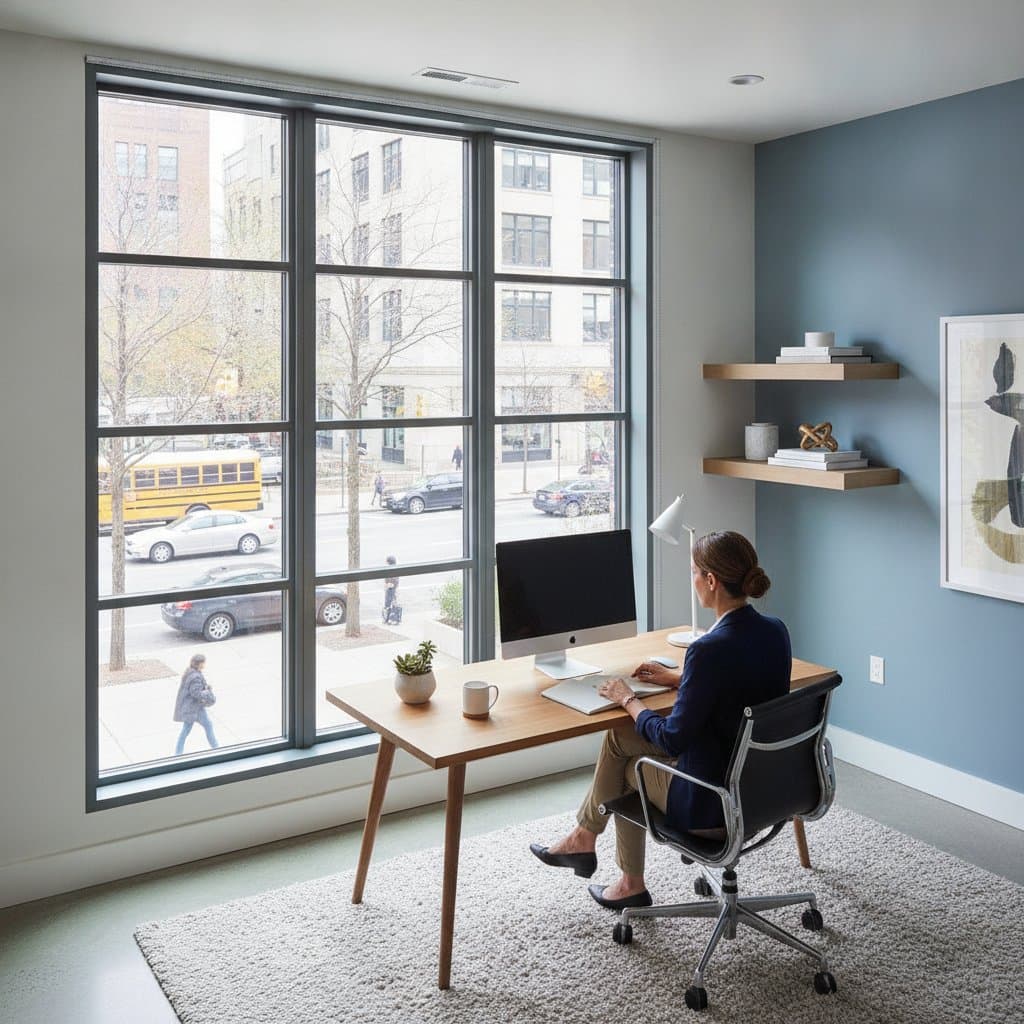
City living often involves relentless noise from traffic, construction, and daily activities. Such sounds penetrate homes and hinder sleep, focus, and relaxation. Acoustic windows address this issue effectively, reducing external noise by up to 95 percent through specialized design and installation. Homeowners gain a tranquil space that promotes well-being and productivity.
The Mechanics of Acoustic Windows
Acoustic windows function by blocking sound transmission from outside to inside. They incorporate multiple layers of glass with differing thicknesses, along with interlayers that absorb vibrations. Airtight seals around frames prevent sound leaks, while insulated cavities further dampen waves. This combination targets a broad range of frequencies, from low rumbles of vehicles to high-pitched sirens.
Engineers design these windows to disrupt sound propagation. Laminated glass, featuring a flexible plastic core, excels at minimizing resonance. When paired with argon-filled spaces between panes, the system creates barriers that scatter acoustic energy. Proper installation ensures these elements work in unison for optimal performance.
Acoustic Windows Versus Standard Options
Standard double-glazed windows provide basic protection but fall short in noisy environments. Acoustic versions enhance this with targeted features like uneven pane thicknesses and advanced sealants. These upgrades make a substantial difference in sound isolation without altering the window's visual appeal.
| Option | Initial Cost | Lifespan | Maintenance | Best For |
|---|---|---|---|---|
| Standard Double Glazing | Moderate | Long | Occasional cleaning and seal checks | Suburban settings with moderate noise |
| Acoustic Laminated Glass | Higher | Long | Cleaning plus regular seal inspections | Urban areas near roads or railways |
| Triple Acoustic Glazing | Highest | Long | Professional installation and checks | High-traffic zones or commercial vicinities |
Initial expenses for acoustic models exceed those of standard ones, yet the enduring benefits in quiet and insulation often offset the difference. Many users report lower energy bills due to improved thermal performance.
Measuring Sound Reduction Effectiveness
Professionals evaluate noise control with the Sound Transmission Class (STC) rating. Standard windows typically score 25 to 30, allowing noticeable intrusion. Acoustic windows achieve 45 or higher, rendering external sounds faint and unobtrusive. For instance, roaring traffic diminishes to a barely audible murmur.
Installation precision influences outcomes significantly. Gaps in frames or seals undermine even premium glass. Experts recommend acoustic caulks and custom-fitted frames, particularly for irregular openings in older structures. Testing post-installation confirms the system's integrity.
Key Materials in Acoustic Window Construction
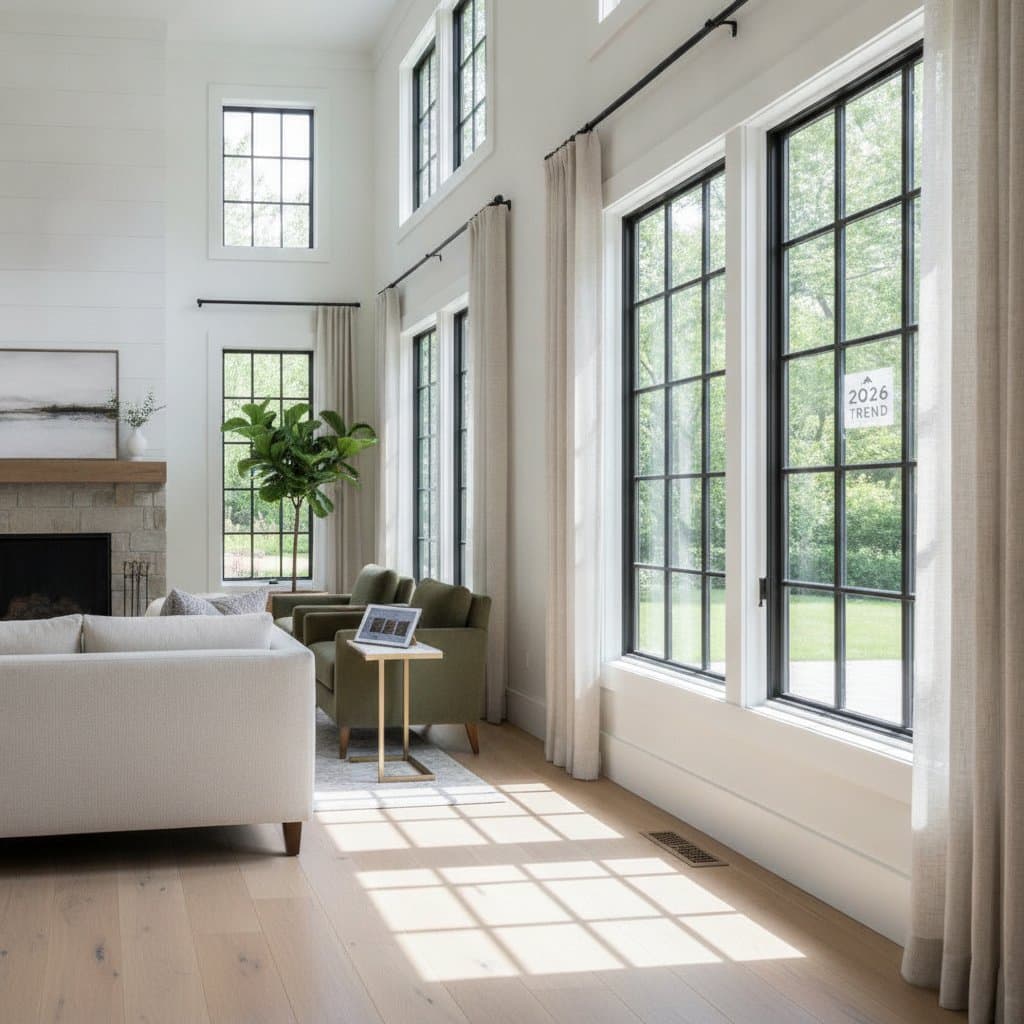
Builders layer materials strategically to counter various noise types. Laminated glass with acoustic interlayers absorbs vibrations effectively. Varying glass thicknesses break up sound wave patterns, reducing transmission.
Insulated cavities filled with gases like argon add another layer of defense. High-quality seals, often made from silicone or rubber, eliminate edge leaks. Frames from durable uPVC, aluminum, or composite wood provide stability and insulation.
- Laminated glass: Dampens vibrations through its interlayer.
- Varied thicknesses: Disrupts resonance across frequencies.
- Gas-filled spaces: Enhances barrier properties.
- Robust seals: Blocks peripheral sound entry.
- Insulated frames: Supports overall structural integrity.
Low-frequency noises, such as engine rumbles, demand thicker configurations. High-frequency elements, like voices or alarms, respond well to lamination and sealing.
Weighing Costs Against Everyday Advantages
Homeowners compare acoustic windows to alternatives like wall treatments or sound machines. Windows target the primary entry point for external noise directly. The upfront investment yields lasting quiet without major renovations.
Benefits extend to enhanced focus for work-from-home setups and better rest for families. Shift workers value the consistent hush. In real estate, these upgrades appeal to buyers seeking modern comforts, potentially raising property values.
Steps for Selecting and Installing Acoustic Windows
Start with a noise audit to identify sources and intensities. Specialists then suggest glazing types based on findings. This tailored approach ensures efficiency.
- Assessment phase: Pinpoint noisy exposures in key rooms like bedrooms.
- Preparation: Measure openings, inspect structures, and comply with codes.
- Installation: Fit frames and units with precise sealing.
- Verification: Check seals and conduct sound tests.
- Finalization: Clean surfaces, provide care guidelines, and activate warranties.
Targeted replacements, such as in noise-facing rooms, offer cost-effective gains. Professionals handle complexities for reliable results.
Ongoing Maintenance for Peak Performance
Care for acoustic windows mirrors that of conventional types. Clean glass with soft cloths and mild solutions to avoid scratches. Inspect seals annually for wear.
Address condensation promptly, as it indicates seal breaches requiring expert repair. Laminated interlayers maintain efficacy over decades. uPVC and aluminum frames endure weather without frequent upkeep, while wood needs periodic sealing.
Additional Gains in Efficiency and Sustainability
Acoustic windows excel in thermal insulation alongside noise control. Multi-pane designs minimize heat loss, stabilizing indoor climates. This reduces heating and cooling demands, lowering utility costs.
Eco-friendly options incorporate recycled glass and low-VOC coatings. Integrated with shading systems, they promote energy conservation. Homeowners achieve comfort with a reduced environmental impact.
Tailoring Choices to Your Needs
Decisions hinge on noise profiles, architecture, and finances. Highway-adjacent homes benefit from triple glazing, while milder settings suffice with double laminated units.
Styles range from casement to sliding, blending form and function. Custom options preserve historic aesthetics in regulated areas. Consult experts to align selections with specific goals.
Partnering with Skilled Installers
Select contractors with glazing expertise and verifiable successes. Request quotes detailing processes and protections. References from similar projects build confidence.
Realizing Lasting Tranquility
Acoustic windows transform urban challenges into serene advantages. They deliver quiet, efficiency, and value that enrich daily life. Invest thoughtfully to enjoy these enhancements for years.