2026 AI Tint Windows: Enhancing Home Privacy
Smart technology has evolved from optional features to essential components in contemporary homes. Among the standout innovations for 2026, AI tint windows stand out as a sophisticated solution. These windows go beyond basic switchable tinting; they form an intelligent network that observes daily routines, responds to environmental shifts, and optimizes privacy and comfort with minimal user input.
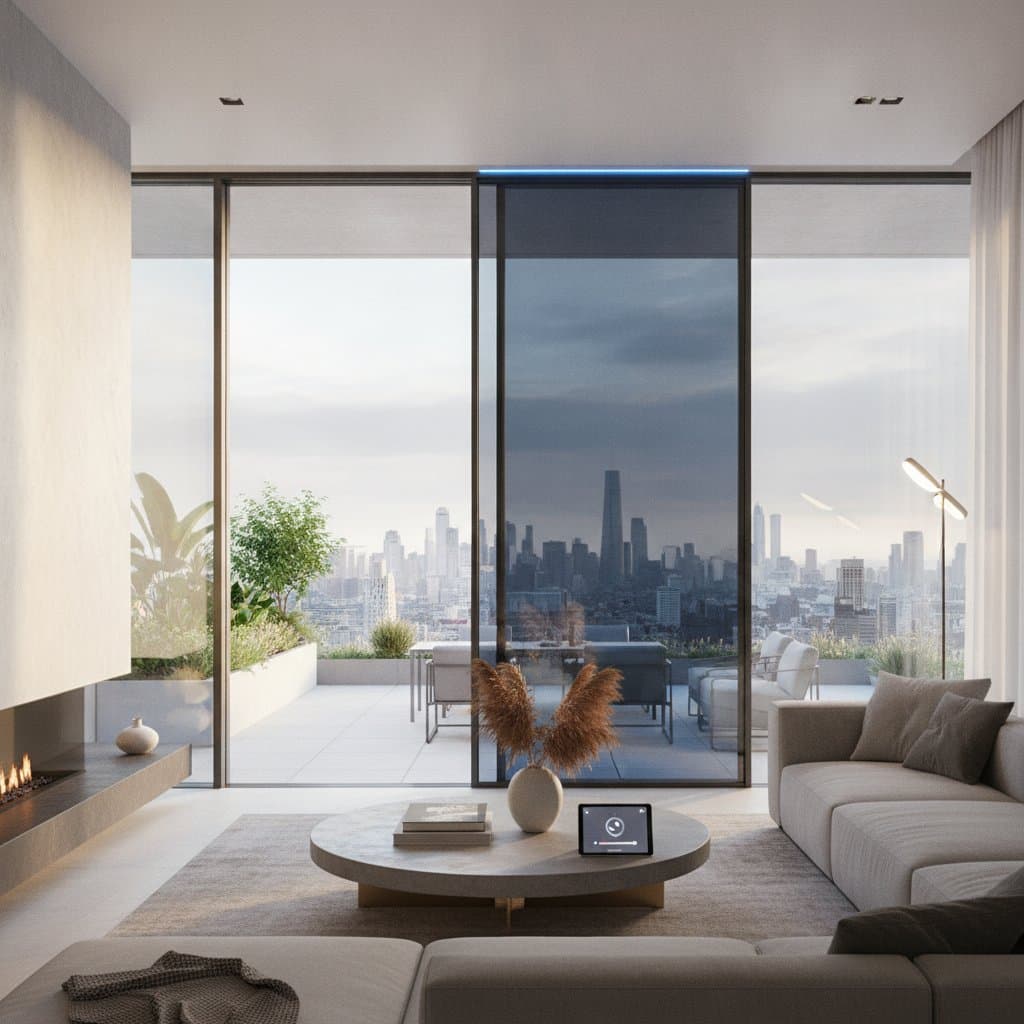
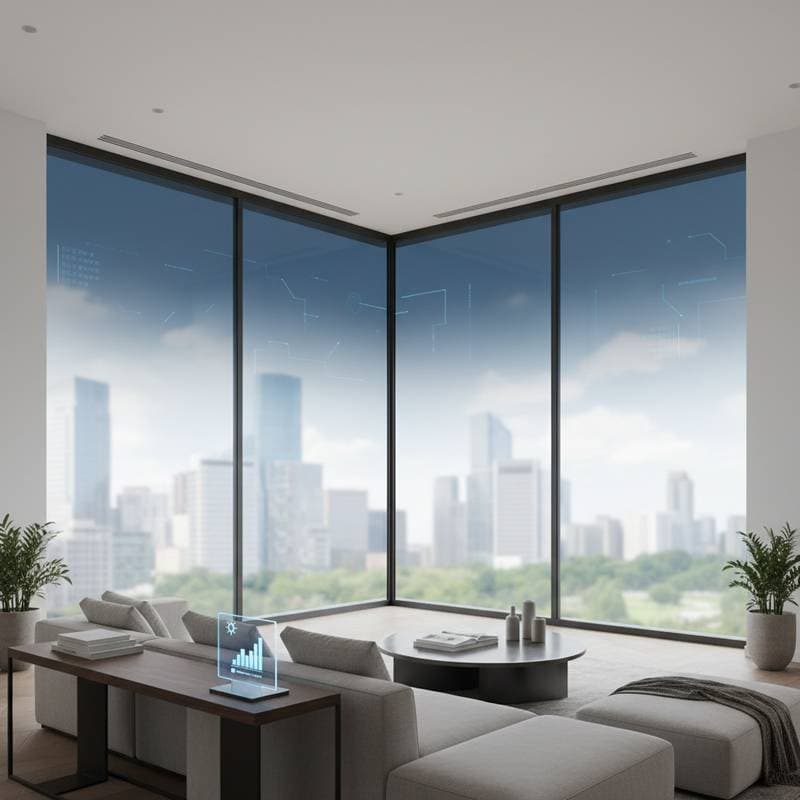
Known technically as electrochromic smart glass, AI tint windows merge cutting-edge materials with machine learning algorithms. This combination enables precise control over light transmission, glare mitigation, and thermal regulation. For residents prioritizing both functionality and style, these windows provide a seamless way to harmonize natural illumination with personal privacy needs.
Key Advantages of AI Tinting Technology
Conventional windows force choices between full visibility and obstructive coverings like blinds. AI tint windows eliminate this trade-off by integrating privacy, thermal management, and visual appeal into one efficient system.
Privacy Management
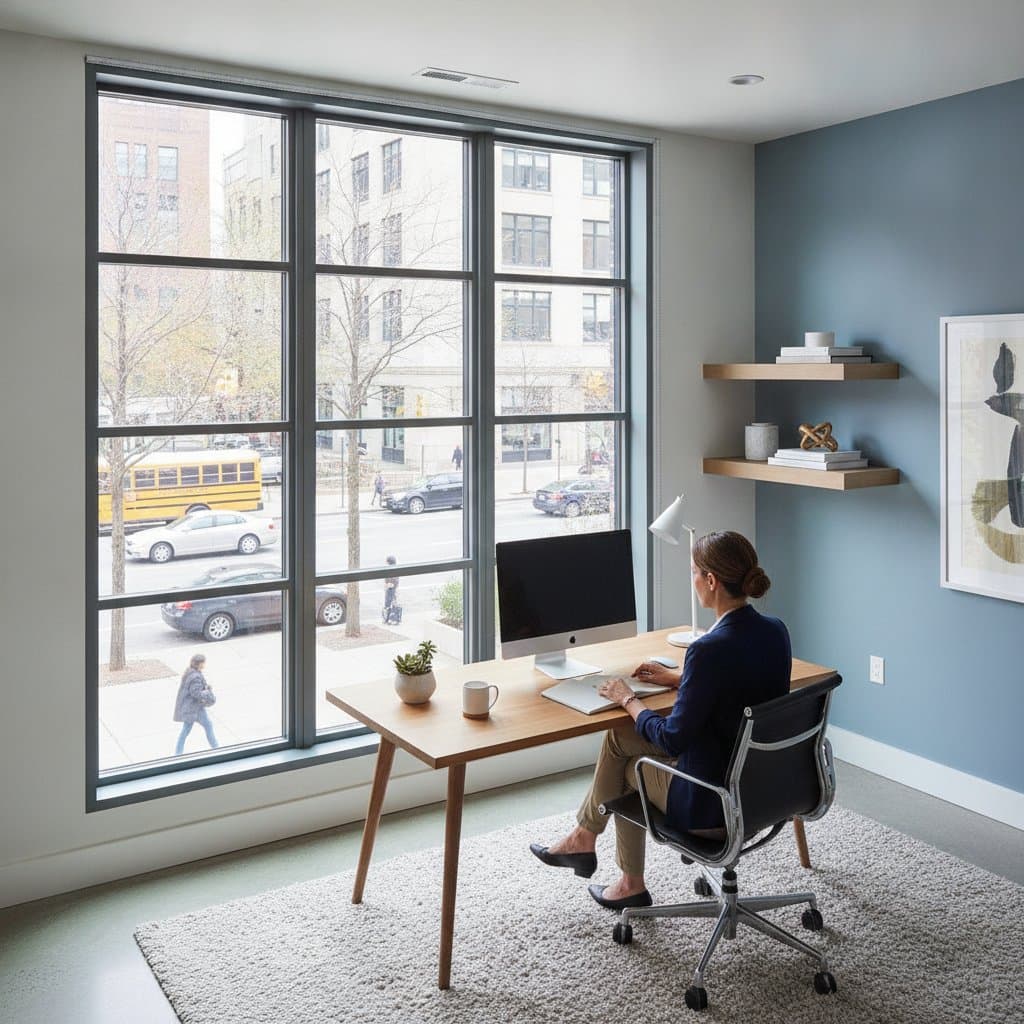
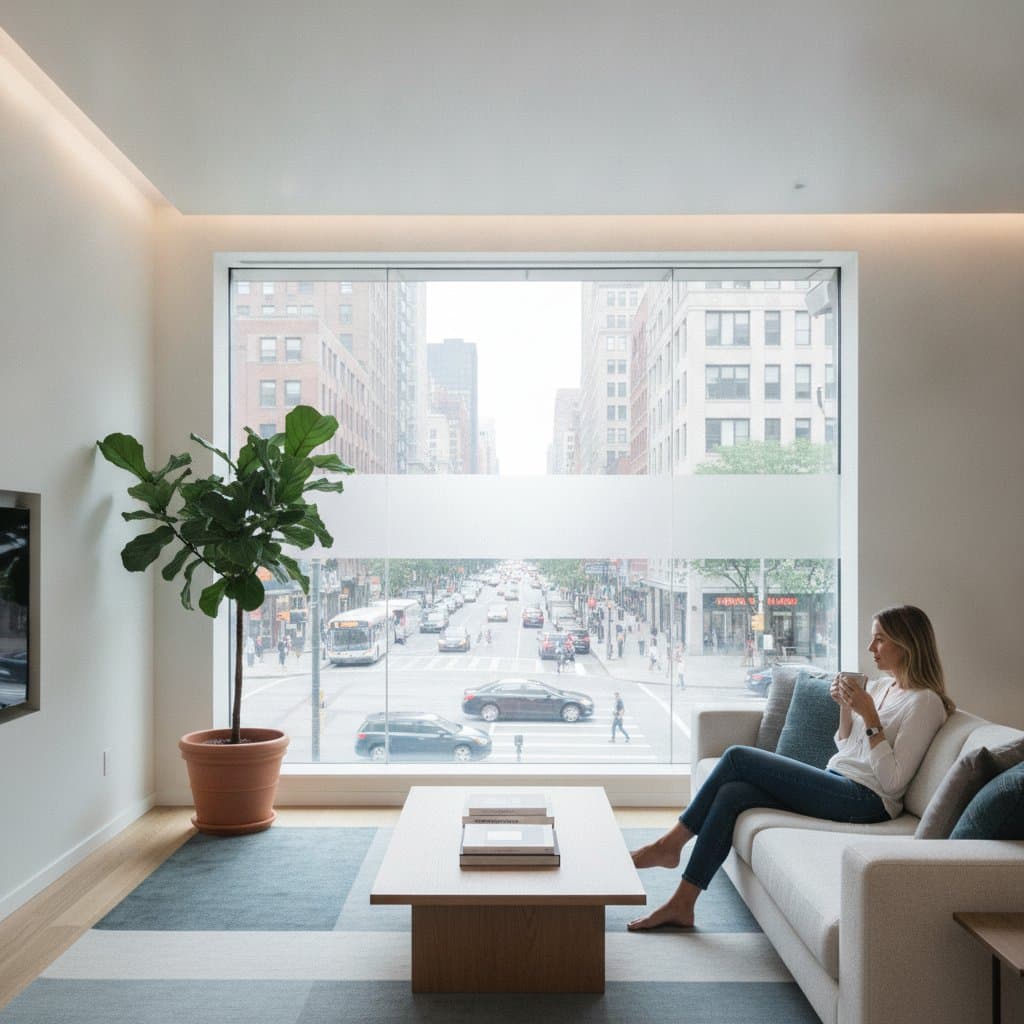
Manual adjustments for privacy often prove inconvenient and inconsistent. AI tint windows activate automatically upon detecting external motion or diminishing daylight, shifting from clear to opaque in seconds to shield interiors from view.
Energy Optimization
These windows modulate solar heat gain and insulation dynamically. During peak sunlight, they block excess warmth to ease cooling loads; in cooler weather, they retain indoor heat, potentially lowering HVAC usage by up to 20 percent in variable climates.
Glare Control for Better Comfort
Excessive brightness disrupts focus during work or leisure. The tint adjusts incrementally to diffuse harsh light while allowing soft, diffused daylight, fostering a more pleasant atmosphere without artificial lighting.
Design Versatility
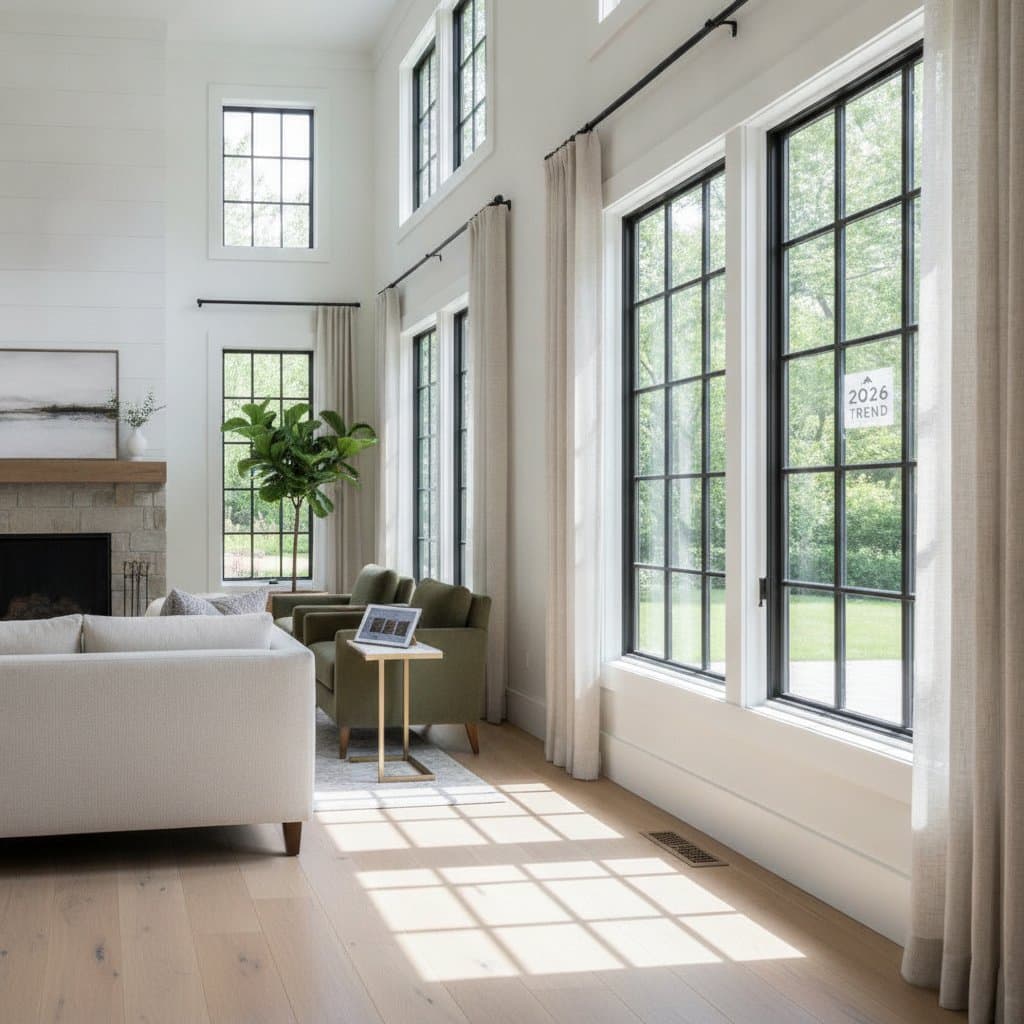
Free from external shades, rooms gain a minimalist aesthetic with unobstructed views. Interior designers value how these windows serve as dynamic elements, enhancing spatial flow and natural light distribution.
Seamless Smart Home Connectivity
Integration with platforms like Alexa or Google Home enables voice-activated controls and synchronization with thermostats or security systems. The AI learns from interactions to anticipate needs, such as tinting before sunset.
Step-by-Step Installation Guide
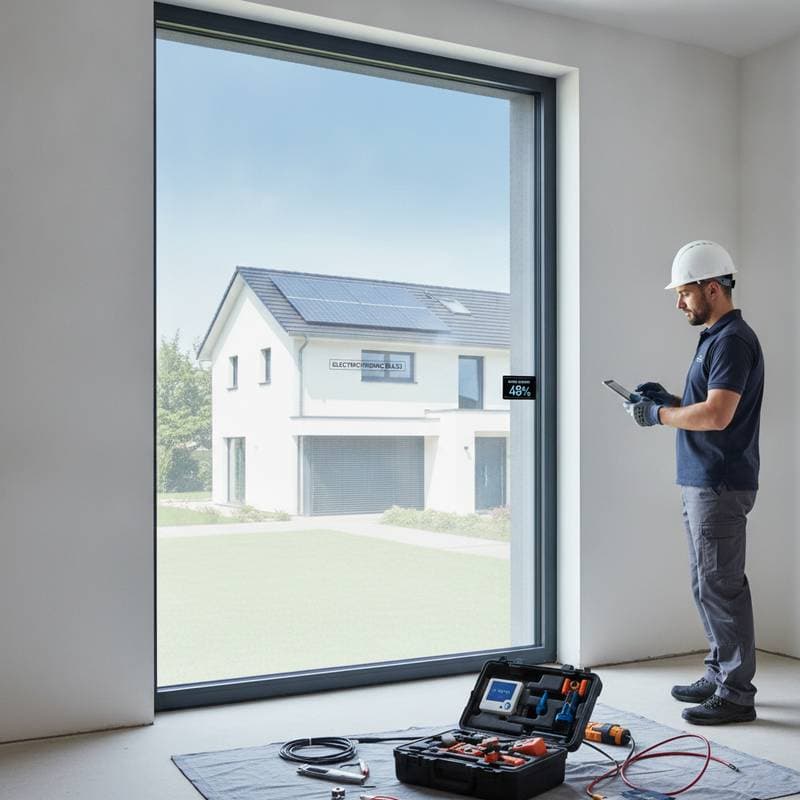
Retrofitting homes with AI tint windows requires careful coordination of hardware and software. While more involved than standard replacements, professional installation ensures reliability and performance.
Initial Assessment
Professionals begin by measuring window sizes, analyzing sun exposure patterns, and checking electrical infrastructure. They confirm compatibility with your current smart ecosystem, recommending a central hub if needed for multi-panel coordination.
Site Preparation
Technicians remove old panes without compromising frames, then install low-voltage wiring discreetly along sills. Power compatibility tests prevent issues, ensuring the system operates at 24 volts for safety and efficiency.
Core Assembly
Custom-fitted glass panels slot into frames, sealed against weather elements. Connections to the AI controller follow, with on-site tests verifying smooth transitions from transparent to tinted states across all units.
System Calibration
Using a dedicated app interface, installers program baseline responses to light sensors and user inputs. They replicate scenarios like morning sun or evening dusk to fine-tune reaction times, typically under 30 seconds for full opacity.
Finalization and Learning Period
Post-installation, the AI enters a training mode, logging habits over two to four weeks. Owners learn app features for overrides and receive tips on optimizing data collection, with follow-up visits available for adjustments.
Evaluating Costs and Long-Term Returns
Upfront expenses for AI tint windows exceed those of traditional options, often ranging from $50 to $150 per square foot depending on panel size and features. However, long-term gains shift the equation favorably.
Energy reductions translate to annual savings of $200 to $500 on utilities, accelerating payback in three to seven years. Maintenance drops as well, with no need for cleaning or repairing mechanical shades.
Intangible benefits include elevated daily comfort and property value. In renovations, these windows appeal to eco-conscious buyers, potentially increasing resale appeal by 5 to 10 percent in tech-forward markets.
Emerging Innovations in Smart Glass
Current AI tint windows set a high standard, but ongoing research promises even greater capabilities. Predictive models could soon incorporate weather forecasts to preemptively adjust tints, syncing with smart grids for peak energy avoidance.
Developments in self-sustaining materials, such as photovoltaic layers, aim to power operations independently. Enhanced formulations may enable multi-hue shifts or sub-minute response times, broadening applications to commercial spaces.
Steps to Select and Install Your System
Selecting the right AI tint windows starts with researching certified providers. Prioritize those with proven track records in smart integrations and request portfolios of residential projects.
In consultations, address specifics like warranty coverage, typically five to ten years, and customization options for tint levels. Budget for professional installation to avoid voids in guarantees.
Test compatibility through demos, and plan for scalability if expanding to multiple rooms. With these preparations, your home gains a forward-thinking upgrade that adapts as intelligently as you do.