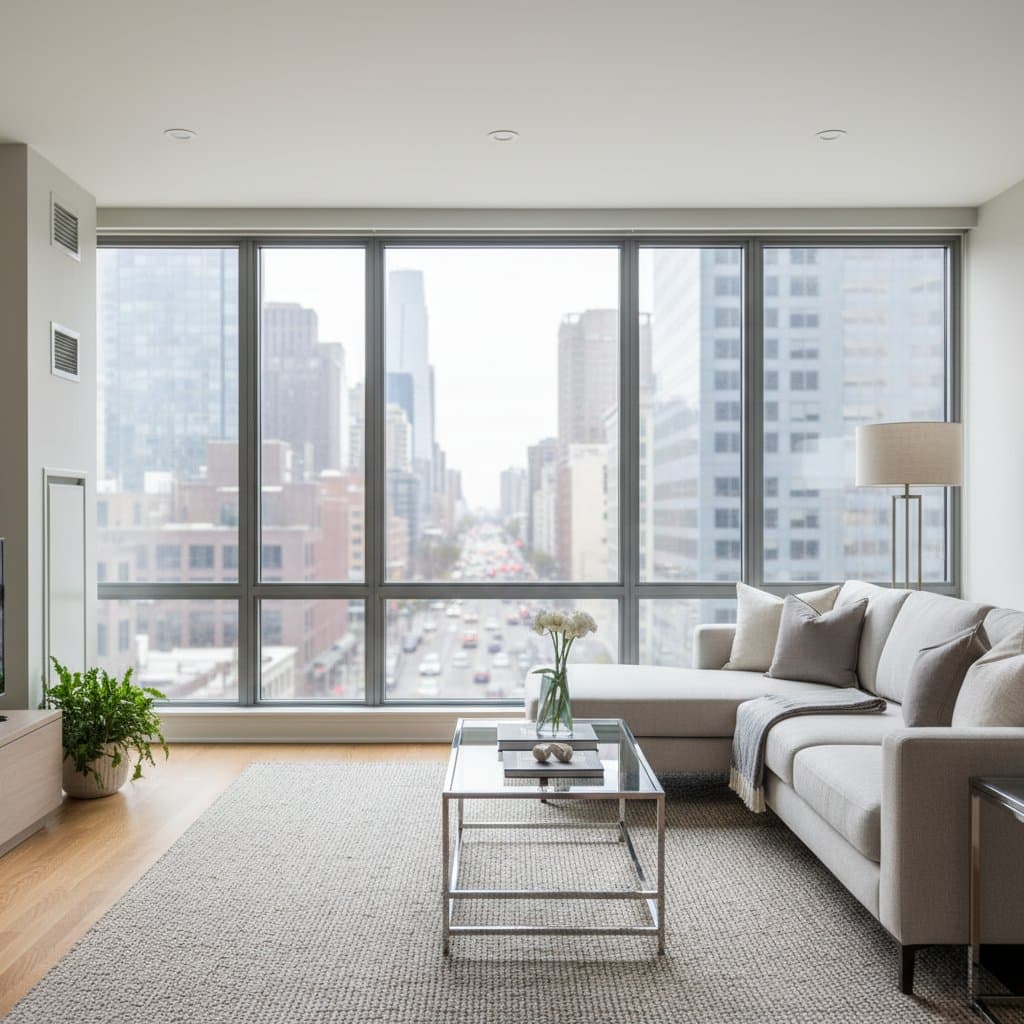
Achieving Acoustic Serenity: Reducing Urban Noise by 95% with Insulation Windows
City life provides vibrancy, accessibility, and social ties, yet it introduces persistent sounds from vehicles, building projects, and local activities. Homeowners frequently seek effective ways to minimize these disturbances, and acoustic insulation windows emerge as a reliable option. These windows not only suppress noise but also foster an environment that promotes well-being, thermal efficiency, and aesthetic harmony.
Current trends in building exteriors merge form and function, prioritizing both appearance and internal peace. Advanced acoustic windows align with this approach, allowing residents to incorporate sleek profiles, durable coatings, and restful interiors through a single enhancement.
Strategies for Implementation
Budget Strategy ($4,000 - $8,000)
- Select laminated glass featuring a standard air space between layers to achieve solid noise attenuation without excessive cost.
- Choose vinyl or fiberglass frames, which demand little upkeep and provide adequate thermal barriers.
- Prioritize updates in high-noise zones like sleeping quarters or rooms facing busy streets to maximize impact with limited expenditure.
Intermediate Strategy ($8,000 - $15,000)
- Install double- or triple-pane configurations with specialized acoustic layers that capture and scatter sound frequencies.
- Pair these with composite or thermally separated aluminum frames to minimize heat loss and sound conduction.
- Incorporate tailored gaskets and weatherproofing strips to eliminate drafts, yielding benefits in both acoustics and utility bills.
Premium Strategy ($15,000 - $30,000)
- Deploy multi-layered glazing with differing pane thicknesses and noble gas fillings to optimize noise suppression.
- Match with high-end aluminum or wood-covered frames that enhance architectural integrity.
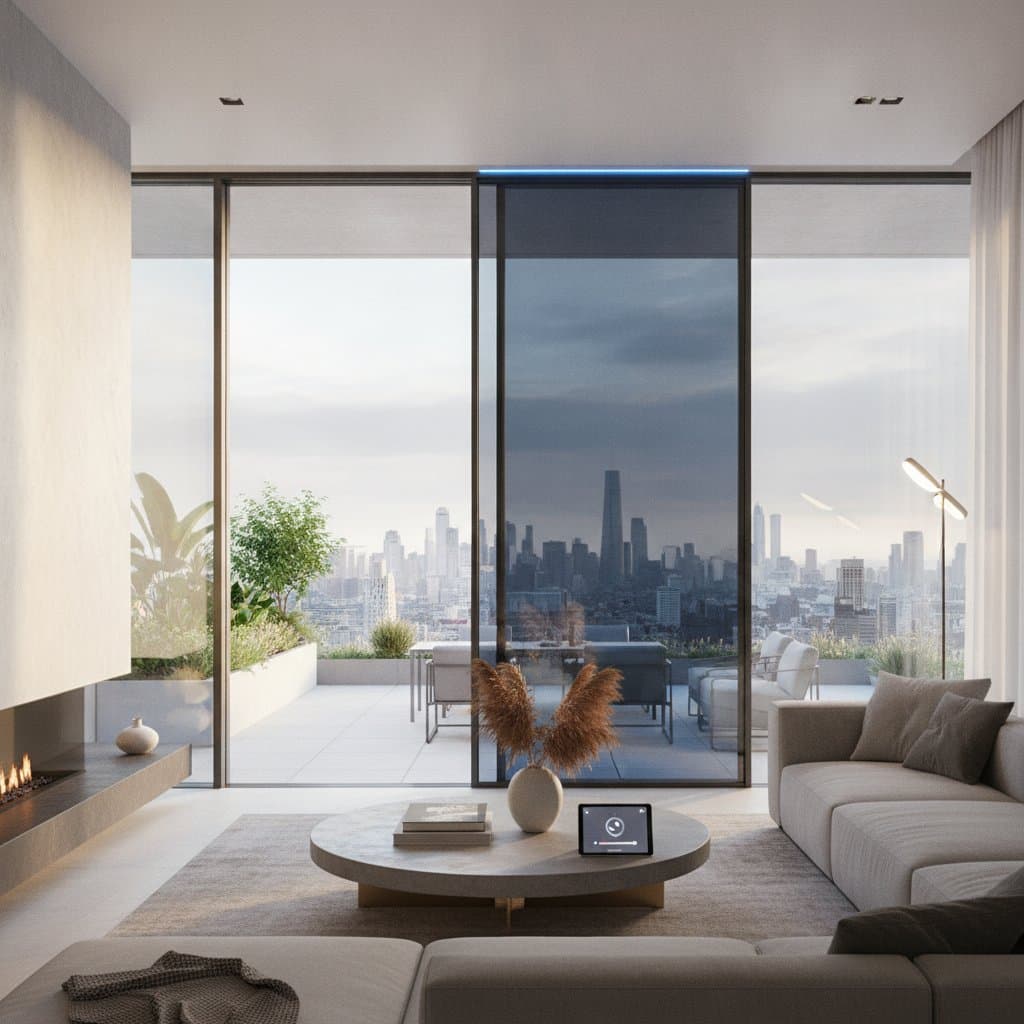
- Include built-in shading systems or electrochromic glass for precise management of illumination and seclusion, resulting in an upscale, tranquil space.
Selection Guide for Materials and Finishes
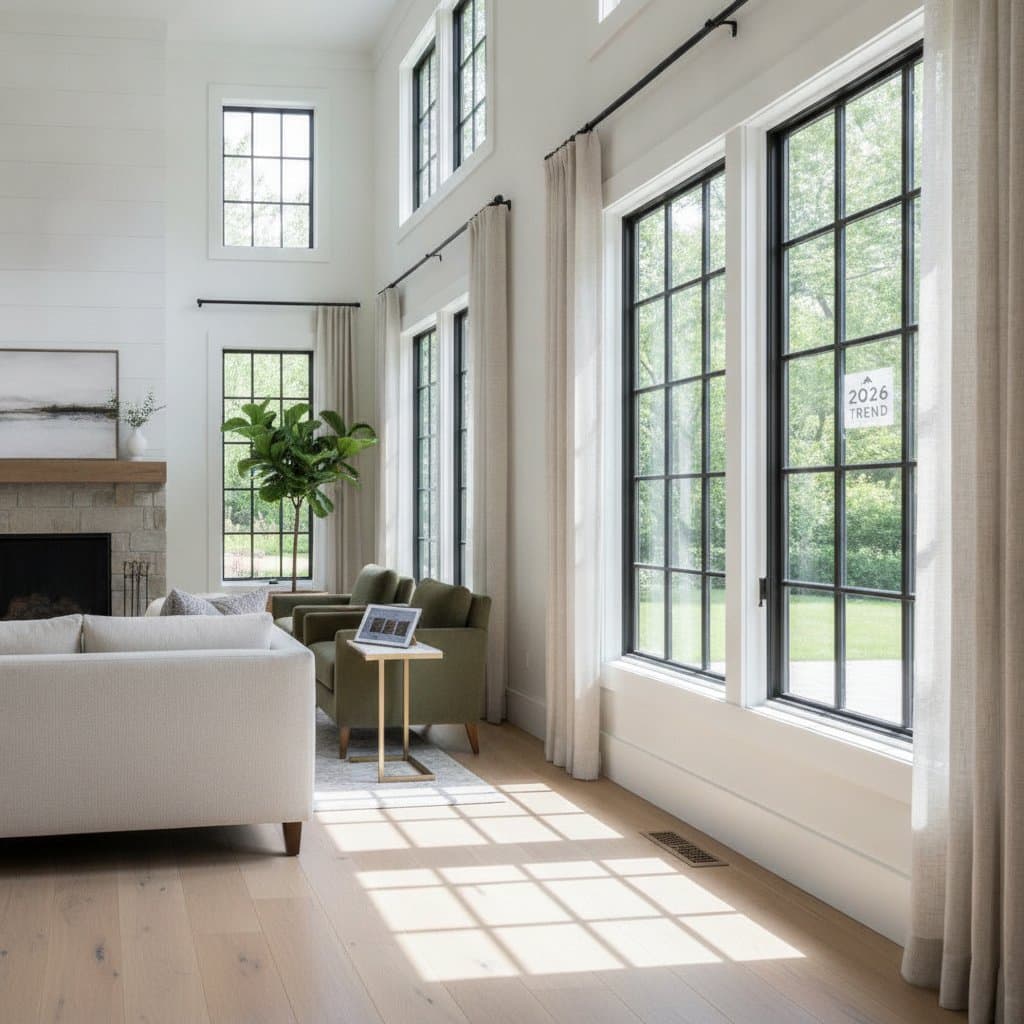
- Windows: Opt for double- or triple-glazed units with acoustic laminated glass achieving at least 40 decibels of attenuation. Frames in black, bronze, or subtle gray deliver a streamlined, versatile appearance suitable for contemporary or blended styles.
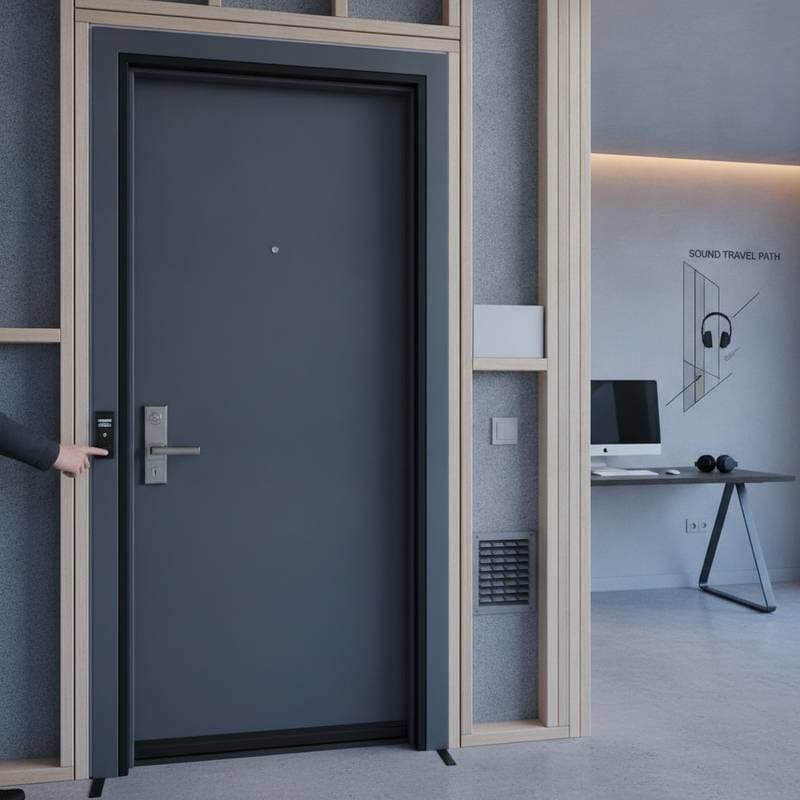
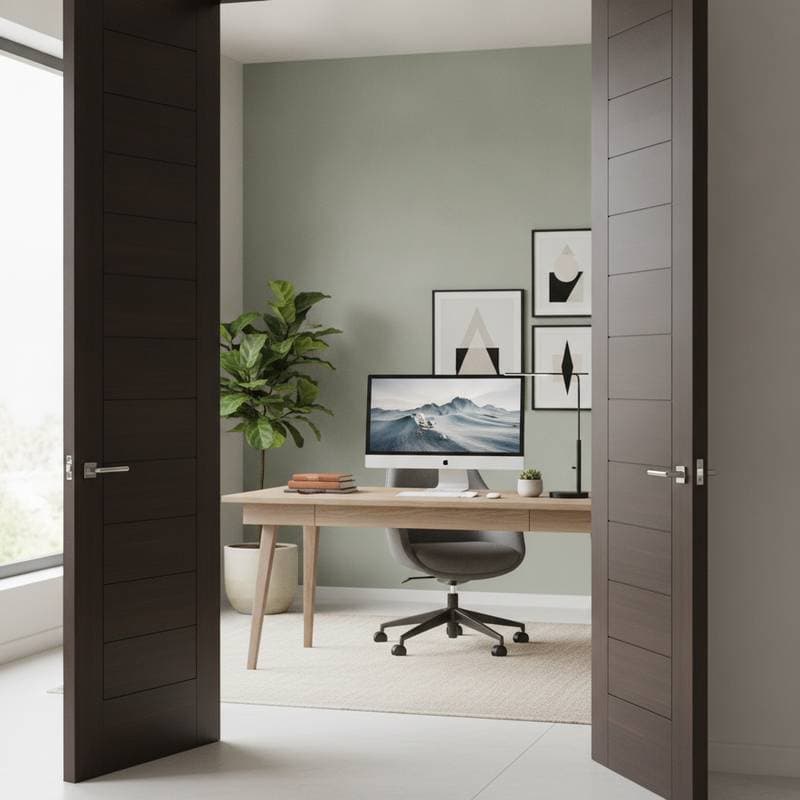
- Doors: Coordinate with solid-core or sound-dampening entrance doors. Fiberglass or wood-overlaid versions equipped with secure seals limit auditory penetration while preserving exterior charm.
- Siding: Employ fiber cement, synthetic wood, or insulated vinyl panels to strengthen the overall acoustic shield. Denser options better capture and redirect ambient sounds compared to lighter alternatives like basic vinyl or metal.
- Trim and Hardware: Utilize composite or PVC elements for durability with minimal care. Align hues with window surrounds for unified visuals. Satin nickel or matte black fittings complement diverse schemes effectively.
Essential Maintenance Practices
Acoustic windows demand routine attention to sustain their effectiveness, similar to other outdoor components. Wipe glass surfaces with mild, non-scratching solutions to avoid residue that impairs transparency. Inspect seals and fittings biannually for degradation, as breaches compromise both noise blocking and insulation.
Vinyl and fiberglass require simple periodic rinsing, whereas wood elements benefit from regular applications of protective coatings against environmental exposure. With diligent care, superior acoustic windows maintain functionality for many years.
Common Pitfalls to Sidestep
- Neglecting Frame Integrity: Emphasis on pane depth often overshadows frame selection; subpar frames allow vibrations to pass through. Ensure sound-absorbing glass pairs with sturdy, isolated framing.
- Undervaluing Installation Precision: Superior products underperform without expert fitting. Engage specialists trained in acoustic sealing protocols.
- Mismatching Components: Pairing refined aluminum windows with inexpensive siding disrupts visual flow. Maintain uniform tones for cohesive exteriors.
- Omitting Protective Measures: Unsealed edges permit noise and drafts to infiltrate. Mandate premium sealants and fittings in every project.
Harmonizing Colors and Styles
An acoustically serene interior benefits from subdued, earthy exterior schemes. The following pairings promote unity:
- Urban Gray: Charcoal frames, slate panels, and a warm-toned wooden entry for equilibrium.
- Coastal White: Bright white surrounds, light blue cladding, and polished silver accents.
- Forest Modern: Rich green siding, bronze windows, and stone details.
- Warm Contrast: Neutral stucco, black frames, and cedar-finished doors for depth.
- Industrial Neutral: Concrete-like siding, graphite windows, and matte black hardware.
Such selections underscore calm and enduring design, allowing acoustic improvements to elevate rather than alter the home's character.
Pre-Installation Documentation Steps
Record current exterior features thoroughly prior to committing to window or door changes. This process informs selections and streamlines execution.
- Photograph elevations during daylight from various perspectives, covering front, sides, and back.
- Document architectural motifs, roof contours, and trim specifics to preserve stylistic continuity.
- Evaluate local aesthetics and association guidelines that could dictate hues or profiles.
- Consider regional weather patterns, including moisture levels or thermal swings, which influence material choices.
- Establish financial focuses, targeting zones for primary noise mitigation and visual upgrades.
Integrating Enhancements for Lasting Benefit
Acoustic insulation windows provide reassurance and refined exteriors simultaneously. They shield against urban clamor while adapting to diverse structures. From economical swaps to bespoke assemblies, these upgrades blend elegance, efficiency, and hush, reshaping the sensory experience of home life.