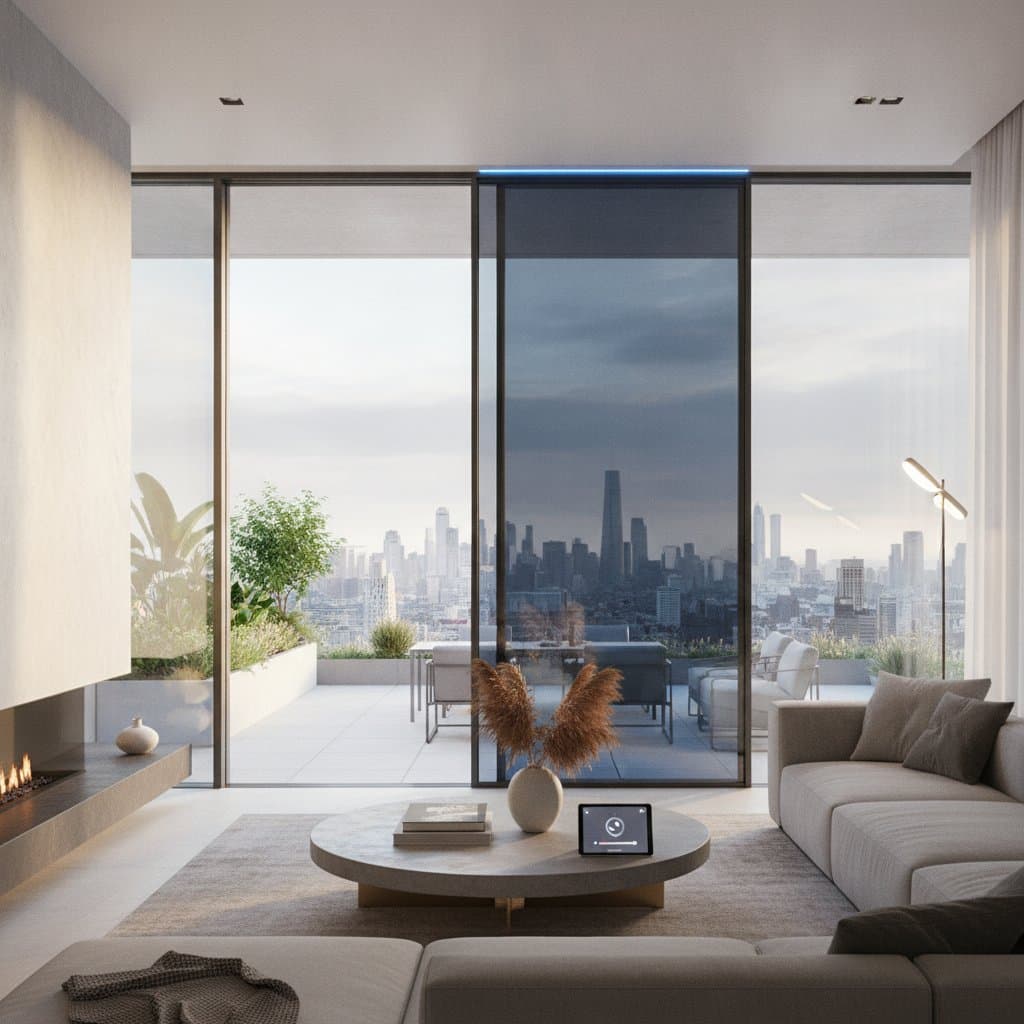

Urban Homes Achieve 85 Percent Noise Reduction with Acoustic Windows
City environments offer vitality, accessibility, and perpetual activity, yet they also deliver persistent noise. Vehicle traffic, building projects, and evening entertainment generate an unrelenting din that disrupts focus, relaxation, and rest. Numerous urban property owners now select acoustic windows to reclaim silence without forfeiting daylight or visual appeal. These engineered windows diminish external sounds by up to 85 percent, converting residences into more serene and inviting areas.
Principles Behind Acoustic Window Functionality
Acoustic windows employ laminated glass and noise-absorbing frames to obstruct and dissipate sound waves. Standard glass permits vibrations to travel freely, but laminated versions feature an interlayer that halts such transmission. Configurations often involve several glass layers divided by air or inert gas cavities, which further interrupt auditory pathways.
The objective remains substantial noise attenuation rather than total elimination. This adjustment proves transformative in dwellings adjacent to thoroughfares or vibrant neighborhoods. Residents frequently report a transition from intrusive clamor to a subdued, tolerable undertone.
Essential Design Components
Effectiveness in acoustic windows arises from integrated features that collaborate to suppress sound.
-
Laminated Glass Construction
The core interlayer, typically polyvinyl butyral or a comparable polymer, captures vibrations and averts harmonic amplification. This material also bolsters safety, as fractured laminated glass adheres to the interlayer rather than shattering. -
Inter-Pane Spacing with Air or Gas
The distance between glass sheets equals in importance to the panes themselves. Increased separation enhances both acoustic and thermal barriers, particularly against bass tones from engines or equipment. -
Varied Glass Thicknesses
Employing panes of unequal thickness scatters sound waves, inhibiting synchronized resonance. Such variation extends protection across a wider spectrum of frequencies. -
Sealed Frame Systems
Frames optimized for sound control incorporate robust gaskets and pliable components to eliminate airflow breaches. Minute openings undermine performance, underscoring the necessity of meticulous fitting.
Assessing Noise Control Alternatives
Various acoustic window variants provide distinct efficacy and expense levels. The following table outlines key distinctions.
| Option | Initial Cost | Lifespan | Maintenance | Best For |
|---|---|---|---|---|
| Standard Double Glazing | Medium | Long | Low | Areas with moderate noise |
| Acoustic Laminated Glass | Higher | Long | Low | Zones with intense traffic |
| Secondary Glazing Systems | Lower to Medium | Moderate | Moderate | Rental properties or heritage sites |
Choices involve compromises. Basic double glazing suffices for occasional disturbances but falters amid urban intensity. Laminated variants yield superior results at elevated initial outlay. Secondary systems, adding interior panels over existing ones, accommodate limitations on structural alterations.
Measuring Effectiveness in Residential Settings
Professionals quantify sound blocking via the Sound Transmission Class rating. Conventional single-pane units rate approximately 25, permitting broad sound penetration. Premium acoustic windows attain 45 or higher, suppressing traffic roar and external conversations.
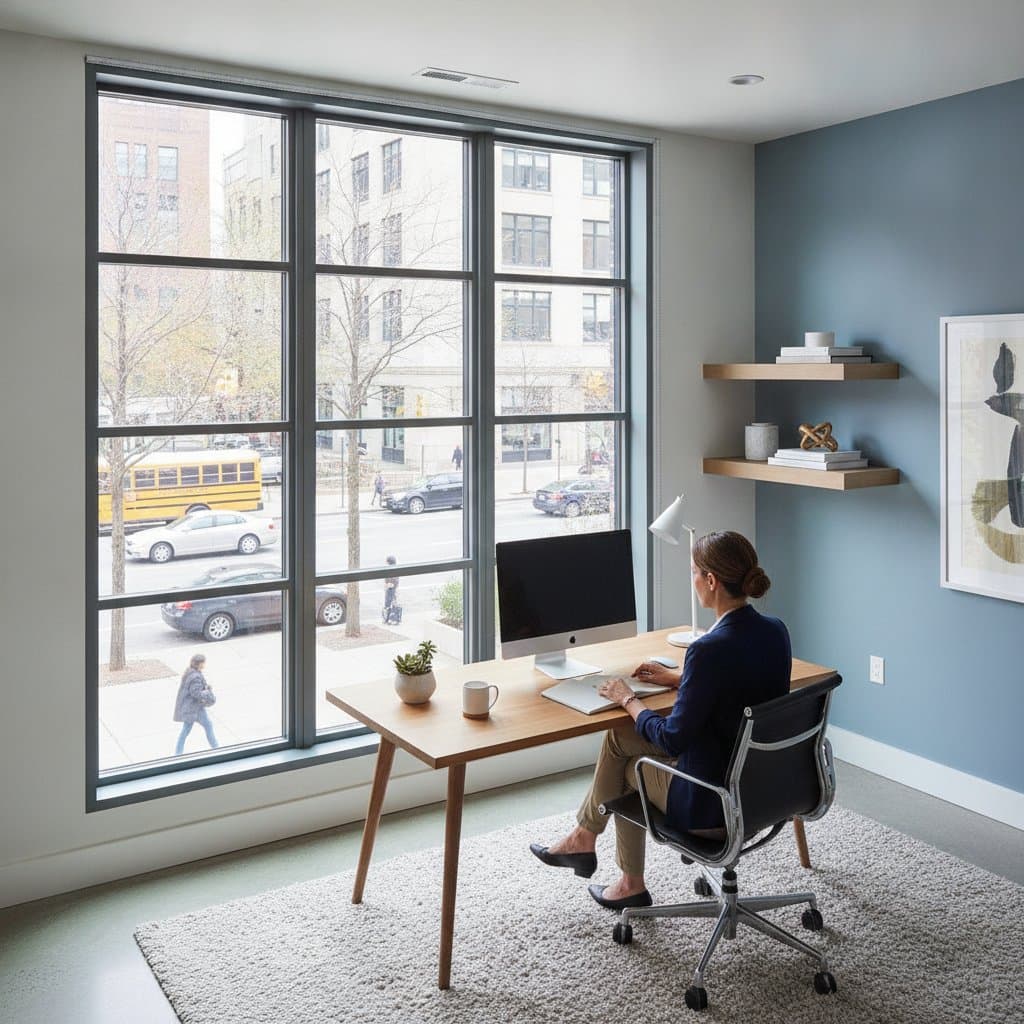
Benefits emerge prominently in street-facing bedrooms and common rooms. Installed properly, these windows soften the edge of vehicle horns and emergency signals, fostering a gentler ambiance. In high-rises, they also mitigate inter-building reverberations.
Step-by-Step Installation Procedures
Acoustic window fitting demands precision to maximize sealing and alignment.
-
Initial Assessment and Planning
Conduct a site-specific noise evaluation to identify priority areas and suitable models. Consider elevation, surrounding walls, and directional exposure for optimal outcomes. -
Site Preparation
Examine current frames and perimeter seals for defects. Address any voids or instability prior to unit placement. -
Core Installation Phase
Position assemblies with acoustic-grade adhesives and insulators. Ensure plumb alignment to avoid vibrational pathways. -
Verification Testing
Perform checks for drafts and acoustic leaks post-fitting. Confirm perimeter integrity for uniform efficacy. -
Finalization and Ongoing Monitoring
Verify smooth operation and seal durability. Employ gentle cleaners on surfaces, steering clear of abrasives that might impair lamination.
Weighing Expenses Against Long-Term Gains
Acoustic windows command a premium over conventional types, yet advantages span multiple domains. Enhanced insulation curbs thermal loss, moderating seasonal energy demands. The shatter-resistant lamination heightens security and blocks UV exposure that degrades interiors over time.
Budget evaluations should factor in holistic returns like enhanced well-being and operational savings. For enduring occupancy, the resilience and upkeep simplicity of these systems render the expenditure prudent.
Tailoring to Daily Routines and Spaces
Noise management strategies vary by household dynamics. Parents of infants target sleeping quarters for utmost quiet, whereas professionals designate office zones for undivided attention. Multi-unit dwellings benefit from bidirectional control, containing internal sounds alongside external ones.
Permanent installations suit owned properties, while portable secondary panels aid tenants. In preserved architecture, non-invasive inserts preserve facades while upgrading insulation. Selections must align with construction details, local sound profiles, and occupant schedules.
Sustaining Performance Over Time
These windows demand little routine care, though vigilance preserves peak function. Periodically review seals to forestall minor breaches. Direct cleaning efforts to glass and frame margins, where residue might hinder fit.
Should moisture form within cavities, summon experts for seal restoration. The interlayer endures without degradation under standard conditions, promising multi-decade reliability as a durable enhancement.
Sustainability and Efficiency Aspects
Acoustic windows advance eco-conscious living through superior insulation. Layered builds minimize conduction, stabilizing indoor climates and easing HVAC loads for cost reductions.
Progressive makers incorporate recycled components and non-toxic finishes. Opting for such models fosters acoustic harmony alongside ecological stewardship.
Project Preparation Essentials
Prior to commencement, review municipal regulations on modifications. Engage certified professionals, as fitting accuracy dictates results. Solicit multiple bids and verify credentials for equitable and competent execution.
Realizing Tranquil Urban Living
Acoustic windows offer a reliable method to restore calm amid metropolitan bustle. Advanced lamination and engineered seals synergize to support restorative, productive, and leisurely home life. Informed selections attuned to personal circumstances ensure lasting serenity and efficiency.