Introduction to Self-Dimming Windows
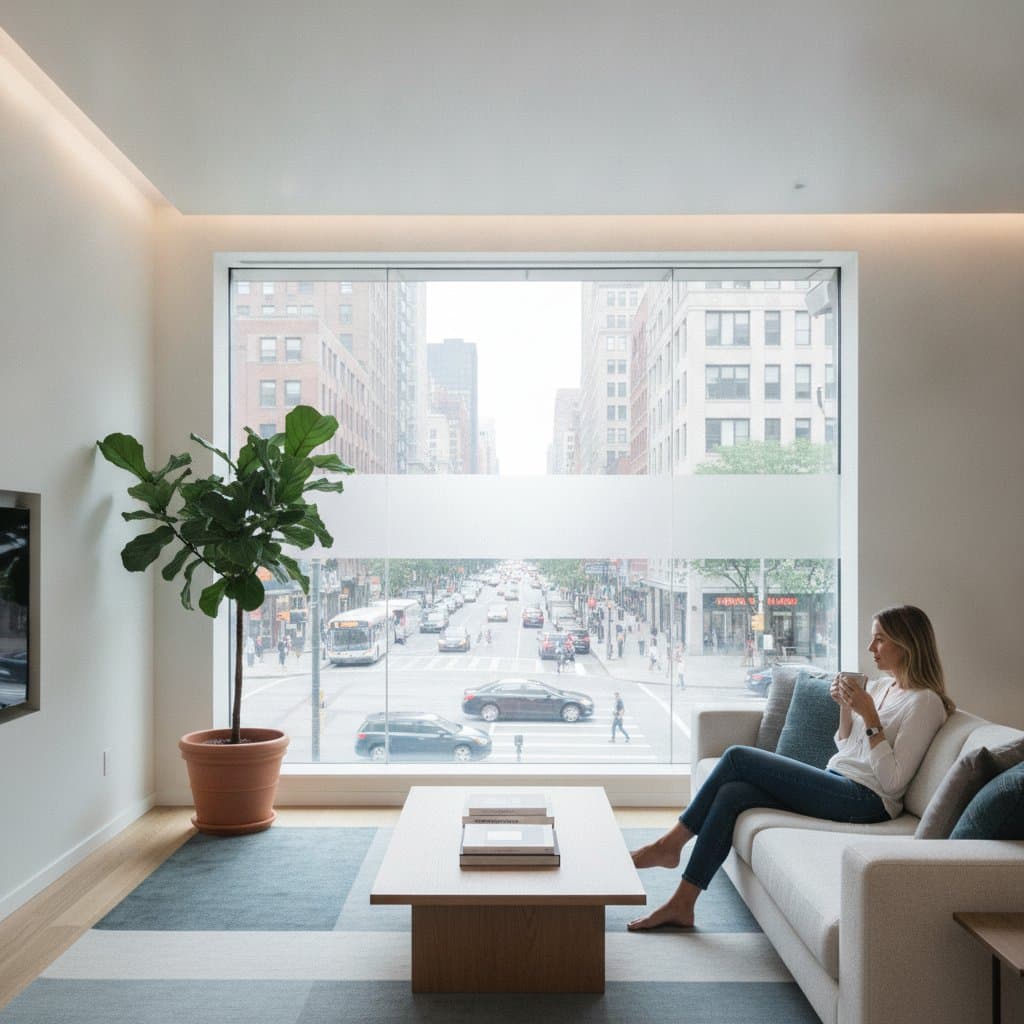
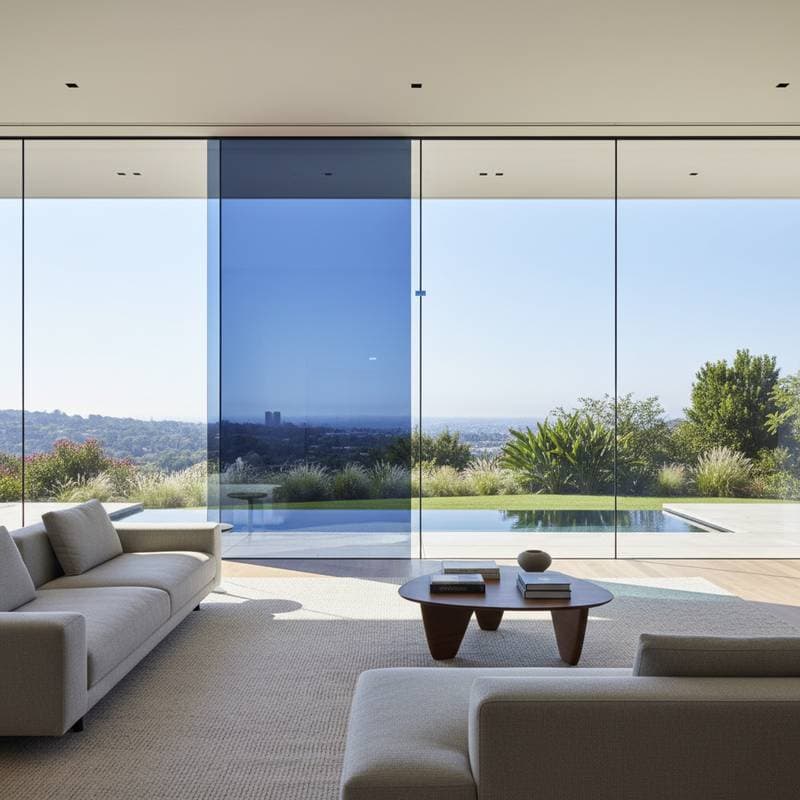
Self-dimming windows mark a significant advancement in residential design, employing electrochromic glass that transitions from clear to tinted states in response to light levels or user preferences. This technology eliminates the clutter and inconvenience of traditional blinds, offering a streamlined alternative that enhances both aesthetics and functionality. As these systems become more accessible by 2026, they promise to transform how homeowners manage natural light and indoor climates.
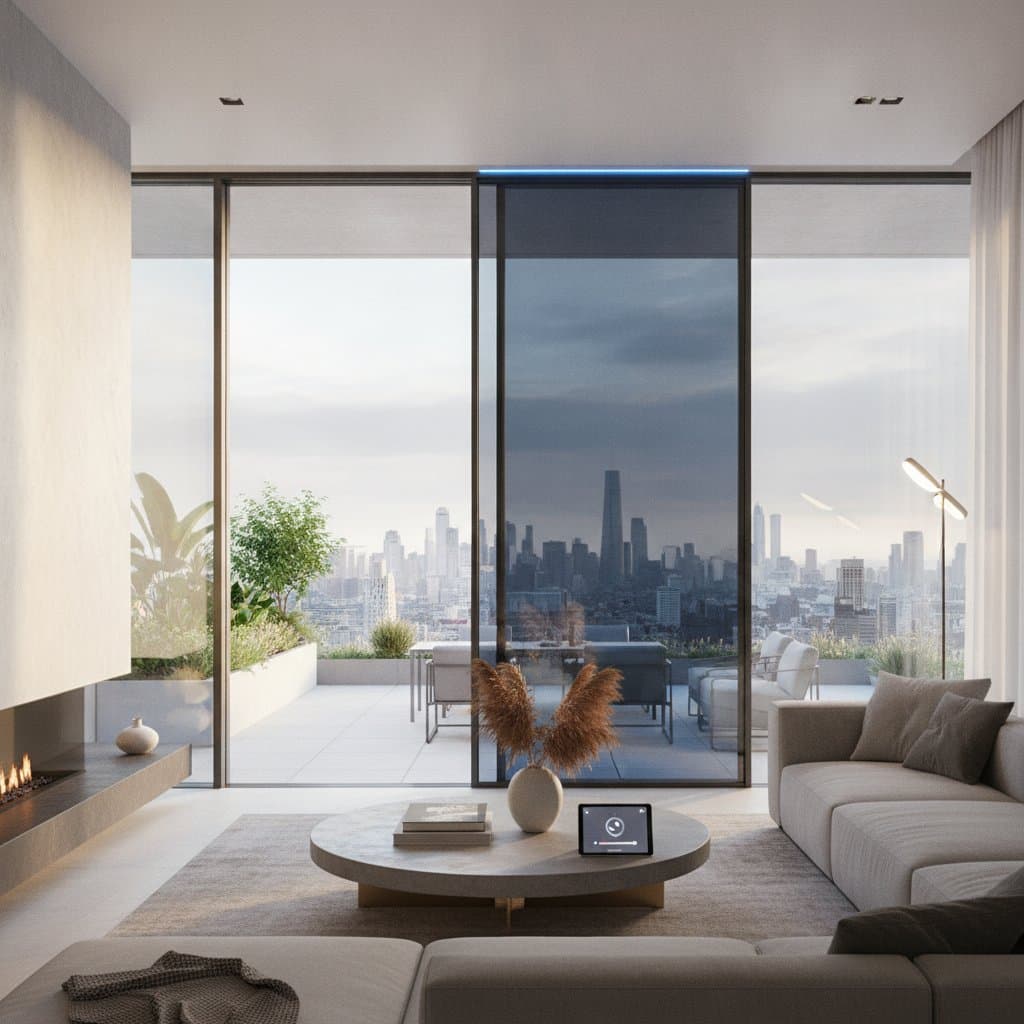
The core mechanism involves a low-voltage electrical current applied to the glass, which alters its opacity almost instantly. Users can program adjustments via apps or sensors that detect sunlight intensity, ensuring rooms remain bright yet glare-free throughout the day. Beyond convenience, these windows contribute to energy savings by reducing reliance on air conditioning during peak heat hours.
Key Benefits for Modern Homes
One primary advantage lies in improved energy efficiency. Tinted glass blocks up to 99 percent of infrared radiation, keeping interiors cooler without heavy shading devices. This feature lowers utility bills and supports eco-friendly living, aligning with broader sustainability goals.
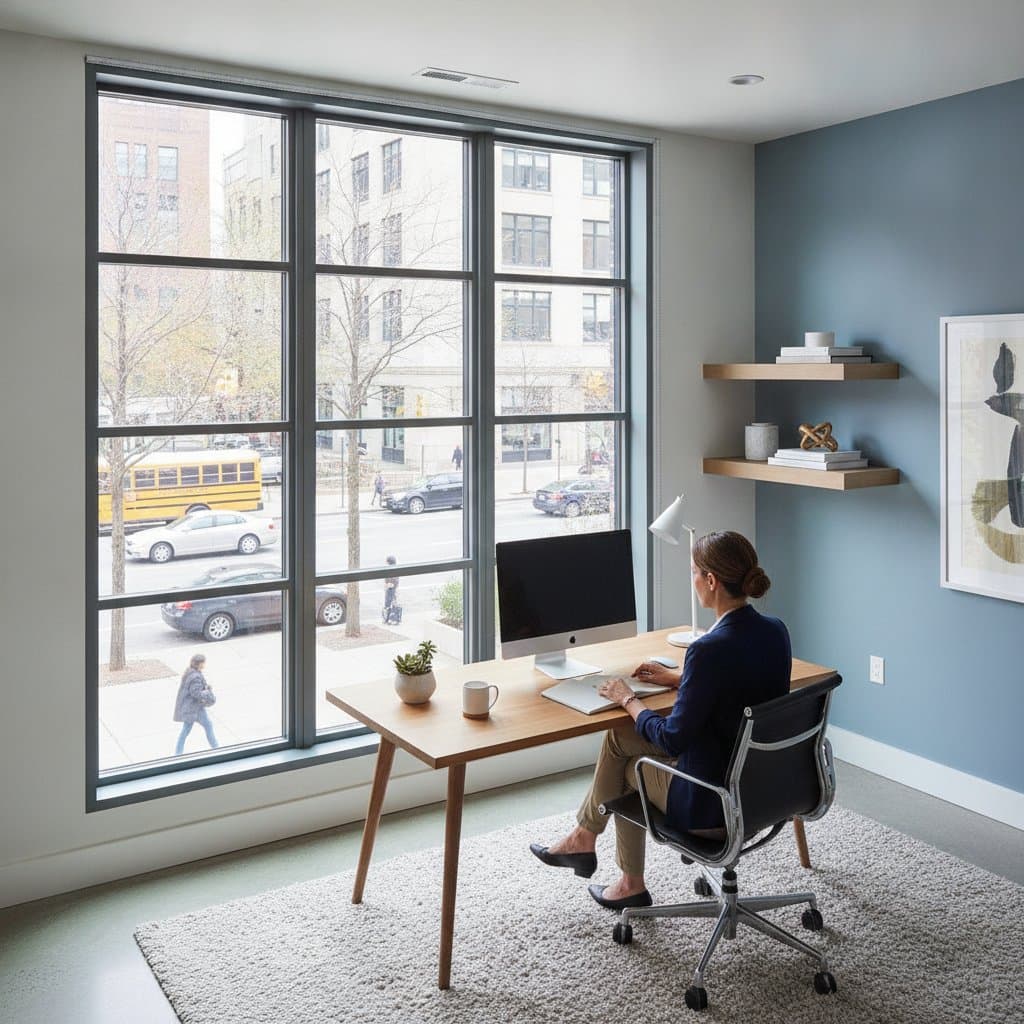
Comfort receives an equal boost, as self-dimming windows prevent harsh glare on screens and workspaces while maintaining views to the outdoors. Unlike static blinds, they adapt dynamically, creating balanced illumination that supports productivity and relaxation. Interior protection follows suit, with UV filtering that safeguards furniture, artwork, and flooring from fading over time.
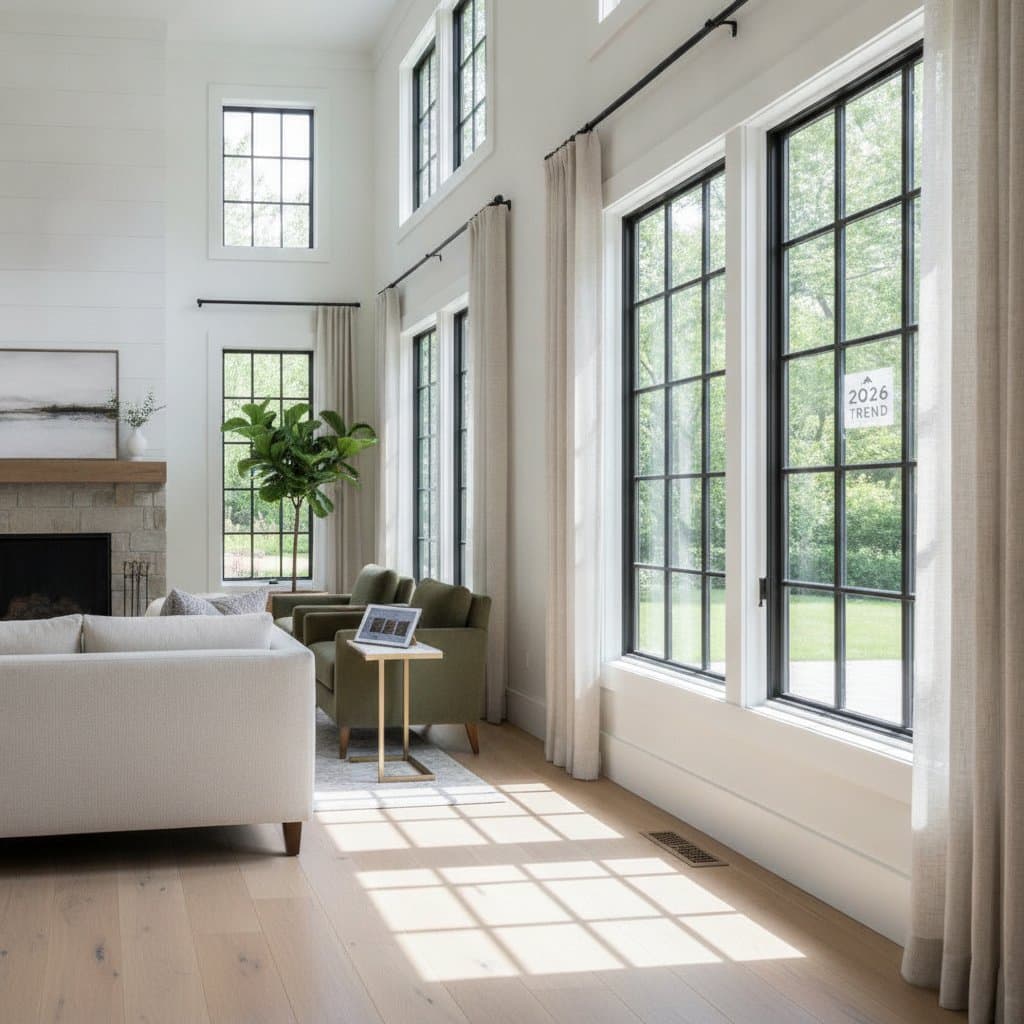
Design integration stands out as another strength. Available in various frame styles and glass thicknesses, these windows complement minimalist, mid-century, or contemporary architectures. Their slim profiles avoid the visual bulk of blinds, promoting open, airy spaces that feel larger and more inviting.
Common Pitfalls to Avoid
Homeowners embarking on this upgrade must navigate potential errors to maximize benefits. Thoughtless decisions in aesthetics or installation can undermine performance and longevity.
Mixing Frame Colors Thoughtlessly
Selecting mismatched finishes across windows, doors, and trim disrupts visual harmony. Limit choices to one or two complementary tones, such as matte black paired with brushed nickel, to maintain a cohesive look. Consult color swatches under natural light to verify compatibility before committing.
Ignoring Climate Factors
In regions with ample shade, opting for excessively dark tints results in dim interiors that require artificial lighting. Test sample panels in actual home conditions over several days to observe light transmission at various times. Factor in seasonal changes, like shorter winter days, to ensure year-round usability.
Skipping Professional Installation
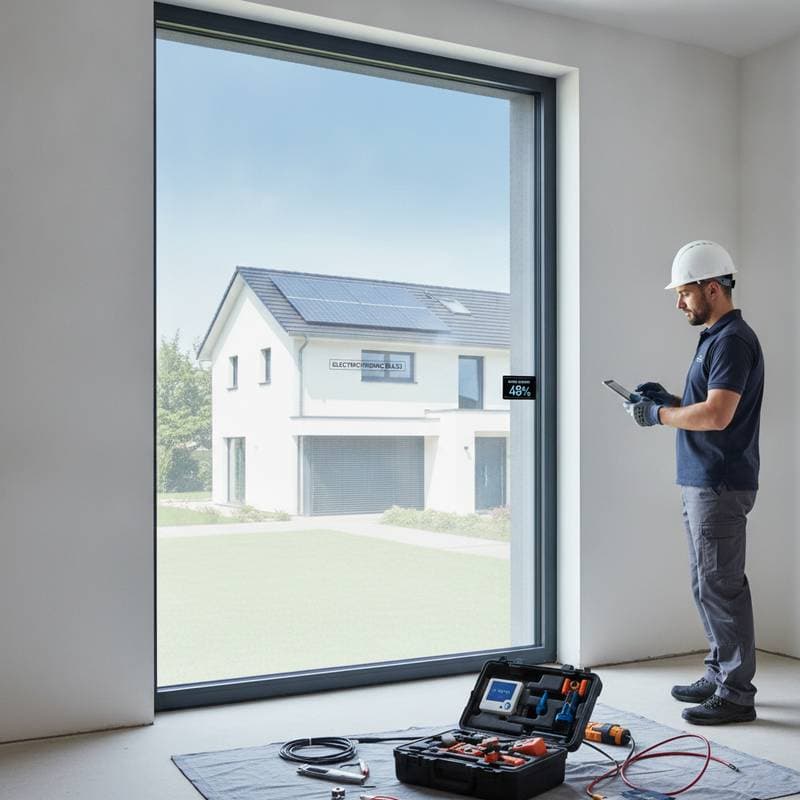
Although some manufacturers promote DIY options, precise alignment and weatherproof sealing demand expertise. Improper setup leads to uneven tinting, leaks, or voided warranties. Engage certified installers familiar with electrochromic systems to guarantee optimal operation and structural integrity.
Planning Your Upgrade: A Photography Checklist
Thorough preparation forms the foundation of a successful self-dimming window installation. Documenting the existing setup allows for informed decisions on placement, style, and scale. This step minimizes disruptions and aligns the project with personal and environmental needs.
Checklist:
- Photograph the home exterior from multiple angles at morning, midday, and evening to capture varying light patterns.
- Document architectural elements like eaves, awnings, and balconies that influence natural shading.
- Include surrounding neighborhood features, such as dominant colors and textures, to ensure the upgrade enhances curb appeal.
- Review local regulations, including HOA rules on glass reflectivity or frame modifications, to avoid compliance issues.
- Evaluate site-specific climate effects, from coastal humidity to intense desert sun, which impact glass durability.
- Establish a realistic budget and prioritize areas, such as sun-exposed living rooms or south-facing bedrooms, for initial implementation.
Following this checklist streamlines the planning process. It reveals opportunities for targeted improvements, such as focusing resources on high-traffic zones, and prevents oversights that could inflate costs.
Integration Strategies for Maximum Impact
Incorporating self-dimming windows requires thoughtful execution to blend technology with daily life. Begin with a pilot installation in one room to assess performance before expanding. Pair the glass with automated shading for hybrid control in transitional spaces.
Compatibility with smart home ecosystems enhances usability. Link windows to voice assistants or motion sensors for hands-free operation, ideal for kitchens or home offices. Maintenance remains simple, typically involving periodic cleaning with non-abrasive solutions to preserve clarity.
For larger projects, consider phased rollouts. Start with primary elevations facing the sun, then address secondary areas as budget allows. This approach delivers immediate value while building toward a fully responsive home envelope.
Achieving Lasting Comfort and Efficiency
Self-dimming windows elevate living spaces by responding intelligently to environmental cues and occupant needs. They foster environments that prioritize well-being, from reducing eye strain to optimizing natural ventilation.
Practical implementations yield tangible results, such as decreased energy consumption and simplified routines. Homeowners report heightened satisfaction with interiors that feel alive and attuned to the world outside. This innovation not only modernizes residences but also paves the way for future-oriented design principles centered on adaptability and resource conservation.