Reclaimed Barn Wood Cuts Window Costs 50% in 2026
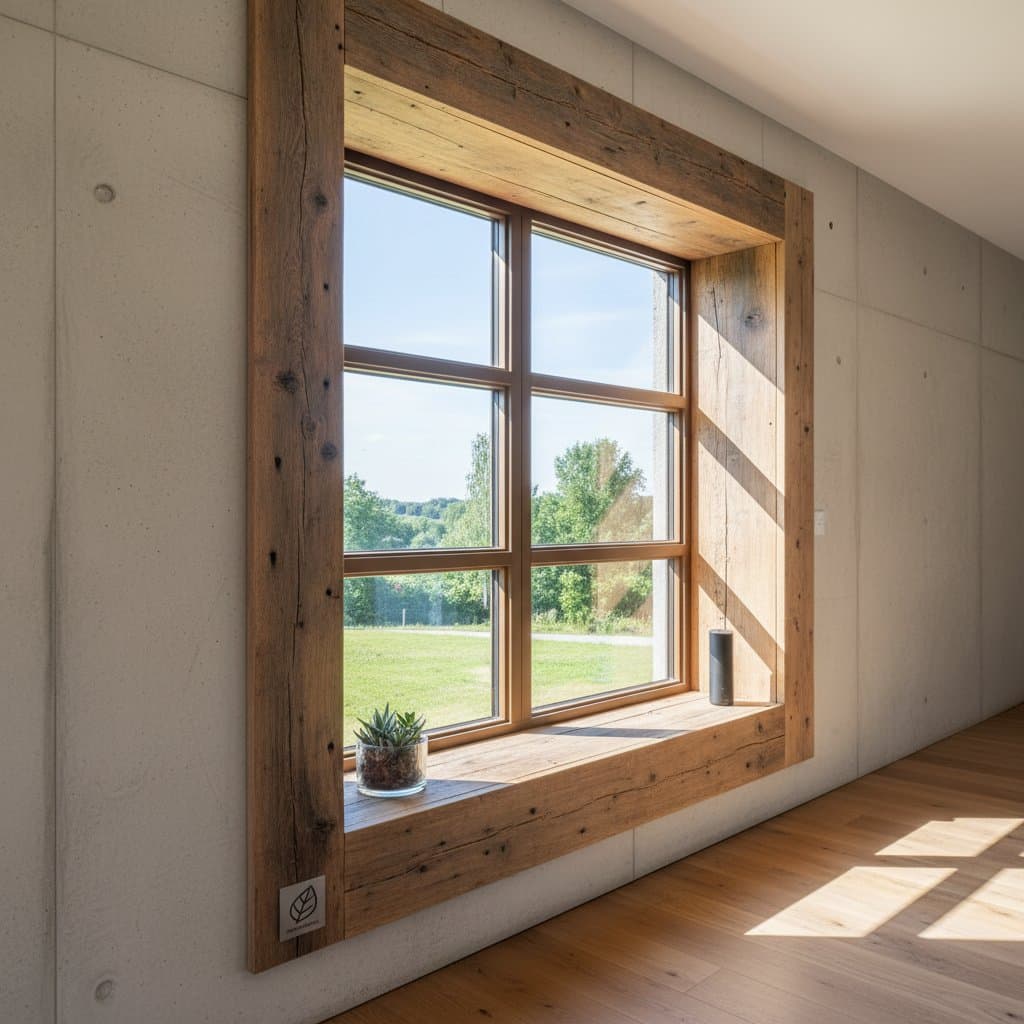
Replacing or upgrading windows ranks among the most costly aspects of home renovation. Expenses for new frames, custom glass, and installation labor accumulate rapidly, often reaching thousands of dollars. Sustainable builders and resourceful homeowners embrace an innovative approach that balances quality with affordability. Reclaimed barn wood serves as an ideal material for window frames, reducing total project costs by nearly 50 percent when compared to conventional hardwood or composite options.
This guide explores the mechanisms behind these savings, details the installation process, and provides strategies for long-term maintenance of these durable, rustic frames.
Why Reclaimed Barn Wood Delivers Substantial Cost Savings
Reclaimed barn wood originates from salvaged agricultural structures no longer in service. After thorough cleaning and milling, it emerges as a high-quality building material that merges strength with distinctive character. Three primary factors drive the cost advantages.
1. Economical Material Sourcing
Prices for new hardwood lumber escalate due to constrained supplies and elevated transportation fees. Reclaimed wood providers collaborate with local demolition and restoration initiatives, minimizing sourcing and shipping expenditures. Homeowners cover only labor and finishing costs, bypassing the premium for freshly harvested timber.
2. Minimized Manufacturing Waste
Reclaimed wood arrives pre-milled and dried, demanding less intensive processing. Fabricators shape existing beams or planks instead of deriving boards from raw logs. Reduced processing lowers energy consumption, which directly benefits homeowners through decreased material prices.
3. Inherent Durability
Barn wood demonstrates proven resilience after enduring decades of humidity, temperature fluctuations, and environmental stress. Pieces often consist of old-growth timber, denser and more stable than contemporary lumber. This robustness extends service life, curtails replacement needs, and yields savings both initially and over extended periods.
The Installation Process
Reclaimed barn wood window frames adhere to standard wooden frame installation protocols, with added emphasis on preparation. The following outlines key stages.
Step 1: Inspection and Preparation
Installers examine each wood piece for embedded nails, fractures, or decay. They apply light sanding and planing to eliminate surface debris while retaining the authentic texture. These measures ensure seamless integration with glass and wall openings.
Step 2: Custom Sizing
Barn wood dimensions vary, necessitating tailored milling. Contractors employ precision tools to align with existing window apertures. Although this step extends labor slightly, it secures a tight, energy-efficient seal.
Step 3: Sealing and Assembly
Post-cutting, frame components receive low-VOC finishes or natural oils for moisture protection without concealing historical patina. Installers assemble the frame, insert the glass, and verify weatherproof joints.
Step 4: Finishing Touches
A concluding layer of sealant or clear varnish repels humidity. Homeowners may preserve the wood's aged appearance for rustic appeal or opt for subtle sanding to achieve a refined surface.
Factors Influencing Pricing
Reclaimed wood lowers overall expenses, yet project specifics can adjust the final estimate.
Labor Complexity
In older homes, irregular window openings or supplementary framing may increase labor by 15 to 25 percent. Select contractors versed in reclaimed materials to streamline modifications and maintain precision.
Supply Availability
Regional inventories of reclaimed wood vary, impacting rates. Procure from proximate barns or mills to substantially reduce shipping fees.
Window Size and Style
Expansive or custom designs, like bay or picture windows, demand greater wood volume and meticulous cuts. Budget accordingly for these over basic double-hung varieties.
Finish and Treatment
Eco-friendly or UV-protective coatings add $50 to $100 per window, yet prolong durability and justify the incremental investment.
Energy Efficiency and Performance Advantages
Beyond initial savings, reclaimed barn wood frames improve home energy dynamics. Wood provides superior insulation to metal or vinyl, limiting thermal conduction via the frame. Paired with advanced glazing, these windows decrease annual heating and cooling expenses by 10 to 25 percent.
Contractor and energy consultant Marta Jensen of GreenFrame Installations states, "Many homeowners assume reclaimed wood is purely decorative, but when properly sealed, it performs on par with premium hardwood. The dense grain structure of old-growth timber helps maintain interior temperature stability."
Residents in cooler regions benefit most, as wood conserves heat effectively. In humid areas, meticulous sealing and airflow management avert expansion or distortion.
Sustainability and Environmental Benefits
Sustainability propels the popularity of reclaimed barn wood in window fabrication. Repurposing materials diverts waste from landfills and eases pressure on virgin timber resources. A single reclaimed frame rescues up to 40 pounds of wood from disposal.
Environmental architect Leo Ramirez from EcoCraft Design Group observes, "Reclaimed materials do not just lower costs, they keep the circular economy moving. Every beam reused from a barn or warehouse offsets the need for new timber, which directly lowers the carbon footprint of a home renovation."
This wood complements complementary green features, including recycled glass or natural insulators. It supports pursuits of green certifications and efficient remodels.
Comparison with Other Sustainable Materials
| Material | Cost per Window (Installed) | Sustainability Rating | Lifespan | Maintenance |
|---|---|---|---|---|
| Reclaimed Barn Wood | $400 to $600 | Excellent | 40+ years | Moderate |
| Bamboo Composite | $500 to $750 | Good | 25 to 30 years | Low |
| Recycled Aluminum | $450 to $700 | Good | 30 to 40 years | Low |
| Vinyl (Recycled Content) | $350 to $650 | Fair | 20 to 25 years | Low |
Bamboo and recycled aluminum offer viable alternatives, but reclaimed barn wood excels in endurance and aesthetic warmth. Its weathered texture and organic hues deliver an authenticity unattainable by synthetics.
Addressing Common Challenges
Reclaimed barn wood demands thoughtful preparation. Anticipate these hurdles and implement solutions.
Limited Supply
As a finite resource, reclaimed wood requires reliable sourcing. Partner with certified architectural salvage specialists who curate inventories by wood type and quality.
Moisture and Insect Concerns
Aged wood may retain dampness or pests. Insist on kiln-dried pieces with treatment verification to mitigate risks prior to fitting.
Code Compliance
Installations must satisfy local energy and safety regulations. Confirm your contractor adheres to standards, incorporating weatherstripping and tempered glass as needed.
DIY Versus Professional Installation
Skilled DIY enthusiasts sometimes construct reclaimed frames independently, trimming labor expenses. Precision in measurements and sealing proves essential for optimal energy retention and stability. Minor inaccuracies invite air leaks or deformation.
Professionals charge $150 to $300 per window for labor. This expenditure ensures accurate placement, robust sealing, and regulatory adherence, delivering superior results for most projects.
For woodworking aficionados, apply reclaimed wood to accents or interior supports, delegating primary installation to qualified experts.
Maintenance and Care Guidelines
Periodic attention preserves the charm and resilience of reclaimed barn wood windows, ensuring decades of reliable service.
- Inspect annually for fissures, gaps, or finish erosion; reseal exposed areas immediately.
- Clean with mild soap and a soft cloth, avoiding harsh abrasives.
- Refresh sealant every three to five years based on environmental exposure.
- Monitor for condensation; enhance ventilation or deploy dehumidifiers to safeguard the wood.
- Lubricate hinges and mechanisms annually to forestall deterioration.
These practices control ongoing expenses while upholding visual and functional integrity.
Steps to Integrate Reclaimed Barn Wood Windows
Begin by assessing your home's window requirements and consulting local suppliers for material availability. Engage a specialist contractor to evaluate site-specific needs and provide a detailed quote. Proceed with installation, focusing on quality sealing for enduring performance. Enjoy reduced costs, enhanced efficiency, and sustainable elegance that elevates your living space for years ahead.