Japandi Woodwork Set to Dominate Millwork in 2026
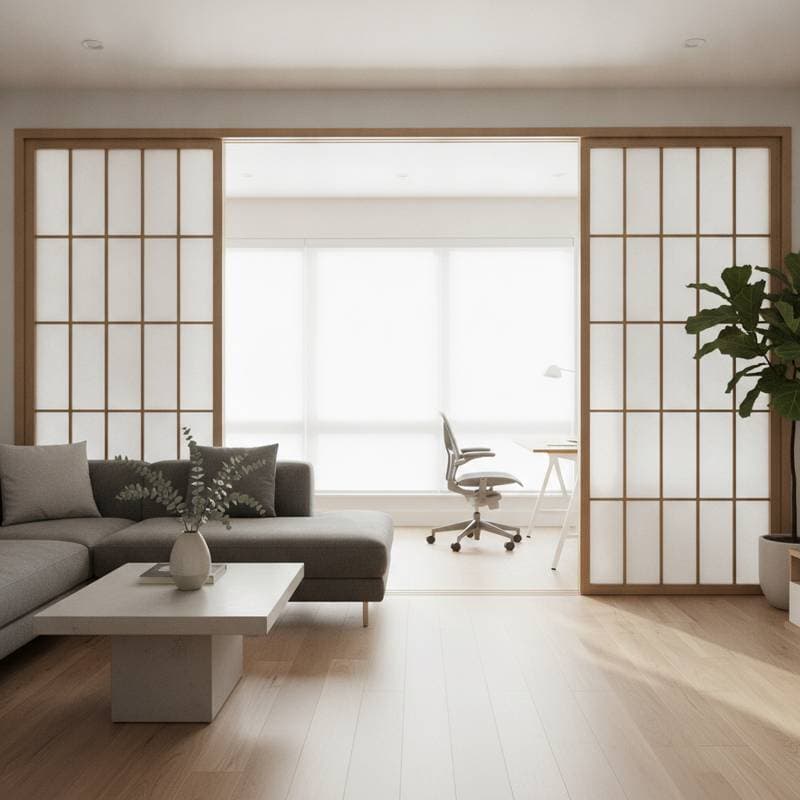
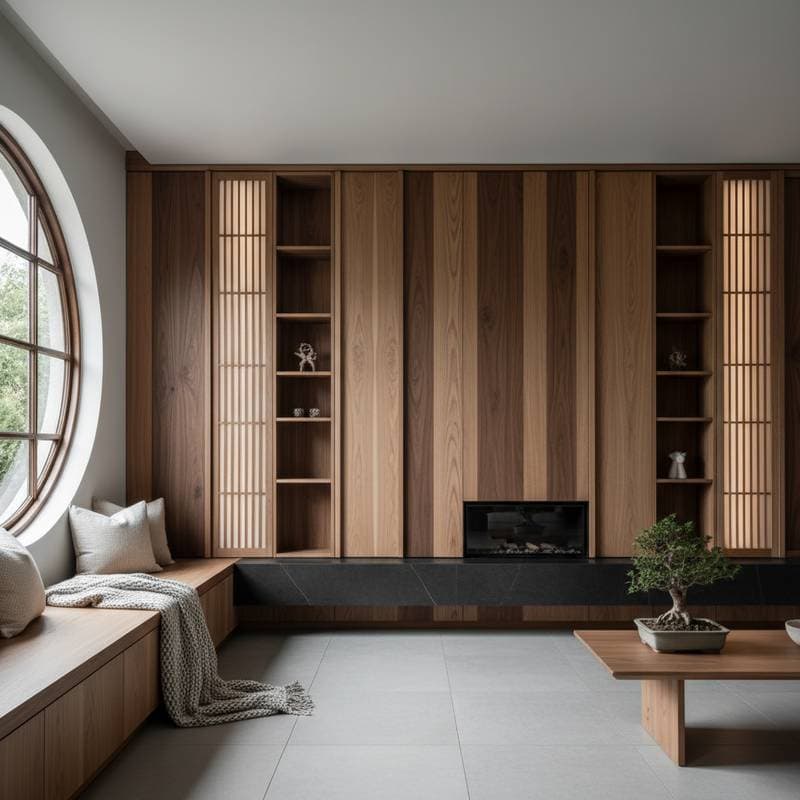
The quiet elegance of Japandi design gains momentum across architecture and millwork communities. This approach blends the serene minimalism of Japanese interiors with the cozy warmth of Scandinavian craftsmanship. It invites calm into homes through balanced proportions, varied textures, and deliberate restraint. For millwork applications, the result features clean lines, natural materials, and forms that appear handcrafted yet precisely intentional.
Japandi woodwork emphasizes proportion, tone, and texture over decorative excess. The style integrates seamlessly into modern and traditional homes alike. It softens the sharp geometry of contemporary spaces while adding subtle details to classic structures. The true appeal emerges in how simplicity evolves into luxury, demonstrating that serenity represents the pinnacle of sophisticated design.
Three Ways to Achieve the Japandi Look
Save Approach ($4,000 - $7,000)
- Select pre-finished oak or birch veneer for window and door casings to achieve a uniform, natural appearance.
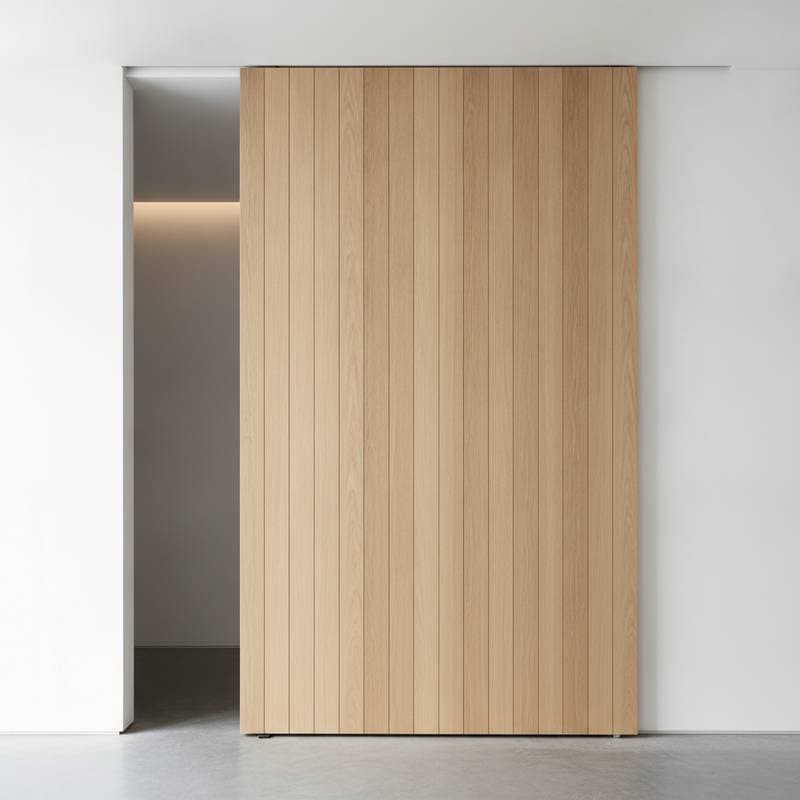
- Install minimalist slab doors equipped with hidden hinges and clear, protective finishes for a streamlined profile.
- Allocate budget toward visible elements, such as wood-toned trim surrounding windows or simple accent panels that draw the eye without overwhelming the space.
This entry-level strategy maintains the core philosophy of natural balance while remaining budget-friendly. Simple enhancements, like matte black hardware on doors and fixtures, elevate the overall composition without requiring premium materials. Homeowners appreciate how these choices deliver immediate visual impact through thoughtful restraint.
Mid-Range Approach ($8,000 - $15,000)
- Pair solid maple or ash doors with custom-milled baseboards and window frames to create cohesive transitions between elements.
- Apply light-stained finishes that accentuate the inherent grain patterns in the wood, revealing its organic character.
- Incorporate composite siding in a neutral palette to complement the warm wood details and ensure weather resistance.
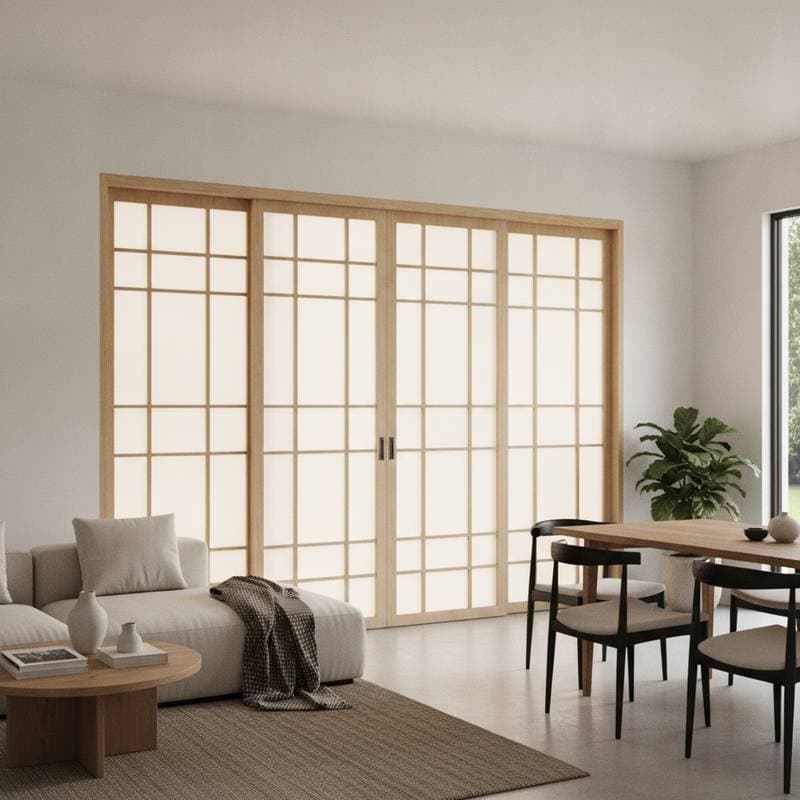
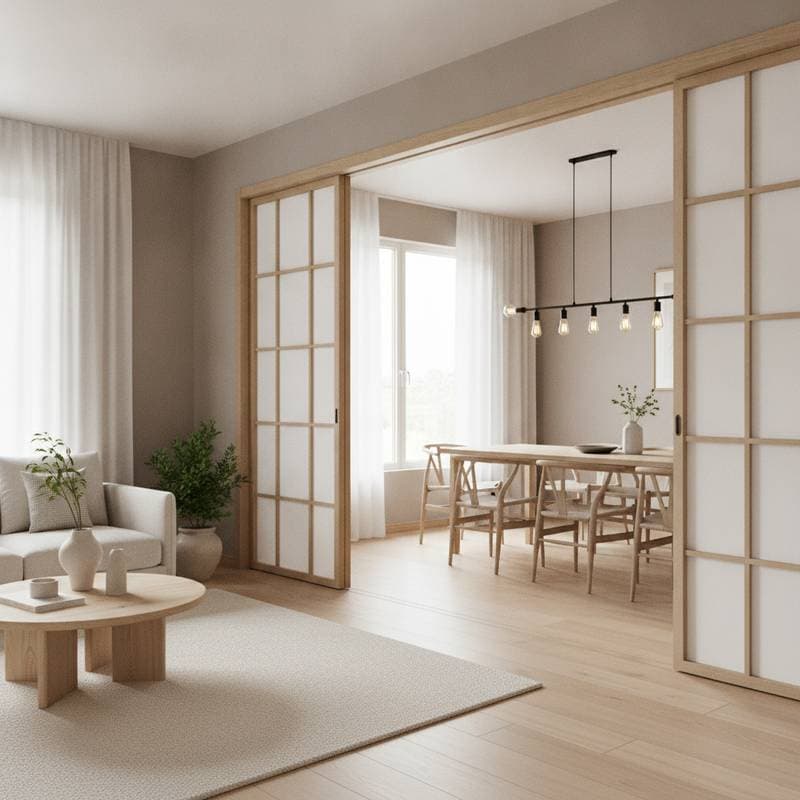
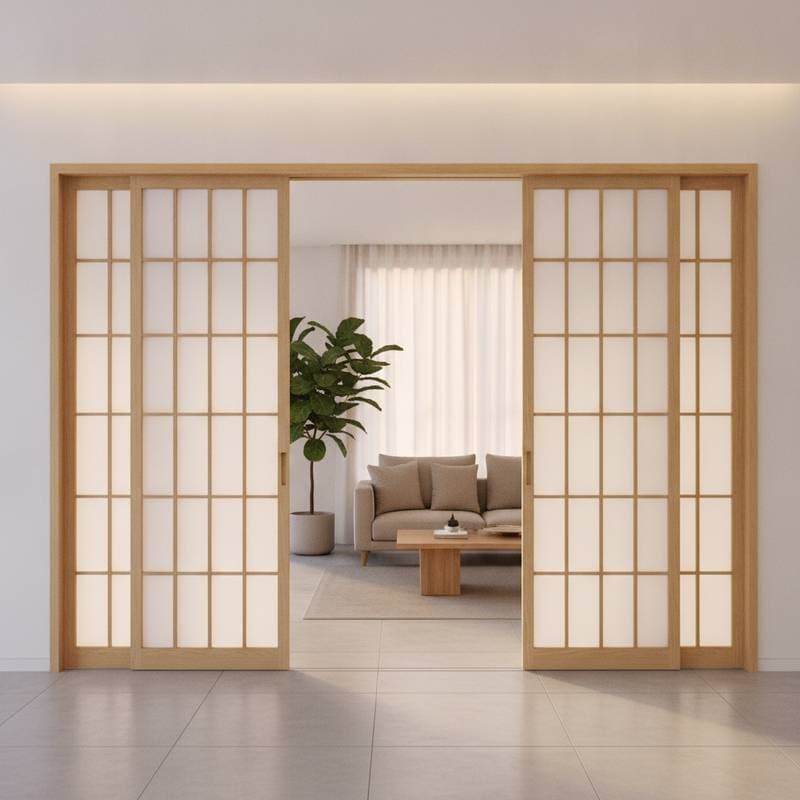
At this level, attention turns to tactile qualities that invite interaction. Options such as shoji-inspired interior doors or minimalist exterior panels add authenticity. These selections balance aesthetic appeal with practical maintenance, allowing the design to endure daily use.
Invest Approach ($16,000 - $30,000)
- Choose solid walnut or white oak for bespoke doors, trim pieces, and integrated cabinetry to establish a premium foundation.
- Develop seamless millwork that spans door frames, window casings, and built-in storage for a unified architectural presence.
- Utilize thermally modified wood siding, which offers enhanced durability and a refined patina that develops gracefully over time.
This premium tier produces a comprehensive architectural narrative. The investment secures longevity through superior craftsmanship. Precision joinery and subtle finish variations ensure that every surface, from the entry door to intricate window frames, contributes to the overall harmony.
Material and Finish Guide
- Windows: Select slim-profile wood or aluminum-clad wood frames finished in natural tones like light oak or ash. Pair with black or bronze hardware for subtle contrast that preserves the minimalist essence. Frosted or ribbed glass options provide privacy while allowing soft light to filter through, enhancing the serene atmosphere.
- Doors: Favor flat-panel designs showcasing horizontal wood grain for a grounded visual flow. Sliding or pivot mechanisms in raw or lightly stained finishes align with the minimalist ethos. Brushed nickel or matte black hardware maintains a tone-on-tone harmony that avoids distraction.
- Siding: Install vertical tongue-and-groove wood siding or durable composite boards in muted hues, including warm beige, driftwood gray, or soft charcoal. A matte finish evokes a handcrafted quality, grounding the exterior in natural authenticity.
- Trim and Accents: Maintain crisp, proportional trim with narrow, flush-mounted profiles to uphold visual tranquility. Introduce depth through accent beams, wood soffits, or slatted screens, ensuring they integrate without introducing clutter.
Maintenance Considerations for Longevity
Japandi woodwork benefits from regular upkeep to preserve its inherent beauty. Natural wood surfaces demand periodic sealing or oiling to guard against fading and moisture damage. Composite siding and aluminum-clad windows minimize routine maintenance while mimicking the appearance of solid wood. For those prioritizing ease, high-quality veneers or engineered wood with UV-resistant coatings offer reliable alternatives. The approach balances authenticity with the realities of local climate and daily lifestyle demands.
Common Pitfalls to Avoid
- Excessive Wood Tone Variety: Multiple tones create visual discord in the calm aesthetic. Limit selections to two complementary shades, such as pale ash paired with mid-tone walnut, for cohesive flow.
- Overly Complex Trim Profiles: Elaborate moldings or ornate frames undermine Japandi simplicity. Opt for clean, flush edges and uniform proportions to sustain the understated elegance.
- Neglecting Natural Light Integration: The style relies on brightness for balance. Steer clear of dark stains or dense window treatments that obstruct light; instead, incorporate sheer linen fabrics to foster openness.
- Compromising on Finish Quality: Inferior sealants or hasty staining diminish the wood's natural allure. Prioritize professional-grade products that sharpen grain definition and promote a smooth, enduring surface.
Coordinating Colors and Styles
The Japandi color palette merges neutral warmth with restrained contrast to promote tranquility and a sense of nature. These subtle tones facilitate seamless transitions between spaces. Consider these pairings for harmonious results:
- Soft oak combined with white linen for an airy, light-filled ambiance.
- Charcoal gray alongside pale maple to convey grounded sophistication.
- Muted taupe with natural walnut for layers of organic depth.
- Warm beige accented by matte black for contemporary equilibrium.
- Clay tones blended with driftwood gray to achieve an earthy exterior presence.
Such combinations extend from minimalist exteriors to inviting interiors, ensuring continuity from entry points to living areas.
Essential Planning Checklist for Photography and Assessment
Homeowners benefit from documenting existing conditions before finalizing selections. This preparation informs material and finish decisions. Record the following details:
- Exterior photographs captured from various angles to evaluate natural light patterns and current finishes.
- Architectural style elements and proportional measurements to guarantee harmonious integration of new millwork.
- Surrounding neighborhood context, including any homeowners association guidelines or zoning regulations affecting choices.
- Local climate factors, like humidity levels or sun exposure, to select suitable wood treatments and protections.
- Budget allocations, pinpointing areas for premium investments versus practical, cost-effective solutions.
Integrating Japandi Principles for Enduring Spaces
Japandi woodwork crafts environments that feel rooted, serene, and built to last. Precision and authenticity define its essence, with each surface designed purposefully. Homeowners realize this vision through strategic material selections and measured restraint, whether pursuing full custom installations or targeted updates. Clean lines, textured balance, and genuine finishes elevate modern and traditional properties alike, yielding timeless sanctuaries that embody the power of simplicity.