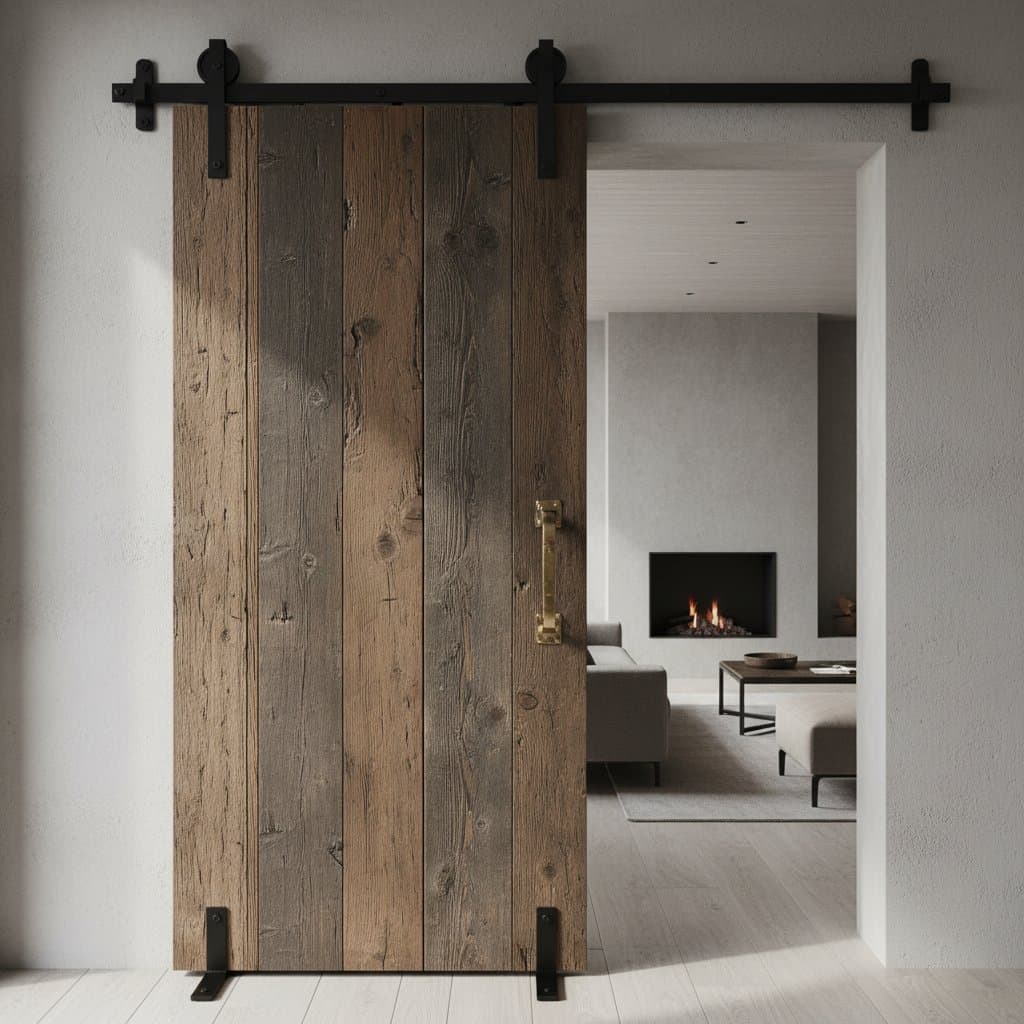
The 300% Surge in Reclaimed Barn Hardware for 2026
Homeowners and designers increasingly turn to reclaimed barn hardware for its fusion of rustic appeal and practical utility. This dramatic growth stems from broader changes in design preferences, emphasizing sustainability and lasting worth. Unlike mass-produced items, reclaimed hardware delivers irreplaceable character, suiting both countryside retreats and city dwellings.
The trend highlights the intersection of style, eco-consciousness, and skilled workmanship. Far from mere sentimentality, it provides a sensible method to integrate superior quality, material conservation, and enduring aesthetics.
Defining Reclaimed Barn Hardware
Reclaimed barn hardware includes salvaged hinges, pulls, rails, and supports from historic farm buildings. These items bear traces of time, including weathered surfaces, natural oxidation, and hand-tool marks. After thorough cleaning, rust treatment, and minor adjustments, they serve as robust features in contemporary or classic spaces.
This hardware appeals by linking past functionality with present needs. It pairs seamlessly with salvaged timber doors, gliding barn setups, and rough-hewn storage units. Typically crafted from iron or steel, with occasional brass or copper details tied to local forging methods, it conveys solidity and truthfulness.
Drivers of the Trend
Aesthetics fuel much of the enthusiasm for reclaimed barn hardware. Individuals seek elements that anchor spaces in reality. These pieces offer layered tones and tactile differences that uniform manufacturing cannot achieve, instilling a lasting presence amid artificial surroundings.
Sustainability ranks as a key motivator. Repurposing cuts the need for fresh metal extraction, a process that demands substantial energy and raw inputs. Environmentally aware residents view this choice as an extension of principles favoring recycling and upkeep.
Narrative depth adds another layer. Purchasers value the backstory of hardware from operational farms or homesteads. This heritage infuses homes with personal significance, extending beyond mere mechanics.
Core Materials and Restoration Techniques
The excellence of reclaimed barn hardware hinges on source metals and revival methods. Age-old smithing created denser, tougher items than many current versions. Proper revival ensures performance matches or exceeds fresh builds.
Typical components encompass:
- Wrought iron: Renowned for robustness and visible fibrous textures revealed through polishing and lubrication.
- Cast iron: Features timeless forms and ornamental patterns; its heft suits pulls and closures.
- Steel: Prevalent in mid-century structures, it accepts polishing or darkening for aged effects.
- Brass or copper highlights: Employed for ornamental relief, these gain deepened hues over time.
Restoration begins with gentle abrasion cleaning, followed by rust inhibitors and protective coatings like wax or lacquer. Such steps preserve vintage appearance while guarding against decay.
Reclaimed Versus Contemporary Options
Evaluating reclaimed barn hardware against alternatives clarifies its strengths.
| Option | Initial Cost | Lifespan | Maintenance | Ideal Use Case |
|---|---|---|---|---|
| Reclaimed Hardware | Moderate to High | 50+ years | Periodic oiling, checks | Genuine rustic setups, eco-focused homes |
| New Reproduction | Moderate | 20-30 years | Low | Rustic looks without hunt for originals |
| Modern Styles | Low to Moderate | 15-25 years | Low | Sleek minimalism, cost-limited projects |
Upfront expenses for reclaimed items edge higher due to acquisition and preparation. However, their resilience and singularity often offset this over time. Those prioritizing genuineness and endurance discover substantial returns.
Practical Installation Guidance
Reclaimed barn hardware demands precise preparation for setup. Variations in dimensions require custom fitting, diverging from uniform specs. For barn-style sliders, rails and wheels must bear door mass and glide effortlessly; hinges and grips need sturdy bases.
Professionals start by examining door frames and mounting areas for adequate reinforcement. They inspect for load-bearing points like studs. Vintage rails may undergo decontamination or tweaks for modern fasteners. Though time-intensive, the outcome rewards with seamless integration.
Balance proportions when combining with fresh constructions. Robust grips or heavy pivots suit solid doors but may unbalance flimsy ones. Aim for harmony in utility and visual impact.
Upkeep for Enduring Performance
With diligent care, reclaimed barn hardware endures across generations. Routine tasks involve soft wiping, lubricating joints, and tightening fixtures. In damp climates, apply barrier waxes to curb rust.
Account for placement specifics. Interior applications face minimal threats, yet wet zones like baths demand vigilant monitoring. The inherent weathering masks light damage, unlike glossy alternatives that reveal flaws quickly.
Refresh protections periodically with transparent varnishes or compounds. This sustains the patina sans alteration. Custom spares, like fasteners, can be sourced from nearby fabricators if originals wear.
Integrating with Diverse Aesthetics
Reclaimed barn hardware adapts broadly, transcending its agrarian roots to enrich varied decors.
Farmhouse Vibes: It aligns perfectly with weathered timbers, open rafters, and subdued tones.
Industrial Edges: Against raw concrete and metal, it softens severity with organic warmth.
Minimalist Lines: One focal item, like a rail, adds intrigue without cluttering simplicity.
Hybrid Spaces: It unites antique accents with fresh surfaces for layered narratives.
Expertise in Revival Processes
Raw finds often need skilled intervention for viability. Specialists scrub, mend, and occasionally reshape elements to restore usability. Their efforts retain historical integrity alongside current standards.
When acquiring from depots or digital vendors, confirm restoration status. Opt for trusted ateliers that test, safeguard, and match components for reliability.
Pricing Factors and Investment Rationale
Costs vary by scarcity, state, and artistry. Basic salvaged pivots undercut ornate replicas, yet rare forged collections fetch more. Assess holistic worth, factoring longevity over entry price.
Such features boost property allure. Distinctive, reused touches draw seekers of uniqueness. Rising eco-trends amplify their enduring market draw.
Ecological and Personal Advantages
Opting for reclaimed hardware advances planetary and daily aims. Ecologically, it minimizes landfill contributions and resource pulls, bolstering artisan economies over factories.
Personally, it fosters bonds to craftsmanship's deliberate pace. Interacting with these relics promotes thoughtful stewardship and regard for excellence in living spaces.
Sourcing Strategies
Prospects for reclaimed barn hardware span salvage sites, heritage depots, and curated e-shops. Some outfits harvest and revive directly, offering documented origins.
Prioritize these when selecting:
- Integrity: Scan for fractures, bends, or deep pitting; light surface oxidation proves fixable.
- Fullness: Verify inclusion of essentials like hardware or adapters, or feasibility of additions.
- Legitimacy: True relics display uneven aging; flawless symmetry signals copies.
- Protection: Ascertain pre-applied barriers or need for further shielding.
Expert review pre-purchase averts pitfalls. Reclamation-savvy installers can gauge design compatibility.
Installation Quality Assurance
Key verifications during fitting secure functionality:
- Load Capacity: Confirm anchors handle stresses.
- Fluid Motion: Trial mechanisms prior to securing.
- Evenness: Ensure level placement across elements.
- Surface Care: Prevent marring through gentle handling.
- Secure Fit: Eliminate hazards like burrs.
These measures uphold safety and polish, bridging eras effectively.
Future-Proofing Your Selection
Incorporate reclaimed barn hardware into evolving home visions. Its timeless nature allows shifts with redesigns. Rails transfer to fresh panels; pulls relocate to fixtures.
Such foresight prolongs utility and eco-gains. Durable picks curb turnover, aligning with sustainable ideals.
Selecting for Success
Choose reclaimed barn hardware by weighing expense, truth, and fit. Evaluate operational demands in busy zones versus ornamental roles elsewhere. Prioritize resilience for daily use, character for accents, ensuring choices enrich your environment durably.