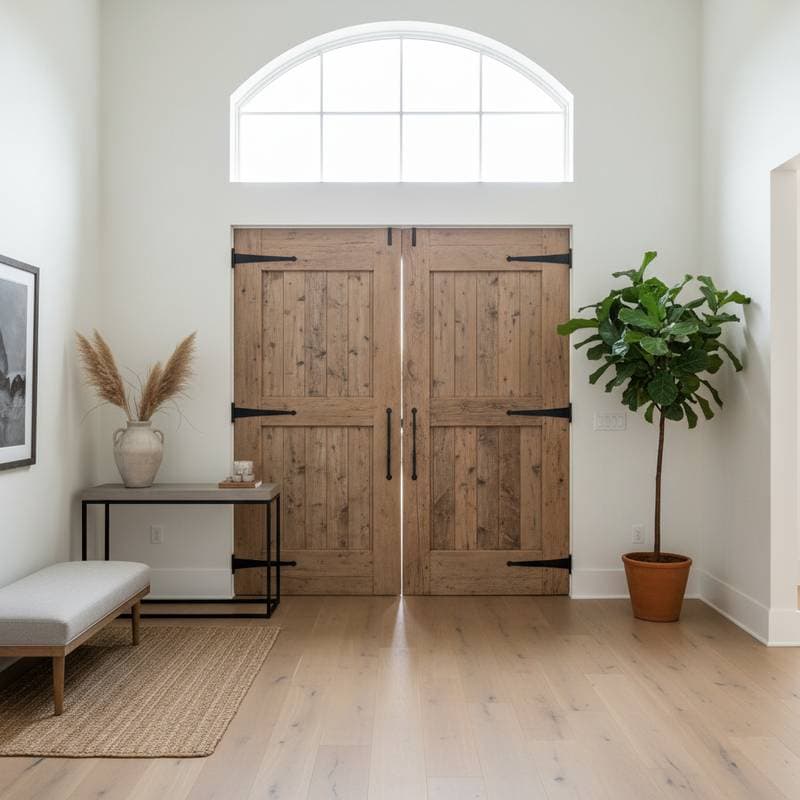
Reclaimed Wood Entryways Boost Home Value by $15,000
Reclaimed wood entryways stand out in contemporary home design through their blend of sustainability, skilled craftsmanship, and enduring beauty. Homeowners select these features not only for visual appeal but also to elevate property worth. Real estate experts indicate that thoughtfully designed reclaimed wood doors can increase resale value by up to fifteen thousand dollars, influenced by factors such as style, condition, and architectural harmony. These doors leave enduring impressions and infuse homes with historical depth and personality.
What Is Reclaimed Wood?
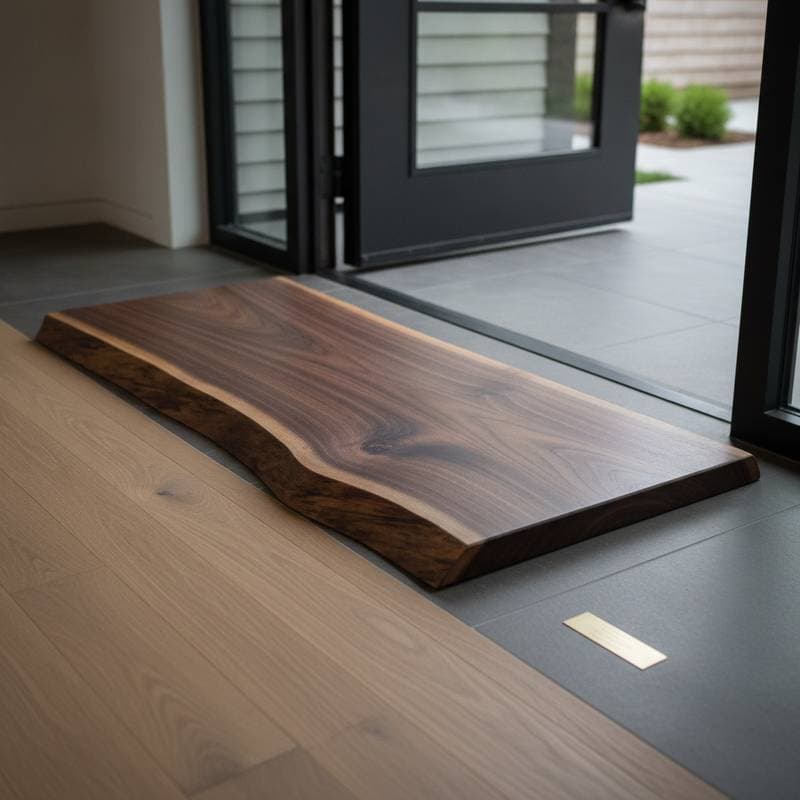
Reclaimed wood consists of lumber recovered from structures like barns, mills, or demolished buildings. It frequently derives from tree species scarce in current markets, including heart pine, old-growth oak, and chestnut. Every board displays distinct grain, knots, and patina from years of exposure, elements impossible to mimic with fresh timber.
This wood excels in strength, density, and stability. Aged through natural processes, it resists warping better than new lumber. As a sustainable choice, it curbs the need for fresh harvesting and diverts material from landfills.
Reasons Reclaimed Wood Entryways Increase Value
The entryway establishes the home's initial impact on visitors and buyers, signaling quality and individuality. Reclaimed wood enhances this through multiple attributes:
- Unique Visuals: Natural aging provides warmth and texture that fresh wood lacks, projecting authenticity.
- Eco-Friendly Draw: Buyers prioritize green practices; reclaimed doors highlight reuse and ethical sourcing.
- Superior Build: Handcrafted with precise fitting, these doors promise longevity and reliability.
- Narrative Depth: The wood's origins from historic sites add emotional resonance to the property.
These elements foster a premium perception, often leading to elevated offers during sales.
Reclaimed Versus New Wood Comparison
Assess reclaimed and new wood options using key metrics to inform decisions.
| Option | Initial Cost | Lifespan | Maintenance | Ideal For |
|---|---|---|---|---|
| Reclaimed Wood | $1,000–$5,000 | 40+ years | Periodic cleaning/sealing | Authenticity and eco-focus seekers |
| New Wood | $500–$3,000 | 20–30 years | Frequent refinishing | Uniform looks and budget priority |
Reclaimed wood demands higher upfront investment yet delivers extended durability and distinctive charm, supporting greater value retention.
Crafting a Reclaimed Wood Entryway
Building a reclaimed wood door merges artistic vision with technical accuracy across phases.
- Design Assessment: Define style, dimensions, and functionality; evaluate frame compatibility.
- Material Prep: Clean, dry, and treat wood to eliminate residues; inspect and size boards.
- Assembly: Join planks using modern methods like dowels or mortise-and-tenon for strength.
- Testing: Verify balance, operation, and hardware alignment.
- Finishing: Apply protective sealants against weather; provide care instructions.
This methodical approach yields a door that integrates seamlessly and endures.
Design Styles and Integration Tips
Reclaimed wood suits diverse architectural styles.
- Rustic Farmhouse: Broad planks with raw texture suit rural settings.
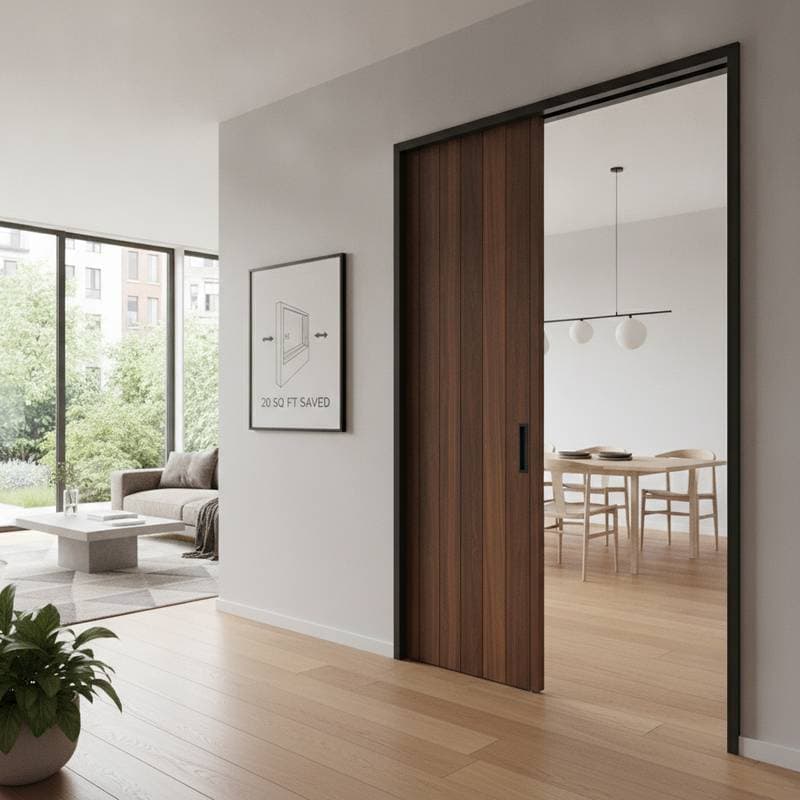
- Modern Minimalist: Sleek surfaces paired with glass or metal for urban vibes.
- Traditional Craftsman: Intricate joints and panels for heritage homes.
- Contemporary Bold: Large-scale pivots for dramatic entrances.
Align the style with home exteriors and interiors for cohesive appeal. Consult samples to visualize fit.
Cost Management Strategies
Reclaimed entryways involve notable expense, yet yield strong returns via appraisals linking premium materials to higher valuations. A several-thousand-dollar door can contribute up to fifteen thousand dollars in added worth when harmonized with overall design.
Optimize expenses by:
- Sourcing local wood to cut shipping fees.
- Opting for semi-custom over fully bespoke designs.
- Selecting natural finishes to preserve character.
- Budgeting for expert installation to avoid issues.
Evaluate total project scope against expected resale uplift.
Upkeep for Lasting Performance
Preserve reclaimed wood through routine checks for wear or moisture. Clean gently with mild solutions to retain patina.
Reapply oil or sealant every few years, especially in challenging climates. Lubricate hardware regularly to ensure smooth function. These steps sustain appearance and functionality, bolstering long-term value.
Sustainability and Living Advantages
Reclaimed wood advances eco-principles by repurposing resources, conserving forests, and lowering production energy. It embodies responsible stewardship.
In daily use, the wood's tactile qualities and subtle scents foster a grounded atmosphere. Visible imperfections like old marks enhance uniqueness, turning the entryway into a personal narrative element.
Key Selection Factors
Tailor choices to specific needs:
- Regional Climate: Select oak or teak for resilience against fluctuations.
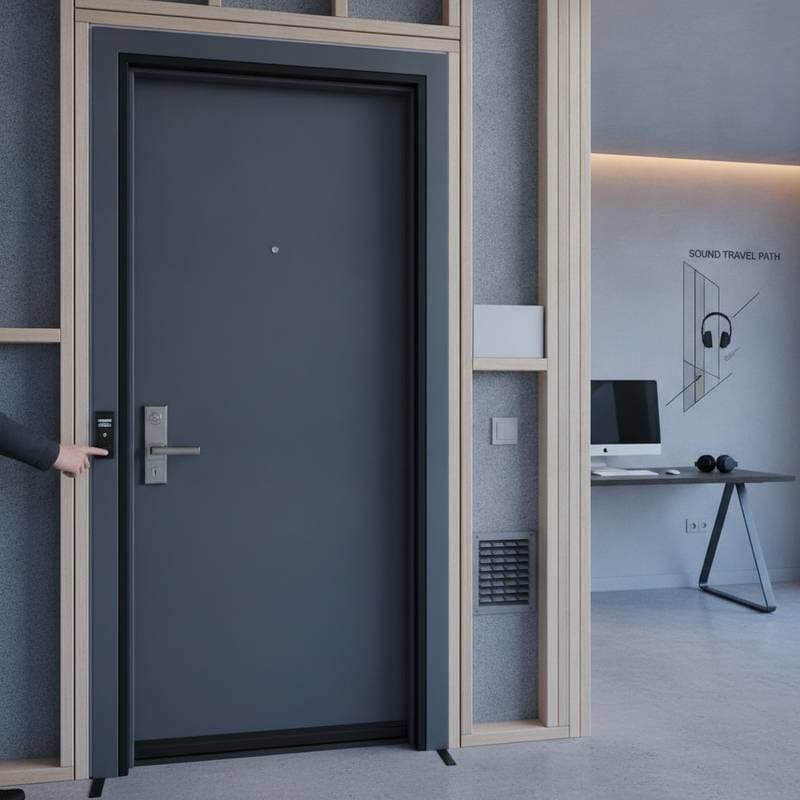
- Safety Features: Add steel reinforcements or advanced locks discreetly.
- Efficiency: Seal frames tightly to block drafts.
- Aesthetic Finishes: Choose those that accentuate grain or evoke age.
Collaborate with specialists to balance form and utility.
Contractor Selection Essentials
Choose contractors experienced in reclaimed work; review portfolios and references. Demand detailed quotes covering materials, labor, and timelines.
Secure warranties for installation integrity. Maintain clear dialogue to align on vision and avoid delays.
Quality Control Measures
Monitor progress with these verifications:
- Wood Inspection: Ensure cleanliness, dryness, and solidity.
- Moisture Levels: Confirm appropriate content to prevent distortion.
- Installation Fit: Check for even gaps and fluid movement.
- Finish Uniformity: Verify protective evenness.
- Hardware Test: Confirm reliable operation.
Document sources and guarantees for appraisal support.
Enduring Appeal and Future Outlook
Reclaimed doors mature gracefully, with patina deepening over time to heighten allure. This evolution appeals to future buyers seeking character.
Should replacement arise, the wood holds repurposing potential, often recyclable through suppliers.
Project Launch Guidance
Assess budget, objectives, and schedule upfront. Factor in weather for optimal timing.
Foster ongoing team communication. Record the journey to capture its significance.
Realizing Sustainable Elegance
A reclaimed wood entryway elevates beyond aesthetics, embodying mindful design and investment. It delivers tangible gains like fifteen thousand dollars in value while enriching everyday experiences with history and warmth. This choice crafts an inviting threshold that honors both planet and legacy.