Slash 70% of Your Home Noise with Acoustic Wood Panels
Noise ranks among the primary causes of discomfort in residential settings. Sources include external traffic, neighboring activities, or internal household sounds, all of which transmit easily through walls, ceilings, and floors. Acoustic wood panels provide an efficient solution for mitigating these disturbances while introducing visual appeal and warmth to interior environments. Homeowners gain significant advantages by grasping the mechanics of these panels, exploring available options, and mastering installation strategies, which collectively elevate daily comfort and overall livability.
Understanding How Acoustic Wood Panels Work
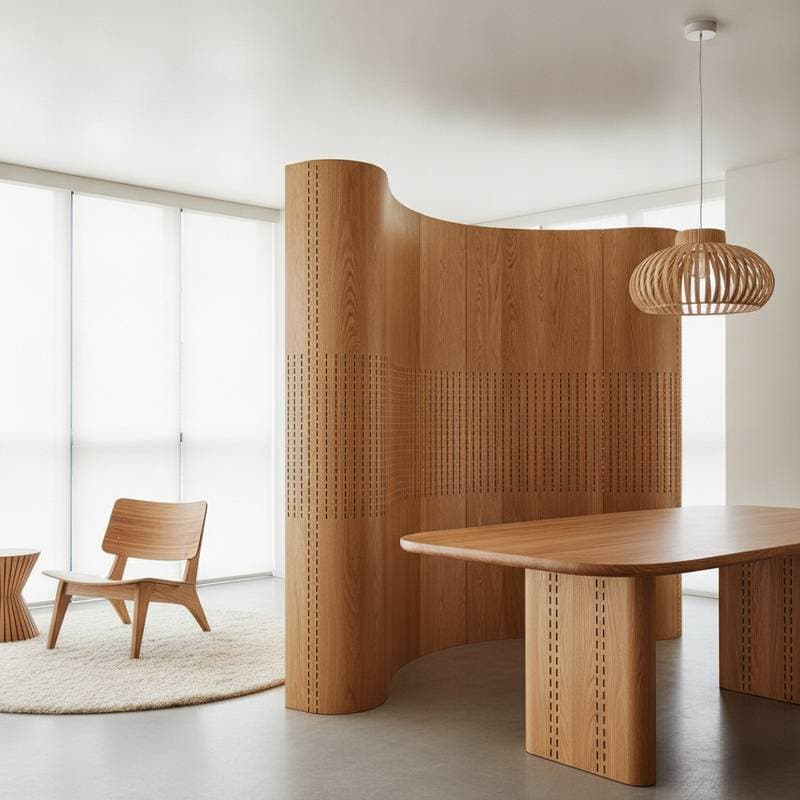
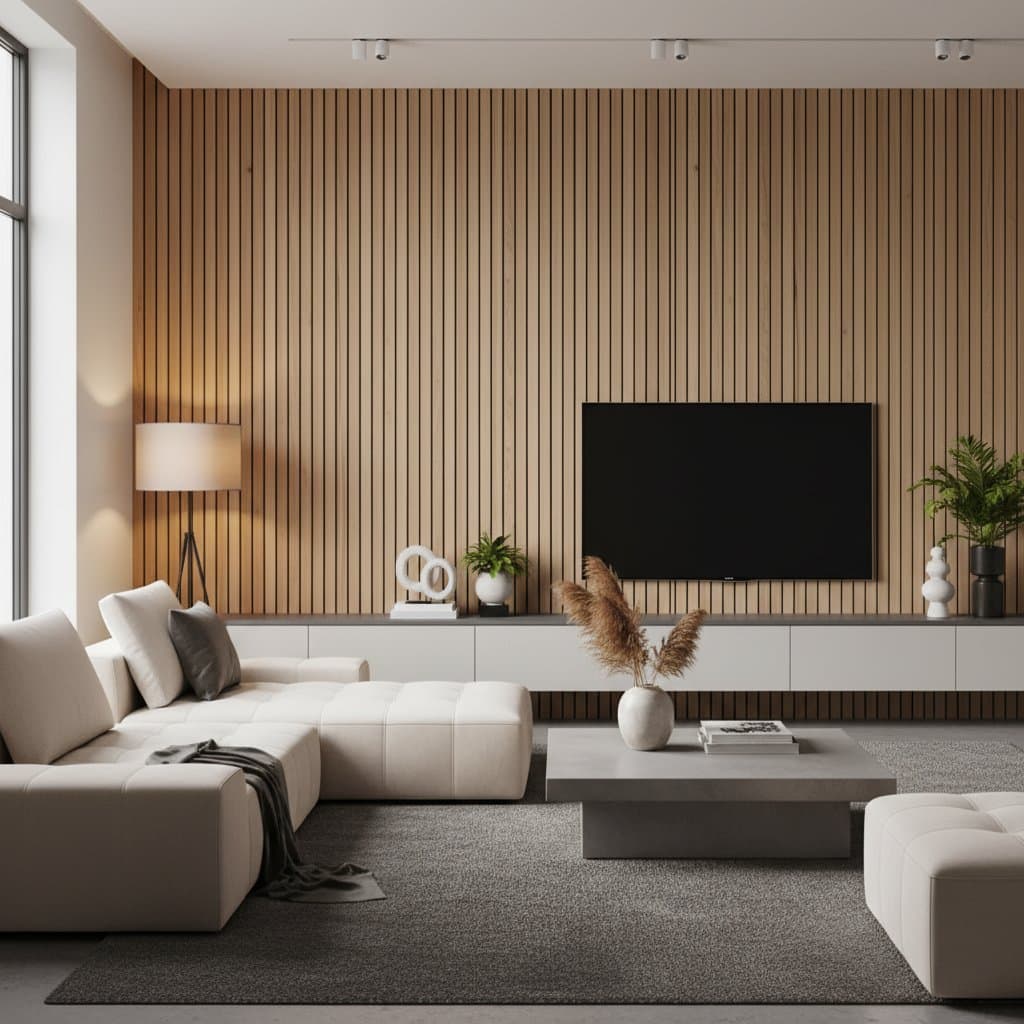
Acoustic wood panels function by absorbing and dispersing sound waves to prevent excessive reverberation within a space. The wooden exterior paired with an internal core of sound-absorbing material, such as felt or mineral wool, captures acoustic energy and diminishes echoes. These panels attach to walls or ceilings via concealed brackets or clips, ensuring a seamless integration into the room's design.
Key factors influencing efficacy include the panel's thickness, material density, and mounting technique. Designs featuring deeper grooves or perforations accommodate a broader spectrum of sound frequencies, whereas higher-density cores deliver superior noise attenuation. Proper implementation yields reductions in ambient noise levels of up to 70%, fostering a serene atmosphere conducive to relaxation and focus.
Comparing Panel Types and Performance
Various acoustic wood panel configurations cater to diverse environments and design preferences. The table below outlines essential characteristics to guide selection.
| Panel Type | Initial Cost | Lifespan | Maintenance | Best For |
|---|---|---|---|---|
| Slatted Wood Panels | Moderate | Long | Dusting and light cleaning | Living rooms and offices |
| Perforated Panels | Moderate to High | Long | Occasional vacuuming | Home theaters and studios |
| Veneered MDF Panels | Lower | Medium | Gentle cleaning | Budget-friendly upgrades |
| Solid Hardwood Panels | High | Very Long | Occasional refinishing | Premium interiors |
Slatted panels strike an ideal balance between acoustic effectiveness and aesthetic versatility, making them suitable for high-traffic areas. Perforated variants excel in precise sound management, though they demand meticulous setup to maximize benefits. Veneered MDF options deliver cost-effective performance for entry-level projects, while solid hardwood selections ensure enduring quality and luxurious finishes.
Benefits and Drawbacks to Consider
Acoustic wood panels present compelling advantages for noise management and interior enhancement.
- Effective absorption reduces echoes and ambient sound by up to 70 percent.
- Natural wood grains impart a cozy, organic texture to living spaces.
- Extensive choices in finishes and wood species align with existing decor schemes.
- Routine care involves straightforward dusting to preserve appearance and function.
- Additional insulation properties contribute to improved thermal efficiency.
Potential limitations warrant attention during planning.
- Expenses exceed those of conventional wall treatments.
- Optimal results often necessitate professional installation expertise.
- Unsealed surfaces may react adversely to moisture exposure.
- Full efficacy requires complementary treatments for doors and windows.
Weighing these elements enables informed choices, particularly in areas prioritizing clear communication or restorative quietude, where the positives typically surpass the challenges.
Planning and Preparation Before Installation
Evaluate the room's configuration and primary noise origins prior to acquisition. Determine if disturbances stem from external sources like street sounds, internal reverberations, or adjacent spaces, as each influences panel density and positioning.
Precise measurements of target surfaces prove essential, given that acoustic outcomes scale with coverage extent. Incomplete applications yield proportional benefits only, so calculate needs accordingly. For multi-room endeavors, sequence tasks to limit interruptions, and account for fixtures such as lighting or outlets that may require panel modifications.
Surface readiness plays a pivotal role in success. Ensure walls remain clean and even for optimal attachment. On substrates like concrete or masonry, install support rails or battens to secure panels firmly, verifying structural capacity to bear the added load.
What to Expect During Installation
Experienced installers commence by delineating attachment locations and verifying straight lines for uniformity. Panels undergo custom cutting to accommodate angles or boundaries, followed by secure fastening that upholds uniform gaps in slats or perforations. Final checks address seams to eliminate voids that might compromise absorption capabilities.
For self-directed projects, adhere strictly to manufacturer protocols. Employ a stud detector, appropriate fasteners, and alignment instruments to safeguard structural integrity and acoustic performance. Prioritize safety measures, including protective equipment and stable scaffolding, to mitigate hazards throughout the procedure.
Long-Term Care and Maintenance
These panels demand little ongoing attention to sustain their condition. Employ a soft cloth or vacuum attachment for periodic dust removal, steering clear of abrasive cleaners or surplus water that could harm the wood.
Periodic applications of oil or refinishing restore vitality, particularly in areas subject to direct sunlight or variable humidity. Track environmental factors like stable temperatures and moisture levels to avert distortions and uphold sound-dampening properties over years of use.
Selecting Panels for Optimal Results
Decision-making for acoustic wood panels hinges on harmonizing visual appeal, sound control, and financial parameters. In contemporary settings, opt for slim oak or walnut slats to achieve a refined profile alongside robust noise suppression. For classic interiors, broader cherry or maple planks infuse timeless elegance without sacrificing functionality.
Individuals seeking enhanced tranquility, ergonomic well-being, and sophisticated aesthetics discover enduring value in these installations. Thoughtful selection and execution transform noisy domiciles into harmonious sanctuaries, blending practical utility with refined natural elements.