Achieve Smart Windows: Install $800 DIY Electrochromic Film Tint
Smart technology now extends to residential windows, allowing homeowners to gain precise light control and privacy without replacing entire window units. Electrochromic window film, offered in accessible DIY kits, provides an effective upgrade for existing glass at approximately $800. This approach converts standard windows into responsive, energy-saving features that activate via touch or remote, while preserving the home's architectural integrity and daily comfort.
Why Electrochromic Film Excels for Home Upgrades
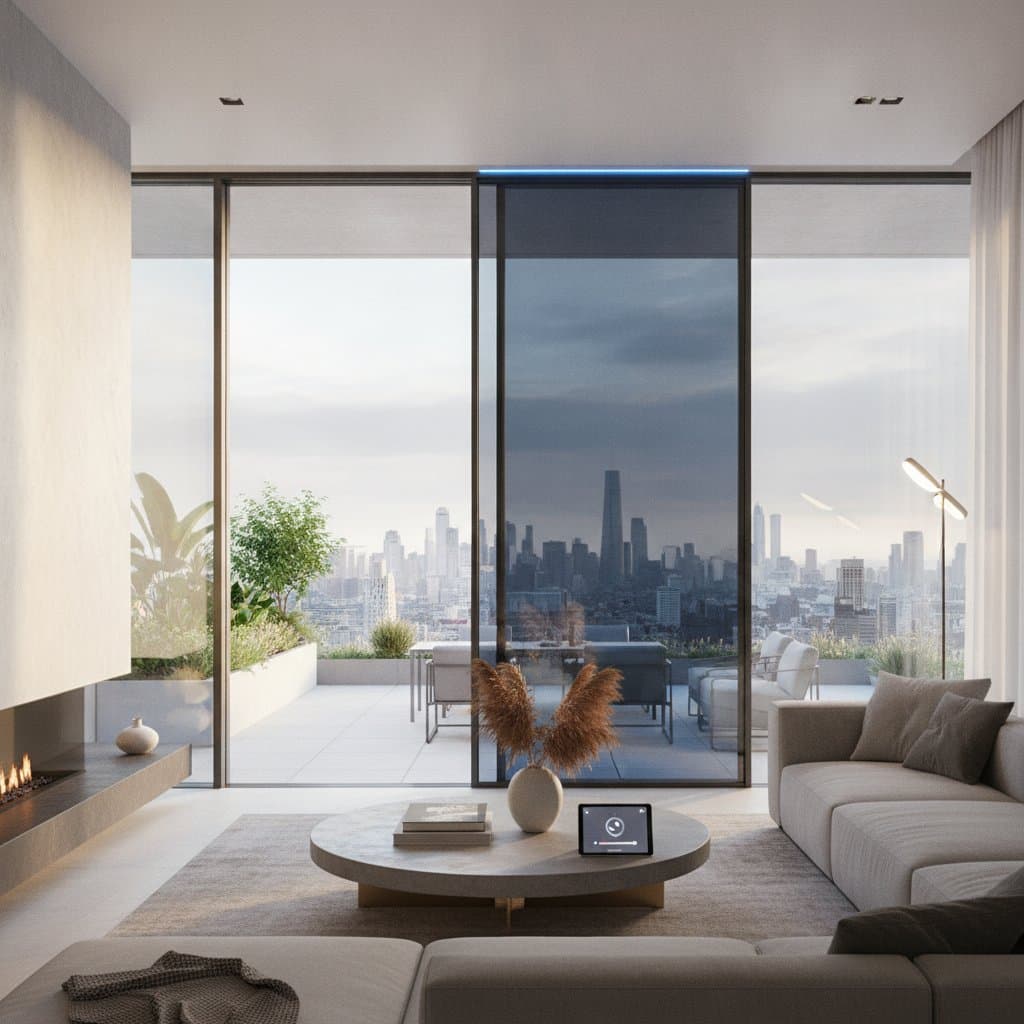
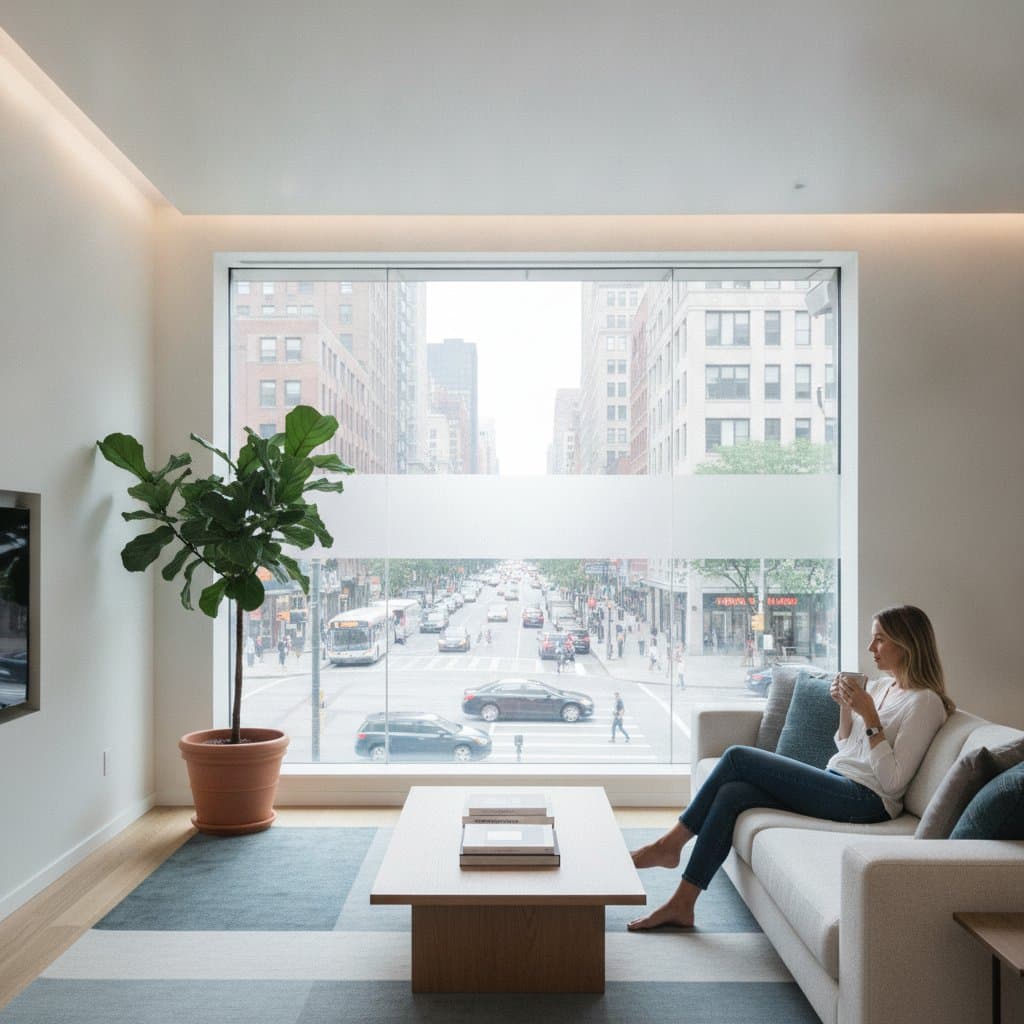
Electrochromic film enables windows to transition from transparent to tinted states through a simple switch, app, or voice command. This functionality minimizes glare from direct sunlight, blocks harmful UV rays to safeguard furnishings, and introduces a contemporary flair to both indoor and outdoor perspectives. Homeowners seeking equilibrium between abundant natural light, personal seclusion, and reduced utility bills find this film delivers a professional appearance at a fraction of the cost of permanent installations.
The technology operates by applying a low-voltage current to the film, which alters its opacity almost instantly. Unlike static tints, it adapts to daily needs, such as darkening during peak sun hours or clearing for evening views. This versatility supports sustainable living by lowering reliance on air conditioning and artificial lighting, potentially cutting energy expenses by up to 20 percent in sun-exposed rooms.
Three Practical Implementation Strategies
Select an approach based on your budget, room priorities, and desired coverage to maximize impact.
Budget Strategy ($400 - $800)
- Apply peel-and-stick electrochromic film to targeted windows, such as those in high-traffic areas like living rooms or home offices, where privacy demands are highest.
- Integrate a basic single-zone controller to adjust tint uniformly within one space, simplifying operation for beginners.
- Prioritize installation on windows facing public streets or neighbors to achieve noticeable aesthetic and functional improvements with minimal expenditure.
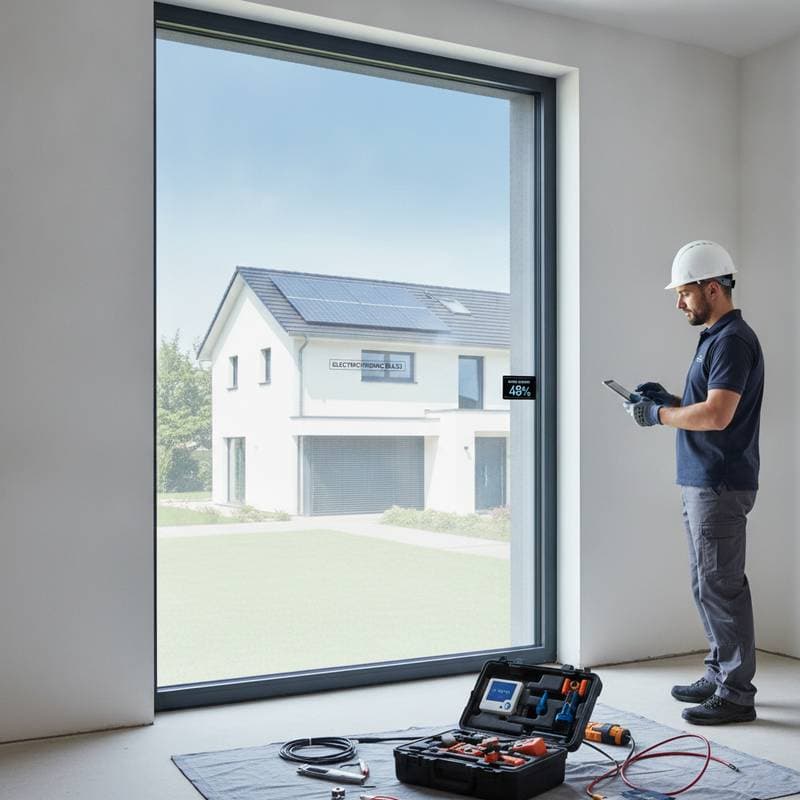
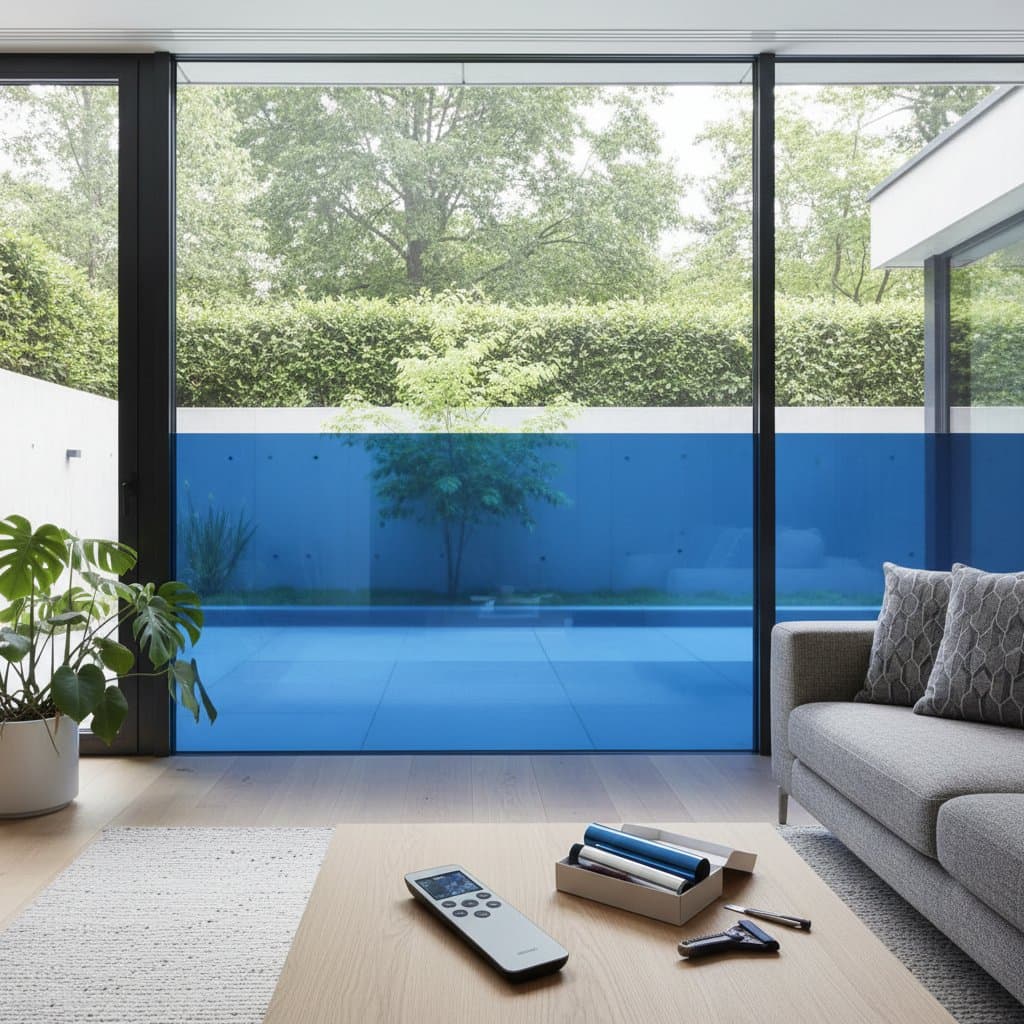
For this level, source kits from reputable suppliers that include pre-cut film sheets, adhesive applicators, and a starter power supply. Test the film on a small pane first to verify compatibility with your glass type, ensuring smooth adhesion without bubbles.
Intermediate Strategy ($1,000 - $2,500)
- Extend coverage to several rooms or expansive window arrays, linking the film to a centralized remote or wall-mounted switch for effortless management.
- Pair the smart film with conventional tinted or frosted glass in secondary spaces, like bathrooms or basements, to optimize costs while maintaining consistency.
- Incorporate supplementary elements, such as motorized curtains or blackout shades, to enhance the system's versatility during extreme weather conditions.
At this stage, consider adding multi-zone controls that allow independent tint adjustments per window group. This setup proves ideal for multi-story homes, where varying sun exposure requires tailored responses.
Premium Strategy ($3,000 - $8,000)
- Utilize high-quality electrochromic film on expansive surfaces, including sliding glass doors, high clerestory windows, or overhead skylights, for comprehensive light management.
- Connect the system to a broader smart home ecosystem, enabling automation based on time of day, occupancy sensors, or weather data from integrated apps.
- Opt for specialized films featuring gradient or zoned tinting, which create subtle transitions for a more nuanced, architecturally integrated appearance.
Professional consultation may benefit larger projects to ensure electrical compatibility and code compliance, particularly when wiring into existing home automation frameworks.
Essential Materials and Finishes Selection
Choosing compatible materials ensures durability and visual harmony.
-
Window Surfaces: Begin with clean, undamaged clear glass for optimal film bonding; avoid etched or coated panes that may interfere with adhesion. Aluminum or vinyl frames offer reliable support, resisting expansion from temperature changes.
-
Hardware Choices: Matte black or brushed nickel accents align with the innovative vibe, providing subtle contrast against neutral frames.
-
Door Applications: On glass-paneled entry or interior doors, apply film selectively to lower sections for privacy while keeping upper areas transparent. Variants with switchable frosted effects deliver an elegant threshold without blocking essential light.
-
Exterior Siding Options: Pair with understated colors like soft white, light gray, or beige sand to underscore the sleekness of smart glass. For bolder statements, select darker shades such as charcoal or slate, accented by crisp white trim to frame the windows prominently.
-
Interior Trim and Details: Favor streamlined profiles devoid of excessive detailing. Finishes in metallic tones, iron black, antique bronze, or pristine white amplify the technological essence, creating a unified modern motif.
When sourcing materials, verify that films carry certifications for UV resistance and electrical safety to guarantee long-term performance.
Realistic Maintenance Expectations
Electrochromic film demands far less upkeep than mechanical alternatives like blinds or roller shades. Routine cleaning involves a soft microfiber cloth moistened with water and a gentle, non-abrasive soap; dry thoroughly to prevent streaks. The embedded electrical layers remain protected within the film, but handle with care during application to avoid punctures or folds that could impair functionality.
Conduct monthly checks on connection points and power sources to detect any loose wires or corrosion, especially in humid environments. Most kits include diagnostic tools or apps for monitoring system health, alerting users to potential issues before they escalate. With proper care, expect the film to maintain clarity and responsiveness for 10 to 15 years.
Common Pitfalls to Sidestep
- Applying film to flawed glass, such as scratched or cracked surfaces, results in irregular tinting and diminished transparency. Inspect and repair all panes in advance, or consider temporary coverings for minor imperfections.
- Overlooking electrical planning leads to visible cords or restricted access points. Map out nearby outlets and route wiring through walls or conduits during the design phase to achieve a clean, integrated finish.
- Defaulting to maximum opacity across all windows risks creating overly dark interiors. Experiment with varied tint intensities, such as lighter settings on north-facing panes, to sustain even illumination and prevent a cave-like atmosphere.
Additionally, test voltage compatibility before full rollout, as fluctuations can shorten the film's lifespan. Always follow manufacturer guidelines for curing times post-installation, typically 24 to 48 hours, to secure the bond.
Harmonizing Colors and Styles
Integrate smart film thoughtfully to elevate overall design cohesion. Consider these curated palettes for seamless blending:
- Modern Minimalist: Charcoal gray walls, crisp white cabinetry, and warm oak flooring for a grounded, tech-forward ambiance.
- Warm Contemporary: Soft beige textiles, bronze fixtures, and subtle blue accents in glass or artwork to soften the high-tech edges.
- Urban Industrial: Deep graphite elements, earthy taupe neutrals, and polished silver hardware for a robust, city-inspired feel.
Match film transitions to room functions; for instance, use quicker-switching films in kitchens for rapid glare control during meal preparation.
Pre-Installation Documentation Guide
Capture these elements to inform decisions and streamline the process:
- Photographs of exteriors and interiors from various viewpoints, including close-ups of existing frames and sills.
- Inventory of current window types, sizes, and surrounding trim to assess film compatibility.
- Notes on local architectural styles, community guidelines, or homeowner association rules that may influence modifications.
- Analysis of daily sunlight patterns and regional climate to determine optimal tint zones.
- Defined budget allocations, prioritizing rooms like bedrooms for privacy or living areas for energy gains.
Review this checklist with a measuring tape and notepad during a walkthrough, noting any obstacles like uneven surfaces or limited power access.
Integrating Smart Film for Lasting Home Enhancement
Electrochromic window film introduces sophisticated functionality to any residence, bypassing the need for costly full-window overhauls. Through deliberate placement, material synergy, and routine care, this $800 DIY solution yields enduring privacy, efficiency, and style that complements contemporary lifestyles and elevates everyday spaces.