Vertical Slat Walls: 2026's Premier Interior Trend
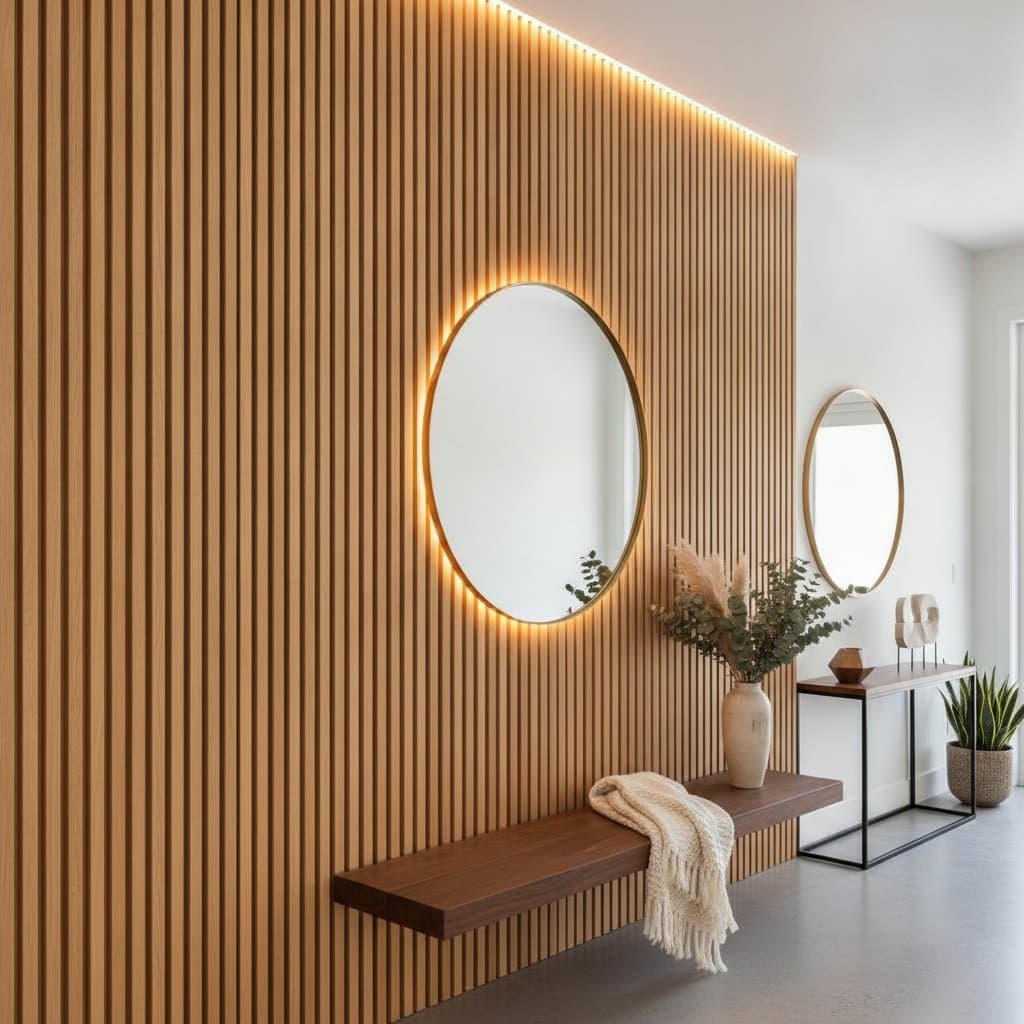
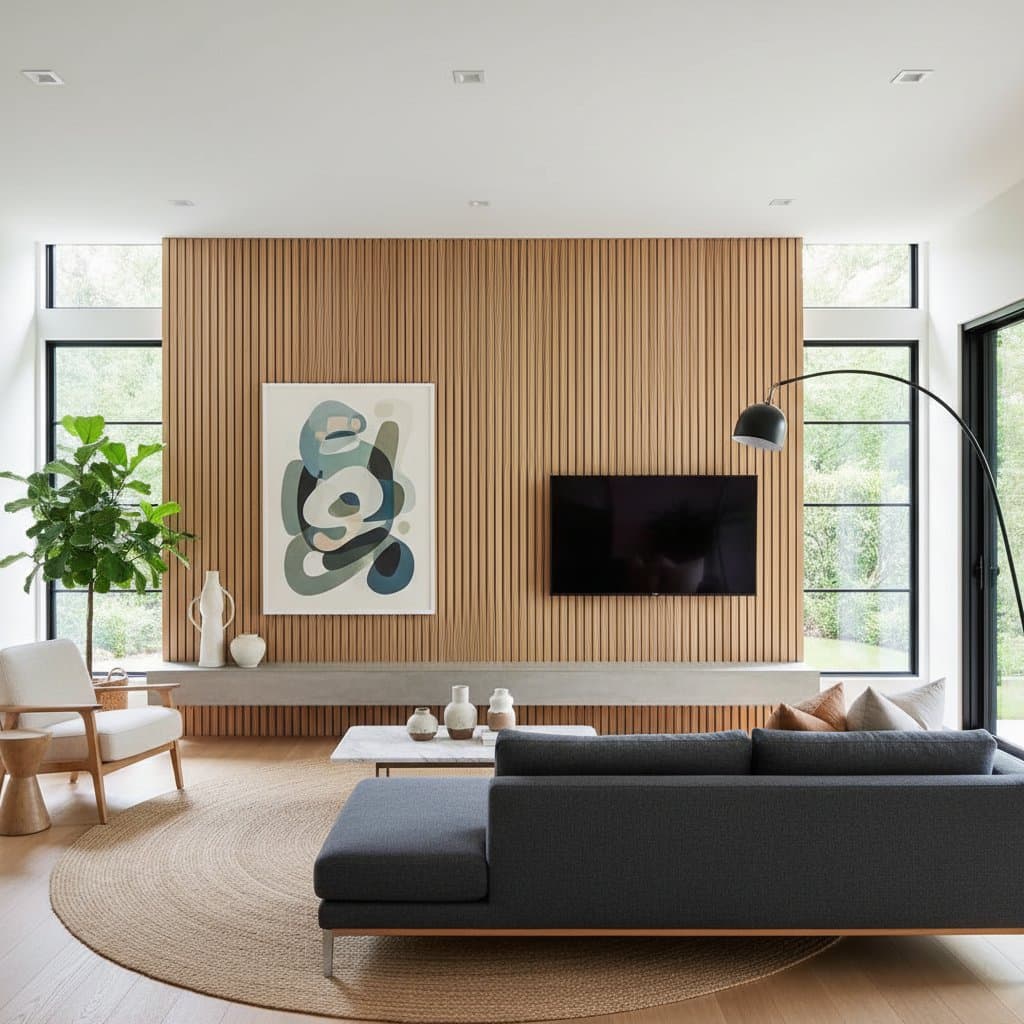
Vertical slat walls reshape perceptions of texture, warmth, and architectural flow within residential environments. Originating as a specialized design accent, these elements now serve as adaptable components suitable for minimalist urban apartments and contemporary rustic residences alike. Their allure stems from the fusion of organic materials and precise lines, fostering an illusion of increased verticality and seamless continuity that turns standard walls into captivating highlights.
Beyond aesthetics, vertical slat walls embody skilled workmanship, material reliability, and principles of spatial perception. The upward alignment guides the gaze, effectively amplifying a room's apparent stature. Constructed from wood, these slats absorb sound effectively and mask surface flaws while accommodating practical integrations like concealed panels or recessed illumination. Applicable as feature walls, spatial separators, or comprehensive coverings, vertical slat walls harmonize aesthetics with utility to align with modern domestic routines.
Selecting Materials: Key Differences and Applications
The selection of materials for vertical slat walls affects visual appeal, longevity, upkeep requirements, and overall expense. Various wood species impart unique traits, while engineered variants broaden creative opportunities.
| Material | Initial Cost | Lifespan | Maintenance | Best For |
|---|---|---|---|---|
| Solid Oak | High | Long | Occasional oiling | Traditional or luxury interiors |
| Walnut Veneer | Moderate to High | Medium | Light dusting and conditioning | Warm, contemporary settings |
| Pine or Cedar | Low to Moderate | Medium | Regular sealing | Rustic or informal spaces |
| MDF with Laminate | Low | Short to Medium | Easy wiping | Cost-conscious installations |
| Composite Wood | Moderate | Long | Minimal upkeep | High-use or humid environments |
Solid Wood Options
Solid wood stands as the premier selection for authenticity. Species such as oak, maple, and walnut deliver inherent grain patterns and depth that develop patina over time. Apply stains for customized hues or preserve the natural finish to showcase raw beauty. Although robust, solid wood responds to humidity fluctuations with minor dimensional shifts; apply protective sealants and ensure adequate airflow to preserve structural integrity.
Veneered and Engineered Alternatives
Veneered panels feature a slender real-wood overlay on a sturdy substrate, replicating the warmth of solid wood at reduced expense. Engineered or composite constructions resist distortion and maintain uniform coloration. These prove ideal for expansive projects or regions with fluctuating moisture levels. Property owners seeking wood-like visuals with simplified care find these materials particularly advantageous.
Vertical Versus Horizontal Slat Configurations
Vertical slat walls lead contemporary designs, yet horizontal arrangements retain relevance in specific scenarios. The decision hinges on intended optical outcomes and practical objectives.
| Orientation | Visual Effect | Space Impact | Best Applications |
|---|---|---|---|
| Vertical | Accentuates height | Expands narrow areas | Living areas, foyers, passages |
| Horizontal | Broadens perception | Highlights expanses | Sleeping quarters, extended halls, lower levels |
Vertical configurations elevate the visual focus, yielding a sleek, structured appearance. Horizontal setups promote serenity and grounding, aligning with classic or mid-century influences. Integrate both directions across a residence to achieve varied emphasis and equilibrium.
Integrating Slat Walls into Everyday Spaces
Vertical slat walls adapt effortlessly to routine use, accommodating diverse stylistic preferences from Nordic simplicity to urban industrial and seaside motifs. Their striated forms interact dynamically with daylight and fixtures, modulating ambiance across daily cycles.
Defining Functional Areas
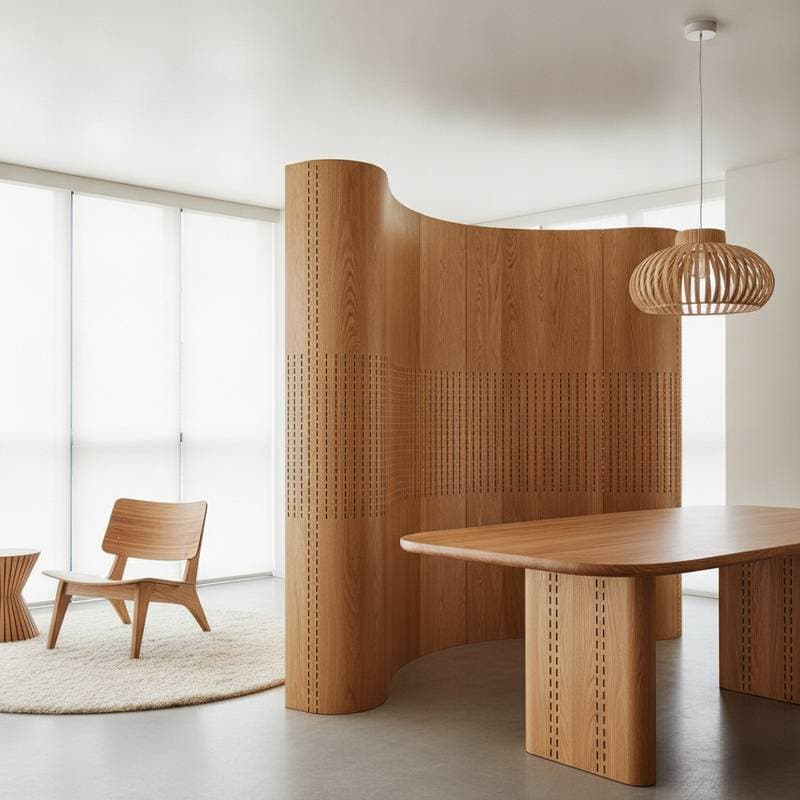
In open layouts, slat walls act as gentle boundaries. Rather than opaque barriers, they preserve sightlines while delineating zones for meals, relaxation, or productivity. This method sustains openness alongside mental delineation, enhancing usability and order.
Pairing with Complementary Elements
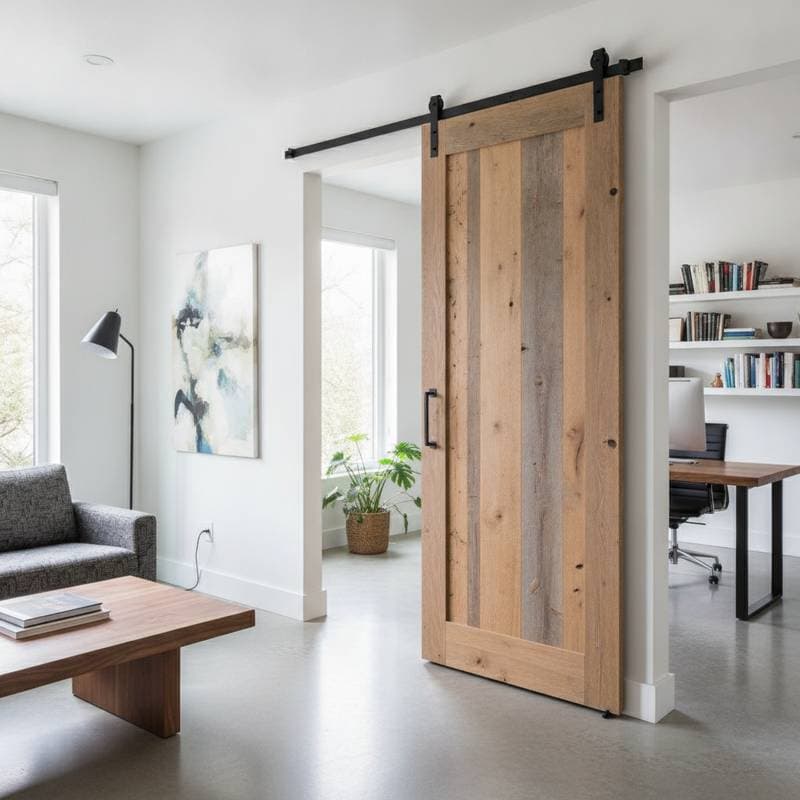
Wood slats harmonize with stone accents, metallic frames, and glazed surfaces. Pair robust oak alongside matte iron or fabric panels for textural equilibrium. Opt for painted slats to echo built-in furnishings or casings, forging cohesive narratives throughout interiors. Conceal mechanisms like gliding panels or embed storage niches behind slats for integrated functionality.
Enhancing with Illumination
Strategic lighting amplifies the slat motif. Position linear LEDs along rear or interstitial gaps to diffuse gentle radiance and underscore relief. Surface-mounted fixtures cast grazing beams, generating shifting shadows. Employ dimmable systems to transition between soothing washes and focused beams according to need.
Sustainability and Adaptability to Environments
Sourced from verified providers, wood slat walls promote ecological responsibility through timber from replenished woodlands. Engineered composites incorporate reclaimed elements and non-toxic binders, minimizing ecological footprints.
Performance Across Conditions
Engineered or treated woods excel in moisture-rich settings by averting expansion. In arid zones, moisturizing applications guard against splits or discoloration. Facilitate air circulation behind installations to avert condensation buildup. Beyond durability, slat walls dampen reverberations naturally, fostering quieter atmospheres without supplemental equipment and supporting overall well-being.
Steps for Successful Installation
Professional assessment precedes any vertical slat wall project to evaluate structural suitability and layout. Measure precisely, accounting for ceiling height and wall dimensions, to order materials accurately. Prepare surfaces by repairing cracks and ensuring level foundations; this prevents alignment issues during assembly.
Engage certified installers familiar with wood handling to secure slats via concealed fasteners, maintaining a clean profile. Budget for permits if altering load-bearing elements, with costs ranging from $50 to $150 per square foot depending on materials and complexity. Post-installation, apply recommended finishes promptly to protect against environmental factors and initiate the aging process.
Realizing the Benefits in Your Interior
Vertical slat walls deliver enduring value through enhanced spatial dynamics, practical enhancements, and material authenticity. Homeowners gain versatile solutions that evolve with personal tastes while promoting acoustic harmony and sustainable practices. Invest in this trend to craft environments that inspire daily comfort and refined elegance.