Smart Glass Emerges: Control Window Tint Precisely in 2026
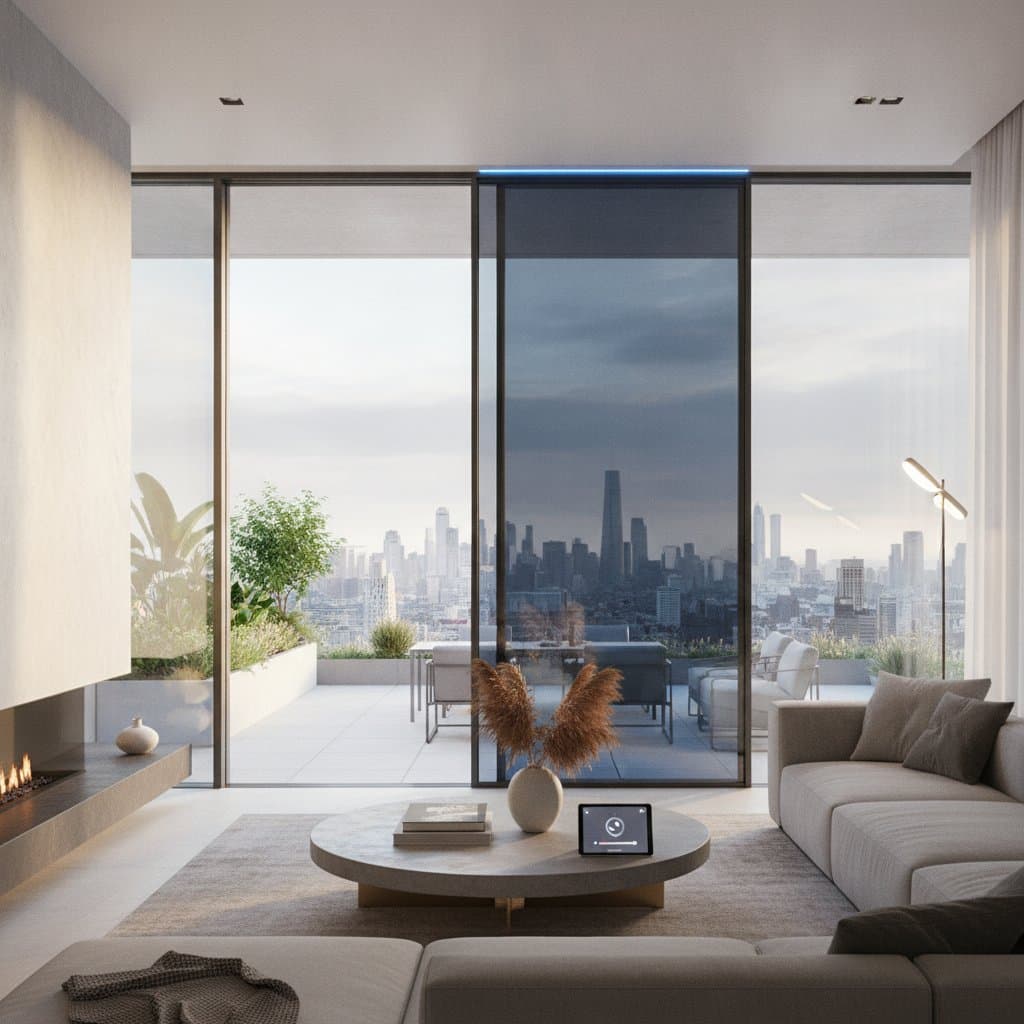
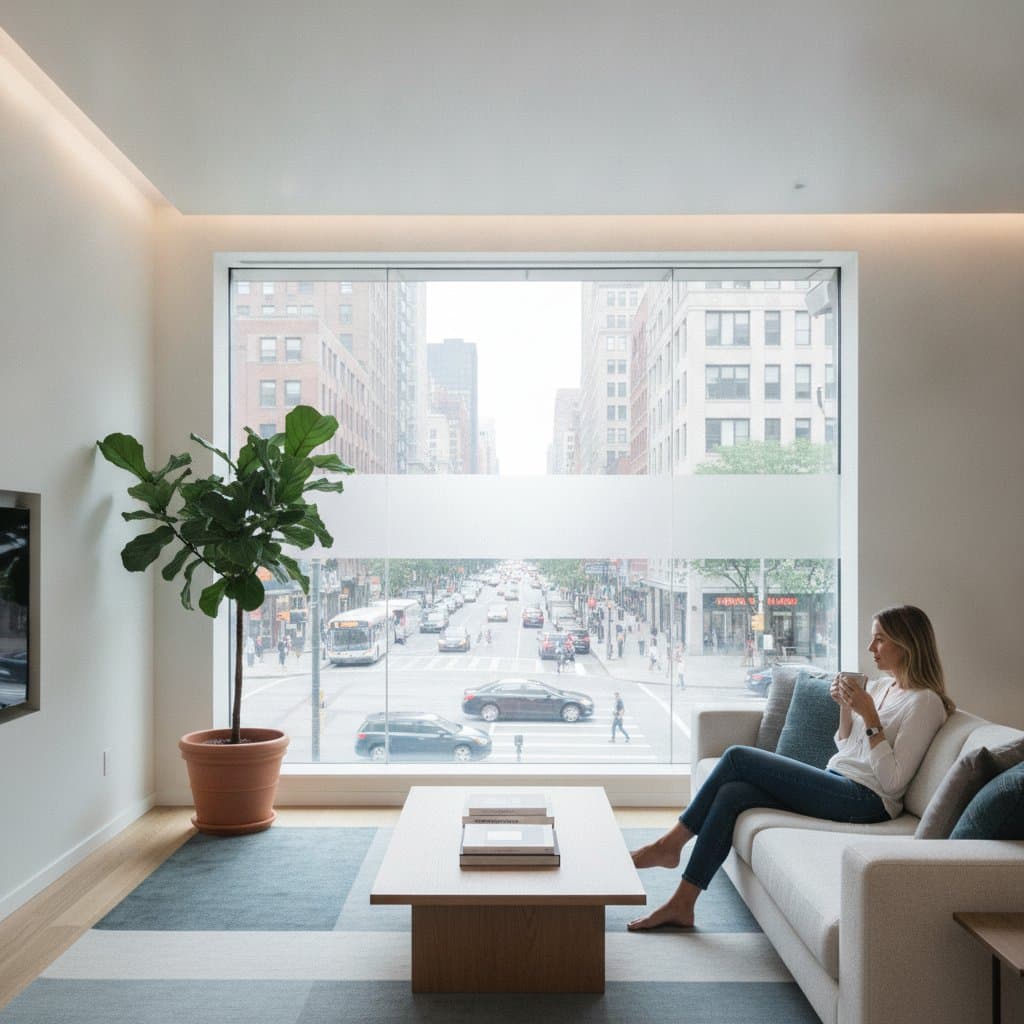
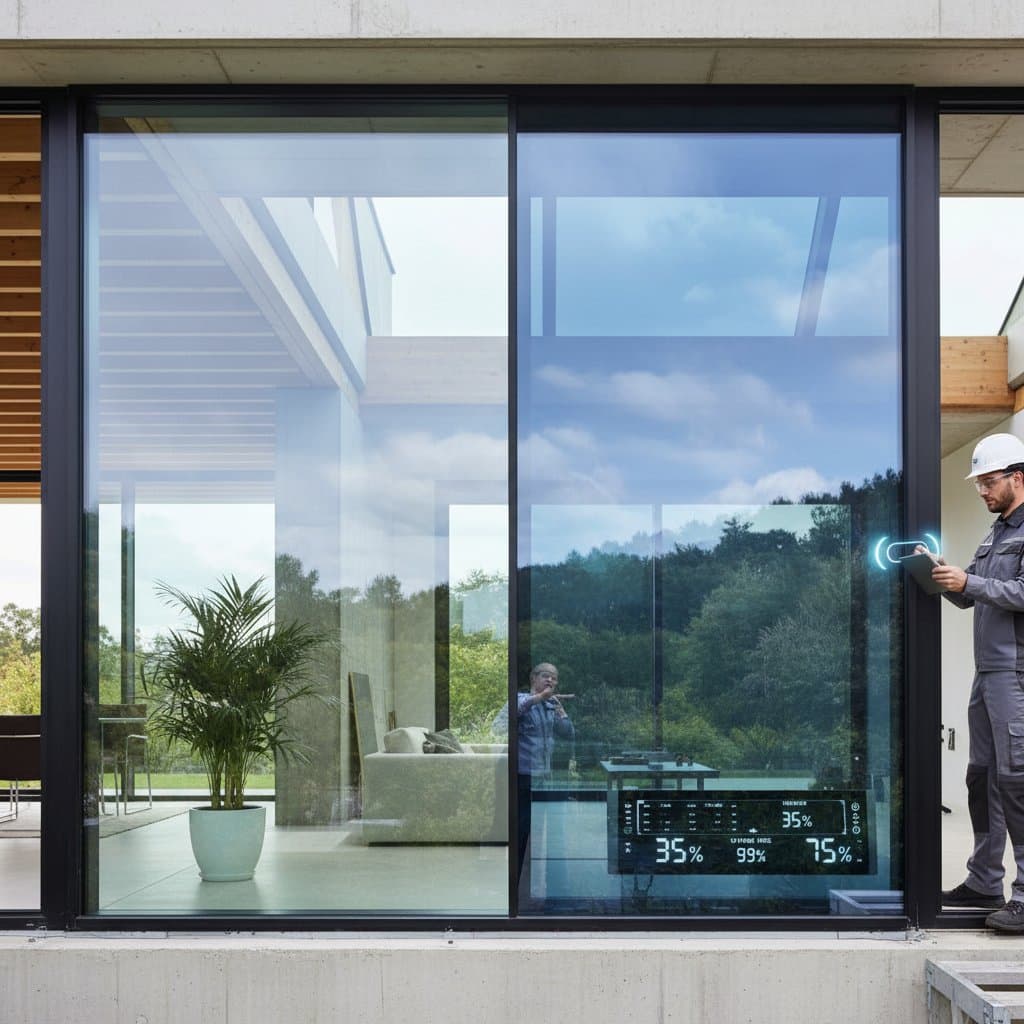
Smart glass technology transitions from experimental idea to practical architectural feature. Known as electrochromic or dynamic glass, this material enables precise control over window tint via simple commands. Homeowners gain the ability to adjust opacity in response to light, achieving optimal privacy, energy conservation, and visual appeal. These advancements integrate high-tech functionality with elegant design, altering the exterior profile of residences.
Design professionals have pursued solutions to minimize glare and heat without sacrificing daylight. Smart glass delivers this balance. It modifies a home's outward presentation while elevating indoor livability. Instant tint adjustments impart a dynamic, contemporary character to facades that shifts with daily light patterns.
Benefits of This Innovation
Smart glass aligns seamlessly with prevailing architectural trends favoring streamlined forms, subdued exteriors, and embedded smart features. Expansive glass areas become feasible without issues like excessive warmth or exposure. Applicable to sleek modern structures or refreshed classic styles, dynamic tinting yields a refined appearance that blends novelty with enduring elegance.
Residents value the fusion of utility and sophistication. Automated tinting removes reliance on blinds or curtains, preserving unobstructed views. It simultaneously boosts thermal efficiency and safeguards furnishings from UV damage. The adaptability suits diverse building styles and weather conditions.
Implementation Strategies
Budget-Conscious Option ($8,000 - $15,000)
Target smaller areas or specific zones for installation. Employ hybrid setups that pair conventional insulated glass with smart inserts in prominent spaces like living areas or foyers.
Prioritize high-sunlight exposures, such as south-facing windows, for smart glass placement. Supplement with low-e coatings or reflective films elsewhere to unify the exterior.
Allocate funds to a robust control interface supporting both manual overrides and automated responses. Limited applications still yield significant gains through effective automation.
Balanced Investment ($16,000 - $32,000)
Equip primary facades with complete electrochromic panels, reserving static glass for low-light sides. Select frames from aluminum-clad wood or fiberglass for thermal superiority.
Link the system to home automation for seamless management of light and seclusion. Incorporate sensors attuned to external illumination or heat levels.
Extend coordination to matching smart doors or transoms. This approach fosters a harmonious, elevated curb presence.
Premium Integration ($33,000 - $70,000)
Apply electrochromic glazing across the entire residence, featuring bespoke frame hues, embedded fixtures, and app- or voice-based operation.
Incorporate oversized panels for fluid glass walls that shift from transparent to shaded. Add responsive skylights to distribute daylight evenly upstairs.
Premium setups include lengthy warranties and diminished ongoing energy expenses. Enhanced interior preservation and resident comfort offset initial outlays over years.
Material Selection Overview
Windows
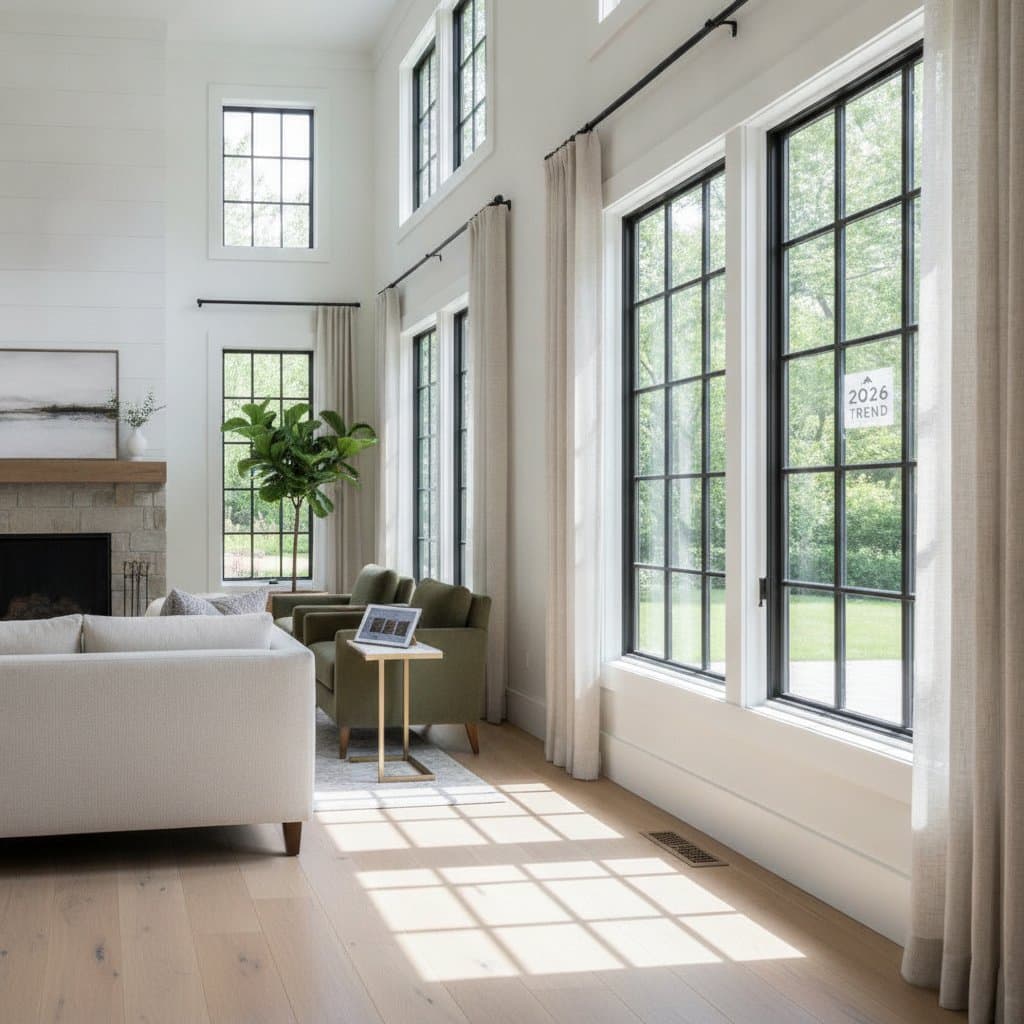
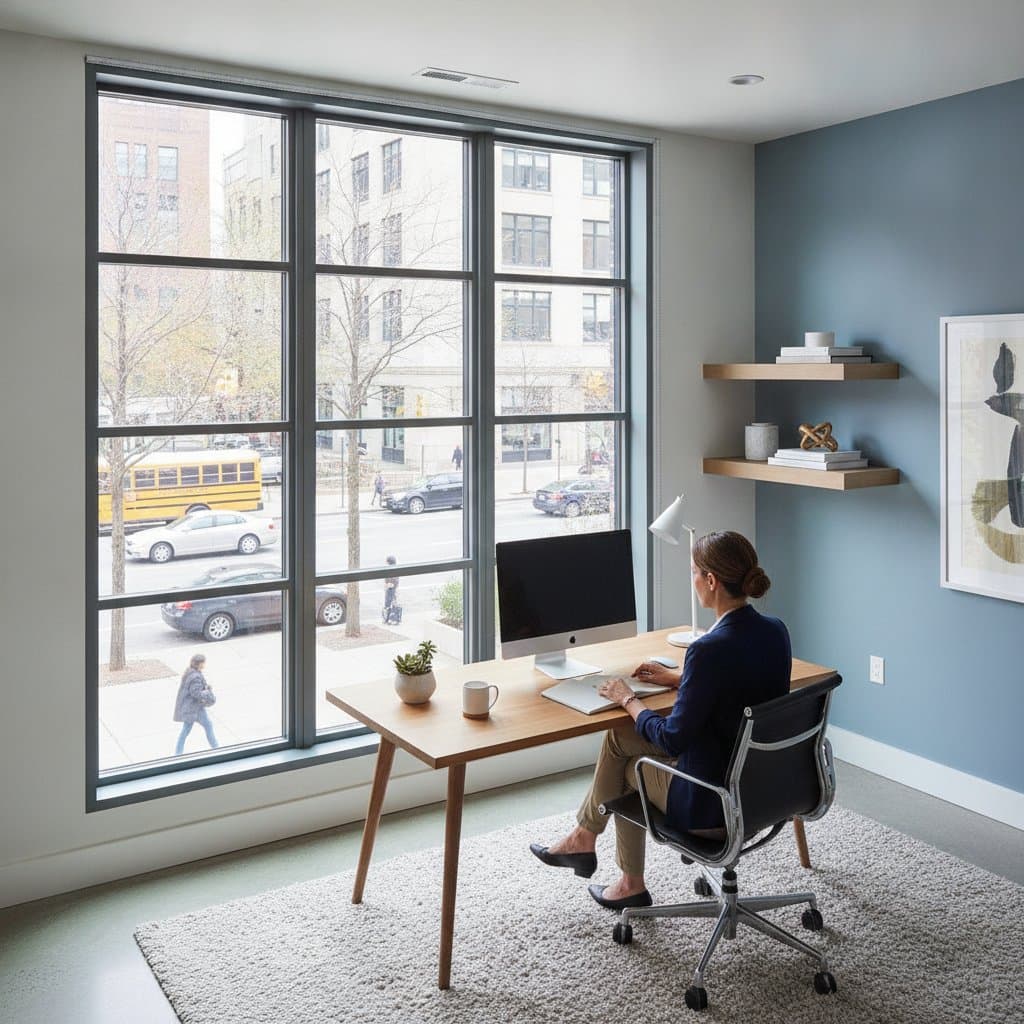
Electrochromic glass alters opacity via low-voltage activation. For contemporary facades, opt for slender black or bronze aluminum frames to accentuate the glass's purity. Interior wood framing introduces coziness in hybrid designs. Match frame colors to siding for cohesion. In moist or seaside locales, choose fiberglass or coated aluminum for resilience.
Tint ranges span clear to neutral gray for modern vibes, or subtle blue hues for serene schemes. Favor discreet hardware like hidden hinges and slim pulls to uphold minimalism.
Doors
Pair smart glass with pivoting or full-glass entry doors using compatible insulated units. Program default opacity for security during outages. Metal or composite frames bolster modernity and weather resistance.
Sliding or bi-fold patio doors maximize the technology's potential, offering clear views or swift shading. Matte black or satin nickel finishes align with varied exterior tones.
Siding
Select siding that amplifies the glass's polish. Smooth fiber cement, vertical timber panels, or metallic highlights integrate effectively. For gentler aesthetics, painted horizontal siding in subdued shades like slate, cream, or soft beige works well.
Introduce textural variety for dimension. Matte surfaces next to the glass's gleam foster equilibrium. In natural-focused homes, UV-treated cedar or composite wood siding ensures tonal consistency.
Trim and Details
Employ slim trim bands in black, gray, or bronze to border glass unobtrusively. In classic settings, painted trim in matching shades eases material shifts.
Select lighting in linear or rounded profiles with aligning metals. Embed sensors for motion or light to sustain efficiency.
Upkeep Essentials
Smart glass demands minimal cleaning compared to standard windows, as internal tinting avoids dust-trapping shades. Use mild glass cleaners for routine surface care. Steer clear of abrasives that could harm conductive layers.
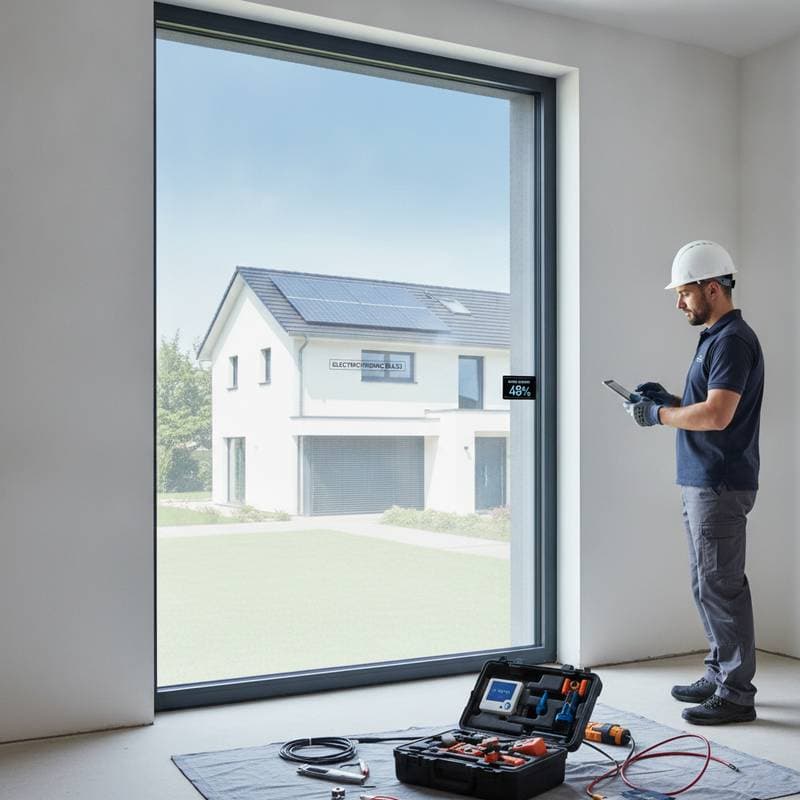
Sealed electronics shield against humidity. Conduct yearly checks on wiring, particularly in wet or corrosive environments. Experts can adjust tint calibration or swap modules as required.
Maintain frames like conventional ones: refinish wood periodically based on exposure. Inspect seals to avert moisture buildup, which impacts function. Proper routines ensure longevity and reliability.
Common Pitfalls to Sidestep
-
Excessive Fixed Tinting: Persistent dark modes undermine adjustability. Default to moderate levels in average light to preserve aesthetics and efficiency.
-
Frame Mismatch: Retaining old frames with new glass disrupts harmony. Refresh or replace select portions for better integration.
-
Amateur Electrical Work: Self-installed systems risk malfunctions. Engage licensed specialists versed in low-voltage setups.
-
Underbudgeting Scope: Low-cost full coverage leads to uneven results. Prioritize quality in focal zones over widespread economy options.
-
Neglected Checks: Overlooked sensor cleaning or seal inspections diminish performance. Schedule regular reviews for consistency.
Palette and Aesthetic Harmony
Smart glass accentuates contemporary styles but adapts broadly. Balance glass properties with adjacent elements for unity.
Suggested Color Schemes
- Graphite Gray: Pairs with dark frames and timber for urban intensity.
- Soft White: Highlights glass shifts against pale stucco or panels.
- Warm Taupe: Suits wood and stone in rustic-modern contexts.
- Cool Silver: Complements metal roofing or accents in sparse designs.
- Deep Navy: Offers bold relief to neutral glass without dominance.
Align reflectivity: matte finishes temper shiny glass; glossy or metallic elements counter subdued tones. Standardize hardware metals like brushed nickel or aged bronze for flow. Reserve mixed finishes for deliberate emphasis.
Pre-Installation Documentation
Photograph your current exterior to preview smart glass effects.
- Secure comprehensive side views to assess scale and shadow play.
- Detail frame, trim, and siding interfaces up close.
- Capture indoor light patterns per room.
- Highlight features like eaves or arbors affecting sun paths.
- Contextualize within neighborhood for style alignment or restrictions.
- Note weather impacts, from sun belts to frost zones.
- Outline funding focuses for maximum impact areas.
These records guide collaborations with professionals and temper expectations on transformations.
Environmental Adaptations
Performance varies by locale. In warm regions, auto-darkening cuts cooling needs; pair with light frames and reflective exteriors. Colder areas benefit from prolonged clear states to capture solar warmth.
Seaside properties require corrosion-proof frames and protected circuits. Dry interiors gain from UV barriers against fading. Humid zones need frame venting to curb fogging.
Verify local codes for electrical glazing integrations prior to proceeding.
Tailoring for Lasting Impact
Smart glass redefines exterior dynamics beyond tech-forward builds. Strategic choices extend its appeal to varied architectures. Variable opacity infuses vitality into static surfaces, promoting responsive living.
Begin with visible spots like entrances or picture windows to demonstrate advantages. Unite with aligned doors, durable siding, and unified hardware for wholeness.
Effective designs merge form and function. Smart glass achieves this through refined visuals and practical gains, suitable for targeted updates or comprehensive overhauls.