Smart Tint Windows: Revolutionize Home Privacy
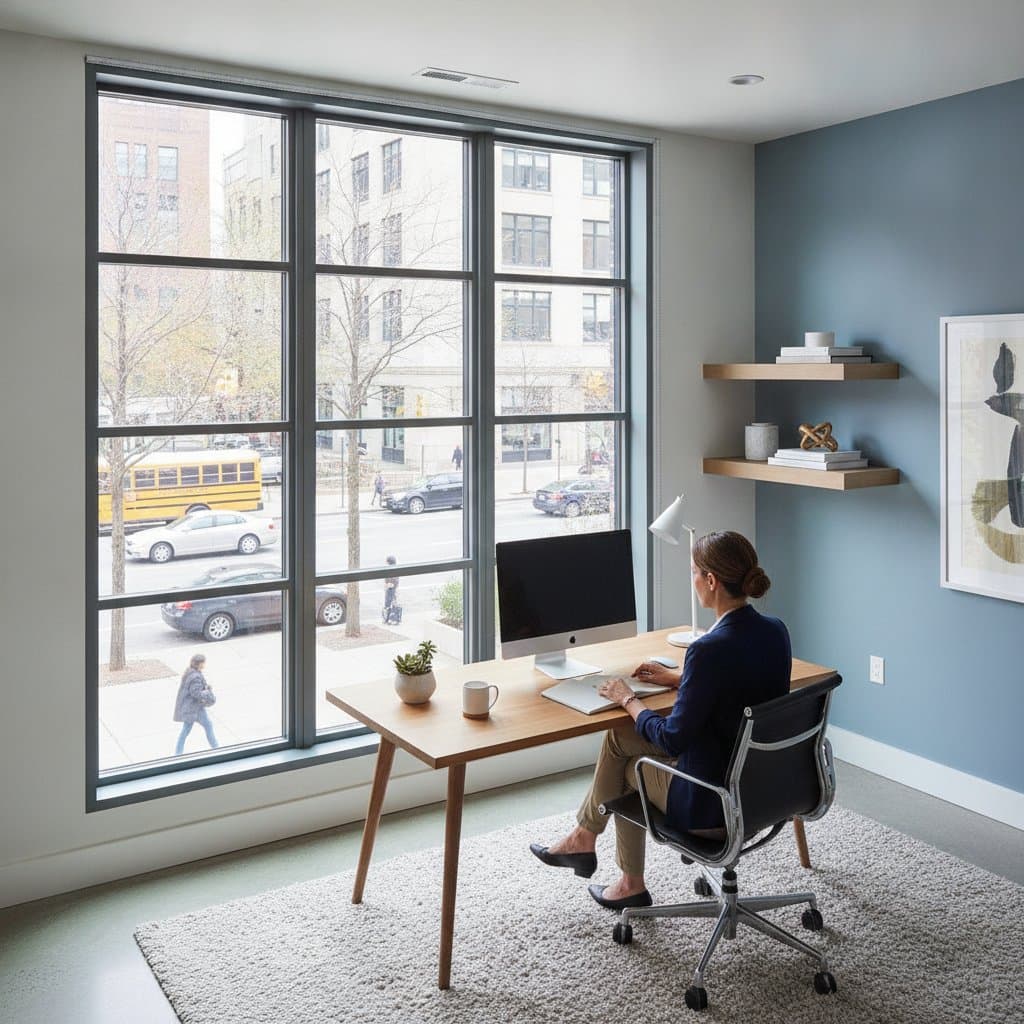
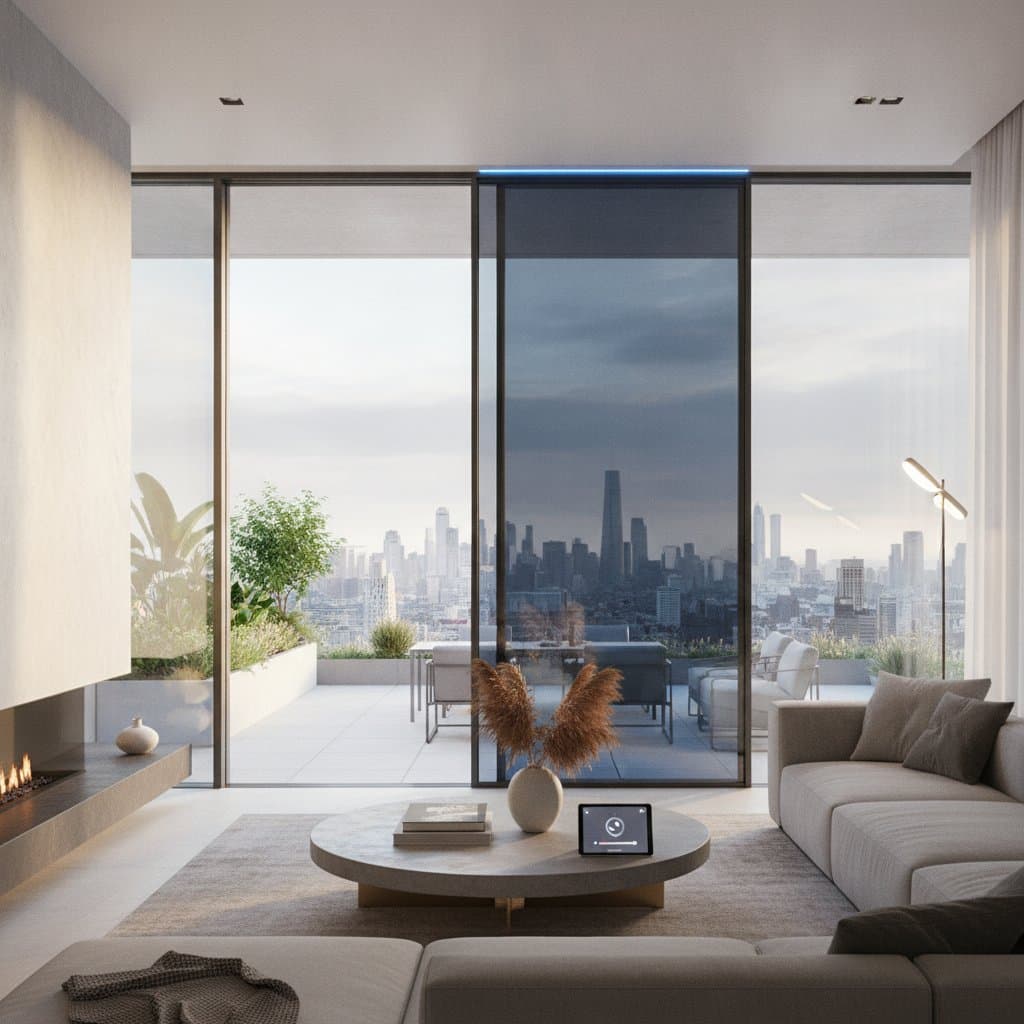
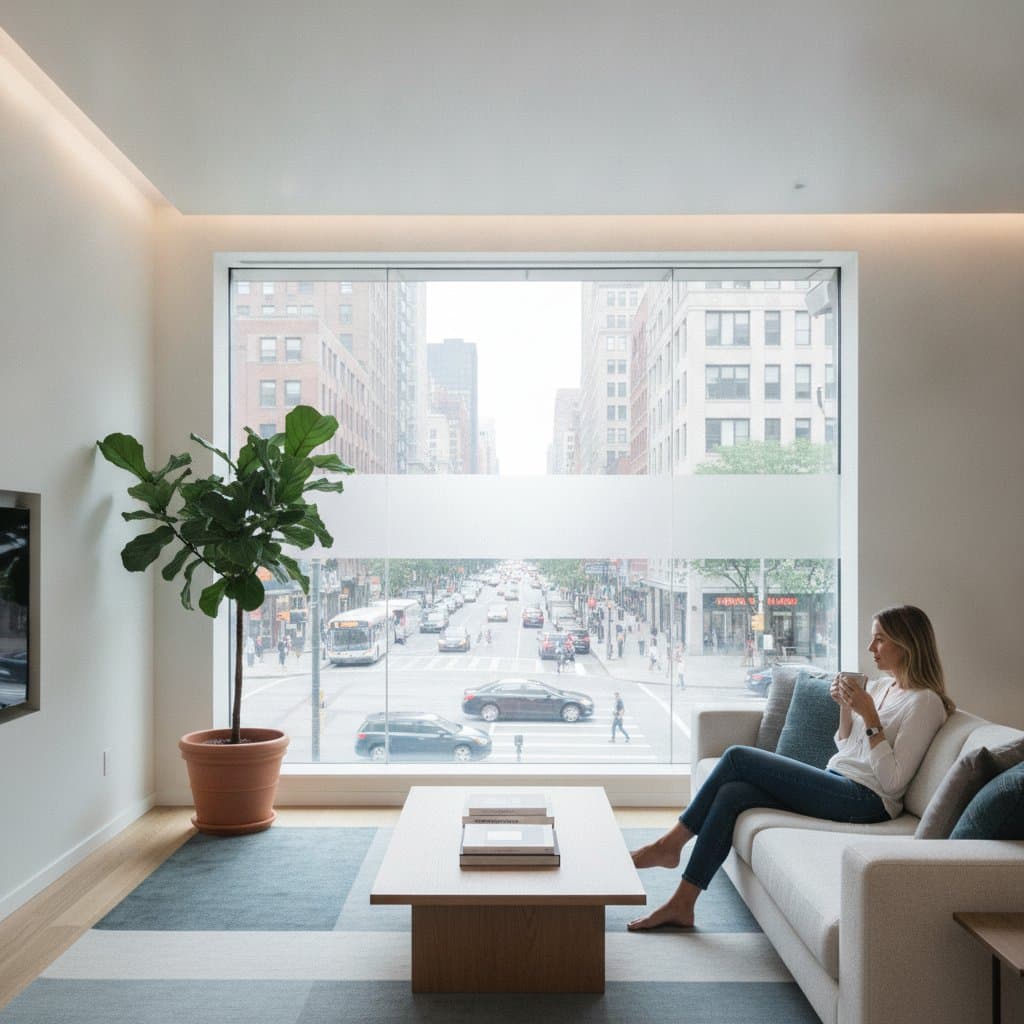
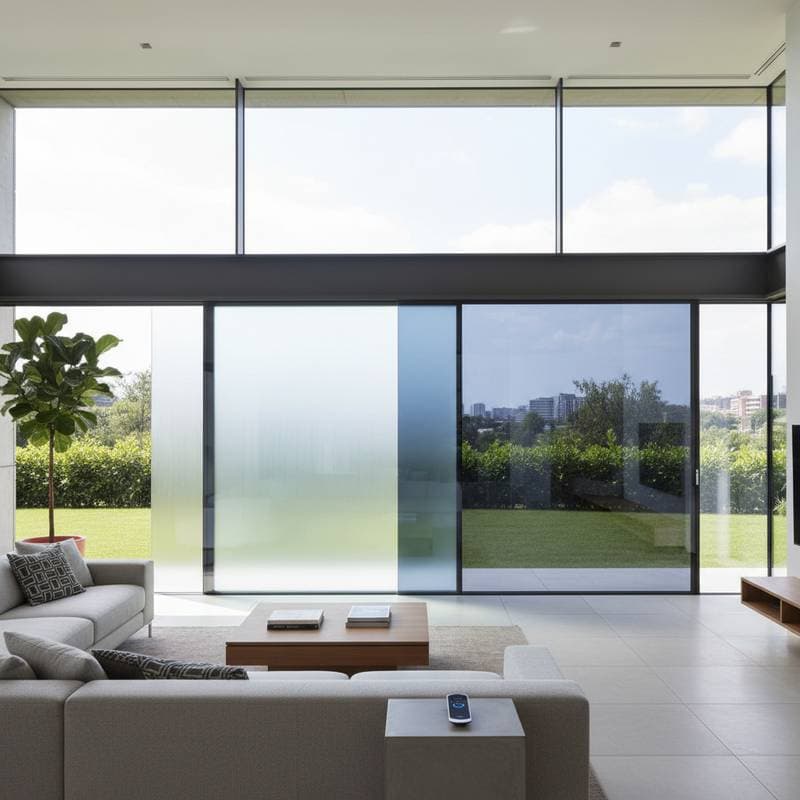
Smart tint windows, also known as electrochromic or dynamic glass, change the way homeowners control privacy, natural light, and indoor comfort. These windows transition from fully clear to deeply tinted with a single button press or voice command, allowing spaces to adapt instantly to needs. This blend of advanced technology and elegant design suits modern minimalist interiors as well as classic architectural styles, providing both functionality and visual appeal.
Three Approaches to Implementation
Budget-Friendly Option ($2,000 - $4,000)
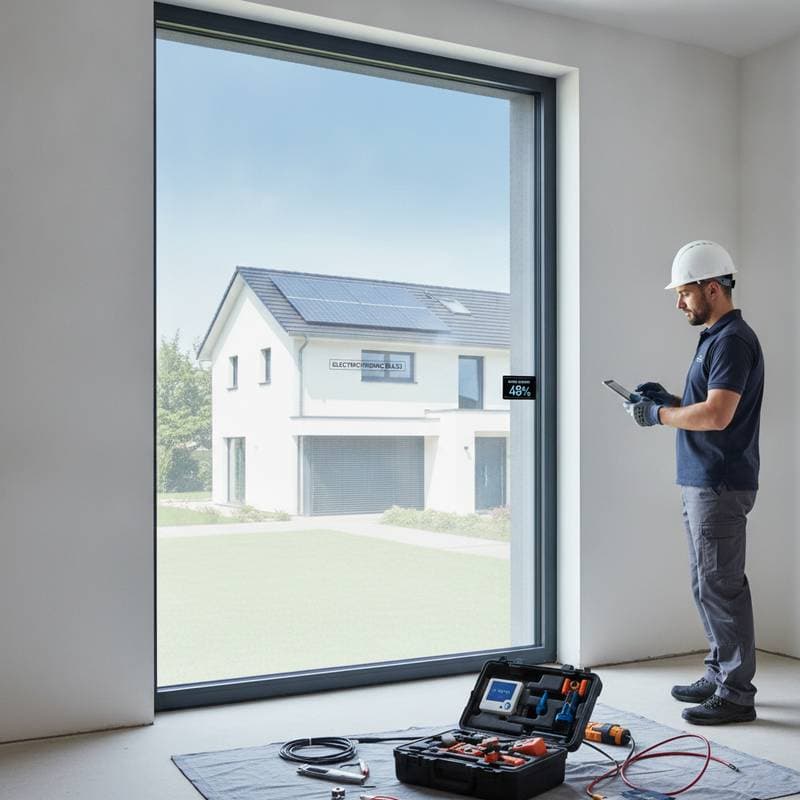
- Apply self-adhesive smart film directly to existing window glass for a quick retrofit solution. Control the tint level using a handheld remote, app, or simple wall-mounted switch.
- Target high-traffic zones like living room windows or entryways to maximize privacy gains without full replacement costs.
- Perform the film application yourself following manufacturer guidelines, but engage a licensed electrician for any necessary wiring to ensure safety and reliability.
Mid-Range Option ($5,000 - $9,000)
- Integrate factory-manufactured smart glass panels during renovations or new builds, replacing standard windows with ones that include built-in tinting capabilities.
- Layer the smart tint with low-emissivity (low-E) coatings to improve thermal performance, blocking heat in summer while retaining warmth in winter.
- Connect the system to a home automation hub like those from major brands, enabling scheduled adjustments based on time of day, occupancy, or weather data for effortless operation.
Premium Option ($10,000 - $20,000)
- Outfit expansive areas such as entire walls of glass or dedicated sunrooms with bespoke electrochromic windows tailored to precise dimensions.
- Select models equipped with light sensors that automatically modulate tint in response to external sunlight, optimizing comfort without manual input.
- Extend the upgrade to complementary smart-tint doors, forming a unified building envelope that enhances energy efficiency and increases property value over time.
Guide to Materials and Finishes
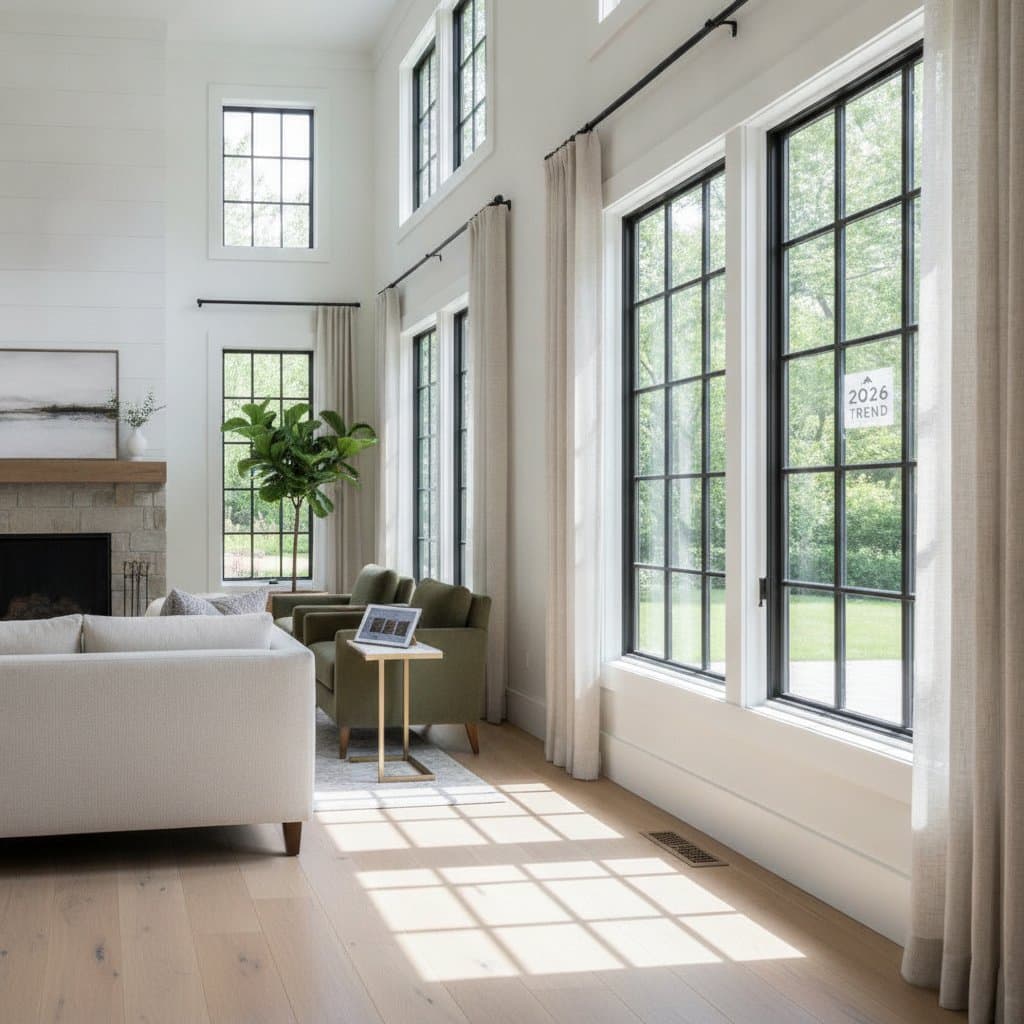
- Windows: Opt for electrochromic panels in framed or frameless configurations. Black or bronze frames enhance sleek, industrial exteriors, while white or almond tones integrate smoothly with traditional woodwork and siding.
- Doors: Incorporate smart tint into glass-paneled entry or interior doors to maintain visibility and security. Program variable opacity levels, such as a soft frost, to allow light while obscuring views from outside.
- Siding: Balance the high-tech glass with durable options like fiber cement or composite panels in neutral shades. Slate gray or warm sand provides a subtle backdrop that highlights the windows' dynamic qualities.
- Trim and Accents: Select hardware in matte black or brushed nickel for a streamlined look. Install low-voltage LED strips around frames to accentuate the tint shift during evening hours, adding ambiance without overpowering the design.
Essential Maintenance Practices
Smart tint windows demand far less upkeep than conventional window treatments like blinds or curtains. Wipe the glass surfaces with a microfiber cloth and mild, non-abrasive cleaner to remove fingerprints or dust. Without mechanical components, these systems experience fewer failures, though adhesive films might require periodic recalibration using the control app to ensure even tint distribution.
Integrated glass units often endure 20 to 30 years with routine care. Schedule yearly inspections of electrical wiring and seals, particularly in high-humidity areas or coastal environments, to prevent corrosion and maintain optimal performance.
Common Pitfalls to Avoid
- Overlooking Expert Wiring for Powered Systems: Connections to your home's electrical grid require exacting standards to avoid hazards. Subpar installations can cause flickering tints or complete system failures, so hire certified professionals familiar with low-voltage integrations.
- Mismatching Tech with Architectural Elements: Combining highly reflective smart glass with textured, rustic siding may disrupt visual harmony. Test samples in situ to confirm compatibility and achieve a cohesive exterior.
- Neglecting Control Panel Accessibility: Position switches or sensors within easy reach, even for hard-to-access upper-level windows. This setup simplifies daily use and allows quick diagnostics if issues arise.
Coordinating Colors and Styles
Harmonious color schemes elevate the impact of smart tint windows. Here are proven pairings:
- Charcoal frames with silver hardware, white siding, and a natural oak door for a modern farmhouse vibe that feels fresh yet grounded.
- Matte black frames accented by cedar details, smoky gray siding, and a glass-paneled door to deliver sharp, contemporary lines.
- Bronze frames alongside cream siding, warm walnut trim, and a frosted glass door for enduring classic charm infused with innovative touches.
Pre-Installation Photography Checklist
Document your home thoroughly to inform smart glass selections:
- Photograph exteriors at various times, from morning sun to dusk, to assess light exposure and shadow patterns.
- Detail roof pitches, window geometries, and current trim hues for accurate matching.
- Survey neighboring homes and check community guidelines or HOA rules on exterior modifications.
- Factor in regional weather, including peak sunlight hours and moisture levels, to choose resilient materials.
- Outline your budget limits and identify priority areas, such as south-facing windows, for targeted upgrades.
Integrating Smart Tint for Lasting Benefits
Smart tint windows merge cutting-edge functionality with enduring aesthetics to create versatile living environments. They minimize glare for better views, secure privacy on demand, and elevate design without added clutter. From affordable films to comprehensive systems, this technology adapts to your routine and climate, delivering sustained comfort and efficiency.