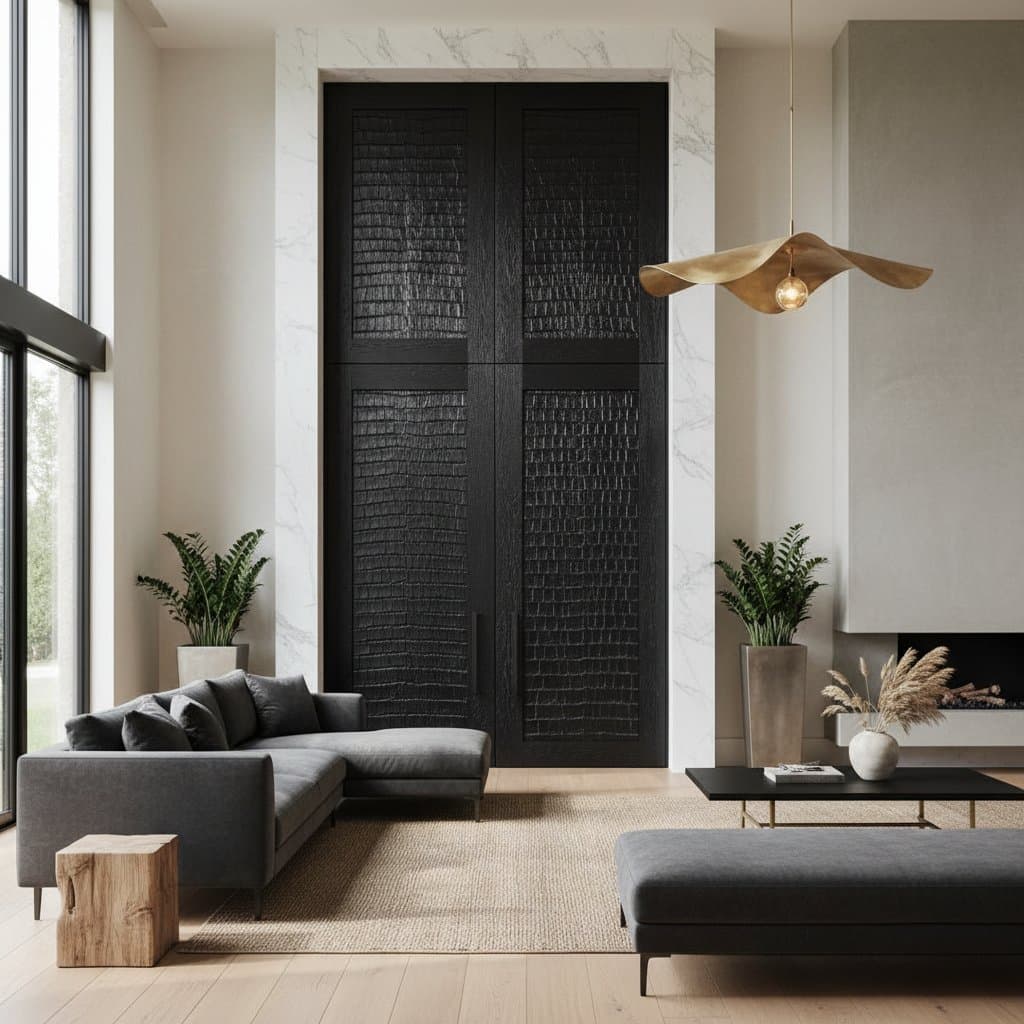
Shou Sugi Ban: The $8 Billion Charred Wood Door Trend
Shou Sugi Ban, a centuries-old Japanese technique for charring wood, has gained significant traction in modern architecture and interior design. Originally developed to preserve exterior siding against harsh weather, this method now enhances interior doors, accent walls, and furniture. The technique produces a striking visual effect combined with exceptional durability, resulting in doors that blend ancient artistry with contemporary appeal. These elements create textured surfaces that add depth and character to any space.
Understanding the Technique
The process starts with exposing wood to controlled flames, forming a carbonized outer layer. This layer shields the material from moisture, insects, and rot. Artisans then brush away loose char and apply natural oils or sealants to deepen the color and refine the texture. Finishes range from deep matte black to subtle silver-gray, influenced by the intensity of brushing and the type of sealant.
Though rooted in practical preservation for outdoor use, the dramatic aesthetics of Shou Sugi Ban have migrated indoors. Treated interior doors integrate effortlessly into rustic farmhouses or sleek urban lofts. The wood's grain shifts appearance under different lighting, offering dynamic patterns that enhance the sense of individuality in each installation.
Selecting Materials for Optimal Performance
Traditional woods such as cypress, cedar, and pine excel in Shou Sugi Ban applications due to their soft fibers, which char uniformly. These species distribute heat evenly, yielding smooth surfaces ideal for brushing and oiling. In contemporary door designs, harder woods like oak, ash, and maple find use, but they demand precise flame control to prevent splits or uneven burning.
Burn depth plays a key role in the wood's functionality. Shallow charring retains more of the original grain and lighter tones, while deeper charring boosts protection against environmental factors. For interior doors, a medium-depth char strikes an ideal balance, providing visual richness alongside a smooth touch. Sealants determine the final sheen, from fully matte to a soft gloss.
Evaluating Options for Homeowners
Homeowners must weigh aesthetics, cost, upkeep, and endurance when selecting Shou Sugi Ban doors. These factors ensure the choice aligns with both style preferences and practical needs.
| Option | Initial Cost | Lifespan | Maintenance | Best For |
|---|---|---|---|---|
| Light Char | Moderate | Long | Occasional oiling | Subtle texture in lighter spaces |
| Medium Char | Higher | Very Long | Minimal | Balanced look and strength |
| Deep Char | Highest | Very Long | Rare touch-ups | Dramatic impact in modern settings |
Shou Sugi Ban doors command a premium over painted or stained alternatives, yet their extended service life and low upkeep often recoup the investment. The carbonized exterior resists color fading and surface scratches, with simple oil applications restoring any minor wear.
Crafting Charred Wood Doors: Step by Step
-
Planning and Selection
Choose the wood species and target char level based on the room's lighting and color scheme. Examine physical samples in the actual space to confirm compatibility. -
Surface Preparation
Sand the boards thoroughly and remove any contaminants that could disrupt even charring. Preheating the wood ensures consistent heat absorption. -
Burning Phase
Apply flame using a torch or controlled burner, adjusting intensity to achieve the planned depth. Cool the surface immediately after, then brush to expose the underlying texture. -
Inspection for Consistency
Check the entire door for uniform charring and no vulnerabilities in the carbon layer. Even brushing maintains protective integrity across all areas. -
Finishing and Installation
Seal with oil or a compatible finish to lock in the appearance. Post-installation care involves gentle wiping; reapply oil every few years to preserve vibrancy.
Integrating into Daily Living and Design
Shou Sugi Ban adds more than durability; it brings a sensory quality to interiors through its light-diffusing surface. This creates soft shadows and accents that enrich minimalist environments without added decoration. In classic settings, the finish harmonizes with stone elements, metals, and subdued fabrics.
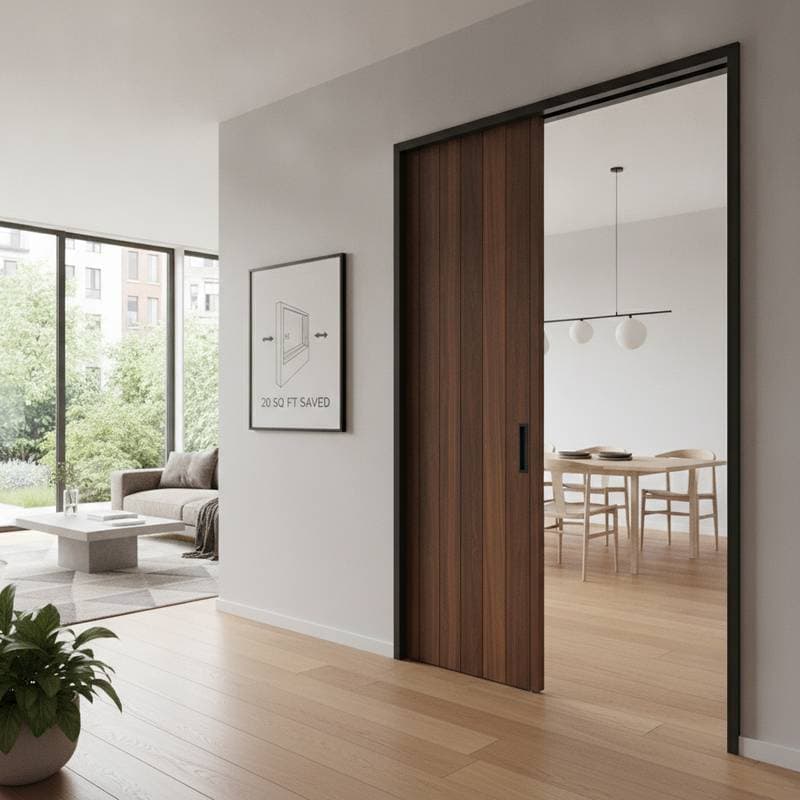
For households desiring warmth amid simplicity, these doors function as focal points. They ground open-plan areas, providing contrast to materials like polished concrete or expansive glass. The dark patina defines transitions between rooms subtly, eliminating the need for elaborate framing or fixtures.
Sustaining Performance Over Time
Installed Shou Sugi Ban doors demand little ongoing attention. The carbon coating naturally repels dirt and humidity, preventing the flaking common in painted surfaces. Dust with a soft cloth routinely, and refresh oil finishes as needed to sustain depth and subtle glow. With diligent care, these doors endure far beyond standard wood treatments, often spanning generations.
Making the Right Choice for Your Space
Assess your interior's lighting, wall hues, and floor materials when considering Shou Sugi Ban. Lighter chars enhance airy, Nordic-style rooms, whereas deeper ones amplify industrial or futuristic vibes. Factor in your timeline at the property; the enduring value rewards long-term residents with minimal future costs.
Professional installation ensures precision, maximizing both beauty and function. Consult experts to match the technique to your vision, securing doors that elevate daily life through timeless craftsmanship and resilience.