Reclaimed Barn Doors: A $2B Sustainable Trend in 2025
The surge in reclaimed barn doors reflects a broader shift toward sustainable design practices. Homeowners and interior designers increasingly select these doors for their unique textures, historical narratives, and low environmental impact. As sustainable materials gain prominence in construction, reclaimed barn doors combine visual appeal with responsible sourcing, suiting both rustic farmhouses and sleek contemporary residences.
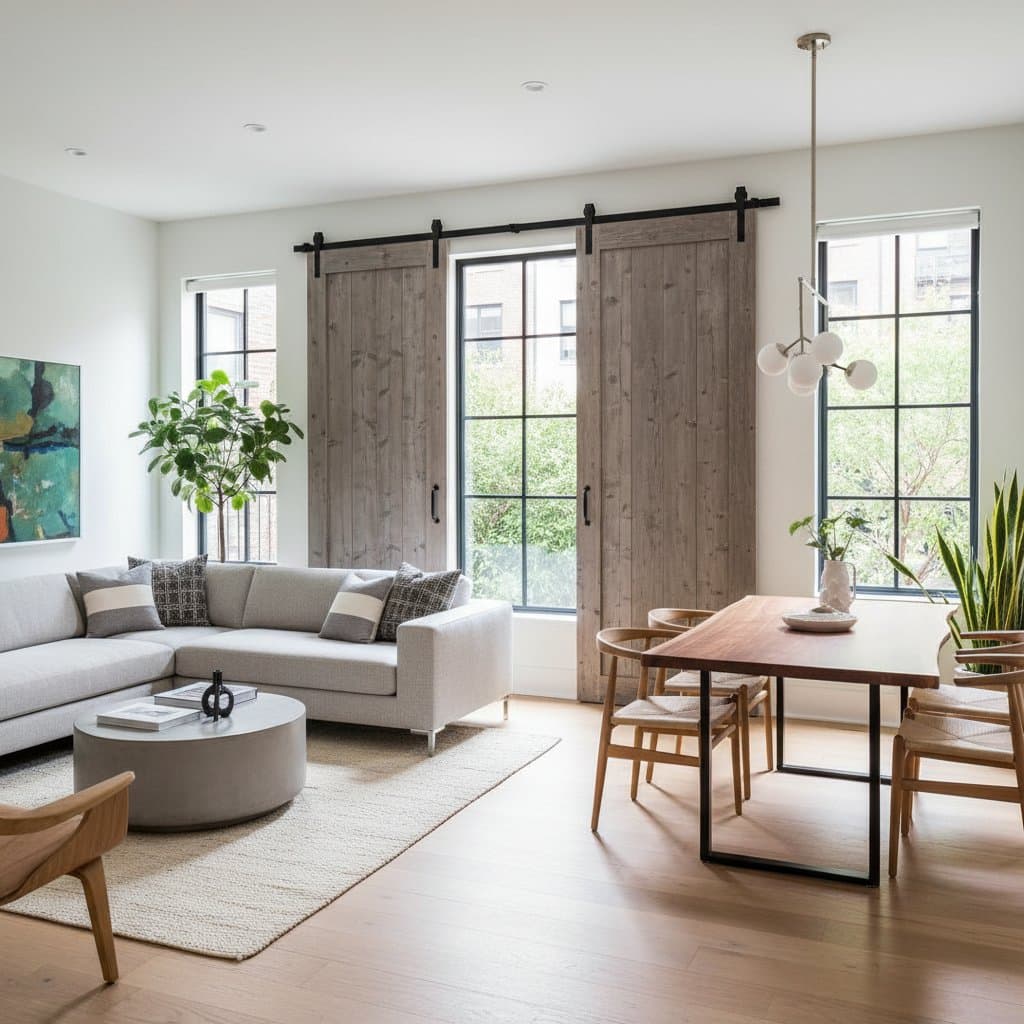
These doors provide a level of warmth and artisanal quality unmatched by mass-produced alternatives. Each piece bears marks from its original use, such as weathered grains or subtle imperfections, which infuse spaces with character and depth. Designers install them as sliding room dividers, wardrobe closures, or prominent entry points, anchoring modern interiors with natural elements and purposeful sustainability.
Selecting Materials and Coordinating Finishes
Choose reclaimed barn doors crafted from salvaged barn wood, such as oak or pine, to ensure authenticity and durability. Opt for doors with natural variations in color and grain to highlight their heritage. For enhanced longevity, select pieces treated with eco-friendly sealants that protect against wear while preserving the wood's organic appearance.
Integrate these doors seamlessly with surrounding elements for a cohesive look. Pair them with black metal-framed windows to create striking contrast, or select bronze casement frames to echo the wood's warm undertones. Steer clear of bright white trim, as it may clash with the doors' aged patina; instead, use soft gray or beige tones for harmony.
For exterior alignment, match the doors with siding in earth-inspired hues, like natural cedar or fiber cement in muted grays. Board-and-batten siding works particularly well, mirroring the vertical lines of barn door panels. Hardware choices further refine the aesthetic: matte black or oil-rubbed bronze hinges and tracks maintain a grounded feel, while brushed nickel options introduce subtle modernity in upscale settings.
In smaller areas, pocket-style barn doors offer the reclaimed look without needing extra wall space for sliding. Always verify that hardware supports the door's weight, typically 100 to 200 pounds per panel, to prevent sagging or operational issues.
Common Pitfalls to Avoid
Proportion plays a critical role in successful installations. Doors that exceed room dimensions can overwhelm the space; measure wall widths and ceiling heights carefully to select panels that scale appropriately, such as 36-inch widths for standard openings.
Low-quality hardware poses another risk, as inexpensive tracks may buckle under heavy loads. Invest in heavy-duty systems rated for at least 250 pounds, complete with anti-jump rollers for smooth gliding.
Unsealed reclaimed wood invites problems like moisture absorption and discoloration. Apply a penetrating oil or polyurethane sealant prior to hanging, allowing 24 hours for curing to form a protective barrier.
Inconsistent finishes disrupt visual flow. Limit variations to two or three wood tones, and unify metal elements with a single finish family, such as all aged brass, to avoid a disjointed appearance.
Preparing with a Photography and Planning Checklist
Document your home's existing features before purchasing reclaimed barn doors. High-quality photos aid in assessing fit, lighting effects, and material pairings, guiding decisions that enhance overall design.
Essential checklist for homeowners:
- Take wide-angle shots of the building facade, doorways, and connecting rooms to evaluate scale and layout.
- Photograph close-ups of existing trim, window frames, and siding to match textures and colors accurately.
- Highlight key architectural details, including roof pitches, porch railings, or masonry elements, for style compatibility.
- Review any community rules or homeowners association policies on materials and colors to ensure compliance.
- Note environmental influences like regional humidity levels, direct sunlight hours, or exposure to coastal salt.
- Establish a detailed budget, allocating portions for wood, hardware, sealants, and professional installation.
These steps empower collaboration with suppliers or contractors, resulting in recommendations that align reclaimed doors with your home's unique context.
Adapting to Regional Climates
Reclaimed wood responds variably to local conditions, influencing selection and maintenance. In dry deserts, anticipate slight contraction; use adjustable mounting brackets to accommodate up to one-quarter-inch changes without stress on the frame.
Coastal areas require robust protections against corrosion. Apply marine-grade sealants and pair with stainless-steel hardware to resist salt buildup and extend service life beyond 20 years.
High-humidity zones, such as the Southeast, call for ventilation strategies. Install dehumidifiers near doors or ensure airflow to minimize expansion and mold growth; reclaimed pine, for example, may swell by one-eighth inch in wet seasons.
Colder climates experience seasonal shifts, with wood expanding in warmth and contracting in frost. Build in one-eighth-inch gaps around panels during installation to allow natural movement without warping.
Tailor finishes to these factors: UV-resistant coatings shield against sun bleaching in sunny locales, while vapor-barrier sealants prevent water damage in rainy regions. Consult regional woodworkers for insights into local wood behaviors, supporting both sustainability and performance.
Budgeting for Enduring Investment
Strategic choices maximize the value of reclaimed barn doors. Budget-conscious buyers might blend engineered cores with genuine reclaimed facings, achieving an authentic look at 40 to 60 percent of full-solid costs.
Mid-tier options include custom distressing and reinforced tracks, delivering premium aesthetics for around $800 to $1,500 per door. High-end selections, using century-old barn timbers, range from $2,000 upward but boost property appeal through superior craftsmanship.
Factor in ancillary expenses: professional installation averages $300 to $600, hardware adds $200 to $400, and finishing supplies cost $50 to $150. For DIY projects, reinforce wall studs to bear 300 pounds and level tracks precisely with a laser guide.
The enduring nature of reclaimed wood justifies the investment. It develops patina over time, unlike laminates that fade, ensuring design relevance and reducing future expenses. Homes with these features often see a 5 to 10 percent uplift in market value due to their eco-friendly and distinctive qualities.
Integrating for Lasting Harmony
Reclaimed barn doors bridge past and present, embedding sustainability and artistry into everyday spaces. They transform functional elements into focal points that narrate a home's story while honoring environmental stewardship.
Through precise coordination of scales, finishes, and upkeep routines, these doors elevate interiors and exteriors alike. Homeowners gain not only aesthetic elevation but also a resilient investment that aligns with evolving design priorities.