Barn Door Hardware: The 78% Sales Surge in Early 2025
Home design trends shift dynamically, blending past influences with current needs. Barn door hardware exemplifies this evolution, transitioning from rural utility to a hallmark of adaptable, stylish interiors. The 78% sales increase signals a broader movement toward flexible spaces, inclusive design, and hands-on craftsmanship that elevates daily living.
Redefining Doors for Modern Spaces
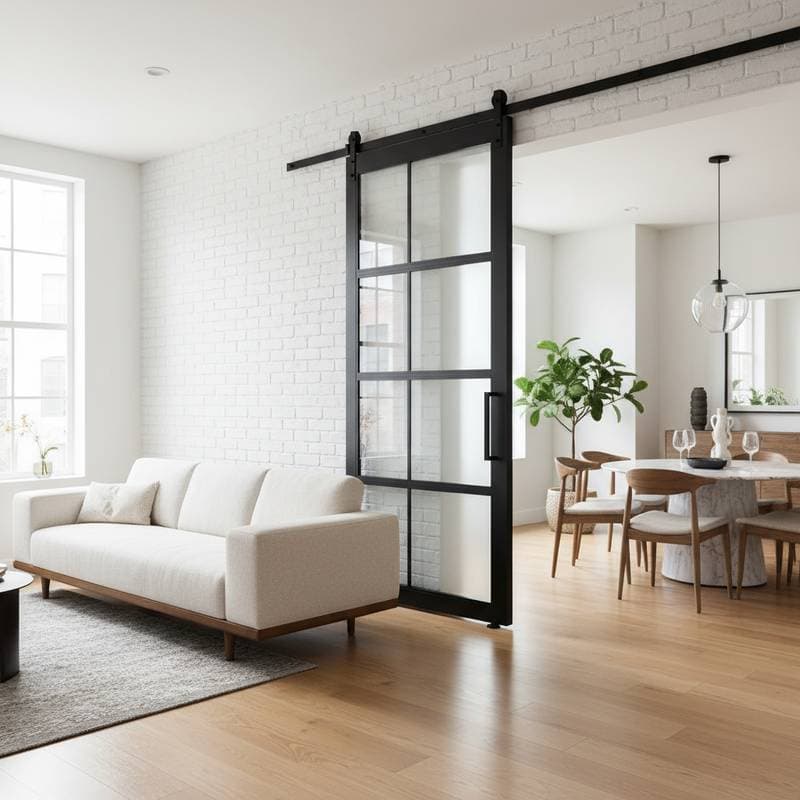
Barn doors extend beyond traditional farmhouse applications. Their sliding mechanism suits tight areas, open layouts, and room dividers effectively. Architects pair refined metal rails with simple panels, glass elements, or contemporary coatings to match diverse aesthetics.
This popularity arises from the balance of utility and appeal. Sliding doors introduce motion and dimension to flat surfaces, transforming entrances into focal points. Homeowners favor them in remodels, constructions, and commercial settings for streamlined, versatile configurations.
Modern Industrial: Bold Structure Meets Everyday Comfort
Modern industrial designs incorporate barn door hardware with unrefined materials and deep tones. This approach channels city vitality alongside inviting warmth. Examples include matte black rails on light walls or aged wood panels over smooth concrete.
Implementation Options
Budget Option ($150 - $500)
- Select prefinished MDF or composite wood panels with flat designs.
- Install powder-coated steel kits featuring standard hangers and visible wheels.
- Position a single prominent door to maximize effect with minimal expense.
Standard Option ($600 - $1,200)
- Choose solid pine or oak with pronounced grain for depth.
- Incorporate soft-close mechanisms and hidden rail covers for fluid motion.
- Include unified pulls in brushed nickel or patina bronze for harmony.
Premium Option ($1,300 - $3,000)
- Order bespoke hardwood panels with embedded glass or metal details.
- Employ robust stainless steel systems suited for frequent use and oversized doors.
- Explore dual-rail configurations for broad entries or reflective surfaces to amplify space.
Essential Materials and Finishes
- Rails: Black steel for drama, brushed nickel for restraint, brass for subtle glow.
- Panels: Salvaged wood for character, sleek maple for simplicity, glass for illumination.
- Hangers and Rollers: Open-wheel designs add edge; hidden versions ensure polish.
- Add-ons: Fit end stops, rail caps, and surface guides for completeness.
Upkeep Essentials
Clean metal rails regularly to avoid grit accumulation. Dust rollers with a soft cloth and tighten fasteners quarterly. Polish wood surfaces periodically and seal as needed to preserve integrity. Steer clear of abrasive cleaners that erode coatings or varnishes. With correct setup and care, these installations endure for years.
Common Pitfalls to Sidestep
- Excessive Panel Weight: Overload strains lightweight rails; verify capacity ratings.
- Alignment Issues: Off-kilter mounts cause binding; level all components.
- Space Oversights: Confirm adequate clearance for full extension.
Modern Farmhouse: Timeless Rustic with Contemporary Polish
The modern farmhouse style advances by fusing organic elements with subdued schemes. Barn door hardware aligns seamlessly, evoking heritage while delivering crisp execution. Pair white plank walls, dark rails, and muted wood for enduring appeal.
Implementation Options
Budget Option ($200 - $600)
- Use hollow-core panels with veneer overlays mimicking wood.
- Equip with basic kits in matte black or darkened bronze.
- Feature one door at a utility entry for understated charm.
Standard Option ($700 - $1,400)
- Opt for genuine pine or textured alder with brace patterns.
- Integrate ball-bearing rollers for hushed operation.
- Apply consistent hardware across doors for unified rhythm.
Premium Option ($1,500 - $3,500)
- Source custom oak or walnut with artisanal coatings.
- Attach ornamental straps, forged pulls, and secure latches.
- Deploy paired doors for expansive kitchen-to-dining transitions.
Essential Materials and Finishes
- Rails: Darkened bronze or aged brass for inviting depth.
- Panels: Wood shades from golden oak to faded gray.
- Wall Features: Enhance with plank siding or lime-washed panels.
- Borders: Employ sharp white or ivory frames for balance.
Upkeep Essentials
Seal wood edges against moisture fluctuations. Refresh protective layers biennially to avert fading. Bronze elements gain patina naturally; polish selectively or embrace the evolution. Consistent attention sustains the style's genuine essence.
Common Pitfalls to Sidestep
- Exposed Wood: Untreated surfaces warp; seal thoroughly prior to fitting.
- Finish Clashes: Varied metals fracture harmony; select unified tones.
- Excess Details: Overabundant elements clutter the serene vibe.
Contemporary Minimalist: Effortless Flow and Precision
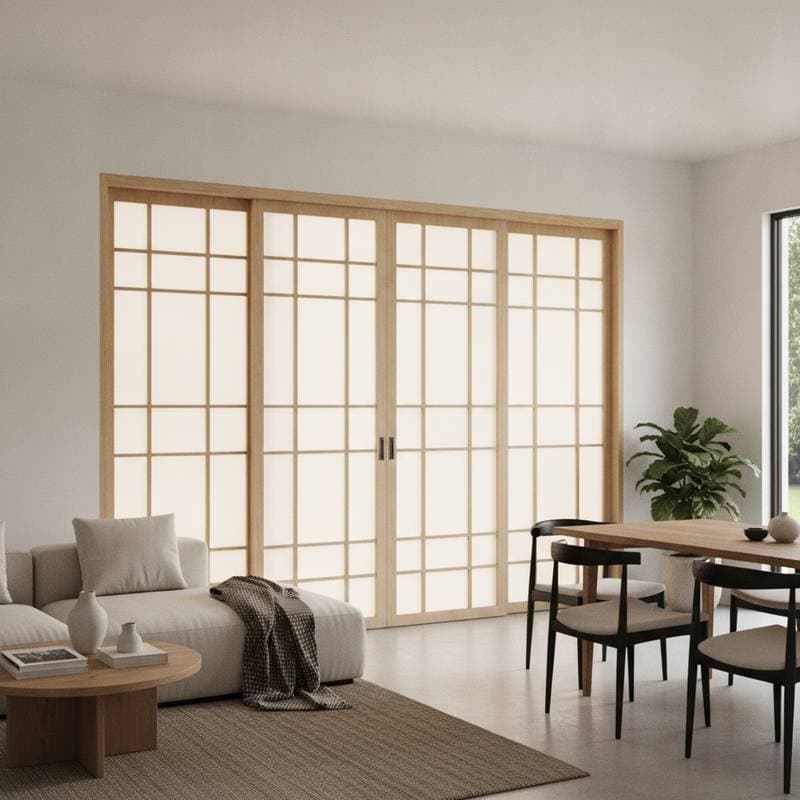
Minimalist environments emphasize unadorned planes, soft hues, and purposeful form. Barn door hardware advances this by removing swing arcs and easing passages. The outcome fosters tranquility where details matter profoundly.
Implementation Options
Budget Option ($250 - $600)
- Install unadorned white MDF with recessed or slim rails.
- Fit brushed aluminum sets for refined subtlety.
- Minimize exposed parts against neutral backdrops.
Standard Option ($700 - $1,500)
- Use glass laminates or light veneers in ash or pale oak.
- Add damping closers and subsurface guides for ease.
- Incorporate slender grips over bulky hardware.
Premium Option ($1,600 - $4,000)
- Design tall panels with ceiling-integrated rails.
- Select high-precision stainless systems for whisper-quiet travel.
- Merge with translucent glass for balanced seclusion and brightness.
Essential Materials and Finishes
- Rails: Brushed aluminum, bright chrome, or coated white.
- Panels: Veneered flats, etched glass, or glossed composites.
- Surfaces: Gentle grays, warm whites, or beiges.
- Edges: Favor slim lines or gaps over thick surrounds.
Upkeep Essentials
Spotless conditions amplify every aspect in sparse settings. Clear tracks of dust and realign rollers routinely. Clean glass with non-streaking solutions and soft fabrics. Buff metals lightly to sustain luster. Fewer components simplify care, provided initial placement proves exact.
Common Pitfalls to Sidestep
- Exposed Hardware: Screws mar sleekness; hide them fully.
- Surface Irregularities: Uneven bases undermine precision; level foundations.
- Noise Gaps: Slender panels transmit sound; add seals for isolation.
Harmonizing Colors and Aesthetics
Consistent schemes integrate barn doors into broader interiors. Industrial areas blend deep charcoals, raw oaks, and pale whites. Farmhouse benefits from soft creams, warm timbers, and ebony highlights. Minimalist thrives on subdued grays, faint woods, and satin metals. Uniformity across elements ensures doors enhance rather than isolate.
Recommended Palette
- Deep Charcoal - Ideal for rails and edging accents.
- Aged Oak - Versatile connector between eras.
- Gentle White - Brightens walls and frames.
- Satin Nickel - Provides measured metallic touch.
- Subtle Gray - Versatile base for mixed materials.
Such selections promote seamless room progression.
Space Documentation Guide
Photograph areas thoroughly before choices. This aids in assessing scale, illumination, and tonal interplay.
- Shoot from varied perspectives, noting heights and adjacencies.
- Catalog current moldings, floors, and apertures.
- Check local rules for any outdoor exposure.
- Log environmental factors like moisture that affect durability.
- Outline spending focuses for enduring benefits.
These records inform selections and professional dialogues.
Integrating Functionality and Style
The sales boom highlights design's pivot to utility and customization. Sliding hardware delivers adaptable divisions that preserve elegance. As lifestyles demand fluid boundaries and compact efficiency, these systems offer enduring solutions rooted in quality performance.