Why Clay Plaster Walls Define 2025 Interiors
Clay plaster emerges as a leading choice in interior design for its tactile warmth and visual depth, qualities that surpass synthetic paints and standard drywall. This natural finish delivers a matte texture and earthy palette while fostering a healthier indoor setting. It manages humidity levels, reduces exposure to toxins, and restores a sense of nature in contemporary spaces. Homeowners pursuing comfort, aesthetics, and environmental responsibility find clay plaster an intelligent enhancement that unites artistic expression with functional benefits.
The Unique Appeal of Clay Plaster
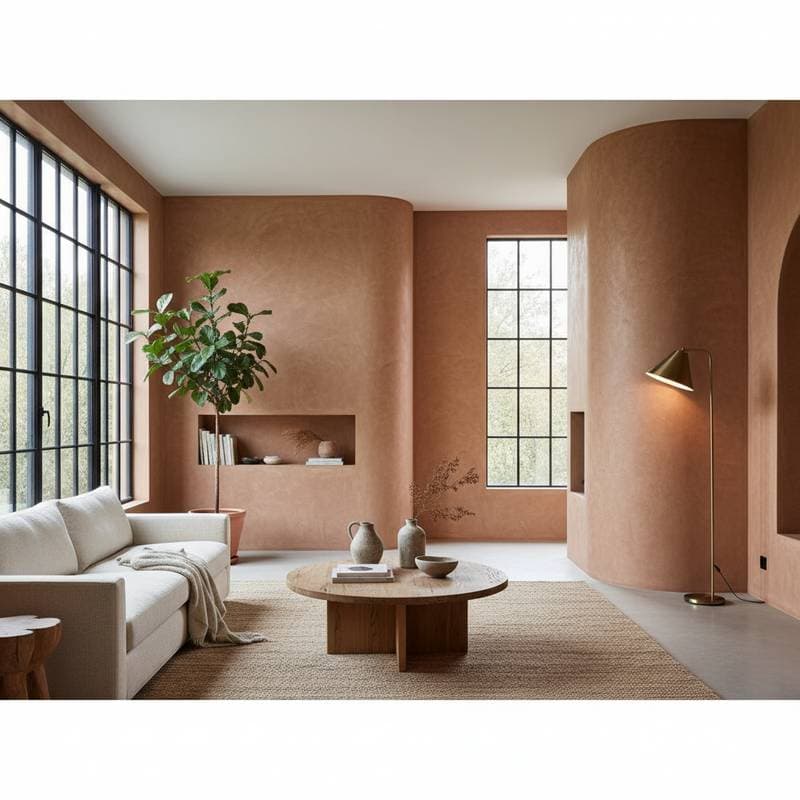
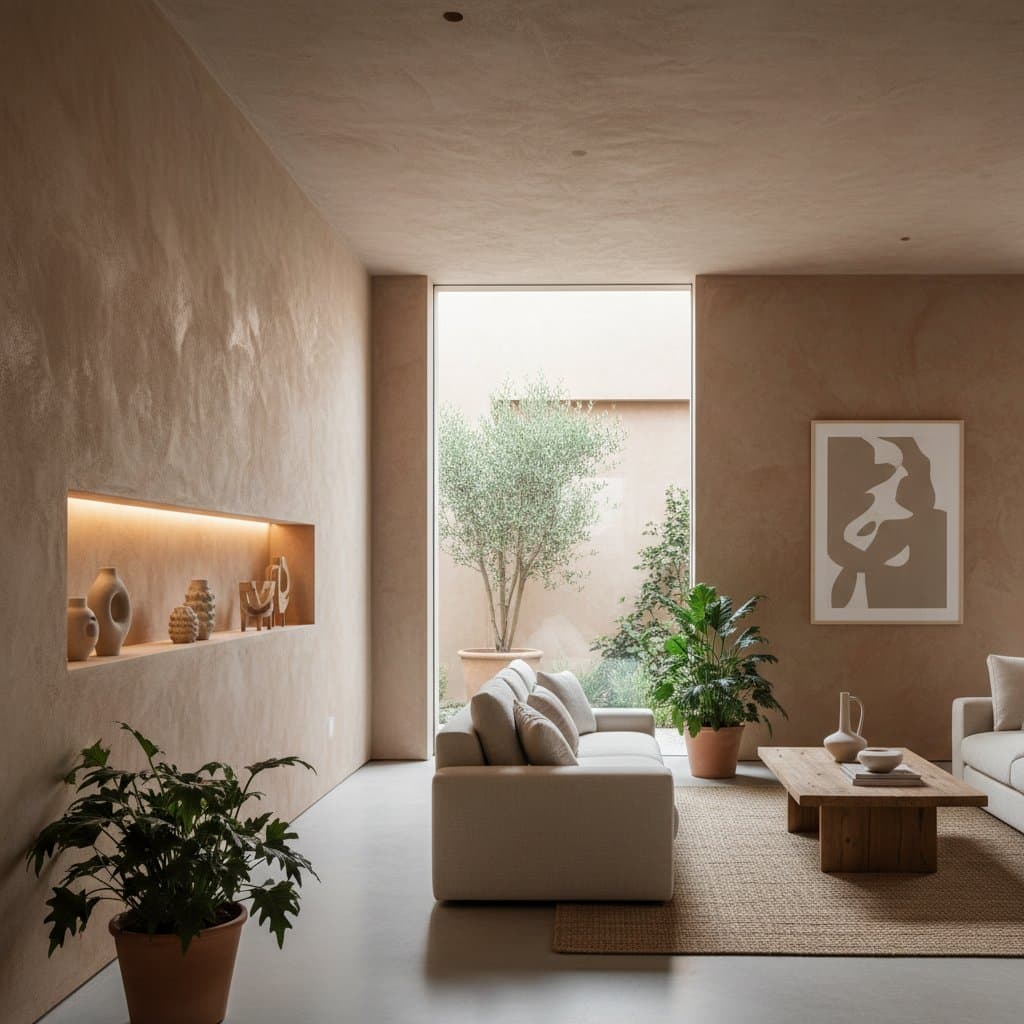
Clay plaster aligns with the current demand for authentic, grounded interiors. Its hand-applied surface diffuses light softly and introduces depth to any room. Subtle tonal shifts form a dynamic finish that evolves with time and interaction, maturing elegantly without deterioration. Designers value its adaptability across styles, from rustic retreats to minimalist modern designs and precise architectural forms.
This material also advances the trend toward permeable interiors. Numerous wall treatments retain moisture, which invites mold growth and compromises air quality. Clay plaster enables walls to ventilate naturally. It draws in surplus humidity and disperses it during arid periods, sustaining even indoor climates year-round. Such regulation enhances occupant well-being and safeguards underlying structures.
Three Strategies to Achieve Clay Plaster Walls
Budget-Friendly Strategy ($2,000 - $4,000)
- Select pre-mixed clay plaster kits that supply base and top coats in basic earthy hues such as sand, blush, or natural white.
- Apply the plaster selectively to accent walls or compact areas rather than entire rooms. Focus on a wall adjacent to a bed or hearth for maximum effect at lower expense.
- Allocate funds to superior tools and burnishing sponges. These ensure a refined surface from standard mixtures.
Moderate Strategy ($5,000 - $9,000)
- Opt for custom-blended plasters incorporating mineral pigments to achieve distinctive shades. Introduce mild textural differences for an artisanal appearance.
- Incorporate a clay primer for stronger bonding and longevity. Apply natural wax in busy zones for added protection.
- Extend the finish to ceilings or recessed shelves. This fosters a seamless, enveloping atmosphere.
Premium Strategy ($10,000 - $20,000)
- Engage skilled applicators for multi-layered finishes. Blend fine clay with marble dust or mica to add subtle luster and opulent feel.
- Incorporate fluid wall curves, softened edges, or molded recesses that showcase the material's malleability.
- Consider enduring benefits. High-end clay plaster endures for decades with little care, preserving aesthetics and enhancing structural ventilation.
Guide to Materials and Finishes
For walls, select aggregates in coarse, medium, or fine grades to match texture preferences. Coarse options enhance rustic or farmhouse aesthetics, whereas fine varieties support sleek, modern sophistication.
Natural oxides and earth pigments yield warm neutrals and subdued colors that pair well with wood, stone, and linen. Favored options encompass wheat, sage, terracotta, and muted mushroom gray.
Complement with matte wood trim in light oak, walnut, or ash. Steer clear of shiny surfaces that conflict with the plaster's inherent matte quality.
Integrate limewashed wood, woven fabrics, and matte ceramics. These elements resonate with clay plaster's organic essence.
Maintenance Essentials
Clay plaster demands minimal routine care. Colors permeate the full depth, eliminating the need for repainting. Light abrasions wipe away easily, and shallow imperfections repair with a water mist and sponge smoothing.
The finish repels static and dust buildup, promoting sustained cleanliness. In moist settings, its humidity absorption averts condensation problems typical of artificial coatings.
Dry regions may require periodic misting to rejuvenate suppleness. In kitchens or baths, apply breathable wax or casein sealers to shield from moisture while preserving air flow.
Common Pitfalls to Avoid
Prepare substrates thoroughly. Direct application over slick paint or greasy bases causes adhesion failure. Employ a compatible primer or textured undercoat.
Restrain texturing efforts. Excessive gouges or uneven layers appear burdensome and undermine the finish's innate elegance. Pursue gentle inconsistencies and uniform color.
Account for local climate. Extreme dryness or humidity necessitates formula tweaks. Consult suppliers versed in area-specific needs.
Coordinating Colors and Styles
Clay plaster's neutral spectrum suits virtually all design themes. Harmonize through targeted pairings:
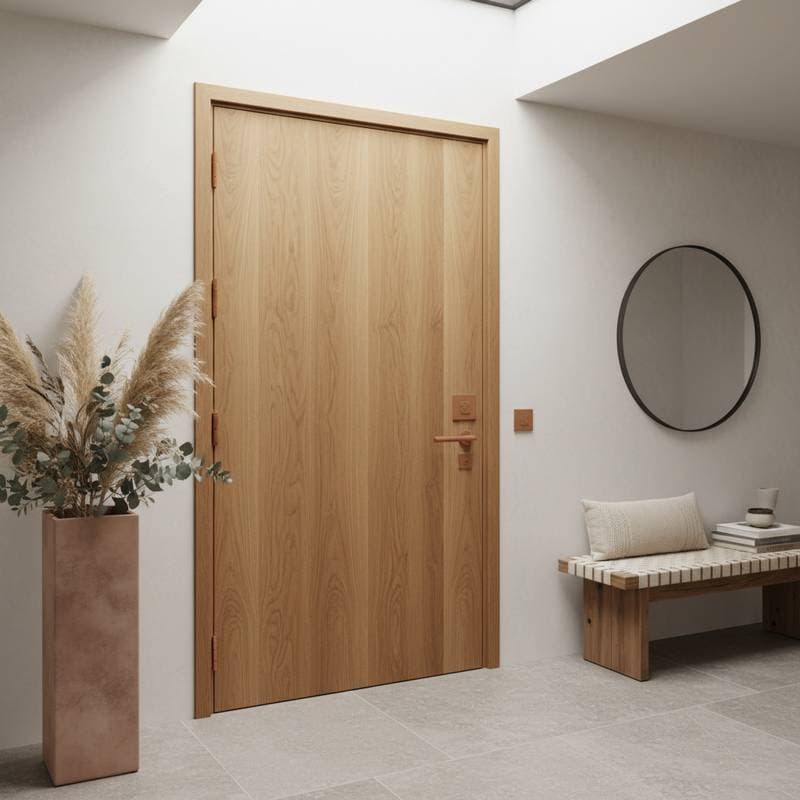
- For warm modern spaces, use pale sand plaster alongside black metal frames, light oak doors, and linen curtains.
- In earthy minimalism, select mushroom gray with matte white accents and straightforward wood pieces.
- Desert contemporary benefits from terracotta walls, bronze fittings, dark walnut doors, and braided floor coverings.
- Soft natural schemes feature ivory plaster with maple doors, stone floors, and cotton fabrics.
These selections evoke natural motifs, yielding serene, perpetual environments attuned to their context.
Pre-Project Photography Checklist
Document your space meticulously prior to clay plaster installation. Such records inform choices and convey intentions to specialists.
- Photograph rooms from various perspectives, capturing corners, ceilings, and light entry points.
- Note current wall states, including fissures, existing coatings, or dampness signs.
- Highlight structural elements like molding profiles, door casings, and junctions.
- Assess illumination at morning, midday, and evening to observe shadow effects.
- Evaluate external surroundings if relevant, ensuring alignment with nearby properties.
- Establish budget limits and designate priority areas for advanced treatments.
Thorough preparation guarantees a deliberate, integrated final result.
Benefits Extending Past Appearance
Clay plaster transcends visual appeal to cultivate superior living conditions. Humidity control diminishes allergens and electrostatic charges. It moderates temperature fluctuations, warming spaces in cold seasons and cooling them in heat.
Composed entirely of natural components without chemical additives, it elevates air purity. Occupants often perceive clay-finished rooms as invigorating and airy, particularly in airtight modern builds. This fusion of utility and ease distinguishes clay plaster among finishing options.
Prioritizing Budget for Effective Design
Tailor expenditures to objectives for cost efficiency. Limited funds benefit from confining clay plaster to focal walls or minor rooms, maximizing textural influence.
Moderate allocations extend value through expert base layers and self-applied tops. Premium projects justify artisan involvement across full areas for enduring quality.
Proper upkeep ensures longevity without refreshes. Investments yield savings in ongoing care and heightened comfort.
Collaborating with Specialists
Natural plasters demand specialized expertise distinct from conventional drywall work. Seek professionals with natural material portfolios and request past examples.
Outline texture and luster preferences upfront. Request sample boards to assess hue and illumination interactions pre-installation.
Pair with vapor-permeable wood doors and assemblies for optimal function. This setup facilitates moisture circulation, averting harm and bolstering resilience. Verify compatibility of wiring or ventilation systems with permeable finishes.
Infusing Personal Touch
Clay plaster unites artistry and the natural world uniquely. It encourages tactile engagement, tempers light gently, and instills tranquility beyond standard painted surfaces.
From modest highlights to comprehensive overhauls, it gratifies sight and sensation alike. Embrace imperfections as hallmarks of skilled hands.
Strategic planning, prudent finances, and straightforward care unlock prolonged warmth and vitality. This finish embodies the pivot to genuine, sustainable living, bridging timeless roots with forward design. Its aesthetic and operational harmony secures its place in evolving homes.